


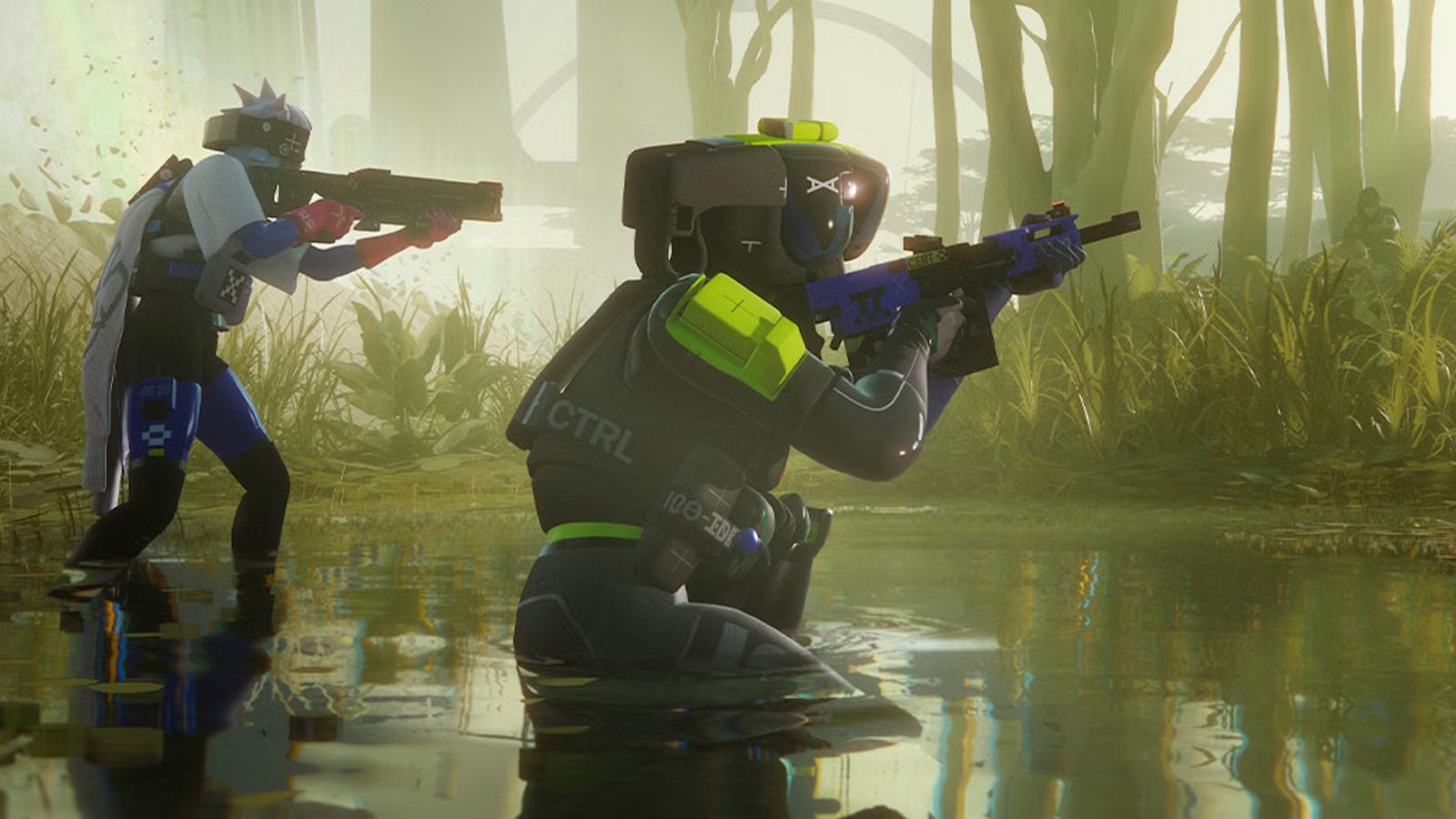
Bungie released Marathon on March 28, 2026. Within two weeks, the conversation shifted from launch excitement to server population charts that look like a ski slope. Steam peaked at 143,621 concurrent users during a free promotional event. By April 10, that number had collapsed to 20,306. A 68% drop in under a month.
And the cost of that hemorrhage? According to Forbes’ Paul Tassi, Marathon’s development budget cleared $200 million before a single ad ran. Market estimates put it north of $250 million. Add Sony’s marketing machine and some analysts are floating a total spend approaching $400 million. At $40 a copy and 1.2 million units sold, the game generated roughly $50 million in gross revenue, before platform cuts, returns, and the ongoing cost of keeping servers alive.
The math is brutal. Bungie needed its player base to spend just under $200 each, on top of the base game price, in microtransactions and battle passes just to approach break-even on development alone. It doesn’t appear to be working.
The Graveyard It’s Joining
Marathon doesn’t exist in a vacuum. It’s the latest entry in what’s becoming an expensive and embarrassing pattern for Sony and the wider AAA industry.

Concord. $400 million spent. Servers shut down September 6, 2025, two weeks after launch. Its Steam peak player count was under 700 concurrent users. Sony issued full refunds and posted a blog statement that read like a eulogy: “The game’s other aspects and initial launch did not land as we intended.”
Then came Highgard, called “Concord 2” by the gaming community, developed by Wildlight Entertainment, a studio staffed by Respawn veterans. Four years of development. A team of over 100 people. The game launched January 26 and shut down completely on March 12. Forty-five days. Wildlight’s own explanation: “inability to build a player base that could sustain the game in the long term.”
Marathon is currently trending in the same direction. The jokes about “Concord 3” aren’t really jokes anymore.
Why This Keeps Happening
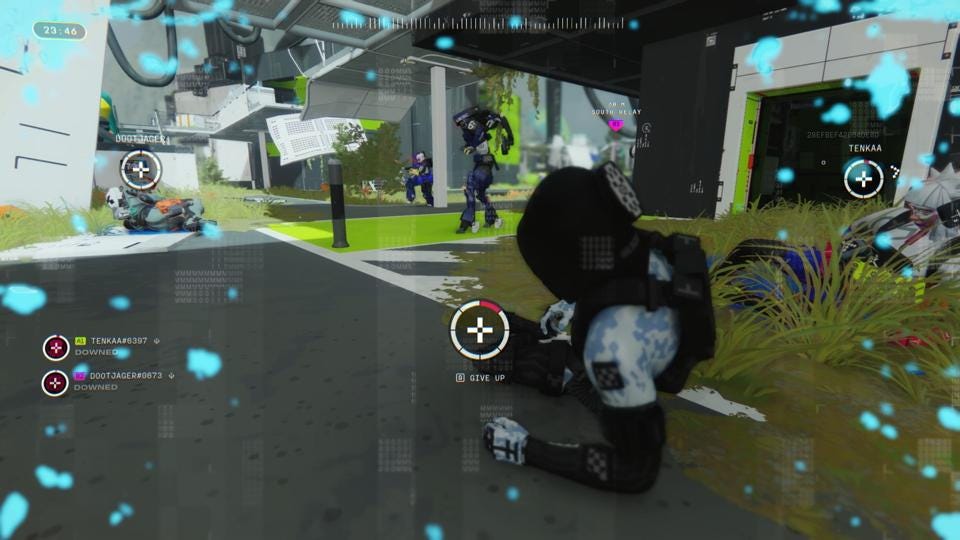
Inven Global’s analysis, backed by industry insiders, points to two root causes: long development cycles and market saturation.
When a game spends five to seven years in production, the market it was designed for no longer exists by launch day. Player preferences shift. Competing titles lock in their ecosystems. And the game that shipped is answering questions nobody is asking anymore.
Marathon is an extraction shooter in a post-extraction-shooter hype window. The genre’s fatigue is real. Losing all your gear on death — a mechanic central to the genre’s tension — is punishing enough on its own. Add rampant cheating that accelerates those losses, and casual players don’t stick around to find out if it gets better. They just leave.
Creator B1gDaddyMarv laid it out plainly on April 9:
“Marathon had a budget of likely over 250 million per Paul Tassi. The majority of the player base is on Steam, and it has been on a steady decline. It’s the 106th most-played game on Xbox.”
106th on Xbox. For a game Sony acquired an entire studio for $3.6 billion to build.
ReforgeGaming cut through the noise on the $400 million total cost claim:
“It is HIGHLY unlikely that any marketing push from Sony for Marathon doubled its budget up to $400m. Matching 5-6 years of production cost with a few months of marketing wouldn’t be bullish. It would be economically insane.”
Even at the conservative $250 million figure, the numbers don’t work. And the trajectory of the player count makes it worse every week.
What Bungie Actually Needs to Do
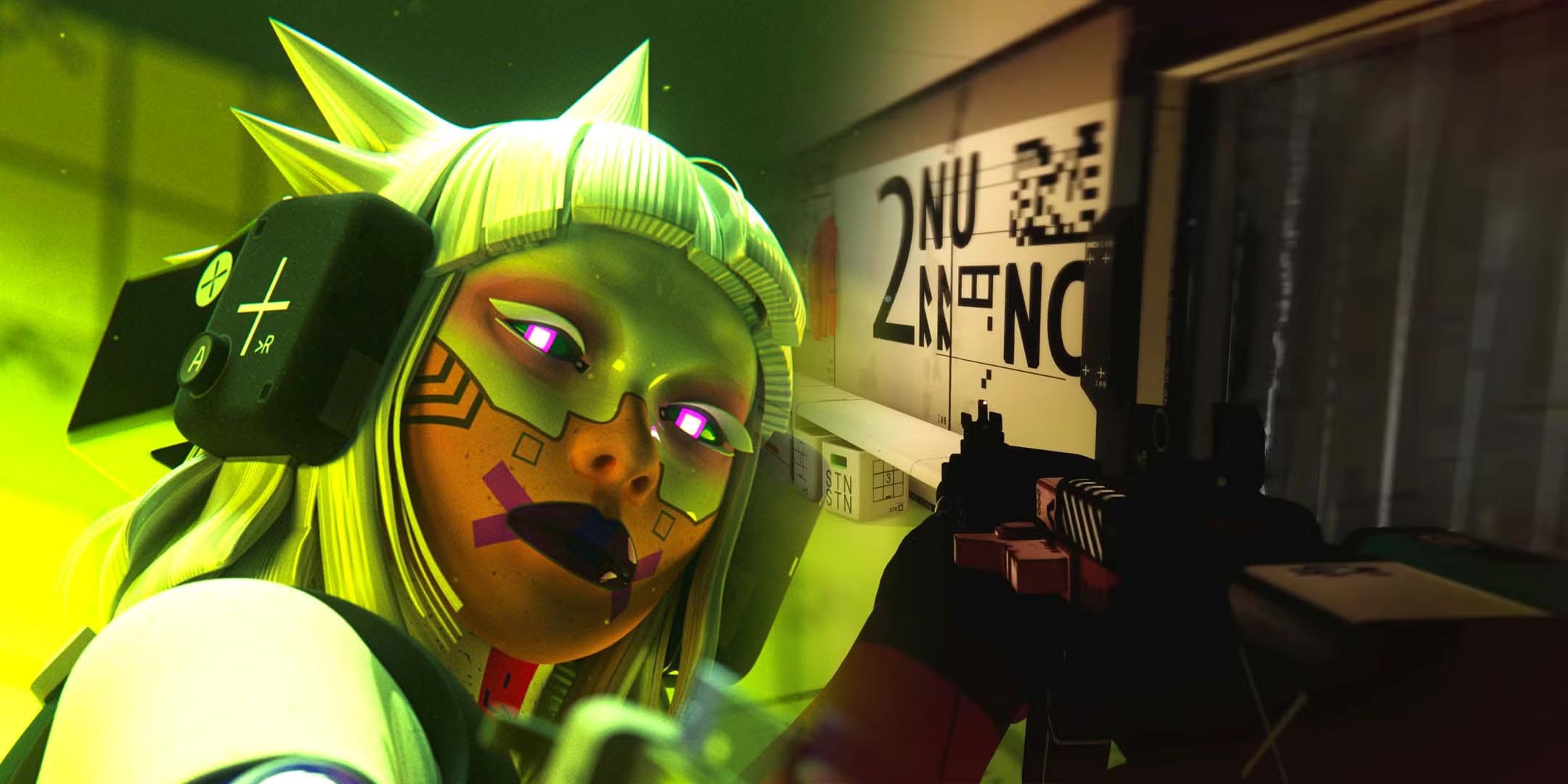
The free-to-play pivot conversation is already happening. It’s the wrong one.
Marathon wasn’t built as a F2P title. The economy, the progression, the entire structure was designed around a $40 buy-in. Dropping the price tag generates a short-term population spike — and then you’re back to the same retention problem, except now with monetization systems that feel predatory to the players you just acquired for free.
The real fix is PvE content, and a lot of it. Strikes. Dungeon-style runs. Something that lets a dad gamer with 90 minutes on a Tuesday night drop in, have fun, and feel rewarded without queuing into a lobby full of players who have logged 400 hours since launch. An insurance system, a protected gear slot that survives extraction failure, would go a long way toward keeping casual players from rage-quitting permanently.
Bungie has pulled this off before. Destiny was a mess at launch. The Taken King changed everything. Final Fantasy XIV 1.0 was a disaster that got rebuilt from the ground up into one of the best MMOs ever made. Turnarounds happen.
But those turnarounds happened under different economic pressures. The industry wasn’t watching every live-service launch like a referendum on whether the model is viable at all. Post-Concord, post-Highgard, every failure lands harder.
On April 9, Bungie posted on their official blog: “We are prepared to play the long game with Marathon.”
That’s a confident statement. The player count is not a confident chart.
The AAA Problem Nobody Wants to Say Out Loud
The deeper issue isn’t Marathon specifically. It’s that the AAA model — massive budgets, years-long development cycles, live-service-or-die monetization expectations — is increasingly incompatible with how people actually play games in 2026.
The same week Marathon’s numbers were sliding, Arc Raiders was generating buzz. Smaller scope. Tighter budget. Faster iteration. Legendary Drops made the connection directly: “Emboldened by the success of Arc Raiders, and given PlayStation’s history with marketing, the size of Marathon’s campaign, the full costs are likely $400m all in all. Most games, especially live service, are killed by shouldering the insane expectations of executive management.”
That last line is the one that should be framed on the wall of every publisher’s boardroom. Executive expectations — the assumption that a big enough budget and a big enough IP can force a game into cultural relevance — keep producing the same outcome. Concord had a huge budget and died in two weeks. Highgard had pedigree developers and lasted 45 days. Marathon has Bungie’s legacy and $250 million and is watching its Steam numbers erode week over week.
The $3.6 billion Sony paid for Bungie was supposed to buy PlayStation a live-service future. Right now, it’s bought them a cautionary tale they can’t afford to repeat.
The die-hard Marathon purists insisting the game shouldn’t change may get exactly what they want, when the servers shut down.
What do you think? Does Bungie have a real path forward, or are we watching the final chapter of one of gaming’s greatest studios play out in real time? Drop your take below.
When genetic engineering nearly doomed the species, humanity made a desperate bargain: let the frontier do what nature intended. In a harsh universe, these cadets have to make impossible decisions. Read Space Fleet Academy today.
NEXT: Ashes of Creation’s $3.2 Million Collapse: The Most Damning Financial Document in MMO History
For 40-80 one can buy 50+ games that have replay value in the range of hours as much or far more than those numbers.
Further there's a new hotness almost every month.
One could pay for Game price, battlepass, dlc and so on or...
You can get the next megabonk or vampire crawlers.
Further the lean mean machines of solodev and small teams are breaking into genres they couldn't have easily before, so the scope widens into robust multiplayer forms too.
If anything they're making new genres, new fusions and reviving the dead of old niches in new mighty forms.
Publishing groups like Hooded Horse and others are cleaning house too!
Even in the stars align, even if the studio isn't afflicted with corporate cancer...
They're just too bloated for efficiency and vision to thrive.
The fat man cannot run far, rather by his grim weight his ankles snap!
In other contexts, there the phrase "too big to fail"
For western AAA gaming they've become too big to succeed...
And that's a good thing.
The problem with games anymore is there’s no more buying a complete game. Earning loot as you progress doesn’t even feel rewarding anymore, since all the good loot is behind a paywall no matter how high you level up. Grinding for a rare reward doesn’t matter unless you have a credit card, and even then you can just buy your way to it. Gamers want challenge that is and feels rewarding, not spend $40-$80 just for an entry fee. AAA commits this sin worse than anyone.