


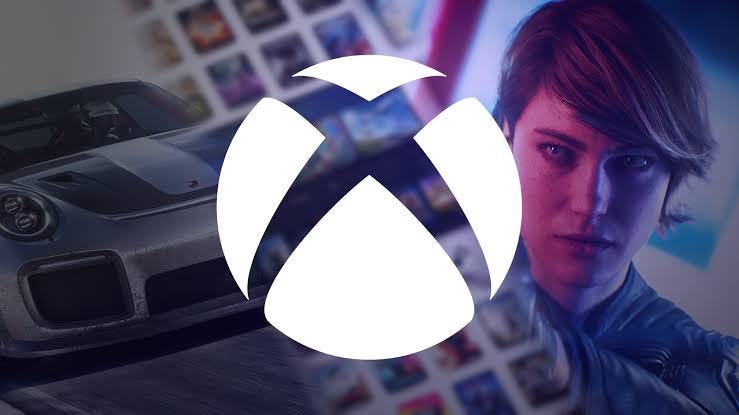
Nine days after Ninja Theory appeared on stage at the Xbox Games Showcase to announce Senua, the third entry in the Hellblade franchise, the Cambridge studio’s employees were called into a meeting and told they were done. The announcement of a new game and the announcement of the studio’s closure arrived in the same two-week window. Nobody who bought a ticket to the showcase knew that the studio presenting its next project would not exist to finish it.
Ninja Theory, the Cambridge studio behind the Hellblade series, was confirmed closing on June 15. Compulsion Games, the Peabody Award-winning Montreal studio behind South of Midnight and We Happy Few, and Double Fine Productions, the San Francisco developer founded by Tim Schafer in 2000 and home to the Psychonauts series, are both in closure or buyout negotiations. Undead Labs, which employs around 110 people and has been developing State of Decay 3, is under review. Arkane Lyon, the studio behind Dishonored and Deathloop, is reportedly facing both closure and the outright cancellation of Marvel’s Blade, a superhero action game that had already slipped from a planned 2026 launch to late 2027.
Xbox Game Studios head Craig Duncan resigned on June 15, the same day the Compulsion closure was first reported.
The five studios share a profile that explains why they are the ones being cut. All are critically acclaimed. All produced mid-tier games rather than Call of Duty-scale releases. And all of them were entirely dependent on Microsoft’s Game Pass subscription model to reach their audiences. That dependence is what killed them. When a studio’s games launch on Game Pass on day one, subscribers play them without purchasing them. The studio gets a licensing fee. Microsoft gets the subscriber engagement data. The buy-to-play revenue that would have funded the next project never arrives.
South of Midnight drew more than one million Game Pass players within three weeks of launching. Double Fine’s Psychonauts 2 remains one of the highest-reviewed games of the current generation. Ninja Theory’s Hellblade II won multiple awards. None of that mattered when Microsoft ran the numbers. Critical acclaim and commercial performance are measured separately inside Xbox’s accounting system, and Game Pass economics do not reward the kind of mid-budget creative studios that make a publisher’s catalog worth caring about.
The Xbox Reset memo that CEO Asha Sharma and Chief Content Officer Matt Booty published on Xbox Wire on June 10 is among the most candid admissions of strategic failure by a major platform holder in recent memory. Xbox will close fiscal year 2026 at approximately a 3% profitability margin, far short of the roughly 30% Microsoft requires of its major divisions. Excluding the $68.7 billion Activision Blizzard acquisition, the division spent more than $20 billion over five years on content, platform, and hardware subsidies, while annual revenue shrank by nearly $500 million over the same period. Gaming revenue fell 7% last quarter to $5.3 billion. Hardware sales dropped 33%.
Putting Call of Duty: Black Ops 6 on Game Pass on day one reportedly cost Microsoft an estimated $300 million in buy-to-play revenue. That was a bet that subscriber growth would offset the per-unit loss. The Reset memo says it did not.
The workers facing those cuts have had enough. The Communications Workers of America held a press conference with members of various Microsoft Xbox unions in response to the layoff reports. Frank Arce, vice president for CWA District 9, condemned the cuts, saying Microsoft workers “will not be treated as disposable.” One union representative pointed out Xbox’s recent console price hikes, saying “The money is there, leadership is simply choosing where it goes and who pays.”
Andrew Snell, a QA tester at Activision Publishing, said that Xbox unions would be joining forces to fight back. “We’re done paying for executives’ failures,” he said.
Overall, market conditions make Microsoft’s collapse look less like an isolated failure and more like the accelerating end of a model. An estimated 45,000 gaming industry jobs have been lost since 2022. The 2026 Game Developers Conference survey found that one in three US developers had been laid off in the previous two years, and that half of all respondents said their current or most recent employer had conducted layoffs in the past 12 months. At AAA studios specifically, two thirds of respondents reported the same. The global gaming market reached a record $195.6 billion in 2025. The industry has never made more money, and the people who make the games have never felt less secure.
Ubisoft Barcelona walked off the job June 30, opening a three-week strike running through July 16. Their demands: a binding agreement protecting 51 affected roles, a five-year guarantee against future collective layoffs, immediate execution of previously agreed promotions. EA was acquired by Saudi Arabia’s Public Investment Fund for $55 billion. Sony closed Bluepoint Games. The industry is consolidating into a smaller number of mega-publishers, each of which has decided it can extract more revenue from fewer studios. The developers in the middle, the ones making original mid-budget creative work, are the ones disappearing.
Double Fine’s Tim Schafer built Grim Fandango, Brütal Legend, and Psychonauts across 26 years. Ninja Theory built two Hellblade games that treated mental illness with a care and craft that the industry rarely achieves. Compulsion built We Happy Few and won a Peabody for South of Midnight. These are not the studios that failed. These are the studios that succeeded at everything except being large enough to matter to Microsoft’s balance sheet.
Does the Game Pass model bear responsibility for killing the studios it was supposed to support, or did Microsoft simply overpay for too many acquisitions and someone had to take the loss?
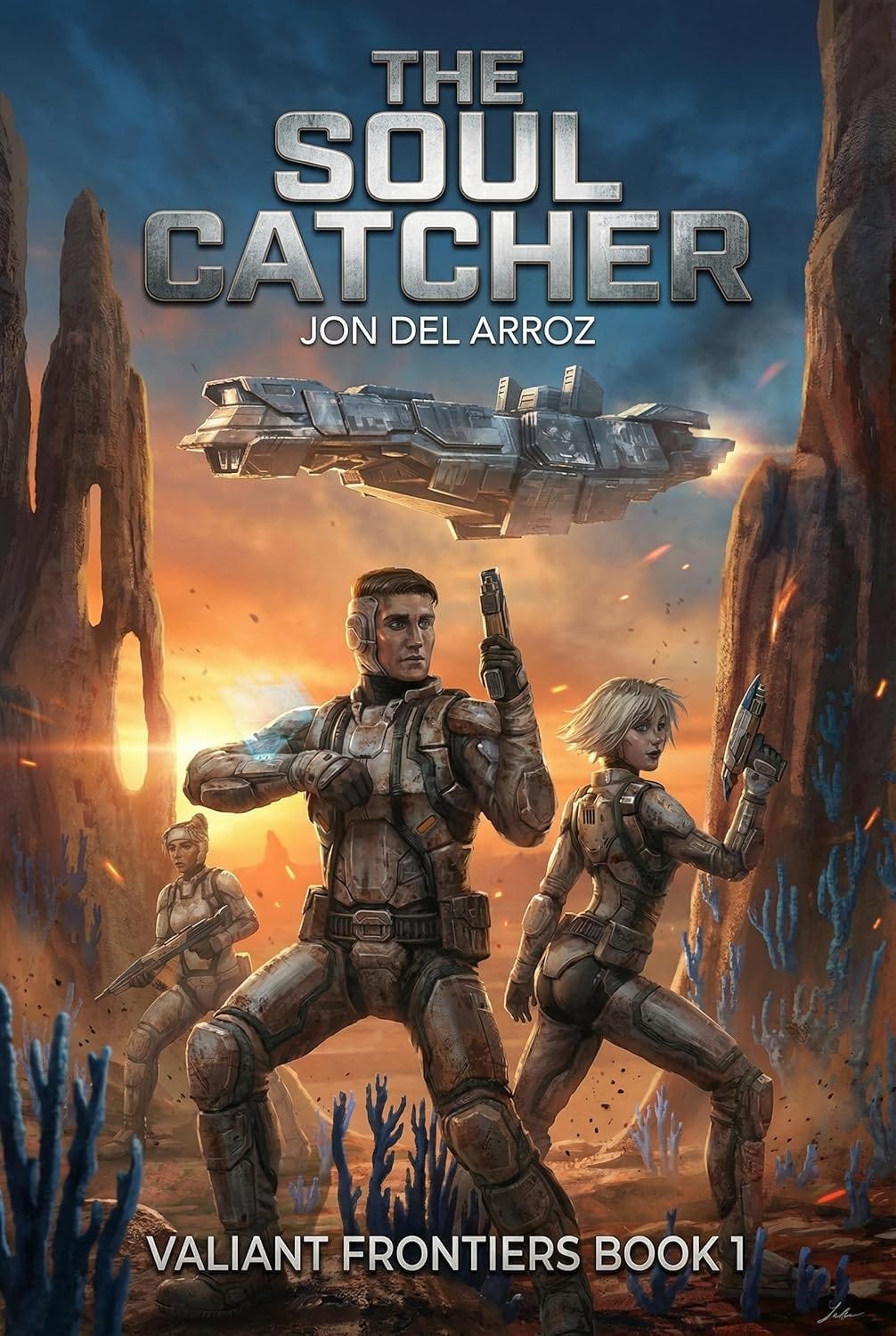
First contact with the Oridians was supposed to be humanity’s proudest moment. Instead, their chief engineer is dead, their ship is sabotaged, and an ancient alien technology is stealing souls. Book one of the Valiant Frontiers series delivers exploration, mystery, and the kind of crew you’ll want to follow across the galaxy. Read The Soul Catcher on Amazon and start the adventure.
NEXT: Retailers Are Refusing to Sell GTA 6 Because the Physical Edition Has No Disc
I love the Dishonored series. Sad to see it go. Woke/DEI crap has killed these studios!
None of those studios made "best" of anything, and certainly not video games that gamers want to play.
Game Pass hurt them in a different kind of way, it concealed just how awful the true numbers would have been without players desperately trying to find the value proposition in Game Pass.
There are many examples of non Game Pass games posting abysmal player numbers and falling flat on their faces.
What these studios are selling, we're not buying.
Game Pass should have worked. It was an idea whose time had come, but Microsoft paid studios exorbitant money to make awful games no one wanted to play, and very few of those at that.
A lean, efficient, and responsive pipeline pumping out mid and indie tier games left and right with responsible budgets will hit gold frequently enough to send the service into the stratosphere.
How many huge hits over the past fifteen years have been made by a tiny team, or even just one person?
Minecraft, Slay the Spire, Hollow Knight, Cup Head, Balatro, Vampire Survivors, Undertale, Cult of the Lamb, Sea of Stars, Hades, Warhammer Boltgun, and so on and so on.
Many of those games I listed were big enough to create entirely new genres: survival/crafting, card battler, bullet heaven, and boomer shooter.
Imagine a service not just releasing those, but dozens and dozens and dozens of others that never did or will exist because they didn't get the hundreds of thousands of funding they needed while Microsoft burned hundreds of millions on worthless studios.
Hey Microsoft, NO REFUNDS!