


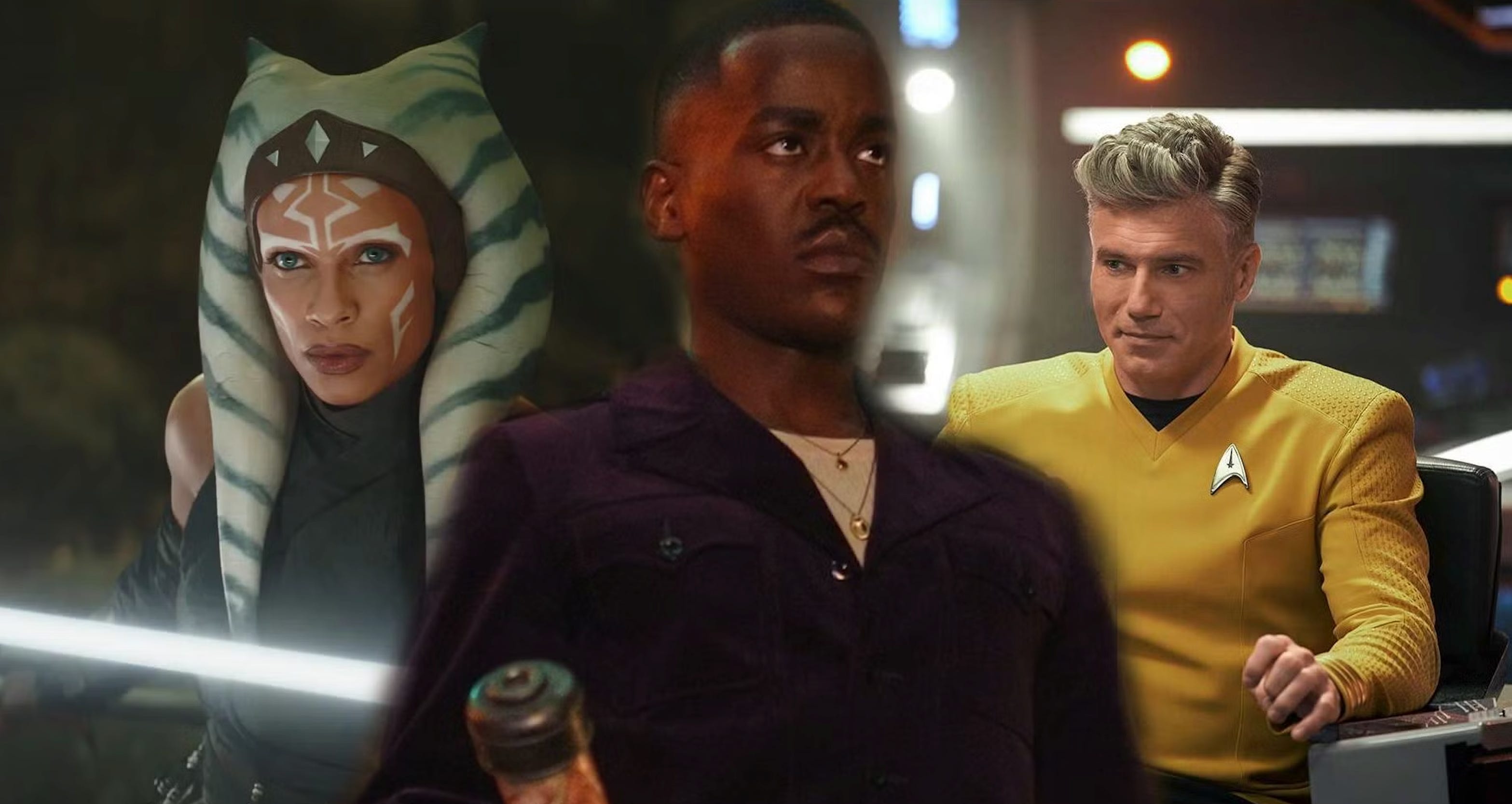
Doctor Who, Star Wars, and Star Trek all bet on the same progressive formula over the past few years, and the ratings punished every one of them. The real question for fans isn’t which show is struggling. All three are. The question is which brand still has a road back, and which one is already past saving.
Star Wars carries the largest name and the softest political damage of the three, yet it just posted the worst theatrical opening of the Disney era. The Mandalorian and Grogu landed at $82 million for its three-day debut and $102 million across the four-day Memorial Day weekend, below the inflation-adjusted start of 2018’s Solo, the previous low. Disney spun the A-minus CinemaScore as a win, but opening night skewed 63 percent male and 75 percent over 25. The crowd that showed up was the existing fanbase, not a new generation. That matches the streaming collapse. Star Wars shows fell from roughly 25 percent of Disney+ viewership in 2020 to 15 percent in 2024, and the $180 million Acolyte got axed after one season once its audience cratered 75 percent across the run.
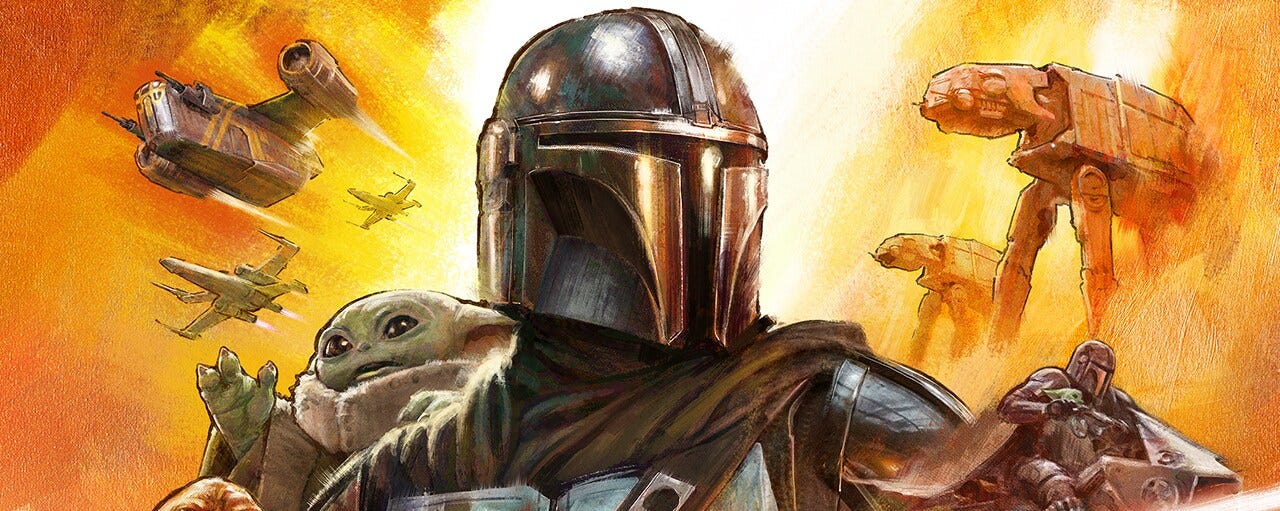
The deeper wound isn’t ideology. Lucasfilm went lighter on the messaging than its rivals, and the property still posts the highest rewatch rate of the three at 48 percent. The problem is structural. The Skywalker saga ended in 2019, and it ended as a finished story. Audiences got the full arc, so every new project has to answer a question the old films never faced: why should anyone care what happens next? Ryan Gosling’s Starfighter arrives in May 2027 to test whether an answer exists.
Star Trek looks worse on paper and stronger underneath. The 2025 Section 31 movie with Michelle Yeoh went straight to Paramount+ and sits at a 3.8 on IMDb, one of the lowest-rated entries the franchise has ever produced. Starfleet Academy premiered in January 2026, never once cracked Nielsen’s top ten streaming chart, lost half its audience between the second and third episodes, and got cancelled after two seasons with the second already in the can. Independent rewatchability data pegs the Kurtzman-era shows at 8 percent against 35 to 40 percent for the classic TNG-era series. Almost nobody goes back to Discovery or Picard.

Here is why Trek still holds the best odds anyway. Strange New Worlds proved the brand works when the writing respects it. Its third season pulled a franchise-record 471 million viewing minutes in a single July week and stood as the only Paramount+ original in the Nielsen top ten that week, with critics scoring it near 90 percent. Trek is a setting rather than a single story, which lets the studio swap eras and casts without contradicting anything that came before. The Skydance-Paramount merger has now made Star Trek a film-division priority, with multiple movies in development. The recovery path is clear. The one obstacle is the creative leadership that produced that 8 percent rewatch number.
Doctor Who is the franchise with nowhere good to go. The Ncuti Gatwa era drove ratings to lows the series had never seen. “Lucky Day” drew just 1.5 million overnight viewers, and the 2025 season averaged 3.8 million on Barb’s 28-day figures, down a full million from Gatwa’s first year and far under Jodie Whittaker’s already-soft 5.2 million finale in 2021. In the United States, the season failed to chart on Nielsen at all. Disney weighed the ballooning budget against the falling numbers and the backlash to a Doctor who shared an on-screen gay kiss, then walked away from the co-production deal.
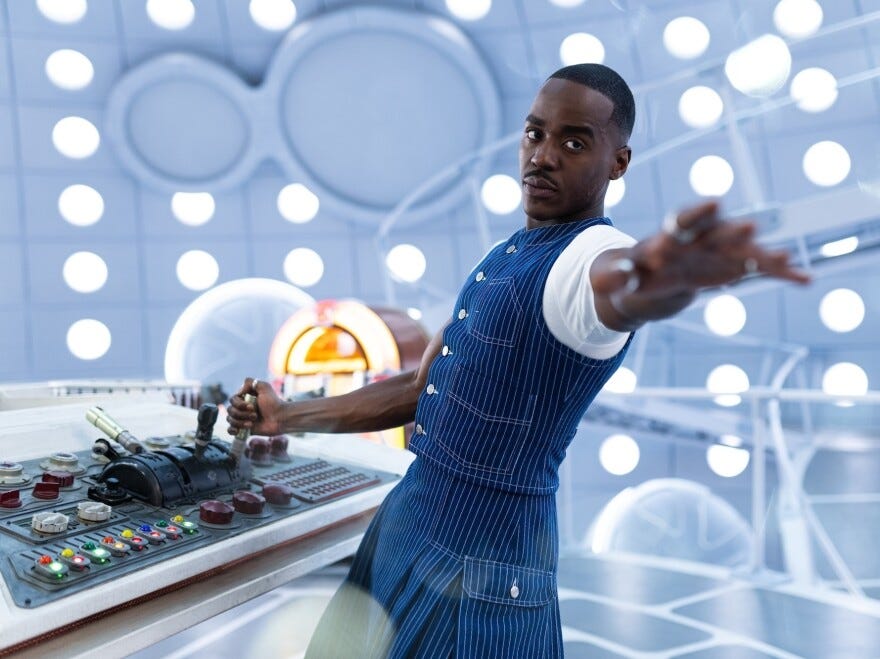
Then came the regeneration. Rather than reset cleanly, the show wrote Gatwa out and turned the Doctor into Billie Piper, a former companion, in a finale rebuilt through reshoots. Russell T. Davies has admitted the series may go on “pause.” Star Trek can introduce a new captain and a new ship and start fresh. Doctor Who built its recent identity around politics its core audience rejected, and it has no big-screen rescue waiting.
So here is the ranking. Star Wars sits in the middle, hampered by a finished story rather than a poisoned one, and still able to sell tickets to the faithful. Doctor Who is in the worst shape. Its numbers are collapsing, Disney has walked, and it dug its own creative hole on purpose. Star Trek took the uglier individual hits, yet it holds the best position to recover, because it is a universe instead of a single tale and because Strange New Worlds already showed the old formula still works. The brand most people would write off first is the one with the clearest way home.
If the golden age of Trek and Babylon 5 left a hole in your sci-fi diet, The Stars Entwined fills it — interstellar espionage between two civilizations on the brink of war. Read The Stars Entwined on Amazon!

NEXT: The Man Who Built Star Wars Fandom Shares What the Opening Crawl Actually Said in 1977
I'm not a huge fan of any of these, but before I even read the article, my prediction was Star Trek also. Get rid of Kurtzman, bring in people who respect the canon, and I can see a solid recovery.
Doctor Who. It's been on hiatus before.