



There was a time when science fiction did something very specific: it widened your sense of possibility. Classic Star Trek episodes, and series like Babylon 5 changed the way you thought the strangeness of the cosmos. First contact felt heavy with consequence; new tech forced new questions. Lately, too many franchise installments have traded that slow, idea‑driven awe for spectacle, retcons, and serialized trauma. That shift matters, and it’s why I wrote Valiant Frontiers, a new science fiction trilogy available on FundMyComic.
There are a lot of problems with current science fiction like Star Trek, but holistically, a few reasons make it difficult for humans to connect, even beyond the identity politics. The current era Hollywood and modern publishing writing styles don’t jive with what the golden and silver age science fiction had to offer, especially when it comes to Gene Roddenberry’s vision.
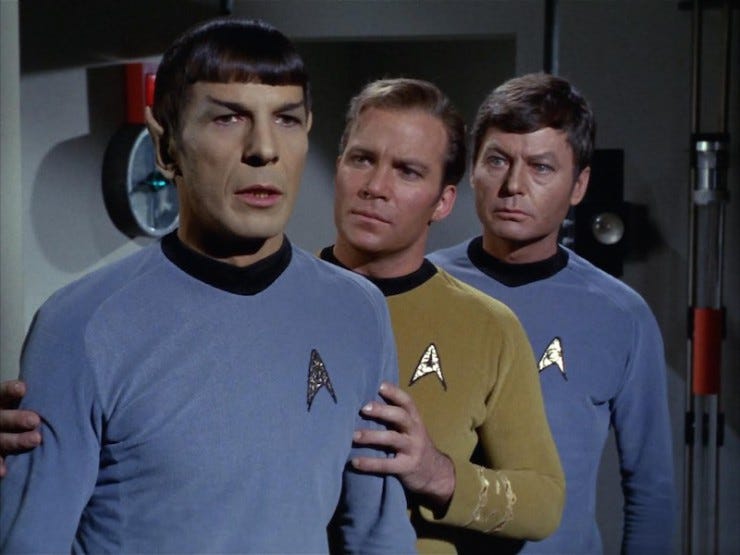
Classic Trek episodes often left consequences that altered relationships, policy, or how characters saw the galaxy. More recent storytelling sometimes leans on episodic amnesia or retconning so that each shock can be reversed later. If actions don’t stick, philosophical dilemmas and character growth lose their teeth. Stakes become headline moments for clickbait articles or YouTube outrage rather than something that feels like real characters accomplishing real tasks.
What’s been lost
Science fiction’s most memorable scenes are often the small intellectual reveals that force you to reconsider assumptions: a cultural practice that reframes morality, a piece of tech that reframes personhood, a discovery that shifts geopolitical balances. Without sustained attention to those speculative cores, sci‑fi becomes a parade of set pieces rather than an engine of wonder.

Valiant Frontiers restores wonder without sacrificing modern depth
Valiant Frontiers is my corrective to that problem. It’s a space opera written to bring back the intellectual curiosity Star Trek once championed, while keeping the serialized character development and political complexity contemporary readers expect.
Idea‑first storytelling
Each book centers on a provocative speculative kernel that drives the plot and forces ethical reckonings. In Book 1, soul crystals create a crisis on a planet for the have-nots. Book 2’s pocket dimension conceals ancient technologies and horrors that reframe the galaxy’s past. Book 3’s time‑travel arc confronts legacy, causality, and the moral cost of rewriting history. These aren’t decorative: they change how characters and polities behave.
Consequences that carry
This is a trilogy where choices have weight. A saboteur undermines the ship in Book 1 and reshapes crew dynamics later. Political bargains ripple outward. Time‑altering choices in Book 3 demand real sacrifice. No episodic amnesia, but the universe keeps score.
Diplomacy, politics, and ethics as engines of plot
Taking a page from Babylon 5’s best instincts, Valiant Frontiers treats negotiation, cultural misunderstanding, and institutional inertia as central conflicts. Battles happen, but the quiet, complicated work of keeping peace matters just as much.
Weirdness and mystery treated seriously
Alien artifacts, pocket dimensions, and time fractures are handled as opportunities for philosophical inquiry and emotional consequence, not only as set pieces. Weirdness should provoke thought as much as it provokes awe.
Valiant Frontiers in a snapshot
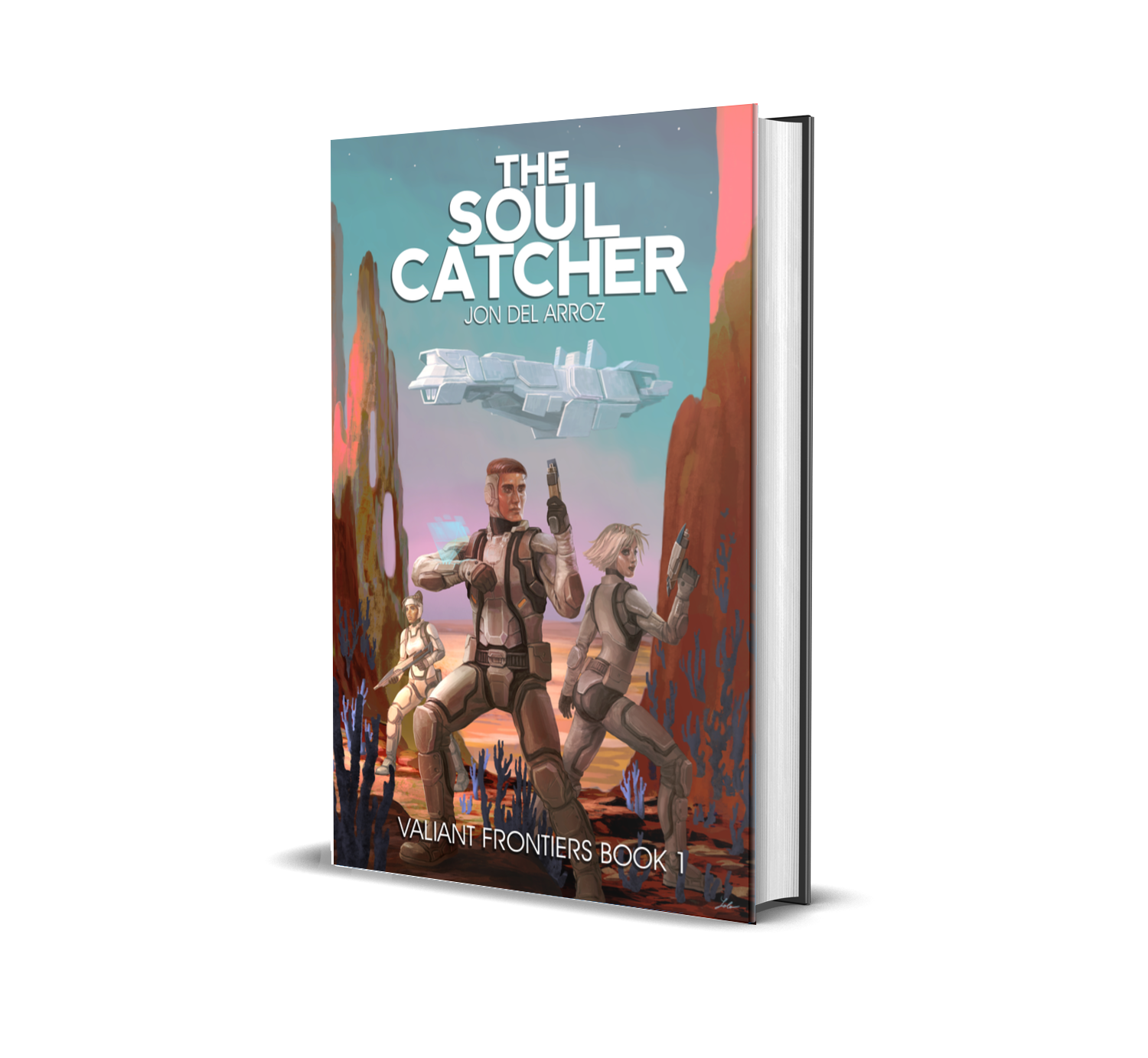
Book 1 — The Soul Catcher: First contact goes catastrophically wrong with the Oridians, split between immortal “Eternites” fused to soul‑crystals and the oppressed Transitorians. With civil war and a saboteur aboard the Valiant, diplomacy is tested against a currency of souls.
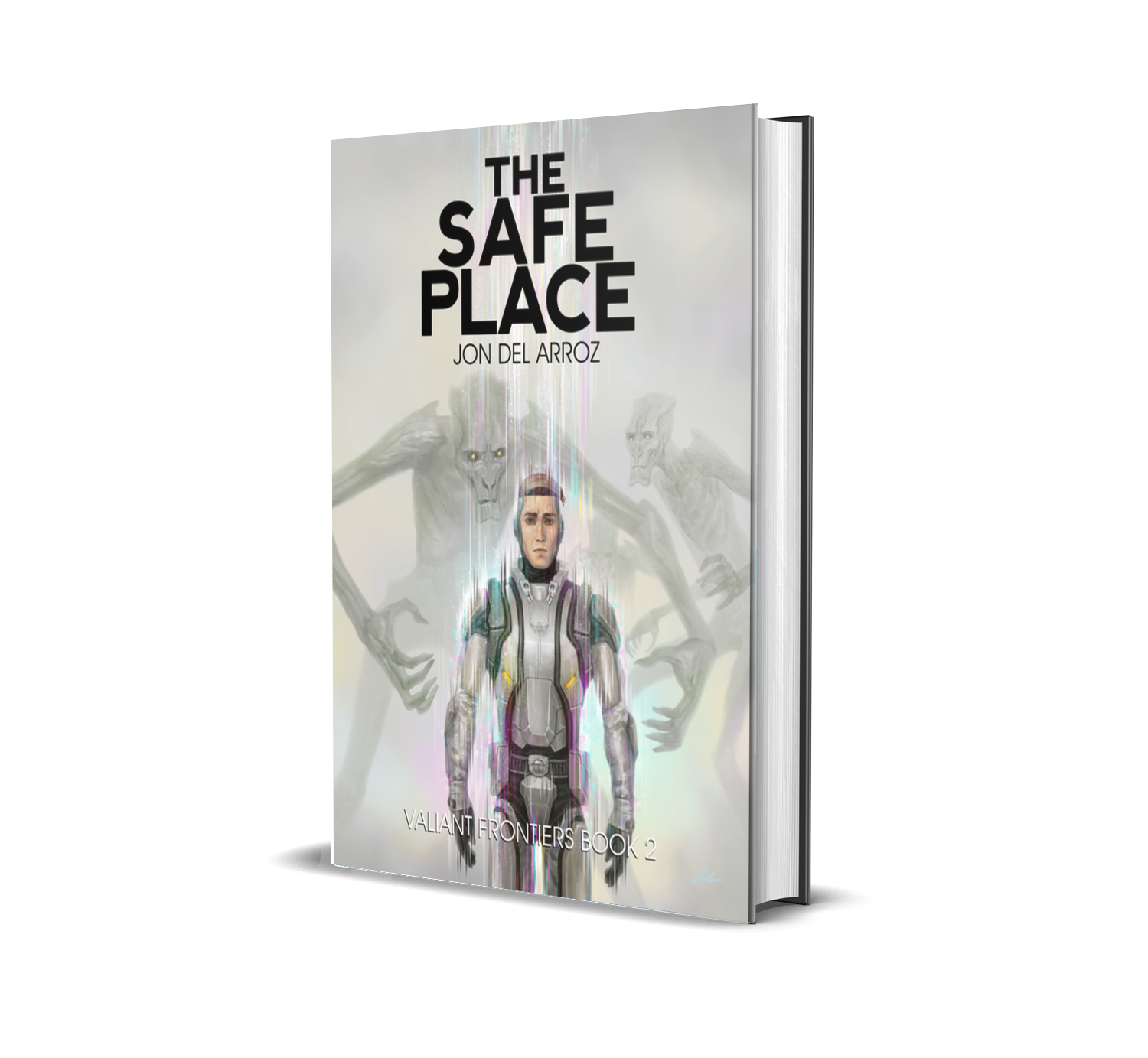
Book 2 — The Safe Place: Captain Conley vanishes on a “dead” planet; the crew finds dangerous tech and a pocket dimension. Ancient orbital defenses wake up — do you save a leader or safeguard the galaxy?
Book 3 — Time Bomb: A time traveler’s madness threatens history. The Valiant must traverse pivotal moments and reckon with legacies that reshape both character and cosmos.
Who should read this
Valiant Frontiers is for readers who miss exploration‑first Star Trek, the political sweep of Babylon 5, and space opera that asks philosophical questions without sacrificing character. If you want your sci‑fi to linger in your head, to change how you think as well as how you feel, this trilogy is written for you.
We can enjoy modern franchise experiments and still insist certain virtues be preserved: cumulative worldbuilding, speculative courage, and consequences that matter. Valiant Frontiers aims to restore those virtues — to bring back the sense of wonder while recognizing that modern readers expect emotional complexity and serialized consequence. If you miss science fiction that makes you ask new questions about life, politics, and what it means to be human, the Valiant is calling.
Back Valiant Frontiers today and start your space adventure!
Backed! Ebooks and paperbacks! They’ll be here tomorrow right? ;)
Star Trek: The Wrath of Khan (the original, not the remake) came back to answer one of those what-ifs. What if we left Khan and his band of galactic terrorists alone on a life sustaining planet for twenty years, but we didn't do a complete survey before we dropped them there?
Yes, Stories had consequences. Something that doesn't happen anymore.
Oh no, we killed Data, don't worry, we have a prototype body to put him in.
I always wondered why they brought data back, as they weren't going to make any more movies with the TNG cast.