


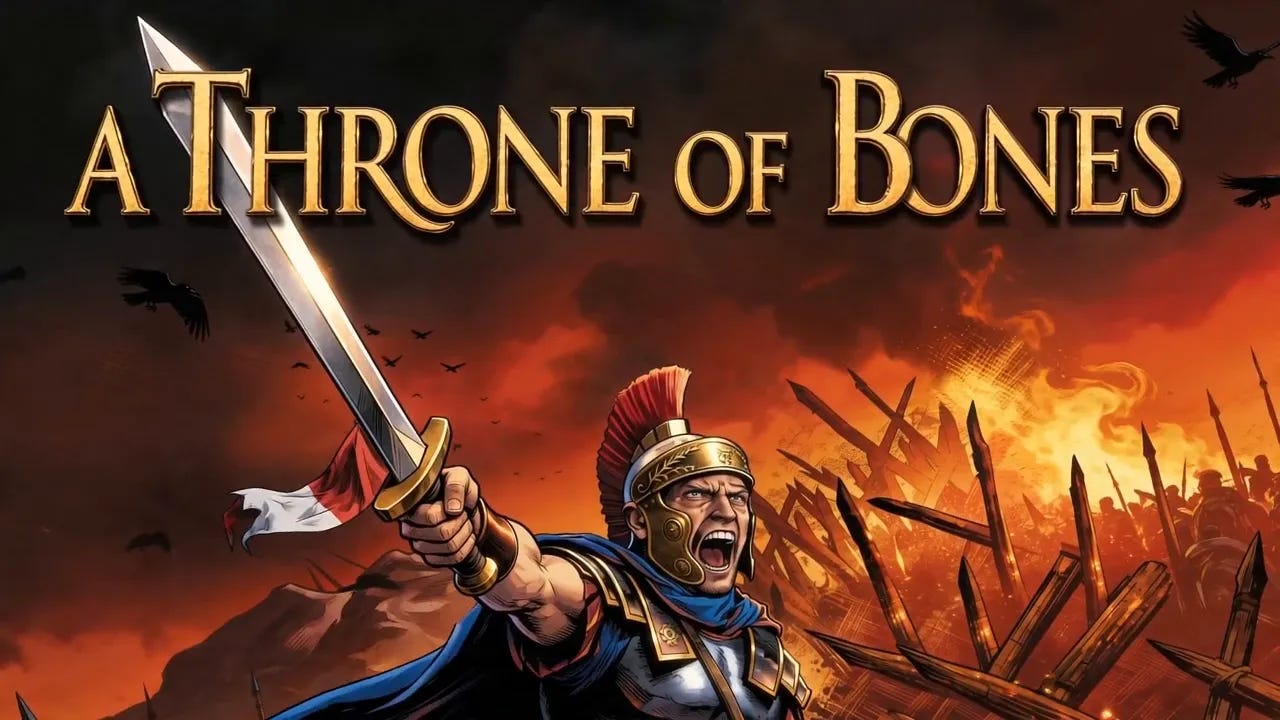
Vox Day posted one minute of animation with zero editing to his AI Central Substack last Monday, and the independent comics world should be watching.
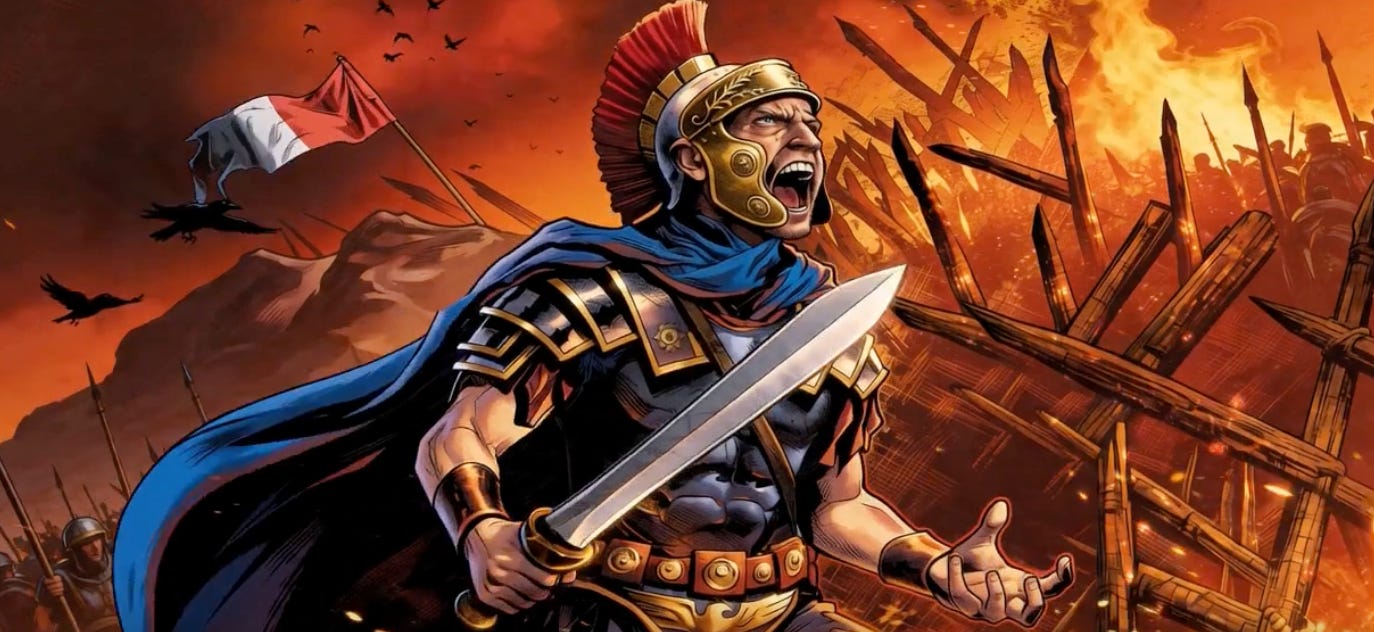
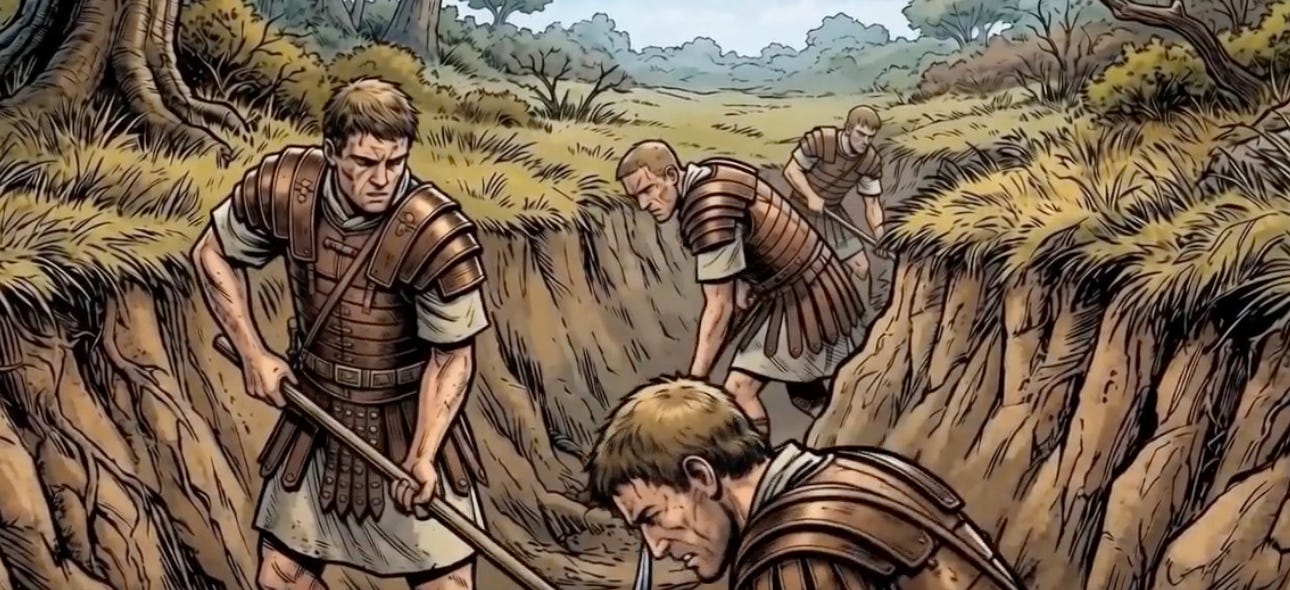
Day, founder of Arkhaven Comics, took panels from The Tragedy of the Tribune, a comic adaptation of his fantasy novel A Throne of Bones, fed them into Seedance 2.0, and stitched the output into a continuous animated sequence. These are totally AI-animated panels running back to back. The result is something that didn’t exist in any practical form six months ago.
He told Fandom Pulse he’s already working on the next parts and is confident he can turn the full project into a feature-length animated film.
The insight Day landed on is an intelligent but obvious one: existing comics are pre-built storyboards. Every panel is already a frame and each page is a shot list.
He wrote on AI Central: “Animating from an existing comic works very well because every frame is essentially an animatable storyboard and provides the AI with a new starting point with which to begin.”
Day had previously experimented with generating animation from scratch using Seedance 2.0, a project called The Ghosts of Bangkok, and ran into the core problem plaguing AI video generation: model collapse. Feed the AI too many consecutive clips starting from the prior clip’s final frame, and the characters begin to deteriorate visually. The same face looks 30 years older by clip 14. Consistency broke down fast.
Comic panels solve that problem by resetting the AI’s reference point with every new shot. As Day puts it: “The amount of model collapse that takes place over the course of 2-3 clips is minimal, which allows the creator to get 2-4 clips out of a single frame.”
Across the one-minute Tribune demo, the result is character consistency that AI-generated animation has struggled to deliver. The faces hold. The style holds. The world holds. It’s not perfect, and Day is the first to say the unedited version has visible jump points between shots where a few frames of cleanup would smooth the transitions. But the bones are there in a way they weren’t before.
What “Unedited” Means Here
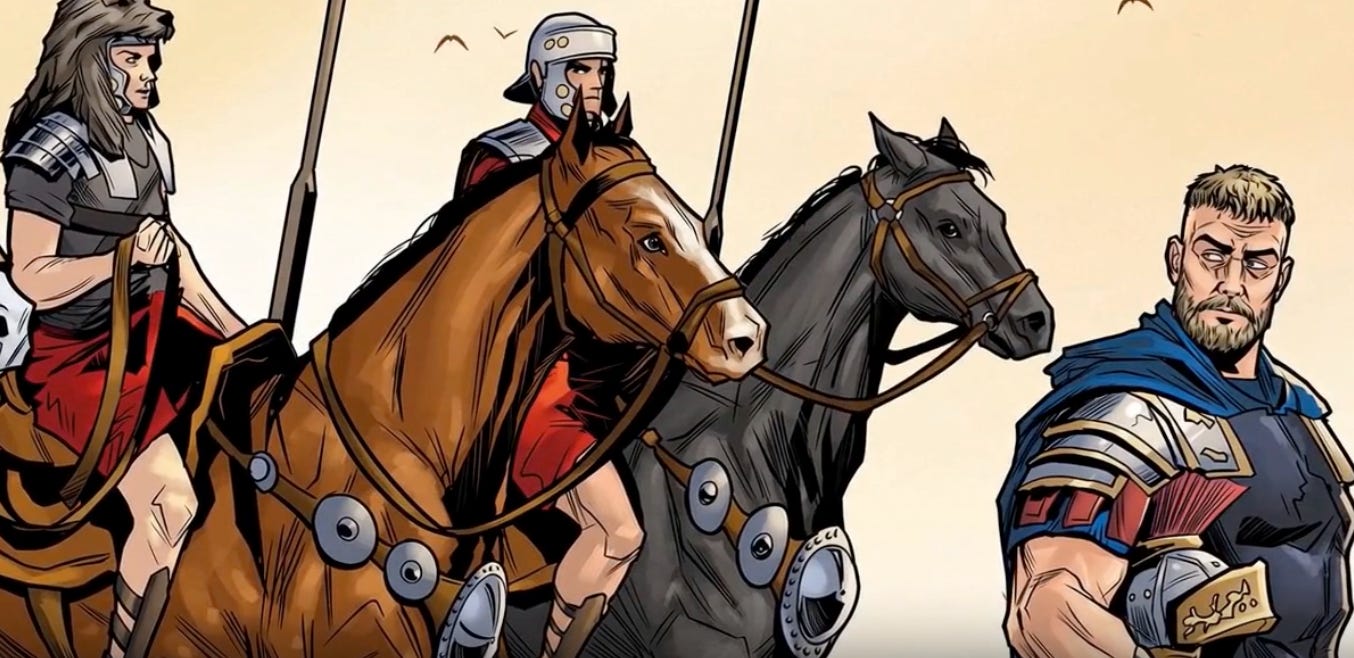
Day was explicit about what he posted: “The video below is completely unedited in any way, it’s just a series of 14 5-second clips stitched together with no video or audio modifications.”
That cuts both ways. The rough edges are visible, as shot transitions have the slight discontinuity you get when clips are concatenated without bridging work. A professional cut would remove those, and Day acknowledges it. But posting unedited footage is itself the point. This is a floor, not a ceiling. What you’re watching is raw output before any human touches it.
Jim Nealon, commenting on the Substack post, noted: “The animated segment is already at the broadcast or theater quality of 50s-60s Hanna-Barbera or Warner Bros. cartoons. The steps to a longer feature look easier.”
That’s a reasonable benchmark. Hanna-Barbera built an entire era of beloved animation on limited movement, static backgrounds, and repeating frames. Seedance 2.0 at its current floor is already in that conversation.
A Revised Timeline
Earlier this year, Day estimated 18 to 24 months before AI tools would be capable of producing professional-level animation from existing source material. After the Tribune experiment, he updated that directly:
“I would say that, in theory, it is possible to produce a professional-level animation now from existing comics, as opposed to my 18-24 month estimate before realistic cinematography will be viable.”
There is a caveat though: the method works precisely because comics provide the structural scaffolding. The AI needs fresh visual information to maintain coherence. Generating entirely original long-form animation from prompts alone still hits the model collapse wall. But any creator who already has a comic? The storyboard work is done. The character designs already exist with panel layouts. Seedance just moves them.
The Indie Creator Angle Nobody Is Talking About
Big Hollywood animation budgets start at $100 million. Traditional 2D animation outsourced to South Korea or the Philippines runs into the tens of thousands per minute for anything at broadcast quality. That economic wall has kept independent animated projects in development hell for decades, talented creators with great source material who simply couldn’t afford to make the thing move. That wall just cracked.
Any indie comic artist sitting on years of finished panels now has a direct pipeline to animation at a fraction of traditional production costs. The storyboard problem, normally one of the most expensive phases of animation pre-production, is already solved. It’s called their back catalog.
The quality ceiling will keep rising as the models improve. Seedance 2.0 is one iteration. Whatever comes next will handle model collapse better, bridge shots more smoothly, and push output closer to broadcast standard without human cleanup. Day’s timeline revision from 18-24 months to “now” happened in a single experimental session. That pace doesn’t slow down.
Arkhaven has a deep library. A Throne of Bones, Midnight’s War, Alt-Hero, years of finished panels that are now, in practical terms, an animation pipeline waiting to be switched on. Day’s confidence that this becomes a feature film isn’t bravado. The math supports it.
For the independent comics space, creators who built their worlds panel by panel precisely because animation was out of reach, the calculation just changed. The storyboard was always the hardest part. Turns out they were building it the whole time.
Watch his video on AI Central.
What do you think? Does AI animation finally give indie comics the shot at the screen they’ve always deserved, or is there still too far to go? Drop your take below.
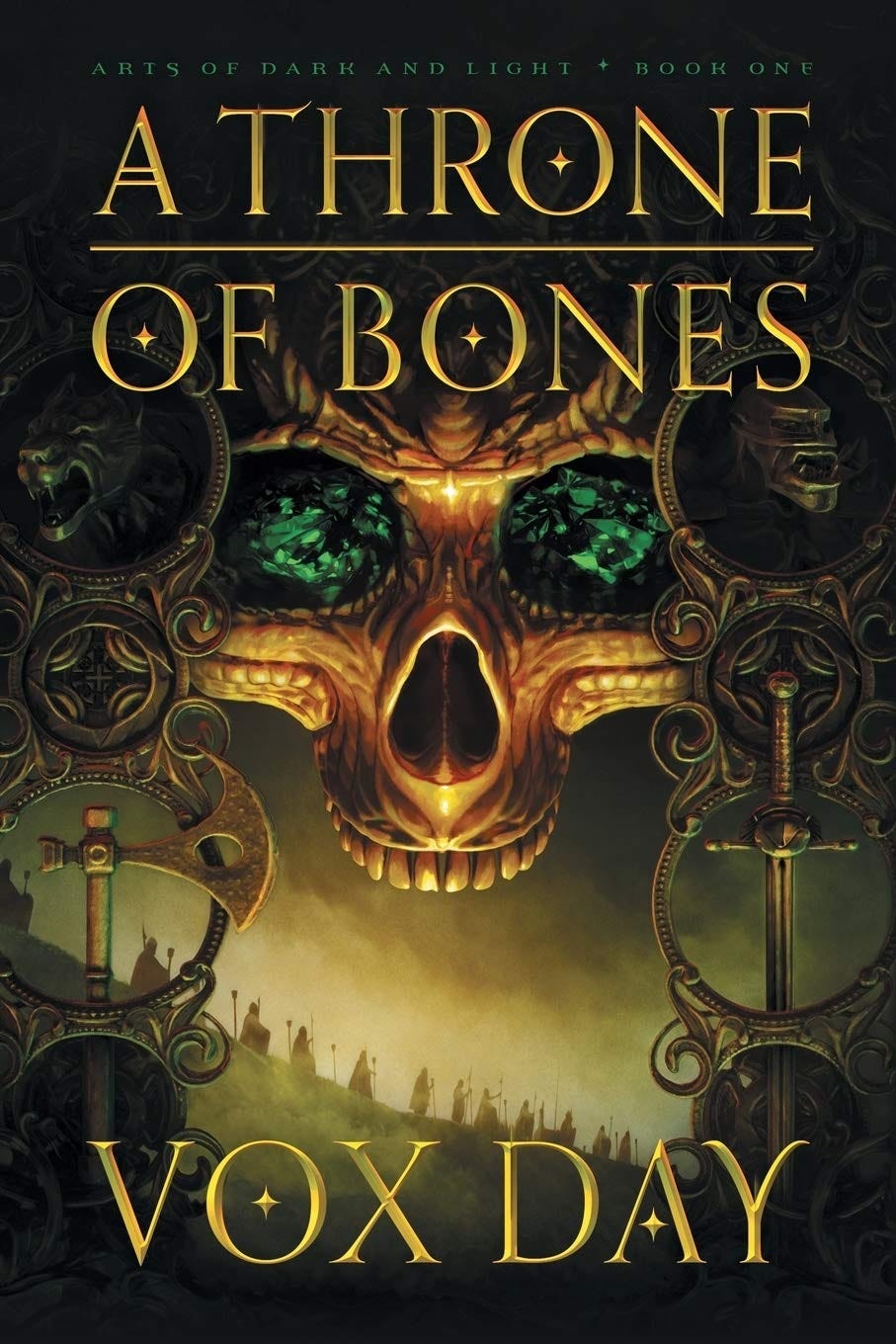
Epic Fantasy hasn’t been this hard-hitting since Tolkien. In a world where humanity is akin to a Roman legion, a great darkness arises. Read A Throne Of Bones today.
NEXT: Reclaiming The Shire: The Right Wing And Christian Soul Of The Lord Of The Rings (Part 5)
He also mentions in the Ghosts of Bangkok video that the AI audio is so bad that it will have to be produced separately from the video, an issue that I presume carries over to animation as well.
Kind of looks like a lot of the animation in Archer.