


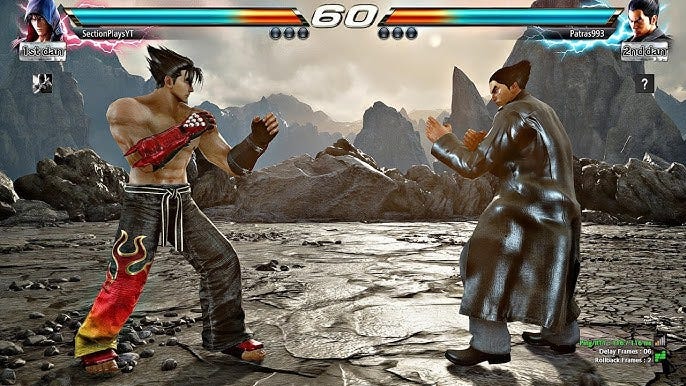
Kohei Ikeda, game director of Tekken 7 and Tekken 8, announced on June 1 that he has left Bandai Namco after 20 years. His statement: “I have officially left Bandai Namco Entertainment after many years with the company. Being surrounded by passionate and incredibly talented mentors and colleagues, and dedicating ourselves wholeheartedly to game development together, remains one of the most cherished experiences of my life. I have entrusted those values, and that baton, to the incredible team that will continue shaping the future of Tekken.”
Ikeda gave no reason for his departure.
He did not need to. The community already knew the shape of the story. One widely-shared X post captured the fan response: “We have dumbass suits running the company that don’t spare a second thought to their fanbase. Harada aired his frustrations in the SoulCalibur post from like 1-2 years ago.”
Ikeda’s exit is the third high-profile departure from Tekken leadership in six months. Katsuhiro Harada, the series producer who had been the public face of Tekken for over thirty years, announced his departure from Bandai Namco in December 2025 after 31 years with the company. Harada’s farewell statement included: “Harada_TEKKEN is completely dead.” In May 2026, Harada announced he had formed VS Studio at SNK as its CEO. Ikeda was Harada’s handpicked successor to lead Tekken 8’s ongoing development. He has now followed Harada out the door.

That leaves only Michael Murray as the remaining senior figure with long-term franchise knowledge. Bandai Namco has not announced a replacement for Ikeda. The community is already speculating that Murray may be the next to announce a departure.
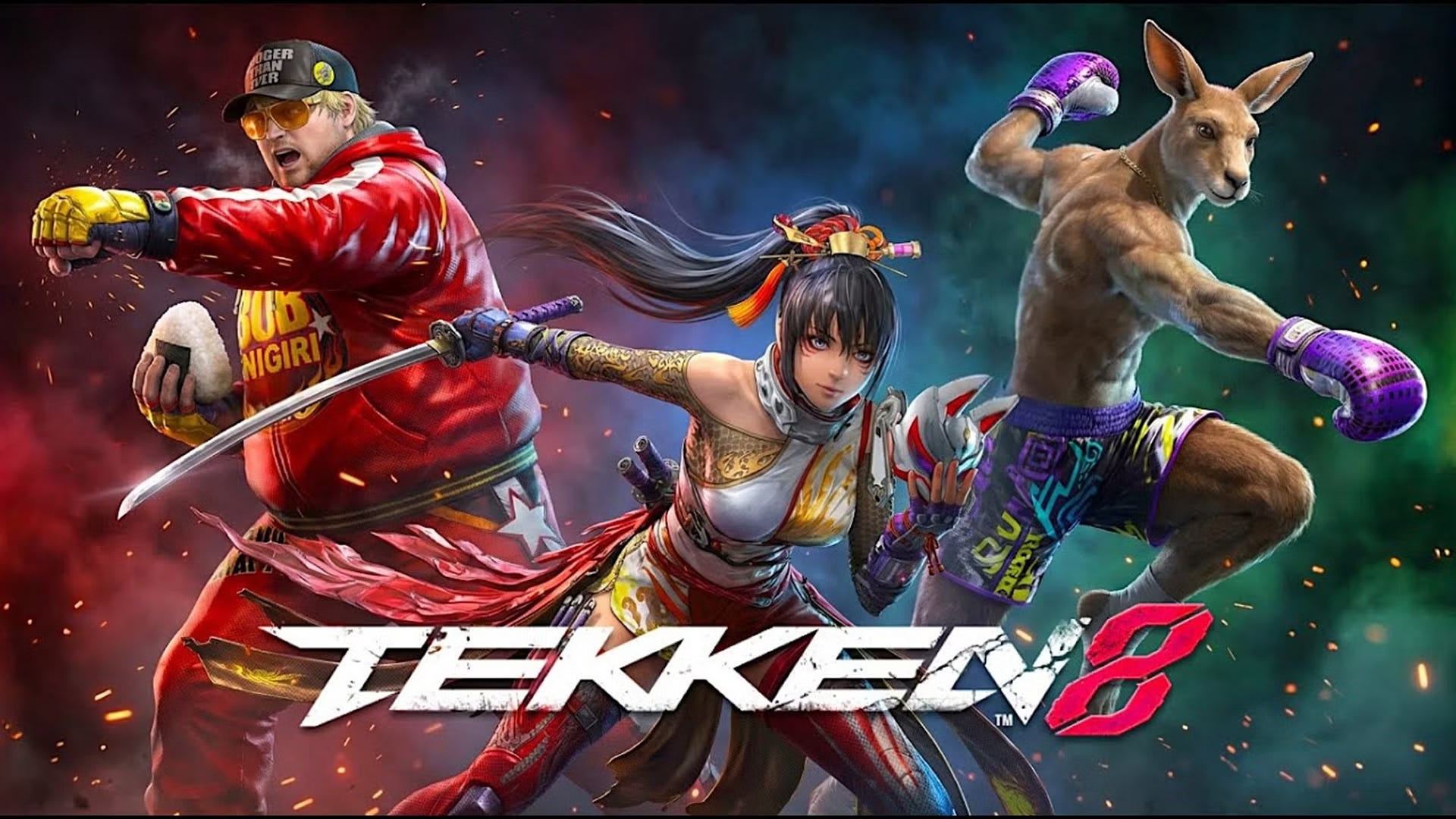
The story is similar to what we’re going through with a lot of brands as gamers. Tekken 8 divided its fanbase on launch. The game incorporated online monetization features the community resisted, introduced new characters that drew mixed reactions, and made design changes veterans of the series found unfamiliar. Harada, in statements made in the months before his departure, had made clear his frustrations with how the franchise was being managed at the executive level — frustrations that predated Tekken 8 and extended to decisions across Bandai Namco’s portfolio. His SoulCalibur comments, referenced in the community post, were widely read as a signal that the institutional priorities of Bandai Namco’s business leadership had diverged from what the creative team wanted to build.
The pattern extends well beyond Tekken. The last two years of the gaming industry have produced a consistent story across studios: the creative founders who built franchises from nothing depart, citing varying reasons, while corporate ownership retains the IP and the brand. Harada built Tekken over three decades. Stig Asmussen built the creative credibility behind Star Wars Jedi at Respawn and his Giant Skull studio’s D&D project was canceled by Hasbro before it was announced. Cory Barlog architected modern God of War and handed the franchise to a director the community is skeptical of. The people who know what the audience wants keep leaving. The suits, as the community put it, stay.
Bandai Namco’s statement at the time of Harada’s departure promised “more fights, more updates” for Tekken 8 throughout 2026. No creative vision was articulated. No replacement was named for Harada at the time. No replacement has been named for Ikeda now.
What does Tekken look like without the two people who made it what it is? Let us know in the comments.
The second book of The Secret Scrolls of Naruto shifts the action from the open roads and waterways of the Kamigata to the warren of Tokugawa-era Tokyo, where the conspiracy runs deeper, the villains are closer, and nobody can be trusted. Two killers strike a deal over saké: one will murder the swordsman-monk Gennojō, the other will claim the woman he has been hunting since Osaka. Underground chambers, a great urban fire, a swordfight in total darkness on a plum-scented path, a deathbed confession that transforms a pickpocket, and a midnight ambush at Sensō-ji temple — this is the book where Yoshikawa Eiji earns his reputation as the Alexandre Dumas of Japan.
NEXT: Shadiversity And Midnight’s Edge Fight Over Whether Masters Of The Universe Is Woke
Since Tekken 8 already sucks, I believe it will continue to suck.
More shit on the way.