


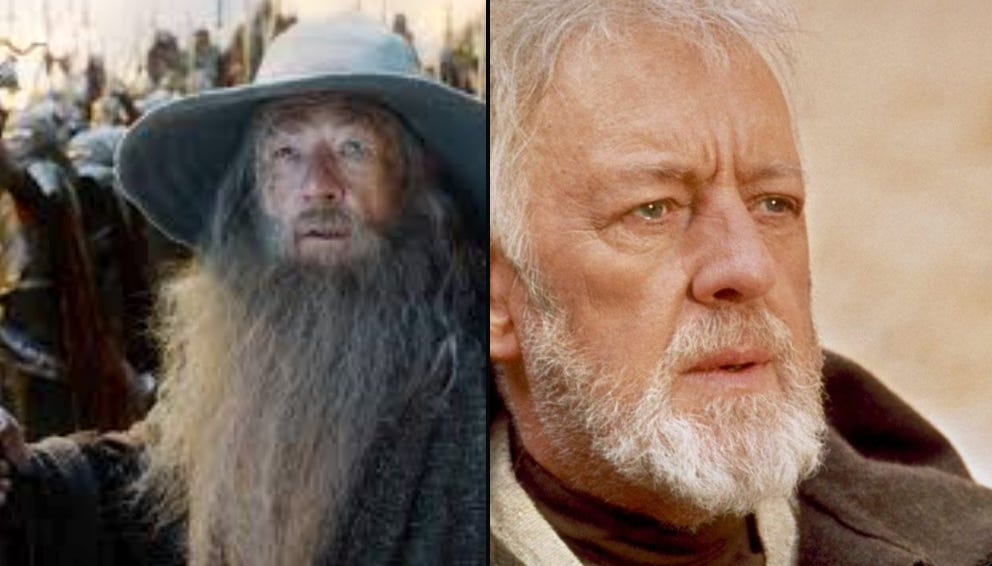
Ian McKellen gave an interview to The Guardian last week and, in passing, confirmed something the current generation of political celebrities has spent decades arguing against.
Alec Guinness, the man who played Obi-Wan Kenobi in the original Star Wars trilogy, took McKellen to lunch in the late 1980s specifically to advise him against his public advocacy work with Stonewall, the UK gay rights lobby group. McKellen had been active in pushing for normalizing of homosexuality to the British government.
Guinness disagreed with the approach.
“He had heard about my work to establish Stonewall – a lobby group to present to the government and the world at large the case for treating U.K. lesbians and gays equally under the law with the rest of the population,” McKellen told The Guardian. “He thought it somewhat unseemly for an actor to dabble in public or political affairs and advised me, sort of pleaded with me, to withdraw. Advice from an older generation, which I didn’t follow.”
McKellen did not follow the advice. Guinness was right about the principle behind his words, that actors using their celebrity platforms to drive political agendas damages the relationship between performer and audience.
The generation of actors working now has no interest in that distinction.
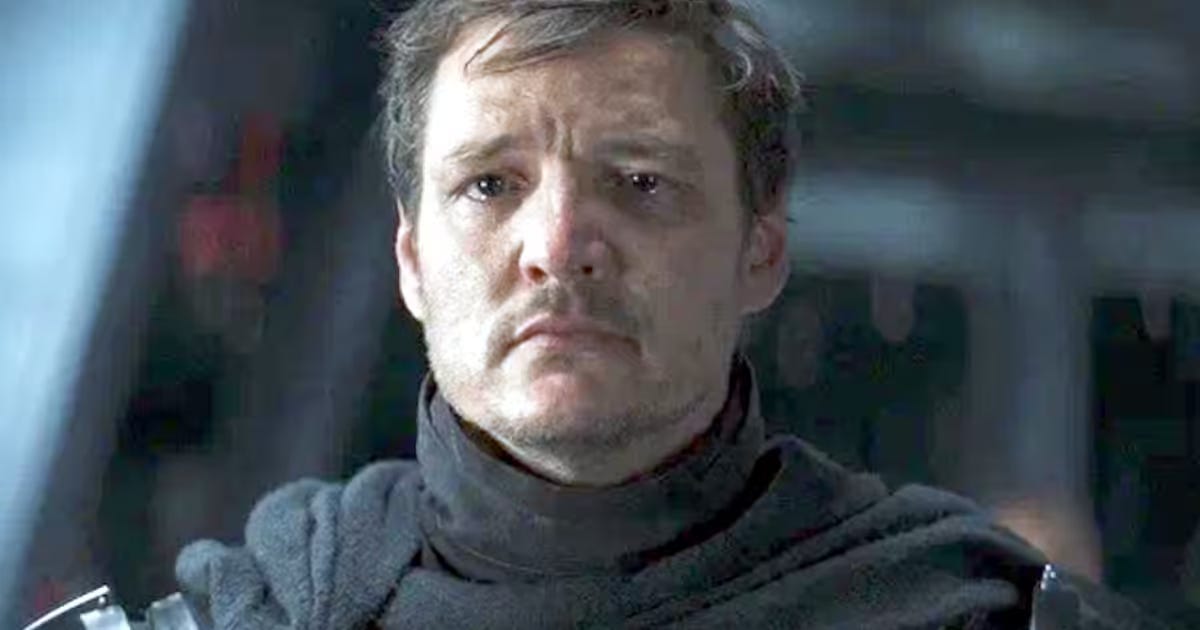
Pedro Pascal, who plays Din Djarin in The Mandalorian and Grogu, opening in theaters May 22, stood at a Cannes press conference in 2025 and delivered a political address. “F--- the people that try to make you scared,” Pascal told reporters. “Fight back. This is the perfect way to do so in telling stories. Don’t let them win.” He attended a “No Kings” anti-Trump protest in Los Angeles in October 2025, holding a sign reading “No Kings / Only Queens,” framing the sitting president as an authoritarian threat to democracy and LGBTQ people simultaneously. He has called J.K. Rowling a “heinous loser” over her position on trans issues.
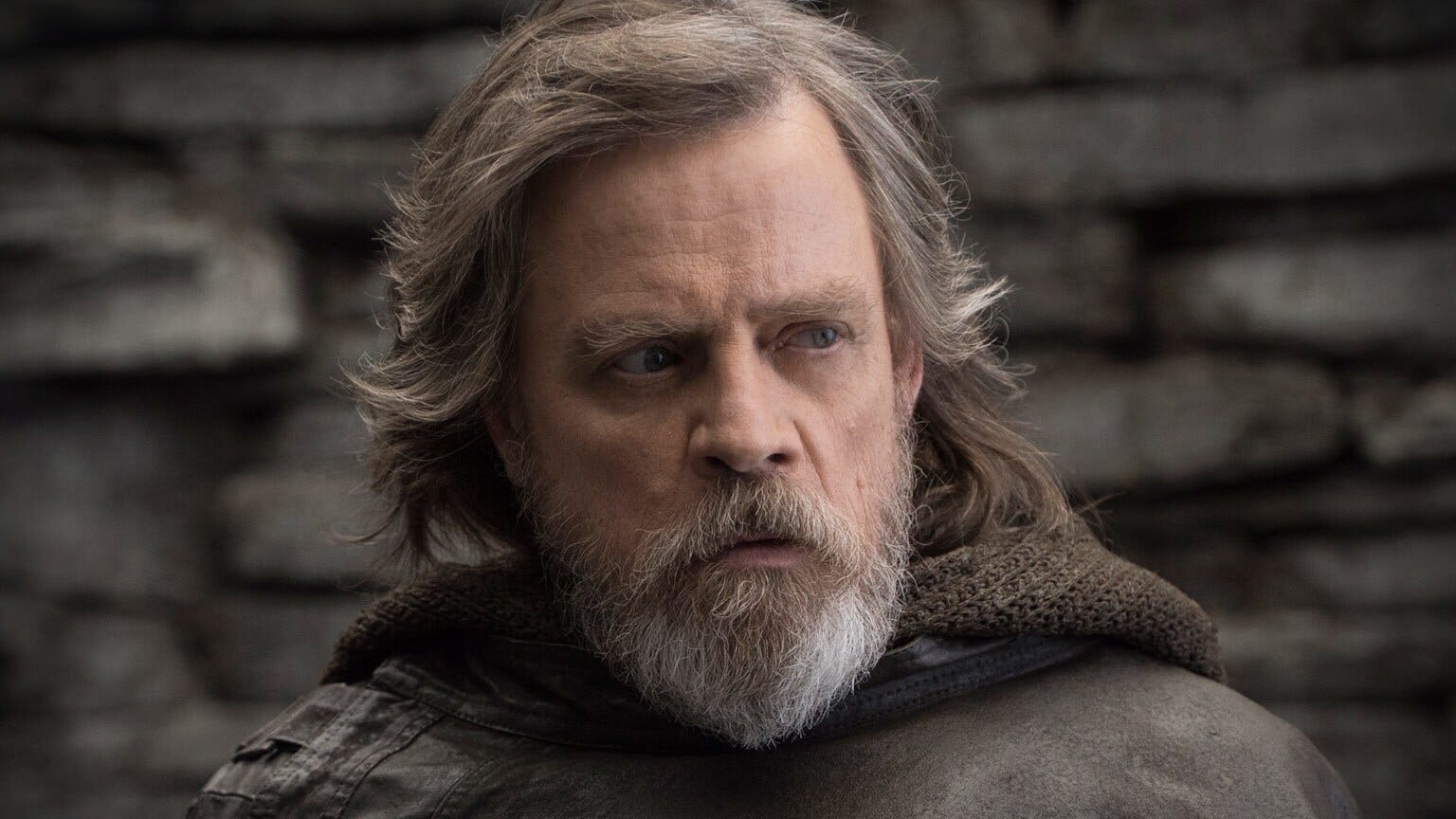
Mark Hamill, who built his career as Luke Skywalker, posted a photo of President Trump lying dead with the caption “If Only” on Bluesky, days after an armed man was federally charged for attempting to shoot Trump at the White House Correspondents’ Dinner. Fandom Pulse reported on the post and the White House’s response calling Hamill “a sick individual.” Before that: “Joe B-Wan Kenobi” campaign appearances, posts about Trump’s anatomy during the 2024 election, a Bluesky migration that lasted hours before he came back online, a social media fast during the inauguration that lasted eight hours.
Both men are the faces of the franchise that opens in 10 days and needs its best-ever theatrical opening to secure Star Wars’ future on the big screen.
The franchise is not positioned for that. The Acolyte drew the lowest Disney-era Star Wars viewership on record, cancelled after one season with no audience goodwill to speak of. The Mandalorian & Grogu is tracking at an opening that would be the worst live-action Star Wars debut since Disney acquired Lucasfilm in 2012. Nielsen data released for Star Wars Day showed not one sequel trilogy film in the top ten most-streamed Star Wars titles across all of 2025 or on May 4 itself. The audience the franchise needs to convert from streaming loyalists to theatrical ticket buyers is exactly the half of the country that Hamill and Pascal have spent years telling to go to hell.
Guinness made $3.25 million from his 2.25% gross participation deal on the original Star Wars, more money than he ever made from any other film. He reportedly hated the experience, found the material beneath him, and told Mark Hamill the film would not be very good.
What the franchise’s lead actor does politically is not separable from how audiences feel about showing up for the film he leads. The Mandalorian & Grogu is not hurt by Din Djarin’s politics. Din Djarin does not have politics. The film is hurt because the man playing Din Djarin stood on a stage at Cannes and told half the potential audience to fight back against their own president, then walked off stage to spend the next year at protests and on social media reinforcing that message, then let his co-star post dead Trump images two weeks before opening weekend.
Guinness asked McKellen to withdraw from political advocacy because he thought it unseemly for actors to dabble in political affairs. He was not arguing that McKellen’s cause was wrong. He was arguing that the celebrity platform was not the appropriate vehicle for the fight.
The current generation of Hollywood celebrities disagrees. The box office data is starting to form an argument in response.
Does Alec Guinness’s advice to stay out of politics apply to today’s Hollywood, or is there a meaningful difference between then and now?
Space marines on a holy crusade across the galaxy. If that sentence got your attention, Justified: Saga of the Nano Templar is your next read. Three books of relentless action Read Justified: Saga of the Nano Templar on Amazon!

NEXT: Martha Wells Goes to War Against AI, But Her Argument Has Some Problems
Sir Alec Guinness was a class act. He was correct in advising his fellow entertainers to keep their fat yaps shut and just perform. Tis a darn shame so few of them understand his message.
CIA/Mossad pushing "celebrities" to make anti-American propaganda statements is a self-defeating cycle of loss circling the toilet bowl...
Q said: "They thought you would follow the celebrities."
Why? Because the globalists who hate you also think you're stupid.