


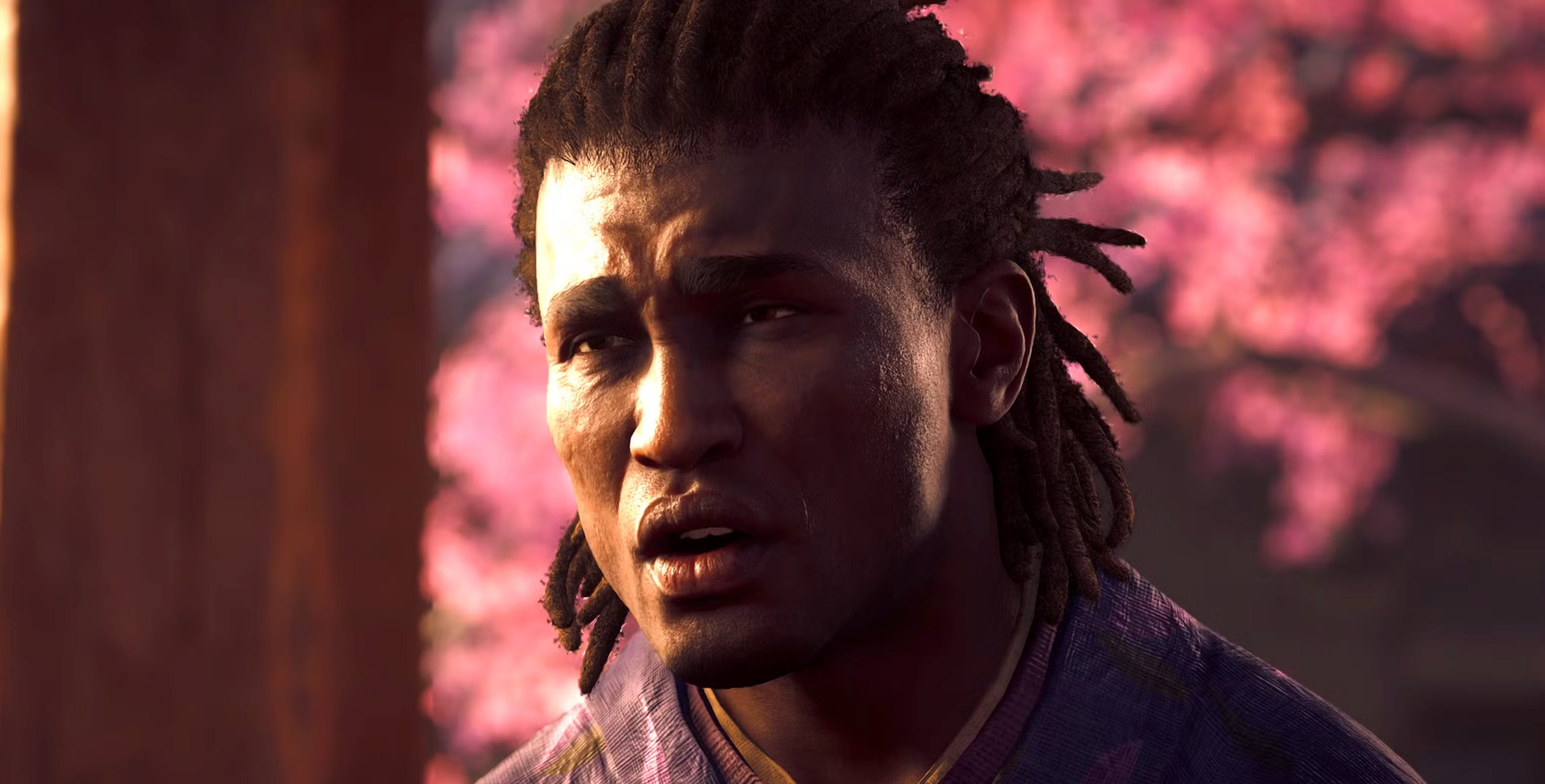
The Game Developers Conference released its 2026 State of the Game Industry report in January. The survey covered more than 2,300 industry professionals, and the headline number was stark: one in three American game developers lost their job in the past two years.
Globally, the figure sits at 28%. In the United States, it rises to 33%. Half of all respondents said their current or most recent employer conducted layoffs in the past twelve months.
At AAA studios specifically, two-thirds of respondents said their company had layoffs. The studios making the biggest games, with the largest budgets and the most corporate infrastructure, suffered the worst attrition.
The wreckage had already been visible for two years before this report landed. More than 16,000 game industry workers lost jobs between January 2023 and January 2024. The pace slowed somewhat in 2025, then picked up again. The 2026 list of studio closures and cuts includes Ubisoft’s multi-studio restructuring, Epic’s 1,000-person cut in March, Sony shutting down Bluepoint Games, and ongoing bleeding at dozens of smaller studios. Iron Galaxy announced up to 90 layoffs on April 17, its second round in two years.
The report puts numbers to what the people at the bottom of the industry have been living. One student respondent offered the sharpest summary: “There aren’t any jobs. Everyone’s getting fired.”
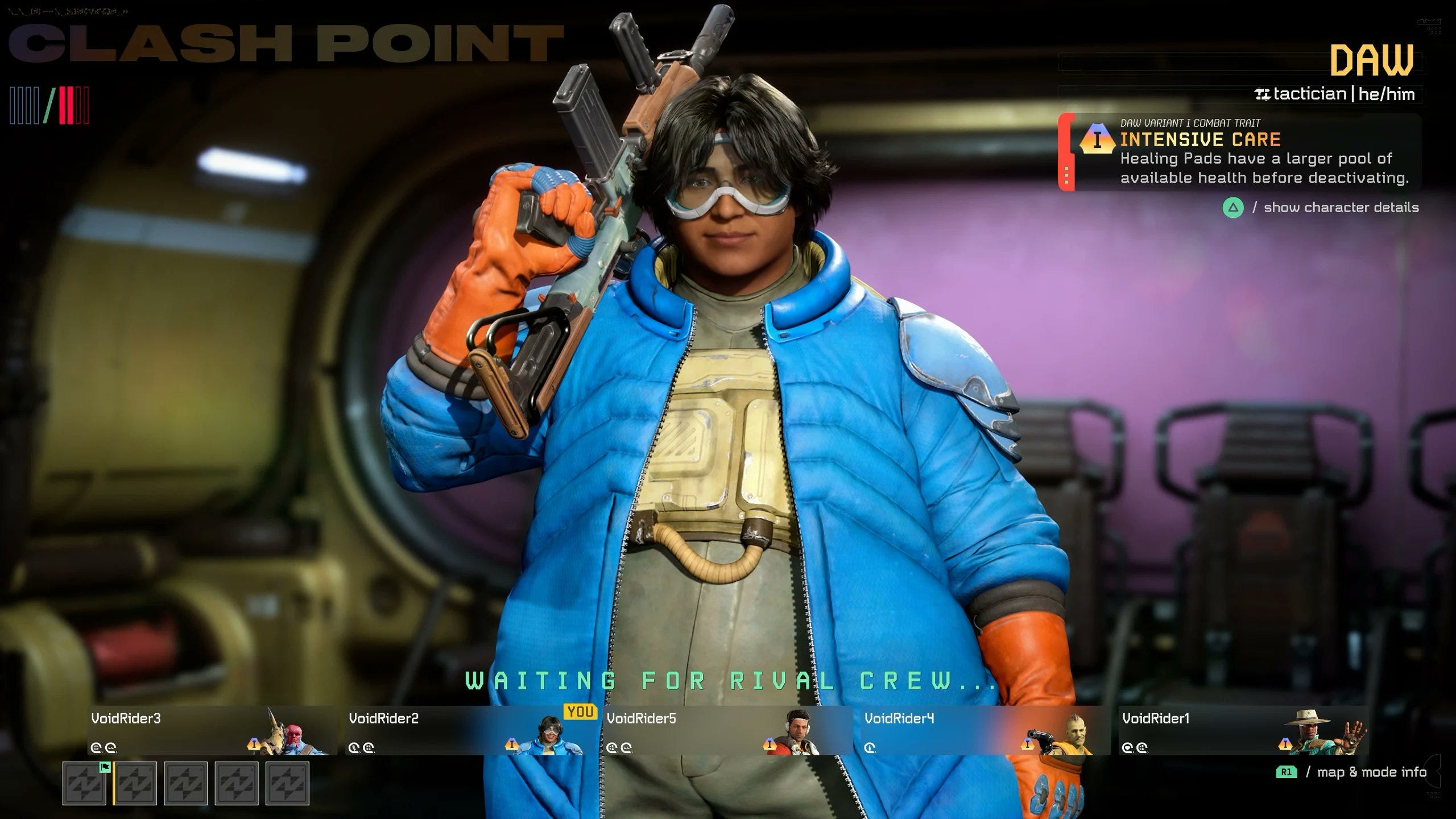
Three-fourths of game development students said they are worried about their prospects. Eighty-seven percent of game educators said they expect their students will struggle to find employment. The people teaching the next wave of developers do not believe there is an industry waiting to receive them.
The causes the report attributes to layoffs read like a post-mortem on an industry that spent four years making decisions no reasonable person could defend: restructuring (43%), budget cuts (38%), market conditions (38%), project cancellations (32%). Respondents themselves pointed to poor management as the primary driver.
The context that report carefully avoids providing: the same years that produced this body count were the years AAA publishers went all-in on live service games nobody wanted, DEI-mandated titles that alienated their core audiences, and inflated studio acquisitions driven by pandemic-era money that was never going to last. Dragon Age: The Veilguard. Concord. Dozens of canceled projects that burned through nine-figure budgets chasing trends instead of players.
Meanwhile, Sandfall Interactive released Clair Obscur: Expedition 33 with 30 developers and no corporate mandate. It sold six million copies. It won nine awards at The Game Awards. The French government knighted the studio.
The GDC survey asked developers about AI. Fifty-two percent now hold a negative view of it. The fear is that AI gives executives another tool to justify headcount cuts while offloading the consequences onto the workers. Given that Playtika cut 500 jobs in January explicitly citing AI-driven resource substitution, the fear is not theoretical.
The 2026 report is the accounting the industry’s leaders owe to the 45,000 workers who lost jobs between 2022 and mid-2025. The numbers say the crash was real, it is ongoing, and the next generation of developers is already deciding it is not worth entering. Whether the executives who made the decisions that produced these numbers are still collecting paychecks at those same companies is a question the report does not address.
What do you think about the state of the gaming industry?
Three free books. No spam. Just new releases, deals, and the occasional update from the front lines of independent publishing. Sign up for the Jon Del Arroz newsletter and start reading today.

NEXT: Pragmata Hits 1 Million Sales in Two Days While Activists Melt Down Over a Man Protecting a Child
Awwwww! Poor guys. Maybe they can learn to coal mine.
I guess they can just learn to code. Oh, wait... never mind.