



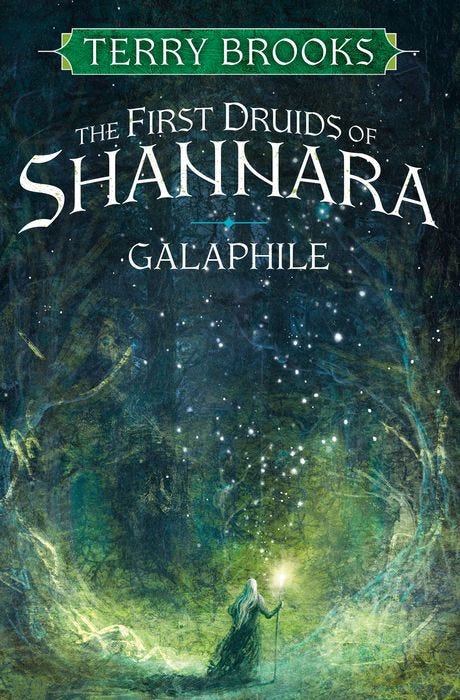
Terry Brooks announced earlier this month that he enter into a form of “semi-retirement” and announced that Delilah Dawson would succeed him in taking over his Shannara series, which he has been writing since 1968.
On March 9th, Brooks posted to his website, “I have decided to step back from my intense writing lifestyle and settle down into a form or semi-retirement.”
Next, he shared, “Beginning immediately, with the publishing of my new book GALAPHILE, I am stepping back in my author role and engaging help from another writer in steering the series in the proper direction with the necessary amount of care.”
He then detailed he “will offer what help I can with providing storyline ideas, revisionary plot suggestions and a thorough overview that will help my co-author to continue to give you the kind of book you would expect of me.”
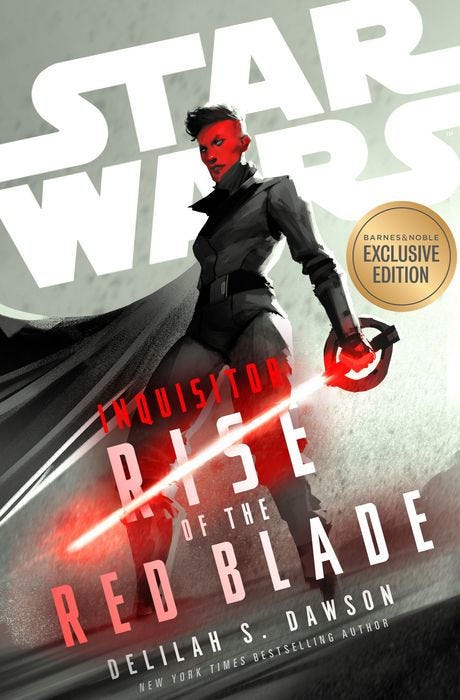
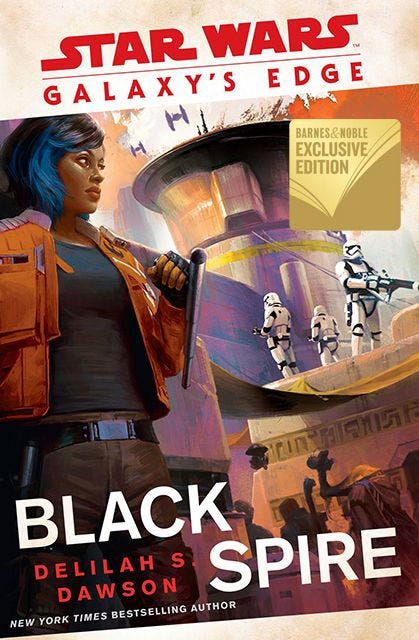
Finally, he revealed that the author is “Delilah Dawson, and she is a skilled professional writer and a delightful person. If you haven’t read any of her work to date, I encourage you to do so now.”
READ: Louis L'amour's Son Tackles Why Publishers Skew Female: "I Have Been Informed 'Men Don't Read'"
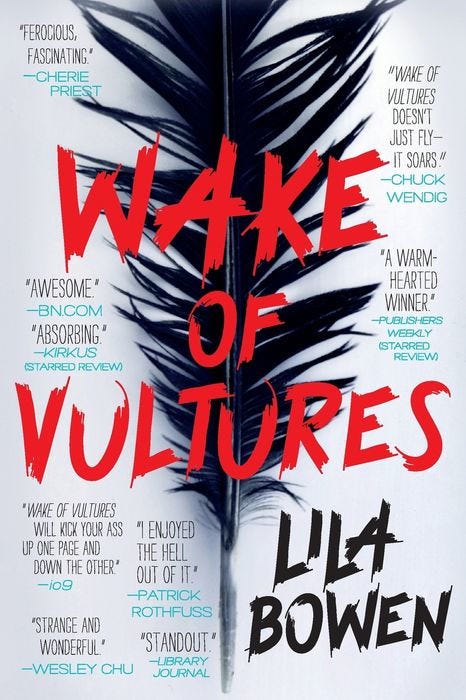
What Brooks does not share is that Dawson is a radical gender ideology propagandist, which she made abundantly clear in an interview with Uncanny Magazine while discussing her book Wake of Vultures.
She said, “Wake of Vultures (published as Lila Bowen) is about a trans, genderqueer, mixed race cowpoke in 1800s Texas who fights monsters. Most of my story ideas start with one trope I’m excited to flip like a table, and I knew from the start that I wanted Maria to see the negative side of her powers, that destruction wasn’t always the answer or the preferred outcome.”
“This was my #notallmen, because although I can lay claim to stalkers, a rapist, and a lifetime of catcalling and misogyny, all by men, some of my best friends are dudes, and my husband is the most amazing man I’ve ever met. I don’t hate men; I love men. I just want the ones who hurt women to explode in flames,” she elaborated.
Earlier in the interview, she also claimed the entire premise of her short story Catcall was based off a Twitter comment, “As with most things these days, it was a Twitter comment. I was all riled up, as I tend to get, and stated that if I had a superpower, it would be kicking the asses of dudes who make women uncomfortable by catcalling. And I realized that there was a story there.”
“Most of the specific instances in Catcall—the bar, the babysitting dad, the Calculus book, the football player, the coffee house guy—actually happened to me, almost word for word. Putting them on the page as fiction helped validate the way I felt each time someone with physical or emotional power over me made me feel small and helpless when I was younger,” she added.
READ: Fantasy Author Goes Viral Lambasting Bookstores: "It's All Chick Lit And BookTok Slop"
She went on to explain how the book was in reality a feminist manifesto, “Because every wronged girl deserves to blow shit up, even if it’s just in her mind. Every day of my life, the message I’ve gotten from society is that I’m supposed to be nice, that a woman should be quiet and well–behaved and well–liked and normal. This lesson compounds over the years until women feel that their voices don’t matter, that their complaints aren’t valid. That it’s better to remain silent.”
“Angry? You must be on the rag. Sad? You must be weak and eating ice cream in your sweatpants,” she continued.” Outspoken? You must be a lesbian, because that’s not feminine. I remember the first time I saw the movie Welcome to the Dollhouse, and I really connected with Dawn. Every time she’s angry, she’s not allowed to talk back, but she hears this fantastic RAGE MUSIC. Now, whenever I’m angry, I hear RAGE MUSIC, too. And Maria is that side of me, the one that screams back in her head that she’s allowed to own her anger, to cry in righteousness, and to speak anything in any way that she wants. When someone catcalls me, I see what Maria sees here: leaving destruction in my wake. But she makes it real. I’m a big fan of embracing your own darkness.”
What do you make of Brooks’ choice as successor?
This series died with Brooks. The end.
“I can lay claim to stalkers, a rapist, and a lifetime of catcalling.” Not sure I’m going to accept that one at face value. Sounds like a Juicy Smollet “MAGA country in Chicago at 2am” thing to me.