


The Science Fiction and Fantasy Writers of America is actively recruiting members for a class-action lawsuit against Anthropic AI, with the organization claiming victory in establishing that the company's training methods don't qualify as fair use.
SFWA sent members this message about the ongoing litigation:
This summer, SFWA and other members of the Authors Coalition of America (ACA) have been involved in legal proceedings against Anthropic AI, which was trained on books downloaded from pirate websites.
The good news for authors is that Anthropic is now going to trial so the court can determine the amount of damages they will be liable for because of their use of our pirated books.
The court has decided this is not fair use, and a class-action lawsuit is now underway.
SFWA is now being subpoenaed for contact information from past and present members. This data will be used by lawyers to contact potential participants who fit the definition for this class-action lawsuit, so they can receive monetary damages.
You can find a partial list of pirated books used for Anthropic AI here.
Please note that not every book is eligible for this class-action lawsuit through the Authors Coalition. Per the court ruling on a definition for this case, an eligible text will have been registered with the United States Copyright Office within five years of publication and before being downloaded by Anthropic from LibGen or PiLiMi, or within three months of publication.
As this unprecedented case develops, SFWA will share more resources with members to support authors in decision-making around the defense of their work.
We strongly encourage all writers to share word of this lawsuit with writers outside of SFWA and other writers’ advocacy groups. You do not need to be an active member of any writing organization to participate in this legal action. If an author’s work falls under the aforementioned definition, they may be eligible to join this class-action lawsuit.
Thank you for your attention to this matter—and watch your inboxes for more.
Sincerely,
SFWA’s ACA Commission & Board of Directors
The group concludes: "We strongly encourage all writers to share word of this lawsuit with writers outside of SFWA and other writers' advocacy groups. You do not need to be an active member of any writing organization to participate in this legal action. If an author's work falls under the aforementioned definition, they may be eligible to join this class-action lawsuit."
The lawsuit centers on Anthropic's use of books from Library Genesis and Pirate Library Mirror to train its Claude AI model. According to court documents, Anthropic accessed approximately seven million books from these piracy websites, potentially affecting hundreds of thousands of titles.
SFWA's membership consists largely of part-time writers who earn hobby-level incomes from short story sales to genre magazines. Many members publish only a few stories annually and rely on other professions for their full-time jobs. For these writers, AI represents a direct challenge to their limited market opportunities.
The organization frames this as copyright theft, but the legal reality is more complex. AI training involves processing text to identify patterns and relationships, similar to how humans learn language by reading. The key legal question is whether this constitutes transformative use or copyright infringement.
SFWA has shifted focus from traditional publishing advocacy to political activism in recent years. The organization now emphasizes diversity initiatives and social justice causes alongside copyright protection. This has alienated a lot of long-time science fiction writers who don’t want any part of their organization any longer, and their rabid anti-AI stance seems to be a last-gasp effort at relevancy.
The lawsuit's success depends on proving that AI training constitutes direct copying rather than transformative use. If successful, it could establish precedent requiring AI companies to license training data, potentially costing billions in damages and licensing fees.
However, the case also highlights tensions between established writers and emerging technology. Rather than exploring how AI might enhance creative processes, many SFWA members view it as an existential threat to their careers.
The organization's aggressive recruitment for the lawsuit suggests they see this as a make-or-break moment for traditional publishing models. Win or lose, the case will likely determine how AI companies approach training data in the future.
For Anthropic, the lawsuit is a test of their business model. The company has claimed that paying damages to all affected authors could bankrupt them, despite their $65 billion valuation and ongoing fundraising efforts.
What do you think about the legal battle between authors and AI companies over training data?
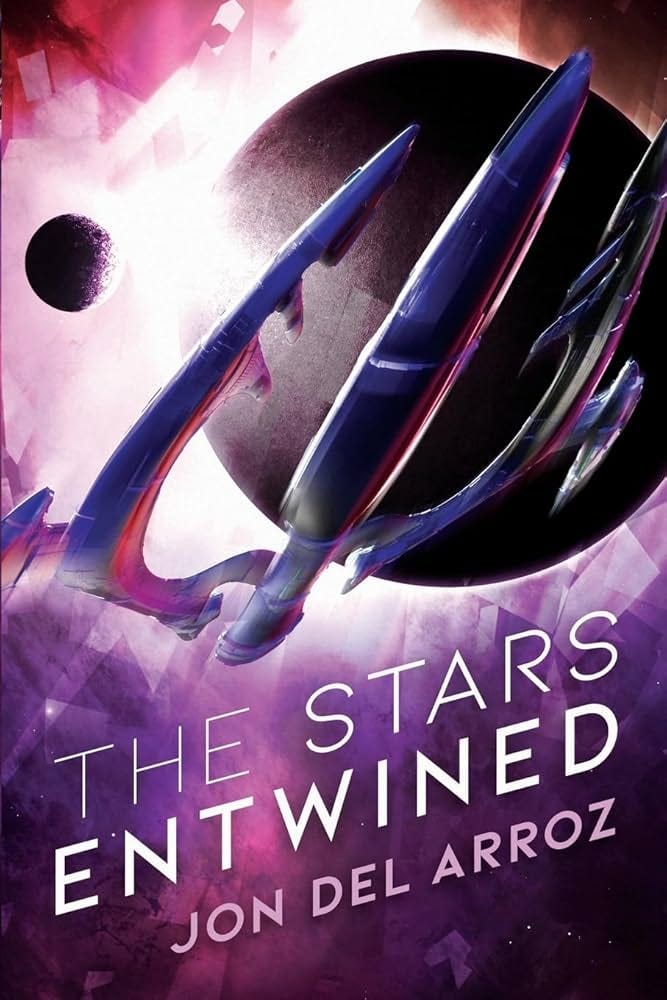
For a great alternative to mainstream science fiction with spy thriller action in a Star Trek feel, read The Stars Entwined on Amazon and support Fandom Pulse!
NEXT: Fantasy Author Michael J. Sullivan Blasts New Audible Program: "The Devil Is In The Details"
I'm a Life Member of SFWA since 1997. 32 of my books are in the eligible database.
And I support Anthropic 100 percent on this one. Training an AI on a book is no different than reading one.
Anthropic could devastate the SFWA officers and marginal memrrs by asking for short stories " in the style" or better, "with the language complexity," of those people. I will wager JDA another book purchase that the AI prepares a more readable product.