



Everyone mentions Firefly when discussing prematurely canceled sci-fi shows, but plenty of other series deserved longer runs. These seven shows proved that great science fiction television extends far beyond Joss Whedon's space western.
Space: Above and Beyond (1995-1996)

Created by Glen Morgan and James Wong, this military sci-fi series followed the 58th Squadron, a group of Marine fighter pilots thrust into desperate war after Earth faces attack from the mysterious alien Chigs. The show starred Morgan Weisser, Kristen Cloke, and James Morrison as pilots fighting for humanity's survival sixteen light-years from home.
Space: Above and Beyond delivered gritty space combat with genuine emotional weight. The series explored themes of sacrifice, brotherhood, and the cost of war without the sanitized approach of other sci-fi shows. Its realistic portrayal of military life combined with excellent special effects created something unique in 1990s television.
Ascension (2014)
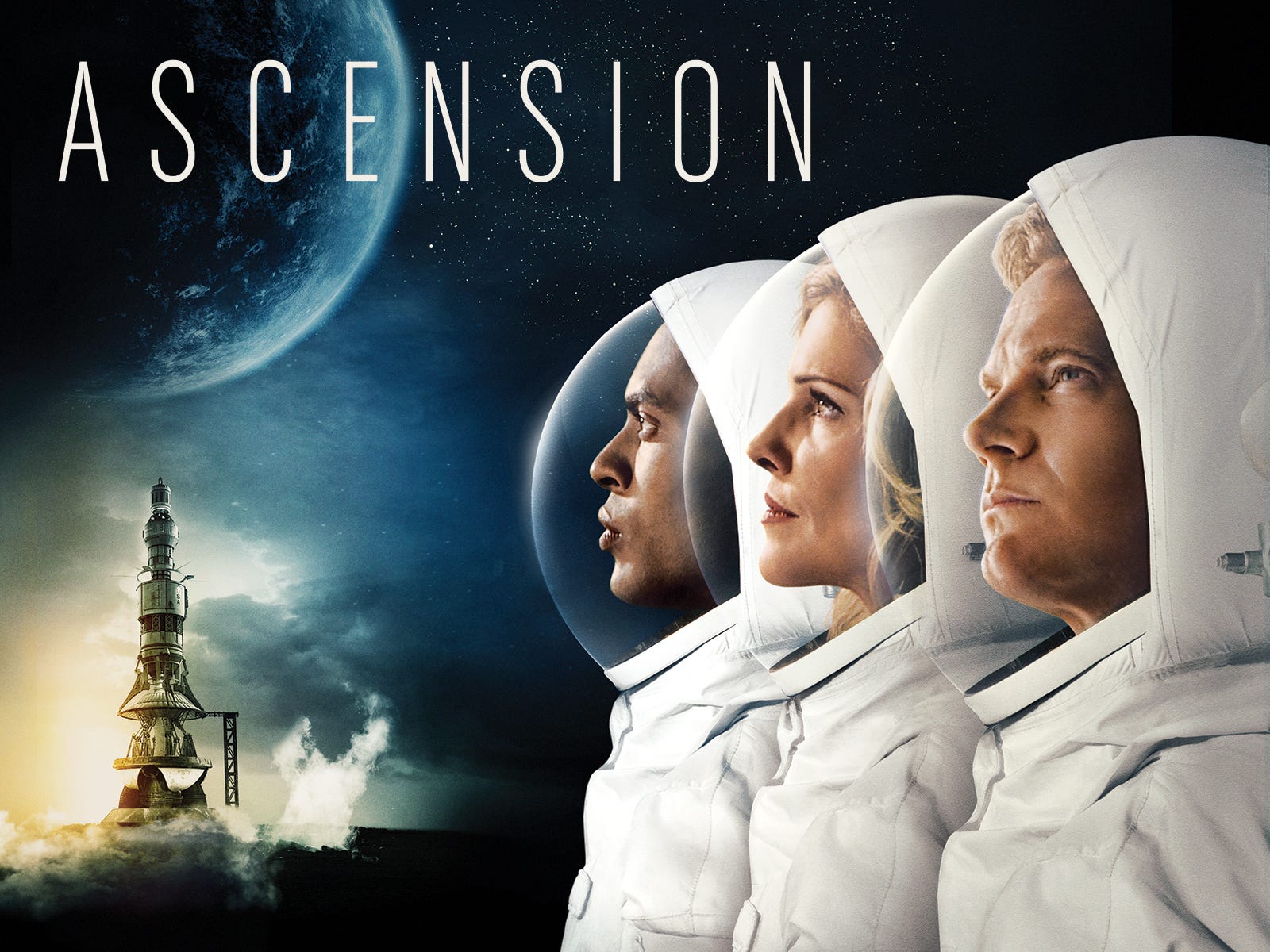
SyFy's Ascension appeared to follow the crew of a generation ship launched in the 1960s on a century-long voyage to populate a new world. Starring Tricia Helfer, Gil Bellows, and Brian Van Holt, the miniseries began as a murder mystery aboard the starship before revealing its shocking twist: the entire ship was actually a massive Earth-based simulation, with hundreds of people unknowingly serving as test subjects in a covert government experiment.
The revelation transformed what seemed like standard space opera into something far more sinister and compelling. The psychological implications of discovering your entire reality is fabricated, combined with the ethical questions surrounding such experimentation, provided rich material that deserved exploration beyond three episodes. Ascension's premise offered endless possibilities for examining identity, reality, and human nature that a full series could have developed into something truly special.
Legend (1995)

Richard Dean Anderson starred as Ernest Pratt, a hard-living dime novel writer in the 1870s constantly mistaken for his fictional hero, Nicodemus Legend. When scientist Janos Bartok uses the Legend persona to help townspeople with inventive gadgets, Pratt reluctantly assumes his character's role to fight injustice.
This UPN launch series combined Western adventure with steampunk elements years before the genre became popular. Anderson's charismatic performance and the show's clever premise deserved more than one season to develop its unique blend of historical fiction and science fantasy.
Crusade (1999)

J. Michael Straczynski's Babylon 5 spinoff followed Captain Matthew Gideon (Gary Cole) and the crew of the starship Excalibur as they searched for a cure to a deadly nanovirus plague threatening Earth. With only five years before the virus activates, the crew explored the galaxy seeking salvation.
Crusade suffered from network interference that forced Straczynski to compromise his vision, but the show's core concept remained compelling. The series explored post-war consequences and featured excellent performances from Gary Cole and Daniel Dae Kim.
Journeyman (2007)

Kevin McKidd starred as Dan Vassar, a San Francisco journalist who involuntarily travels back in time, altering lives while complicating his relationships with wife Katie (Gretchen Egolf) and former fiancée Livia (Moon Bloodgood). The show blended science fiction with family drama as Dan struggled to balance his "gift" with present-day responsibilities.
Journeyman's emotional depth set it apart from typical time-travel shows. The series examined how changing the past affects the present while exploring themes of love, loss, and second chances.
Debris (2021)
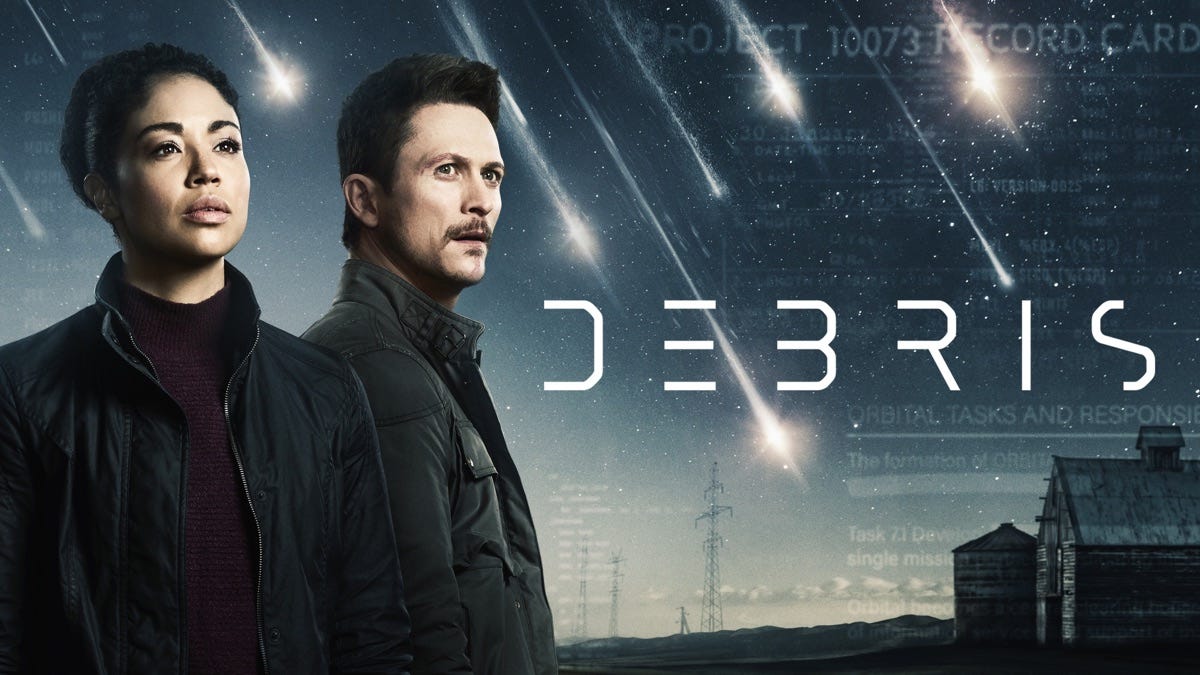
CIA agent Bryan Beneventi (Jonathan Tucker) and MI6 agent Finola Jones (Riann Steele) investigated mysterious effects caused by debris from a destroyed alien spacecraft falling to Earth. Created by J.H. Wyman, the series explored how alien fragments altered human behavior and reality.
Debris combined procedural elements with overarching mythology, creating a modern take on The X-Files formula. The show's exploration of trust between international agencies and the nature of alien technology deserved more time to develop.
Starhunter (2000-2004)

This Canadian series technically ran two seasons, but the second season completely reinvented the show. Season one followed bounty hunter Dante Montana (Michael Paré) and niece Percy (Tanya Allen) pursuing criminals while searching for Dante's kidnapped son. The original concept deserved continuation rather than the radical changes that followed.
Set in the late 23rd century, Starhunter blended space adventure with family drama as the crew confronted external threats and personal demons in a lawless solar system.
What other one-season sci-fi shows deserve recognition alongside these forgotten gems?
For a great twist on science fiction and fantasy, back the Jake Rendon Kickstarter: Elven Destiny today!

The very reason they were canceled, is because they were too good. This is how H-wood works.
If it doesn't push enough toxic message, it gets axed.
I feel like a broken record saying the same thing for fifty+ years and people still believe it's about accidental decisions or money.
Space Above & Beyond was friggin awesome! The kicker for me, I was working at Blizzard Ent at a cg artist, working on Starcraft 1 and Diablo. Nobody else there like the show cuz they thought it was too gritty!!! That pissed me off! I couldn't believe these twerps were making dark games and didn't like this show!!! Crazy!!!!!! I still haven't gotten over that! No one watched the show. I friggin loved it.