


A breakdown of the science fiction market circulating on Facebook this week attributed its analysis to Claude, the AI model. Whether or not the attribution is accurate, the framework it describes maps closely enough to the actual state of the genre to be worth examining on its own terms. The box office data it cites is real, even if the market share percentages are analytical estimates rather than sourced industry figures. So let’s run with the framework and fill in what the numbers actually say.
The post argued that sci-fi action and horror account for roughly half the genre’s output, with films like Alien: Romulus, A Quiet Place II, and M3GAN using science as a premise rather than a subject. The threat arrives. The protagonist survives or doesn’t. Science is the coat rack, not the story. That characterization holds. The ten highest-grossing sci-fi adjacent films of the last five years are almost uniformly threat-and-survival narratives. The genre’s commercial center has been action horror since the Alien franchise established the template in 1979, and streaming has only accelerated the trend by giving studios cheaper production windows for creature and synthetic threat premises.
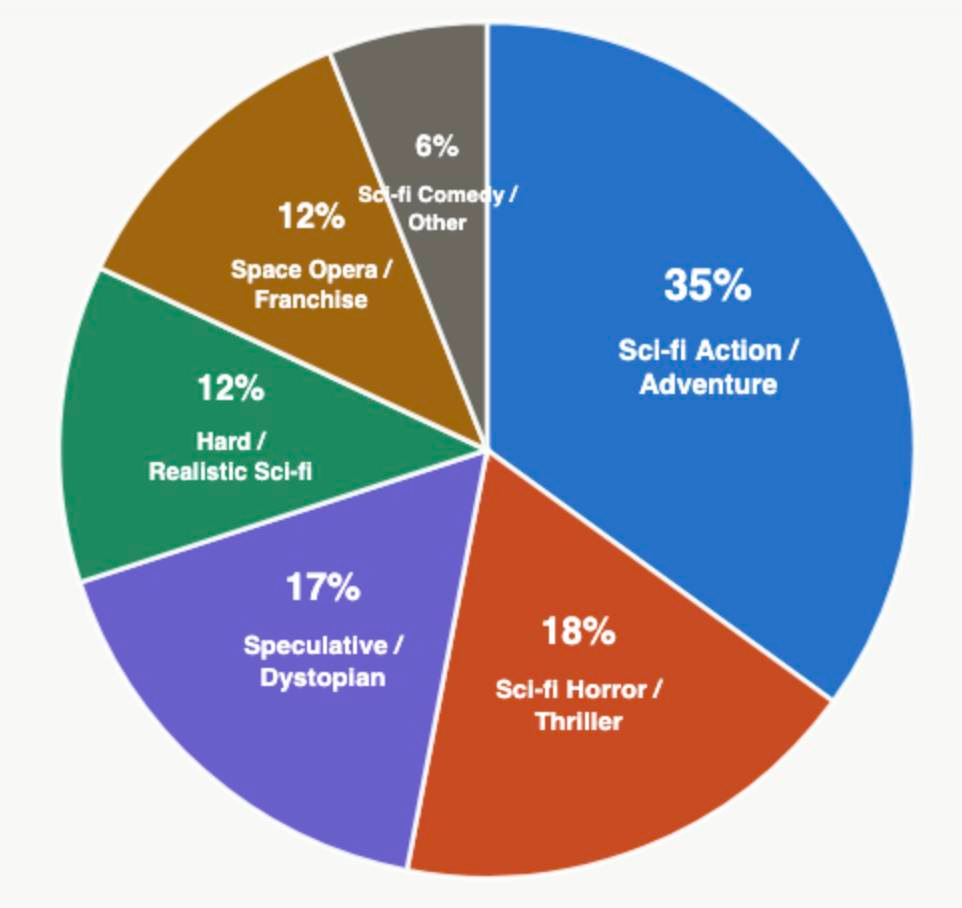
Speculative and dystopian fiction, which the post pegged at around 17%, is where critics have concentrated their attention. Severance, Dark Matter, and Black Mirror are the shows trade publications reach for when they want to demonstrate that prestige television still engages with ideas. The post is right that this category is the current home of the most critically respected work in the genre. It is also the smallest audience by raw numbers.
Space opera and franchise IP land somewhere around 12% on the post’s estimate, represented by Dune, Andor, and Foundation. Science is set decoration. The real draw is political intrigue, messianic arc, and spectacle. Dune: Part Two grossed $714 million worldwide on exactly that formula.
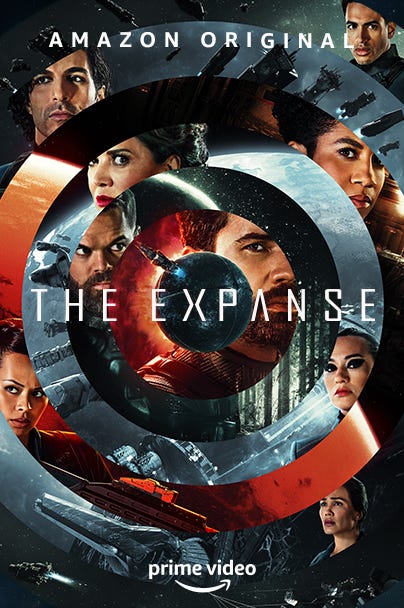
Hard science fiction, the post argued, accounts for only 10 to 15% of the genre, with The Expanse, Silo, For All Mankind, and Oppenheimer as examples. The observation about Project Hail Mary stripping out the novel’s scientific rigor for mainstream appeal is debatable — the film retained the core premise and the Rocky relationship more faithfully than most adaptations manage — but the broader point stands: science as protagonist is a small category that lives primarily on Apple TV+ and premium streaming.
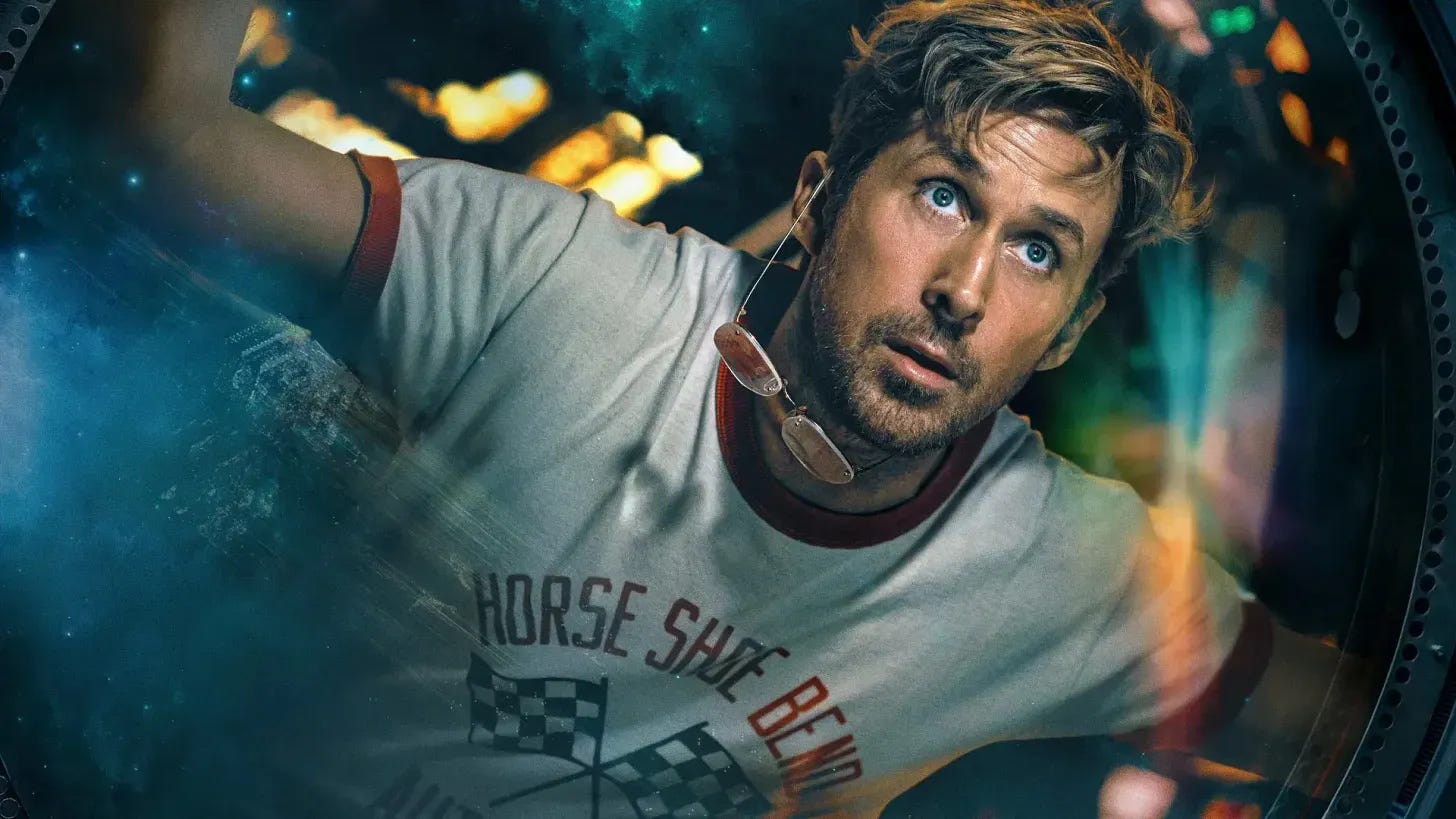
The box office data point the post cited is accurate with one correction. The $140.9 million figure is the worldwide opening weekend, not the domestic one. Domestic was $80.5 million, making it the second-largest domestic opening for a non-franchise film this decade, behind only Oppenheimer‘s $82.4 million in 2023. It set the record for the biggest March debut for a non-franchise film, breaking Jordan Peele’s Us, which opened to $71 million in 2019. IMAX alone accounted for $30.3 million worldwide, the biggest non-franchise IMAX opening in the format’s history outside of last summer’s F1. The film held at minus 5% internationally in its second weekend. By comparison, Interstellar dropped 21% in the same window and Dune dropped 48%.
Five weeks after opening, Project Hail Mary sits at $285 million domestic and $577 million worldwide, closing in on the domestic record for space films held by Inception. It is the highest-grossing original film Amazon MGM has ever released.
The question the Facebook post raises is the right one. When a film built around a scientist solving a hard physics problem with an alien he cannot directly communicate with outperforms franchise sequels and clears a third of a billion dollars domestically without a shared universe or sequel hook, it reveals something about what studios have been telling themselves. The conventional wisdom holds that audiences need IP recognition to buy a ticket. Project Hail Mary spent 36 million minutes on New York Times bestseller lists before filming started. Andy Weir is the IP. The science-as-protagonist premise is the draw. The film did not strip those elements out to reach a wider audience. It trusted them to be the wider audience.
Whether that lesson gets absorbed or ignored is the whole question. Oppenheimer made $952 million in 2023 on the same premise and Hollywood’s immediate response was not to greenlight more science-driven original films. It was to celebrate Oppenheimer as a Nolan anomaly while continuing to develop sequels and reboots. Project Hail Mary has done its part. Now the studios have to decide what they think it means.
Does Project Hail Mary change how Hollywood greenlights science fiction, or does the sequel conversation start before the film is even out of theaters?
When genetic engineering nearly doomed the species, humanity made a desperate bargain: let the frontier do what nature intended. In a harsh universe, these cadets have to make impossible decisions. Read Space Fleet Academy today.
NEXT: Superman: Man of Tomorrow Casting Call Excludes White Applicants