


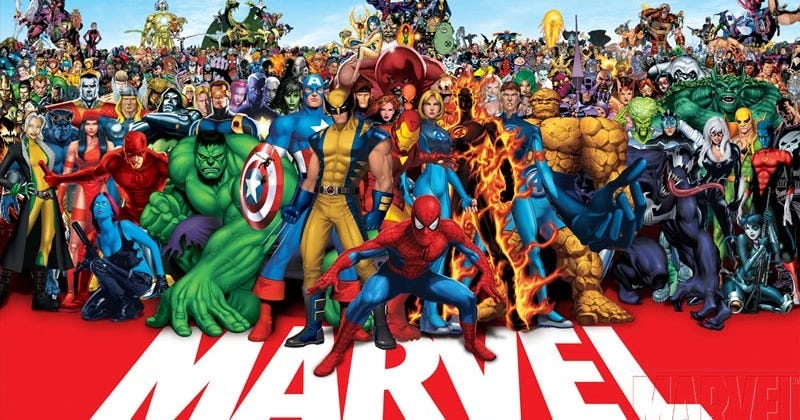
From July 2026, $4.99 is the minimum price for a Marvel single issue. Generation X-23 #6 is the only exception at $3.99, a distinction Bleeding Cool noted with barely concealed disbelief. Above that floor, Marvel’s July solicits show multiple titles at $5.99, with DNX #1 and the Marvel Swimsuit Special at $5.99 and Silver Surfer at higher still. Three years ago, the majority of Marvel’s line was $3.99. Todd McFarlane ran the math on what that trajectory means in practice: “For 20 or 25 bucks when we were younger, you used to be able to walk out of a comic book store with a pretty thick bag full of comic books. Now you can count them on your fingers.”
The price hike arrives into a market that Marvel is losing. DC held 34.7% of the direct market in Q1 2026 against Marvel’s 29.4%, per ICv2, a gap that didn’t exist a year ago when Marvel sat at 39%. DC has 31 titles at $3.99 in its July solicits. Image has 51. Marvel has one. The publisher raising its prices fastest is the one losing market share fastest.
Retailers and readers have been signaling this wall for years. One longtime reader on the Comic Book Page forum put it plainly: “I’m at a breaking point of enjoyment to price point. A 4.99 increase will probably mean even less comics a month.” James B. Emmett, until recently a senior editor at Mad Cave Studios, explained the industry-wide logic in a BleedingFool analysis: pricing is partly driven by a collector mentality that publishers have cultivated, partly by genuine print and shipping cost increases, and partly by publishers needing to break even on floppies when print runs keep shrinking.
That last point is the trap. Shrinking readership means smaller print runs. Smaller print runs mean higher per-unit costs. Higher per-unit costs require higher cover prices. Higher cover prices push more readers out. The cycle is self-reinforcing, and the only way out is growing the reader base faster than prices rise. Neither Marvel nor DC has done that in over a decade.
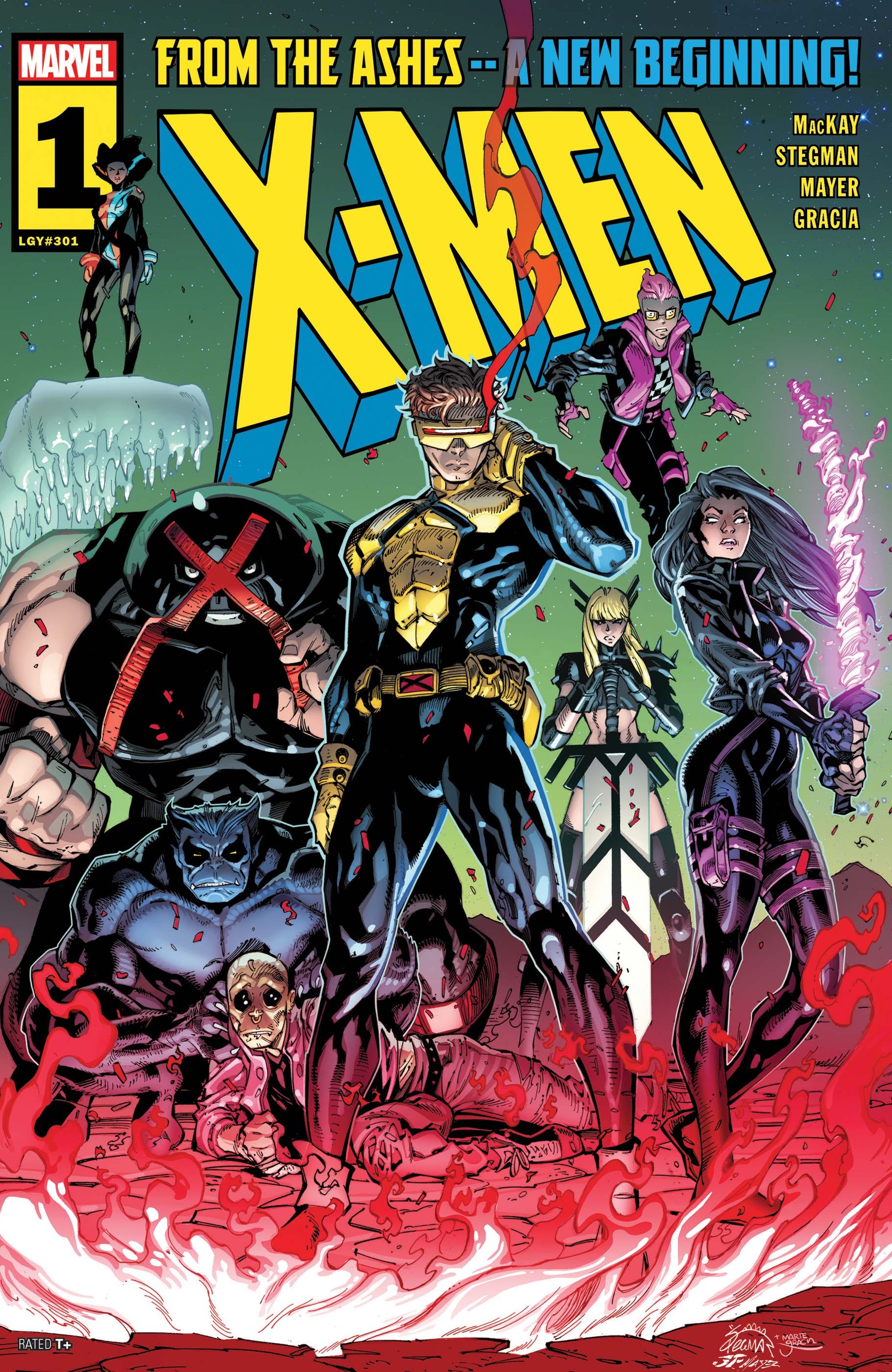
Marvel’s David Gabriel spent 23 years as SVP of Sales overseeing this trajectory before being let go in April as part of Disney’s broader layoffs. His departure was not paired with any announced strategic direction. The July solicits show a publisher still operating on the same logic: charge more for the same 32 pages from rotating creative teams, publish more #1 issues to spike first-issue sales, and cancel anything that doesn’t perform within six months.
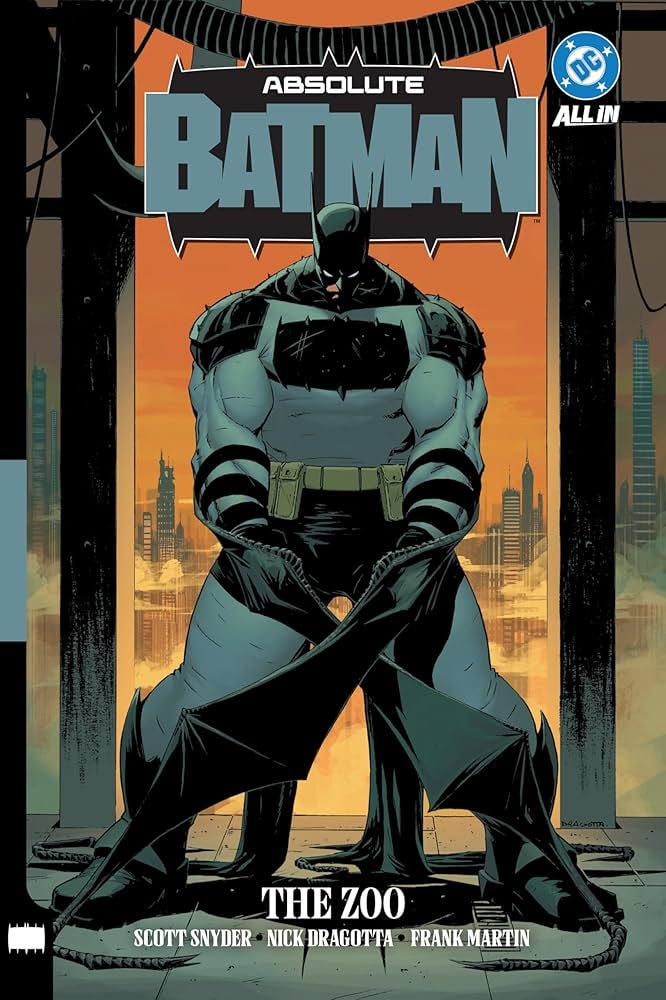
The comparison to DC is instructive but only goes so far. DC’s Absolute Universe titles priced at $4.99 and above have driven its market share gains — but DC has been disciplined about keeping 31 titles at $3.99 for readers who can’t or won’t absorb another price increase. DC’s dollar sales grew 18% between Q3 and Q4 2025 while Marvel’s dropped 13% in the same period. DC did it by giving readers something worth buying at a consistent price and keeping it on shelves. Marvel raised the floor and kept cancelling everything.
The convention circuit is also starting to show the strain. London Film and Comic Con just cancelled its entire 2026 program, citing rising costs and the economic uncertainty that is making it impossible to fly American guests to the UK. The show has run for 30 years. LFCC’s statement flagged “unfolding global issues, increasing energy shortages and rising cost of living” as reasons the show became unviable. These are the same pressures squeezing direct market readers: less disposable income, higher prices, fewer reasons to keep buying.
Free Comic Book Day split into two competing events this weekend. Diamond went bankrupt. Mad Cave laid off its entire senior editorial team in the past two weeks. Marvel is raising its floor to $4.99 while its market share falls and its readership ages out.
The comics industry has been here before. The 1990s speculation bubble produced price hikes, declining readership, and the Diamond distribution monopoly that eventually went bankrupt itself. The question now is whether publishers learn from that history or repeat it by extracting maximum revenue from a shrinking pool of buyers until the pool runs dry.
At what point does $4.99 per issue become the price point that finally breaks your pull list?
Three free books. No spam. Just new releases, deals, and the occasional update from the front lines of independent publishing. Sign up for the Jon Del Arroz newsletter and start reading today.
NEXT: DC Is Beating Marvel in Comic Sales — But the Real Story Is That the Industry Is Shrinking
Comics are $5. Some magazines are $15. Print media is putting itself out of business.