


J.J. Abrams is downsizing Bad Robot. The production company he founded in 1999 is closing its Los Angeles office, moving operations to New York, and cutting staff across the board. At its height the Bad Robot building had hundreds of people working inside it, including members of its in-house visual effects company, Kelvin Optical. The company sold its longtime Santa Monica headquarters for $31 million in November and had been shedding employees for years already. What remains is a smaller outfit working under a diminished deal with Warner Bros.
In 2019, WarnerMedia won a bidding war for Bad Robot with a five-year overall deal estimated at $500 million, structured to allow Abrams to sign other writers to overall deals and position Bad Robot as a mini studio that would incubate the next generation of storytellers. Five and a half years later, Warner Bros. does not have much to show for it. Bad Robot failed to reach the financial and output benchmarks that would have triggered the full $500 million value. The deal dropped from that rich overall agreement to a more modest first-look pact at the last renewal in December 2024.
This is the closing chapter on a creative philosophy that did measurable, lasting damage to two of the most valuable science fiction franchises in history.
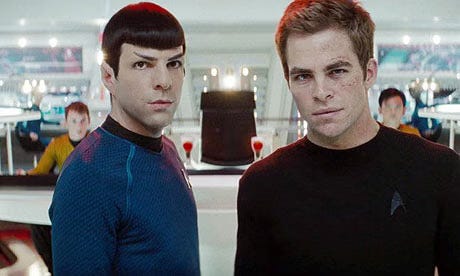
Abrams got his hands on Star Trek in 2009 with the reboot that raced through lens flares and nostalgia bait while hollowing out everything that made the original series worth caring about. The 2009 film was a fun action movie wearing a Star Trek costume. Into Darkness misunderstood Khan so thoroughly it suggested nobody in the room had actually watched The Wrath of Khan with full attention. The reboot trilogy chased spectacle while Roddenberry’s foundational premise, that a hopeful, rational, diverse humanity could solve its problems through intelligence and cooperation, sat in a drawer. Abrams did not make Star Trek films. He made Star Trek-flavored action films, and the distinction matters enormously.
Then came Star Wars. The Force Awakens was a structural remake of A New Hope dressed in new character suits. Abrams got audiences back in the seats on the strength of 30 years of goodwill and returned nothing in exchange except the promise of answers he had no intention of delivering. When he came back for The Rise of Skywalker after Rian Johnson’s The Last Jedi had burned the sequel trilogy’s internal logic to the ground, the result was a film so desperate to please everyone simultaneously that it pleased almost no one. “Somehow Palpatine returned.” Four words that summarized an entire filmmaking approach built on spectacle over structure, mystery boxes over payoff, and franchise exploitation over storytelling craft.
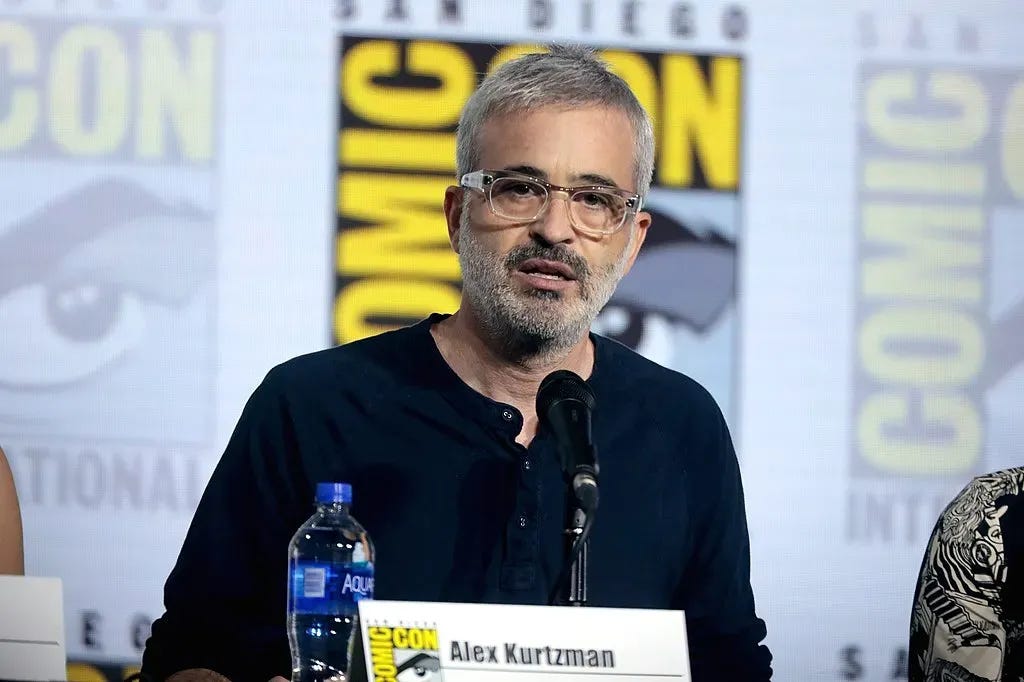
The deeper damage was institutional. Abrams brought Alex Kurtzman with him as a writing partner on the 2009 film, and when Bad Robot moved on from Star Trek, Kurtzman stayed behind. CBS Studios signed Kurtzman and his Secret Hideout production company in 2016 to run the Star Trek franchise, a relationship that eventually grew into a nine-figure overall deal running through 2026. He was Abrams’s protege, trained in the same school of thought, and he applied those lessons to ten years of Star Trek television with predictable results. Dark aesthetics, serialized storylines with no satisfying resolution, characters defined by trauma rather than competence, and an unbroken hostility to the optimistic adventure premise that built the franchise’s audience over five decades.
Every show Kurtzman produced is now canceled, ending, or wrapped. Discovery is done. Picard is done. Lower Decks is done. Prodigy bounced off a cancellation at Paramount and found refuge at Netflix. Starfleet Academy got canceled before its second season aired. Strange New Worlds, the one entry in the Kurtzman era that most closely resembled actual Star Trek, is filming its final season. According to reporting from Tachyon Pulse Podcast, Paramount formally withdrew the offer previously on the table for Secret Hideout following the disastrous reception of Starfleet Academy, effectively pulling the tentative deal that was never particularly generous to begin with.
The contract runs at least through July for post-production obligations, so Secret Hideout has not formally exited yet. Sources indicate Skydance has had no conversations with Secret Hideout about renewing the deal, with one source noting: “They’ve not asked for any projections or had any sort of conversations with Secret Hideout about renewing the deal. I’m told they’ve had none.” The silence is the answer.
The pattern connecting Bad Robot’s collapse to Secret Hideout’s likely exit is not coincidental. Both operations were built on the same bet: that intellectual property recognition could substitute for storytelling discipline, that audiences would keep coming back to beloved brands regardless of what was actually on the screen. Warner Bros. paid nine figures to find out that bet was wrong. Paramount paid a similar price over a decade of declining viewership and franchise erosion.
The era Abrams built is ending. The question for both Star Trek and Star Wars is whether the studios understand why it failed, or whether they will hand the keys to the next version of the same approach and wonder why the audience does not return.
What do you think the future of Star Trek looks like under Skydance without Kurtzman? Let us know in the comments.
Survival of the fittest just became a lot more dangerous. Space Fleet Academy Year Two delivers the hard sci-fi action Paramount refused to give you with Starfleet Academy. That’s why we’re still here while the show is gone. Read it today!

Both ST and SW need to be retired and brand new content needs to be created.
The future of Star Trek is dimmer.
Understand that Star Trek might be resurrected under another producer, but the goal will be the same: AGENDA MESSAGE.
Until the IP gets sold to someone who cares, the owners will continue with business as usual: MESSAGE. They'll just be hoping for better reception under a new producer.
Can the fan-base be fooled for the 9th time? They've been fooled 8 times before...