


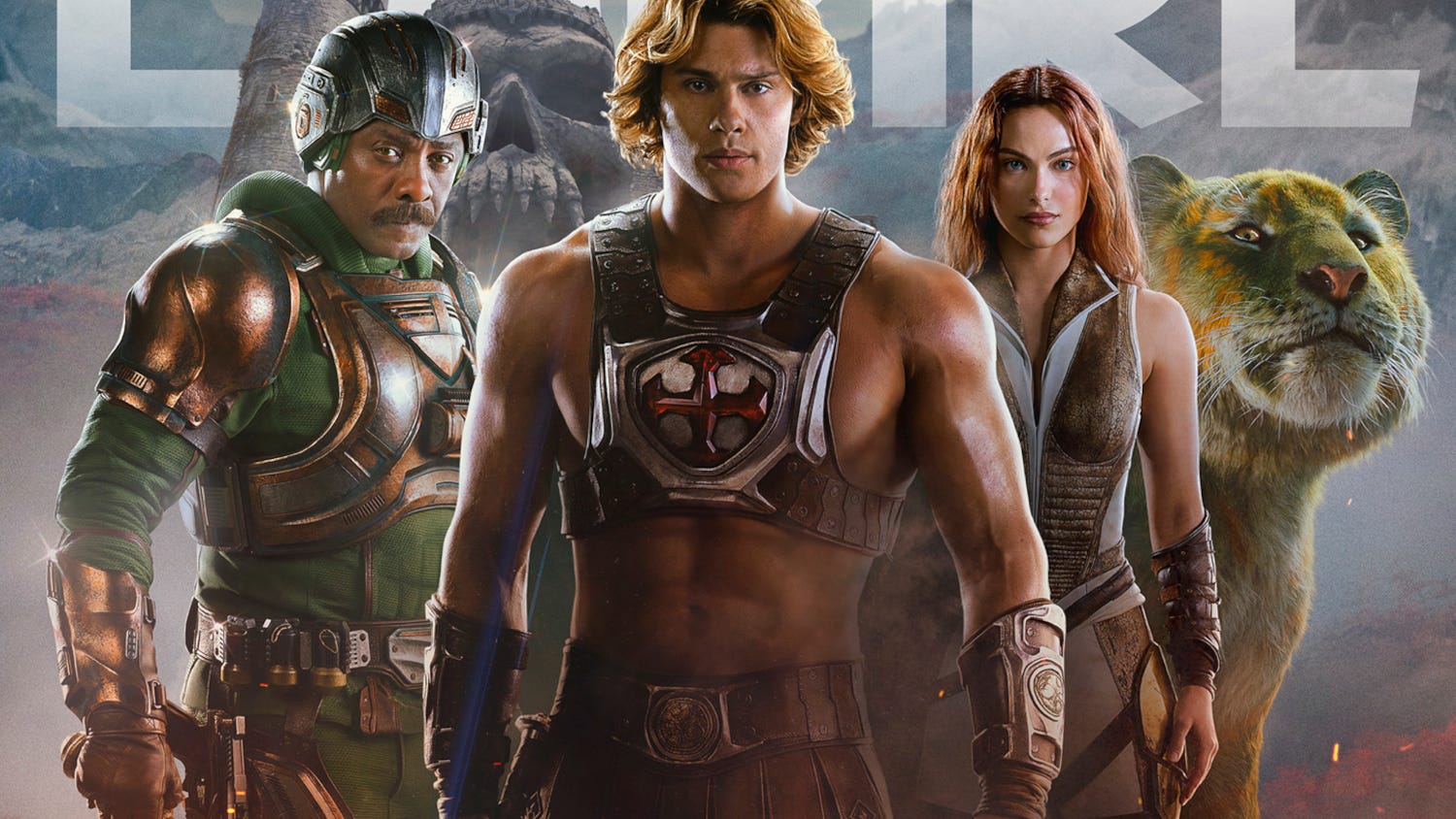
Jack Posobiec spent this week urging fathers to take their sons to the new Masters of the Universe film, then to go home afterward and put on the original 1983 cartoon. His argument, laid out in a Human Events column and a thread on X, is that He-Man represents something Western boys have been systematically denied for years: an uncomplicated model of masculine strength used in service of protecting others.
“For years, boys in the West have been starved of positive depictions of masculinity,” Posobiec wrote. “Children’s media, schools, and popular culture have operated under a feminism-based framework that treats traditional male strength, heroism, and agency as problems to be solved rather than virtues to be cultivated.”
He calls this dynamic “the Longhouse” — a term for the cultural environment dominated by safetyism, consensus-seeking, and the constant policing of what gets labeled “toxic” male energy. His point is not that emotional intelligence or cooperation are bad things. His point is that an entire generation of boys has grown up with almost no media that simply lets them be strong, decisive, and unapologetic about defending what matters. He notes, correctly, that even a wildly popular kids’ game like Among Us resolves conflict through committee vote rather than direct confrontation. That is a small detail, but it is the kind of detail that adds up across a childhood.
He’s right, and the history of He-Man as a character actually supports his argument better than most people realize.
Posobiec made a specific claim that turns out to be true: Mattel veterans have said the phrase “I have the power” originated from watching young boys play with the prototype toys and listening to what they said while role-playing with them. The line was not handed down from a marketing committee chasing a slogan. It came from boys themselves, claiming power through imaginative play, and Mattel built the franchise’s signature catchphrase around what those boys were already doing.
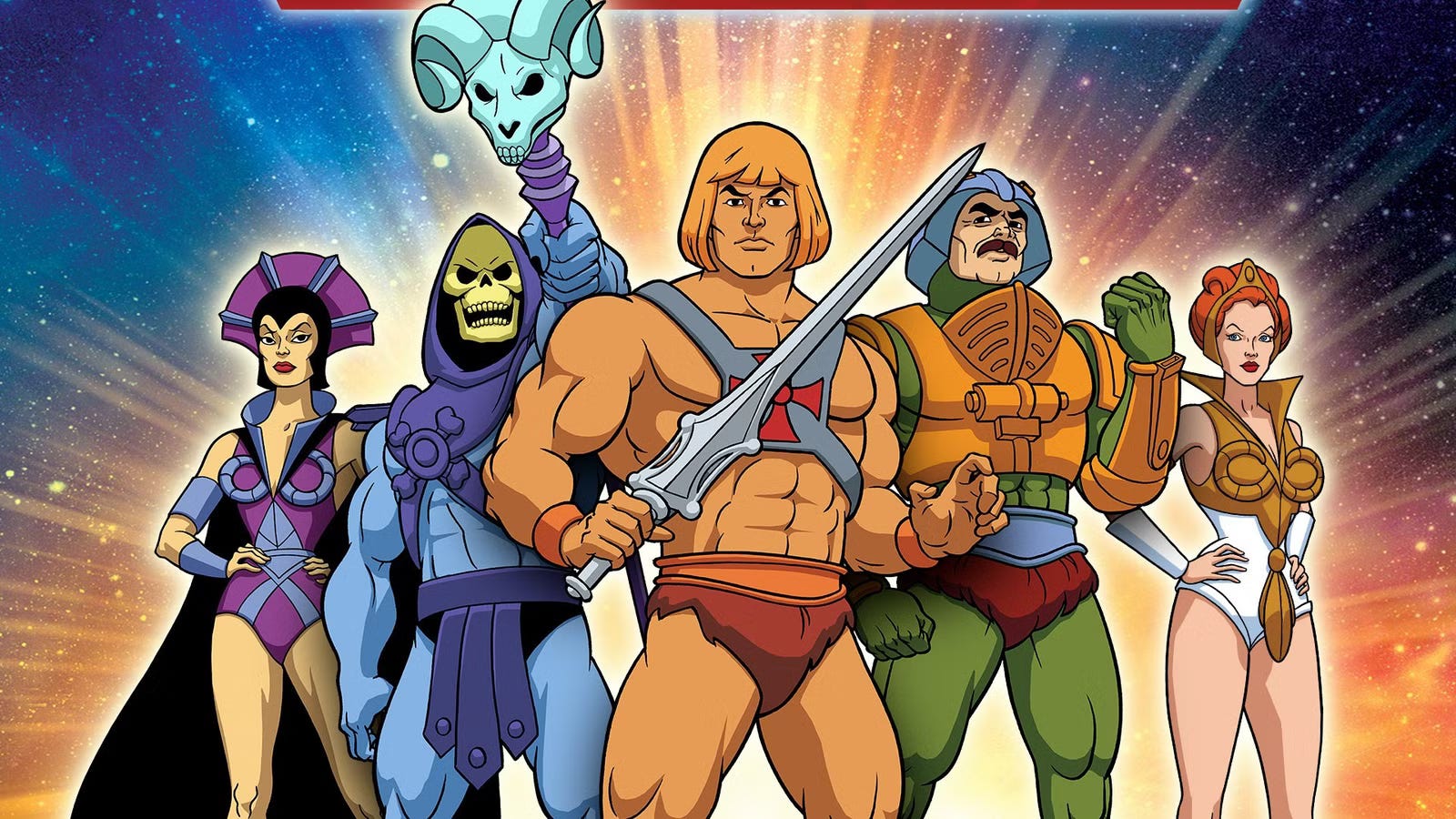
The character’s design lineage backs up the masculine-archetype reading as well. Mattel toy designer Roger Sweet has said he drew direct inspiration from the paintings of Frank Frazetta — the artist whose work defined the visual language of Conan the Barbarian. The connection was close enough that Conan’s rights holders actually sued Mattel in 1984, claiming He-Man was simply Conan in a blond wig. The case was dismissed; the court ruled that heroic, muscular archetypes going back to Hercules and Beowulf cannot be copyrighted. But the lawsuit itself confirms what kind of figure He-Man was always meant to be: a continuation of the oldest tradition in Western storytelling, the physically powerful man who uses that power to protect rather than dominate.
He-Man debuted in 1982 as a toy line, then became the Filmation cartoon that ran 130 episodes across two seasons starting in 1983. It became one of the most successful animated properties of the decade specifically because it gave boys a hero who did not deliberate, did not seek group approval, and did not treat his own strength as a problem requiring resolution. He protected Eternia. He fought Skeletor. He won because winning against evil was understood as a good and uncomplicated thing to do.
Posobiec’s larger argument is that modern children’s media has largely abandoned that model in favor of stories that deconstruct traditional heroism, lecture young audiences about privilege, or replace direct confrontation with negotiated consensus. He is describing something real. The pattern shows up across nearly every major franchise this site has covered over the past several months: legacy male heroes sidelined in favor of mandated diversity casting, villains softened into misunderstood victims, and conflict resolution increasingly modeled on therapy sessions rather than courage under pressure. Boys notice this. They notice when the stories made for them stop trusting them with stories about winning.
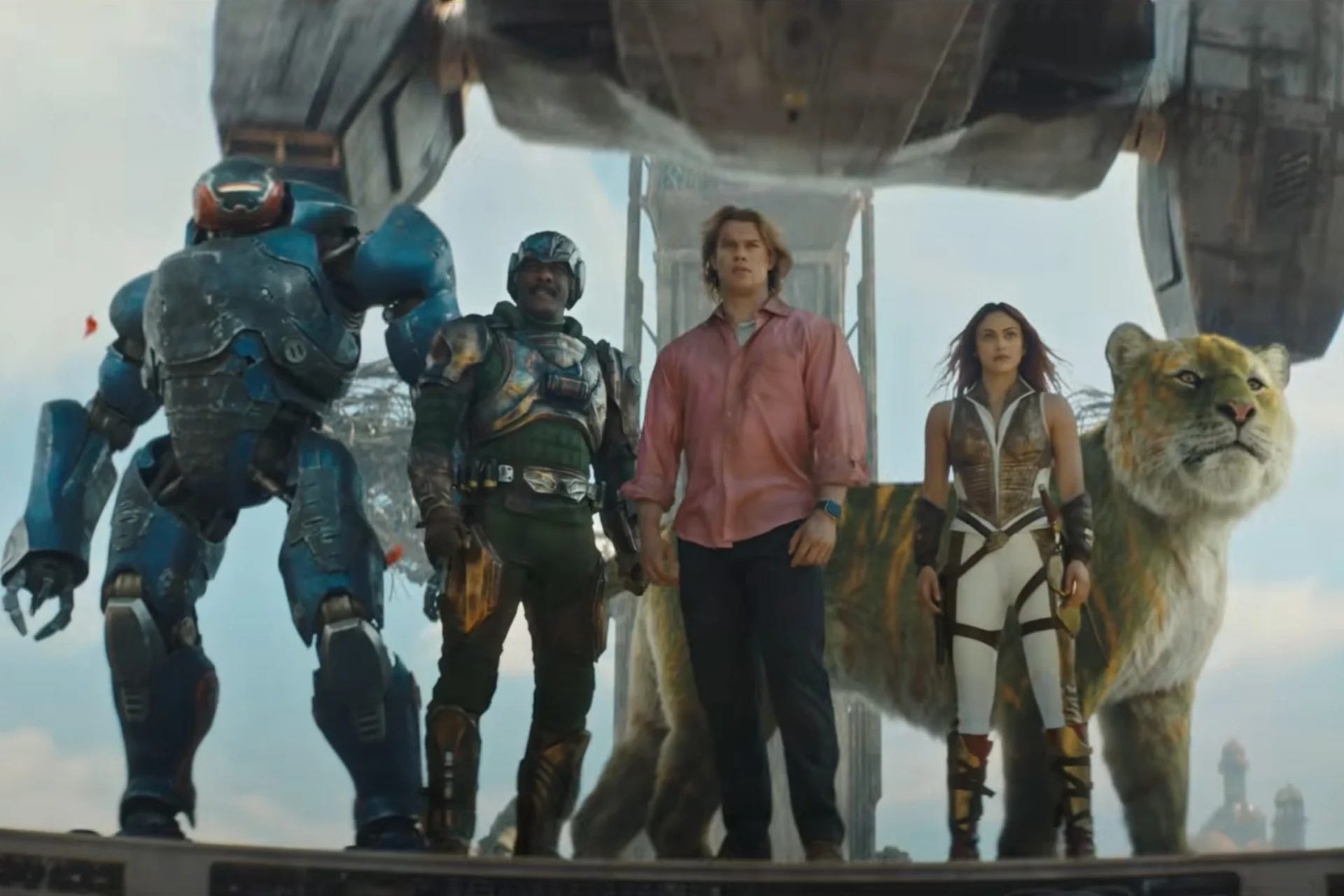
What makes Posobiec’s column land is that it is not theoretical. He watched his own sons respond to it in real time. “I showed them the He-Man movie, and now they keep asking to see more He-Man, so I put on the old cartoon. And now they keep running around the house saying, ‘I have the power!!’” That is not an abstract cultural argument. That is a father watching his sons respond instinctively to a story built around the thing Posobiec says they have been starved of.
His call to action is direct: “Fathers, this is the spark we need. Do not stop at the theater. After the credits roll, go home and watch the original cartoon with your boys. Let them hear the iconic transformation sequence and the battle cry. Talk to them about what it means to have the power, and what it means to use it responsibly.”
That is good fatherhood advice independent of any political framing. Watching something with your son and then talking to him about what it meant — about strength used rightly, about defending what is weaker than yourself, about courage without apology — is exactly the kind of intentional engagement fathers are told to provide and too rarely have a cultural vehicle to deliver it through. He-Man gives them one.
The new Masters of the Universe film has had a rough commercial run, opening to $29.3 million domestic against a reported $170-200 million budget. None of that changes whether the underlying character and the original cartoon remain a genuinely good resource for fathers looking to model something for their sons. Posobiec’s advice does not depend on the new film’s box office performance. It depends on the original material, which is freely available, well-made for what it set out to do, and exactly as straightforward as he describes it.
“The Longhouse will not voluntarily make room for such figures,” Posobiec wrote. “We have to bring them back ourselves — one father, one son, one sword at a time.”
Space marines on a holy crusade across the galaxy. If that sentence got your attention, Justified: Saga of the Nano Templar is your next read. Three books of relentless action Read Justified: Saga of the Nano Templar on Amazon!
NEXT: Supergirl Bombed Worse Than Expected And The New York Times Blames “Misogyny”
MotU was a phenomenal toy line, but a dreadful cartoon when you go back and watch it as an adult.
Sure Skeletor was great, and his pure love of being evil transcends media. But there's not much else to recommend.
There are far, far, FAR better options in western animation for boys with strong male characters: Batman TAS, X-Men 90s, Avengers Earth's Mightiest Heroes, Gargoyles, TMNT, Duck Tales, Thundercats 2000s remake, Voltron 2000s remake, Conan TAS, Pirates of Dark Water, Samurai Jack, Ben 10, Avatar, Exo Squad, The Real Ghostbusters, and dozens more.
The two 2000s remakes I listed are borderline, but just squeak below the mid 2010s when every media property turned to crap simultaneously.
Unless you're willing to also pay vintage toy prices, don't put He-Man in front of the kid when there are so many better options that don't need a toy tie-in for maximum effect.
Posobiec is weird. NO.
"Take a bullet to the head so you know how bad it is."
Just NO.
The more we reinforce the bad message, the more it sticks. Skip the new movie and just show your sons the old ones.