


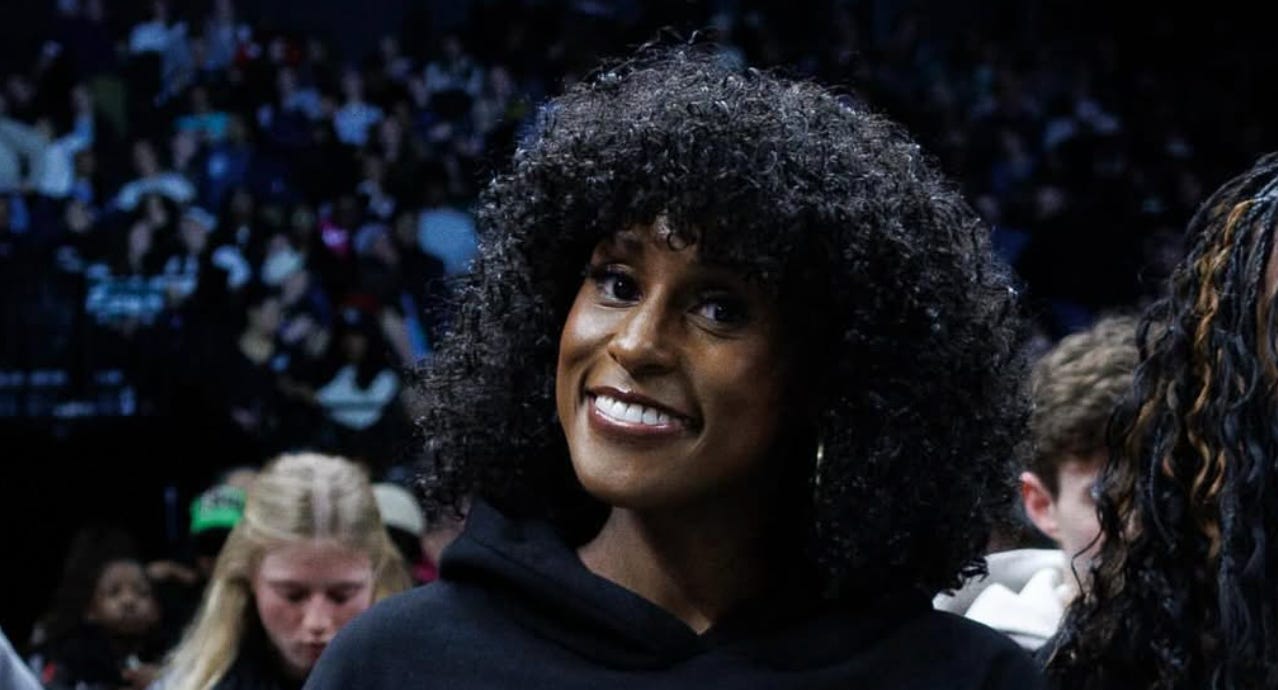
At TheWrap’s Creators x Hollywood Summit on April 13, Insecure creator Issa Rae said what most of Hollywood’s progressive class is only willing to say quietly.
“I’m seeing it. Just blatantly,” Rae told the panel. “People are scared and just not necessarily investing the same way that they would have before. Even executives who are of color are also tiptoeing like, ‘Well, I can’t co-sign you because I’m going to lose my job.’ And that’s scary to see and sad to see because it’s kind of like a bad word now. [DEI] has changed meanings and has become a bad word.”
Then came the sentence that got the most attention: “You have to be smarter about how you package and market projects. You tell them, ‘It’s not a show about a Black woman, it’s a show about class.’ As icky as that might feel, it gets the show sold. A spoonful of sugar makes the medicine go down.”
Rae framed this as a survival strategy for creators. What she actually described is an admission that the audience was always the last concern. For a decade, Hollywood studios pursued DEI casting and diversity mandates without asking whether the audience wanted them. Audiences answered by not showing up. Studios responded by rolling back those mandates. And now the producers who built their careers on identity-first storytelling are being told to hide the identity if they want to get greenlit.
Rae tried to be careful. “We all know that, typically, when we’re talking about diversity, equity and inclusion, it is about giving people opportunities that would otherwise not have them as opposed to pity hires and pity shows and the like.” She told the crowd her production company, Hoorae, remains committed to its priorities regardless.
What she did not address is the fuller picture her own comments paint. The same executives she described as “tiptoeing” were not afraid during the DEI boom. They greenlit the projects, held the panels, released the statements, and paid the consultants. Now those same executives will not return her calls because the political climate changed and their jobs depend on reading it correctly. The ideology that produced the boom is the same ideology that produced the climate in which nobody will co-sign anybody.
Rae also canceled a sold-out Kennedy Center show in 2025 after Trump was named chairman, writing on Instagram that it was “an infringement on the values of an institution that has faithfully celebrated artists of all backgrounds through all mediums.” She is not a neutral observer on the current political environment and its effects on Hollywood. She is a politically active producer who boycotted a cultural institution over its new leadership, and who is now finding that leadership changes have downstream effects she would prefer not to navigate.
The DEI era in Hollywood was never primarily about storytelling. It was about institutional politics, access, and funding. Rae’s own advice, to disguise a show’s identity to get it sold, confirms that. A storyteller who believed in the work would find a way to make the pitch about the story. Rae is telling creators to change the pitch, not the story, which means other than marketing, not a lot will change.
Does Hollywood’s willingness to fund identity politics on the way up and abandon it on the way down tell you more about the politics, or more about Hollywood?
Three free books. No spam. Just new releases, deals, and the occasional update from the front lines of independent publishing. Sign up for the Jon Del Arroz newsletter and start reading today.
NEXT: BAFTA CEO Jane Millichip Expresses Openness To Changing BAFTA Games Awards To Create Gender Parity
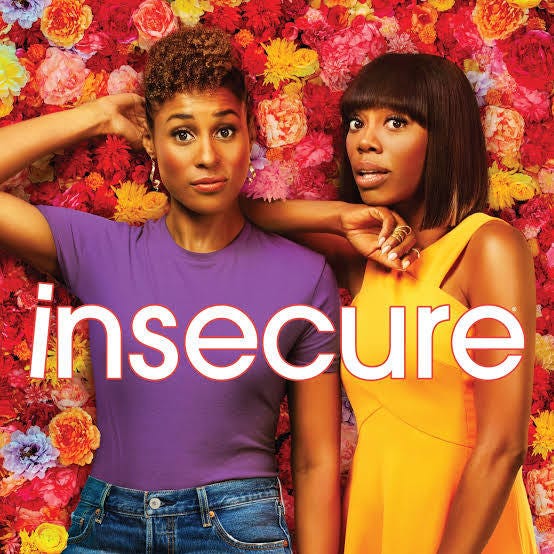
Nobody objects to stories about black people, starring black people. No one even objects to certain race-swaps, like Will Smith in I Am Legend or Samuel L. Jackson as Nick Fury, because both actors are extremely charismatic and well-liked (or, in Smith’s case, formerly well-liked). What we object to is racial quotas in films, the insertion of black or other race actors in historical dramas where they are inappropriate, or wildly altering beloved source material for diversity purposes (like the new Harry Potter). Racially-specific shows are perfectly fine, whether it’s Sanford and Son, The Cosby Show, or Insecure, but this woman should realize that the first two had wide appeal because they didn't play the race card constantly, while no one has ever heard of her show beyond its niche audience.
Issa Rae’s soul existence is nothing without the DEI restrictions. And I’m going to say this, she was the only cast member in the Super Mario Galaxy movie to be completely pointless casting, since her character, the Honey Queen was only on screen for a minute. She’s one step closer to irrelevance.