


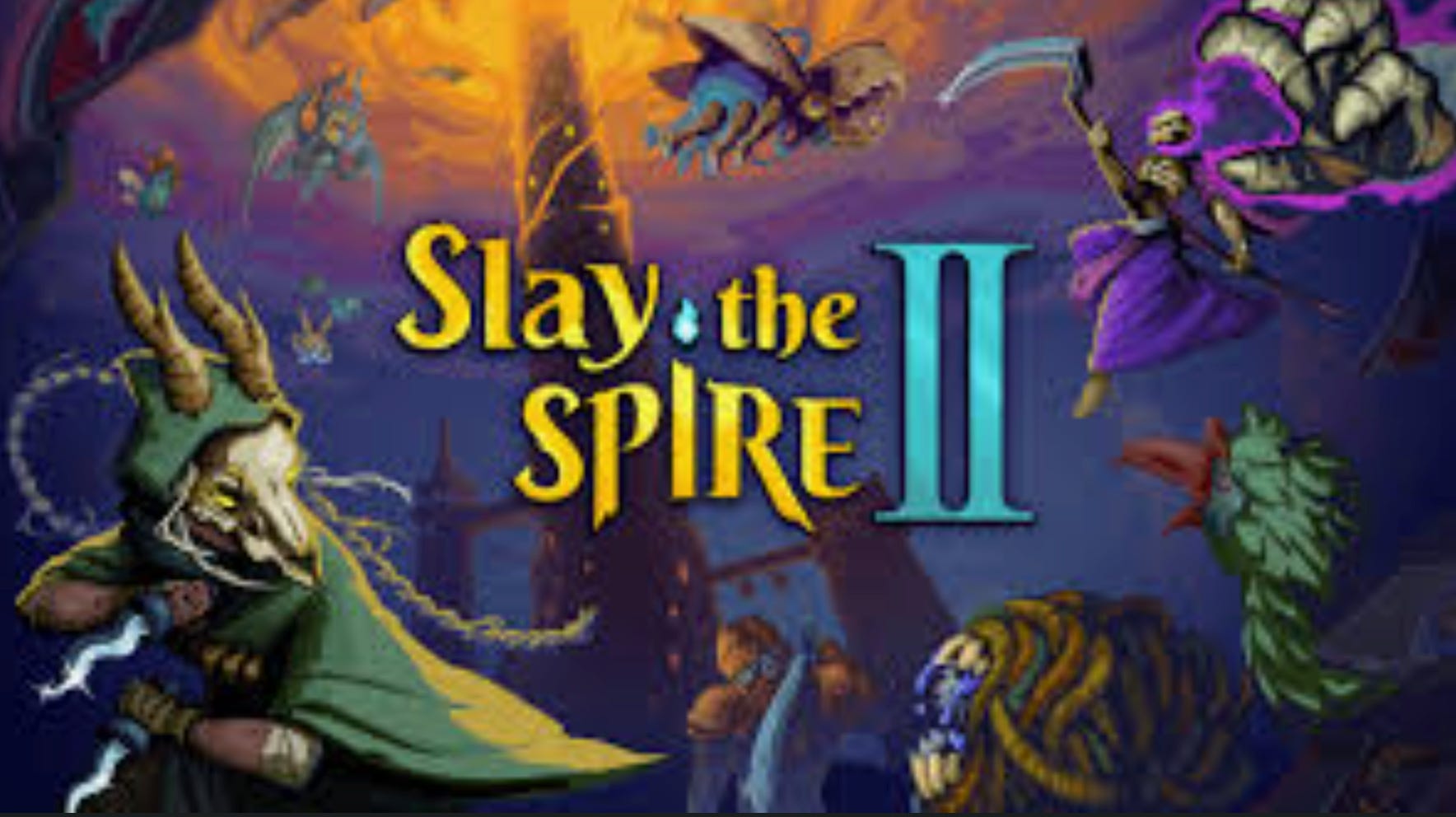
I had a chat with a friend of mine who had been playing much of Slay the Spire 2, ever since its Early Access launch on March 5th. When asked how he felt about Anita Sarkeesian appearing in the credits, he replied: “I don’t feel much” adding that the game already had a bunch of hate from Chinese critics for one of the bosses being difficult.
He was referring to the a wave of review bombing from Chinese players, primarily over balance changes that nerfed popular infinite combos and adjustments to the challenging Act 3 boss named Doormaker. Chinese Steam users, facing platform and social media restrictions, often channel their dissatisfaction through reviews.
While the Sarkeesian credit sparked a new round of negative reviews, it is worthwhile to keep things in perspective: the game itself is still a strong roguelike deck-builder.

It’s weird Anita is involved at all because the game is seemingly scant of any feminist themes at all? The woke boogieman is, apparently, non-existent here. Instead, the game remains a roguelike card game dungeon crawler where you fight all kinds of monsters. Anita’s presence might do little to sway people from purchasing the game simply because the game is still a mechanics-first experience with minimal narrative. While female characters do exist in this game, as they did in the original, there are no prominent ideological shifts or trope overhauls tied to Sarkeesian’s critiques.
Of course, some people speculate that Anita is there so the game won’t get trashed. One may compare this to the presence of Sweet Baby Inc in many game previously where people hired consultants to avoid activists from saying your game was bigoted. This risk-management view is widespread in online discussions as well. Anita Sarkeesian carries strong associations from the GamerGate era. and critics rightfully see her consulting credit (alongside others like David Von Derau and Tony Moore) as the same symbolic “insurance” against Leftist activist scrutiny.
Anita’s involvement feels very much like a ‘I put my name on it’ because they are Western developers and they think it’s political correct to involve a feminist regardless of the fact that she makes no contributions to the creative process. Seriously, what did she even do? Did they pay her to walk into the studio, look at a screen, and say ‘yep, that’s a card game’ before walking out?
For anyone who was blindsided by Anita’s involvement, what can anyone say but it sucks that they spent money on it, and one hopes that the backlash sends a message: Stop trying to involve this person who offers absolutely nothing to the creative process of the game.
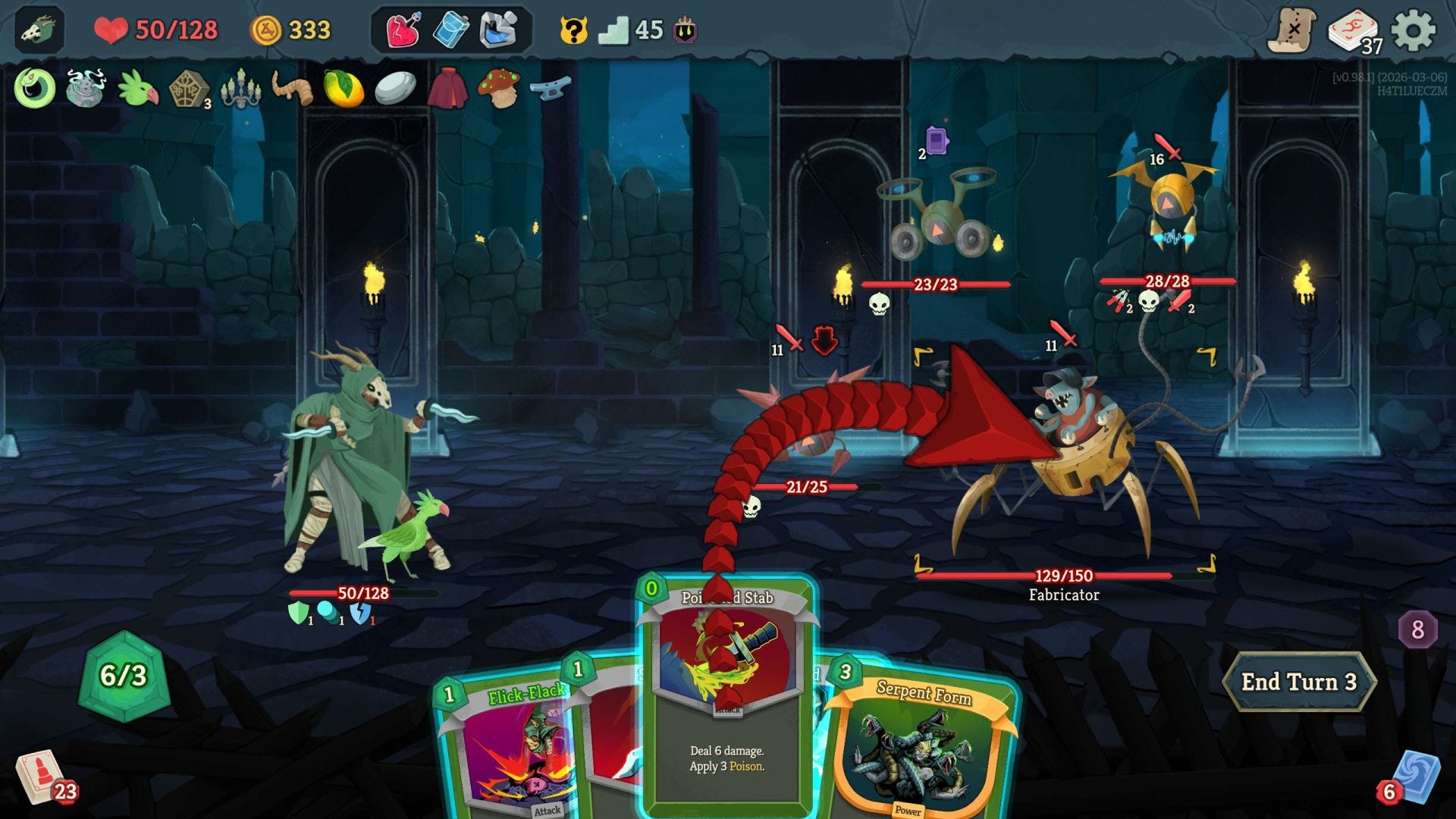
Many Steam reviews echo this as well, which is tragic considering the game is (by many accounts) a genuinely good game. Yet, players with substantial playtime are leaving negatives, specifically over Anita’s credit, even while praising the game itself. The recent review score dropped sharply, though overall ratings held better initially.
Worst-case scenario, they burned a stack of cash on a person who had no reason to be involved. Best case scenario, Anita played the game and said, ‘Maybe it would be cool if you had two less card infinites in the game.’”
As of now, however, Mega Crit has not publicly detailed her exact contributions, leaving room for speculation. The game launched as one of Steam’s biggest indie successes, with massive concurrent players and sales.
Many who dislike the credit still enjoy playing Slay the Spire 2. However, this is all about leaving a bad taste in one’s mouth knowing that she was there. She was involved and got paid. In short, this is all about what the hire signals: that even a video game remains apolitical, is purely about game mechanics, and comes from a respected indie studio, the entire presence of cultural consultants is stigmatized to the point of genuine toxicity. To others, like myself, it represents soft power projection through industry norms; a voluntary but cumulative influence on creative direction and risk avoidance.
Are we to remain indifferent to minor consultant input if the game is good or support consumer pushback as a corrective force? Perhaps developers could clarify consultant contributions transparently in order to rebuild trust?
In the end, audiences make their preferences clear through reviews, playtime, and their wallets.
What do you think? Should mechanics-first games stay consultant-free on cultural matters? Share in the comments.

Noone credits someone for not contributing. All Sarkeesian is known for is woke/feminist/dei influence on a product. Makes no sense to assume she didn't do the same here, even if it doesn't hit you in the face with pride flag waving boss battle. And even if it's just putting her name on the product to be safe: do you want to support an industry atmosphere where that is necessary? I dont.
The game is good though, right? May well be. But supporting it still keeps Sarkeesian employed in the industry. I don't want her there, in any capacity. So I wont buy the game. And I would refund it if I had. Sucks really. But I want Sarkeesian and her ilk to vanish more then play the game, or any ine game for that matter. Too much damage already done to the hobby to be lenient.
But everybody has to chose their own hill to die on, I suppose. Just dont complain if she surfaces with more influence along the way. Cause she wouldn't have to cross any line to get back there. Because you never drew it.
There are multiple layers not being addressed here.
One of the most indefensible items is the post release patching of her name into the credits.
For those not aware, this troglodyte was not credited in the original release. People, who may have thought twice, had no idea she was involved before opening up their wallets. Mega Crit waited until Steam's return window was closed for millions of players before dropping that bombshell.
They knew what they were doing.
And it's just as scummy as her involvement in the first place.
There is an industry wide boycott of anything with even the slightest whiff of woke. This game never, ever would have sold as many millions upon millions of copies the way it did if they had been upfront about paying the Danegeld.
And I have zero sympathy for and reject that argument. I promise you, the game would have sold even MORE if they announced this grifter's blackmail attempt had been rejected. (I was waiting for a sale, will never buy it now, but would have paid full price day one if that had happened. There are many more like me.)
They know this to be the case. Empirical evidence in sales data, reviews, and message boards now exists on Steam to prove this.
This foul, disgusting, divisive banshee is involved because Mega Crit WANTED her to be involved.