


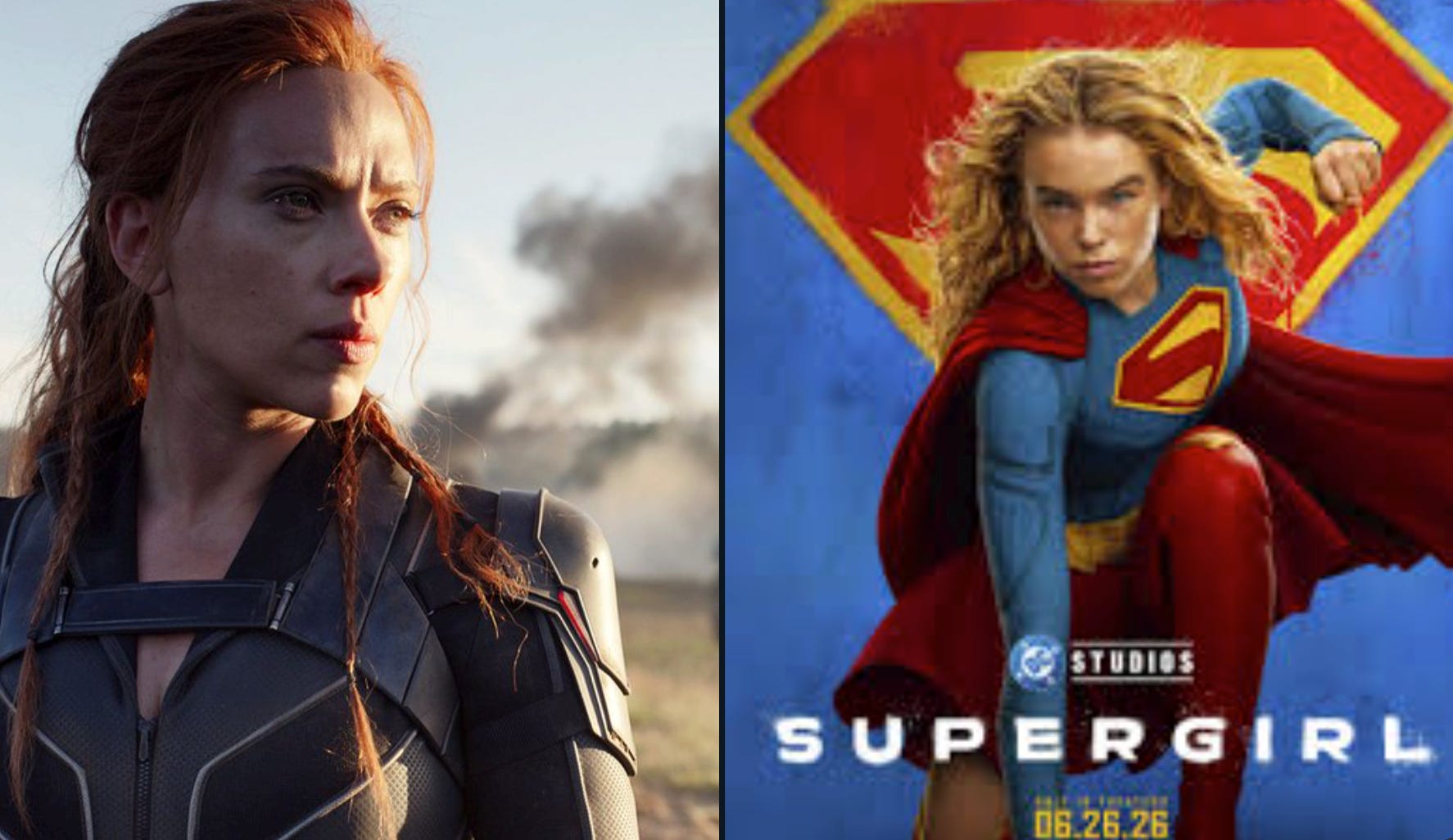
Scarlett Johansson and Milly Alcock are the latest actresses running what has become a recognizable Hollywood press cycle: the pre-release gender grievance tour. Both women made comments in the same week that generated headlines, social media debate, and the same question the industry never seems to ask: does this strategy ever actually work?
Johansson, promoting her latest project, told CBS Sunday Morning that the early 2000s were brutal for young actresses. “It was tough. There was a lot placed on how women looked,” she said. “What was offered at that time for women my age, as far as acting roles or opportunities, was much slimmer than it is now.” She continued: “You would get really pigeon-holed and offered the same roles. It would be like the other woman, or the side piece, the bombshell. That was the archetype that was prevalent when I was that age.”
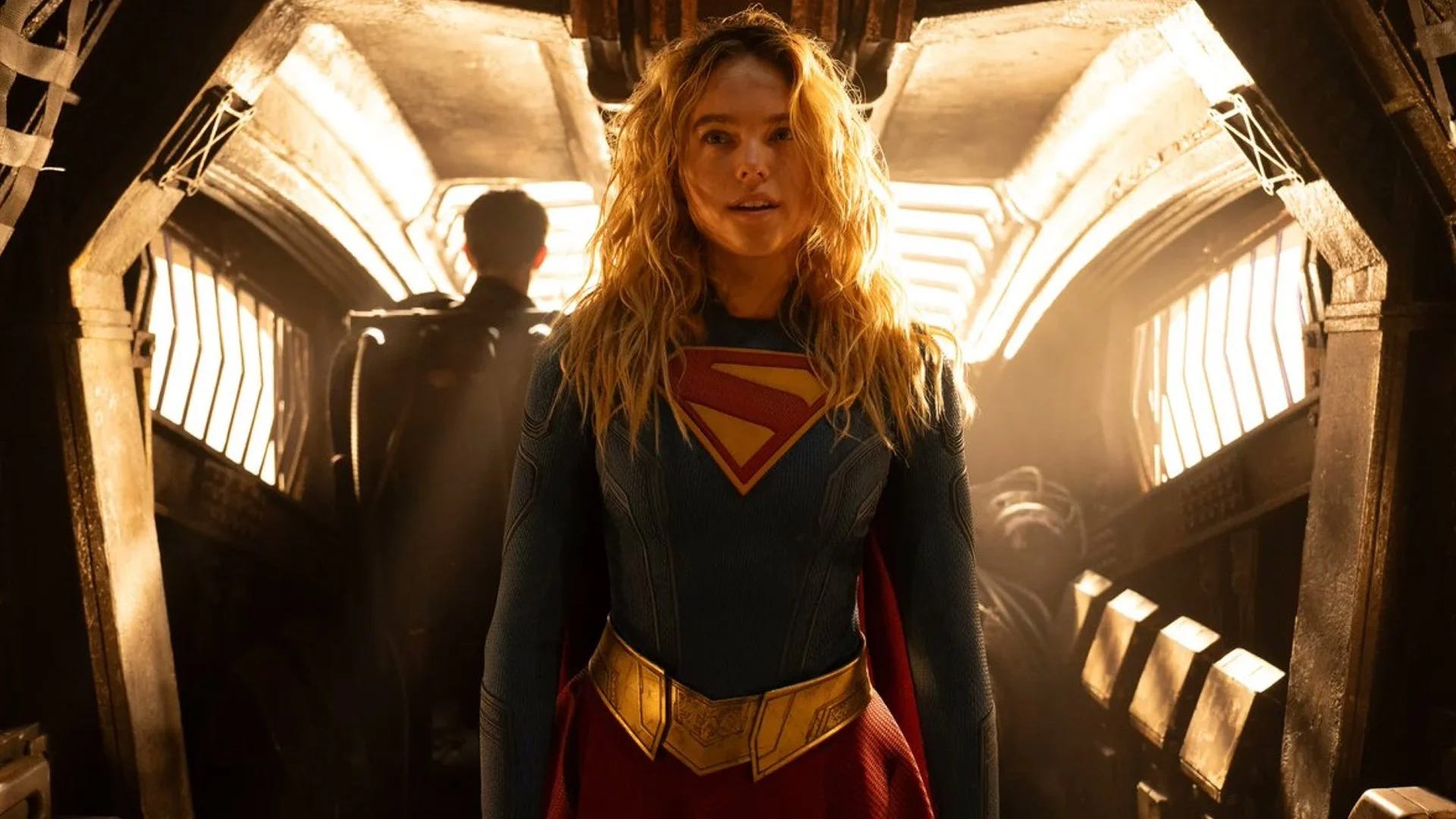
Meanwhile, Supergirl star Milly Alcock told Vanity Fair that her time on House of the Dragon prepared her for inevitable scrutiny. “It definitely made me aware that simply existing as a woman in that space is something that people comment on,” Alcock said. “We have become very comfortable having this weird ownership of women’s bodies. I can’t really stop them. I can only be myself.”
The pattern traces back most visibly to Brie Larson’s Captain Marvel press tour in 2019, where comments about diversifying critical voices reviewing her film generated enormous controversy before the movie opened. Then came Rachel Zegler, whose comments before Snow White’s release about the classic film’s romance dynamics created weeks of negative press. When the film collapsed at the box office, the pre-release narrative became central to the autopsy.
All of these cases share a telling detail: the films’ problems were rooted in writing and execution. Snow White’s troubled production, multiple reshoots, and delayed release told the real story. The gender commentary became a convenient misdirection from genuine creative failures. Audiences didn’t reject those films because of the actresses, but instead they rejected films that simply didn’t work.

Johansson collected $20 million per film during the supposed era she now describes as impossibly difficult for women. She became one of Hollywood’s highest-paid stars, headlined one of the most successful film franchises in history, and successfully sued Disney over streaming rights. The grievance narrative sits awkwardly against that career trajectory.
Alcock’s position is similarly complicated. Supergirl hasn’t opened yet. Framing her experience through body commentary and fan ownership before audiences have seen a single frame of her performance hands critics a ready-made narrative should the film struggle.
Hollywood keeps reaching for this playbook despite consistent evidence it damages the very films it claims to support. Audiences embrace female-led genre films when the writing delivers — Alien: Romulus, the original Hunger Games, Mad Max: Fury Road generated no pre-release controversy because the creative teams focused on making good films rather than managing press narratives.
The grievance tour substitutes for creative confidence. When a production team believes deeply in their work, they talk about the work. When they don’t, the conversation shifts elsewhere.
Attaching personal grievances to a film’s marketing cycle doesn’t build audiences. It builds controversy that the film then has to overcome at the box office.
What do you think? Does pre-release commentary about gender dynamics in Hollywood help or hurt a film’s reception?
Three free books. No spam. Just new releases, deals, and the occasional update from the front lines of independent publishing. Sign up for the Jon Del Arroz newsletter and start reading today.

NEXT: Brian Jacques’ ‘Redwall’ Series No Longer In Development At Netflix
Kate Beckinsale never made issue with the Underworld movies, and those were massively successful for what they were. People like what they like, until you give them a reason not to. It pays to keep your mouth shut and let the art speak for itself.
So tired of this “Being a woman in Hollywood is so hard” BS. It’s 2026, not 1946.