



The Supergirl review embargo lifts this morning. The pattern across critics who liked it and critics who did not is identical: messy script, worthless villain, action sequences that do not deliver. The film is a grimy Mad Max knockoff that does not work as a superhero movie, does not work as an action movie, and arrives having spent three months giving its natural audience specific reasons to stay home.
The reviews are starting to pour in.
Nick Spake: “Milly Alcock is a dynamite lead, doing the heavy-lifting in a DCU follow-up with underwhelming action, an underdeveloped villain, and an underutilized Lobo.”
TheHoloFiles: “A below average Guardians of the Galaxy movie weighed down by Mad Max: Fury Road rip offs, dull visuals, and thin plot.”
Tessa Smith: “Some adaptation choices and a bland villain keep it from greatness. It’s, simply put, just fine.”
Michael J. Lee: “Despite some of the script issues and an uninteresting villain. The script is quite messy.”
Eric Goldman: “Supergirl is just okay. Gillespie doesn’t really mesh with the material, and not enough of the action scenes fully come to life.”
Grace Randolph: “How unfortunate.”
Zach Pope: “Sadly I only liked Supergirl the movie. Guardians of the Galaxy lite meets Mad Max. Fun? Sure. Memorable? Kinda? I wanted more though.”
Even the positive reviews come loaded with qualifiers. Germain Lussier called it “incredibly emotional” while noting it “doesn’t quite have the resonance of Superman.” The enthusiastic critics are defending a film that needed defending before it opened.
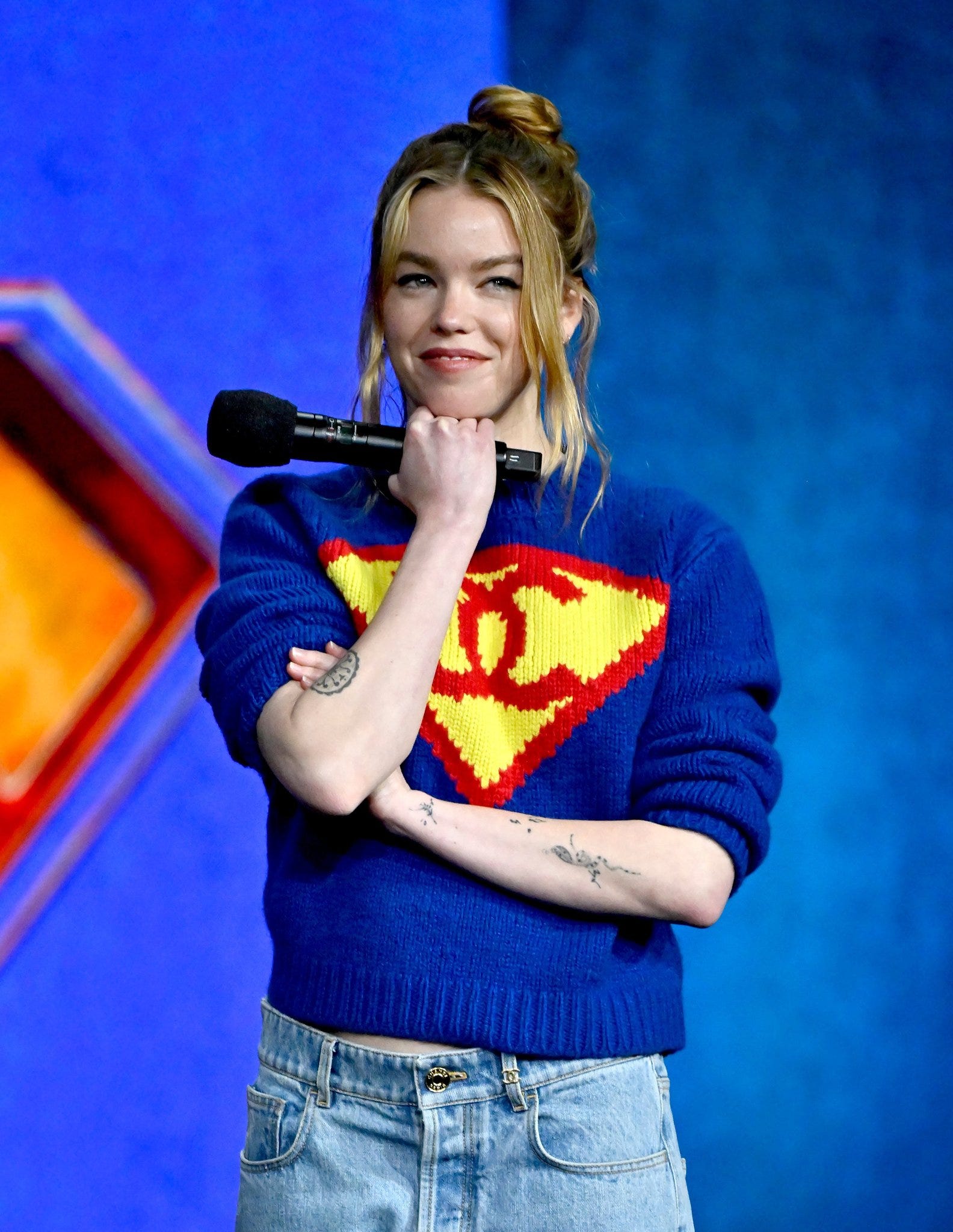
Whether audiences trust any of this critical reception is a separate question. The promotional campaign produced a lead actress who spent three months on the press circuit calling the religious family audience “hilarious,” declaring Kara a queer icon who goes “both ways,” and announcing the character exists “outside the binary of what we think a woman should be.” None of that is in the source material. None of it was in the marketing. All of it was in press interviews leading into opening weekend. The audience that showed up for Superman at $122M domestic last year is the same audience Alcock described as “Dad of four, Christian” burner accounts whose opinions she does not care about. Critics calling her performance good does not undo what she told those people about themselves.
The Kalshi prediction market placed the RT score at 89% in early June. By this morning it sat at 62%. That 27-point drop happened as critics replaced pre-release enthusiasm with actual assessments of what they watched. The tracking floor is $39M domestic on a $175M budget. The worldwide breakeven is $315M. The film’s projected full domestic run is $137M, less than half of what it needs to turn a profit before marketing costs are added.

The script was written by Ana Nogueira. DC Studios has already hired her to write Wonder Woman and Teen Titans. The two next female-led DCU films are in the hands of a writer whose first superhero screenplay critics are calling messy and underdeveloped, in reviews published before the opening weekend. Whether Gunn made those hiring decisions before or after seeing the critical reception does not appear to be publicly documented. Either way, the problem is now structural.
Zero interest in any kind of Gunn movie. Zero interest in the ugly actress playing it or how well she portrays hating men.
Just. Don't. Care.
Same Hollywood turd, different toilet.
My favorite, hands down, is "“How unfortunate.”