

The book opens on an eleven-year-old boy sitting on a tree stump at the bottom of a garden, watching a beetle climb a blade of grass and deciding it has a clearer sense of direction than most people he knows. Dorian Vane has a voice, dry and warm and English, the kind that can call a stretch of moorland mostly rocks and rain and sheep with firm opinions about fences, and make you laugh at a sheep. That voice carries the whole book, and is worth the ticket alone.
You will recognise the shape of things fast. A boy with no parents, raised by his grandparents, gets a letter on heavy sealed paper inviting him to a school of magic. There is a list of odd supplies, a train from one particular station, a sorting into Houses, and a cold professor who watches him too closely. If that sounds like a book you have read, it is, and Wayland is not hiding it. The bones are borrowed. What hangs on them is the surprise.
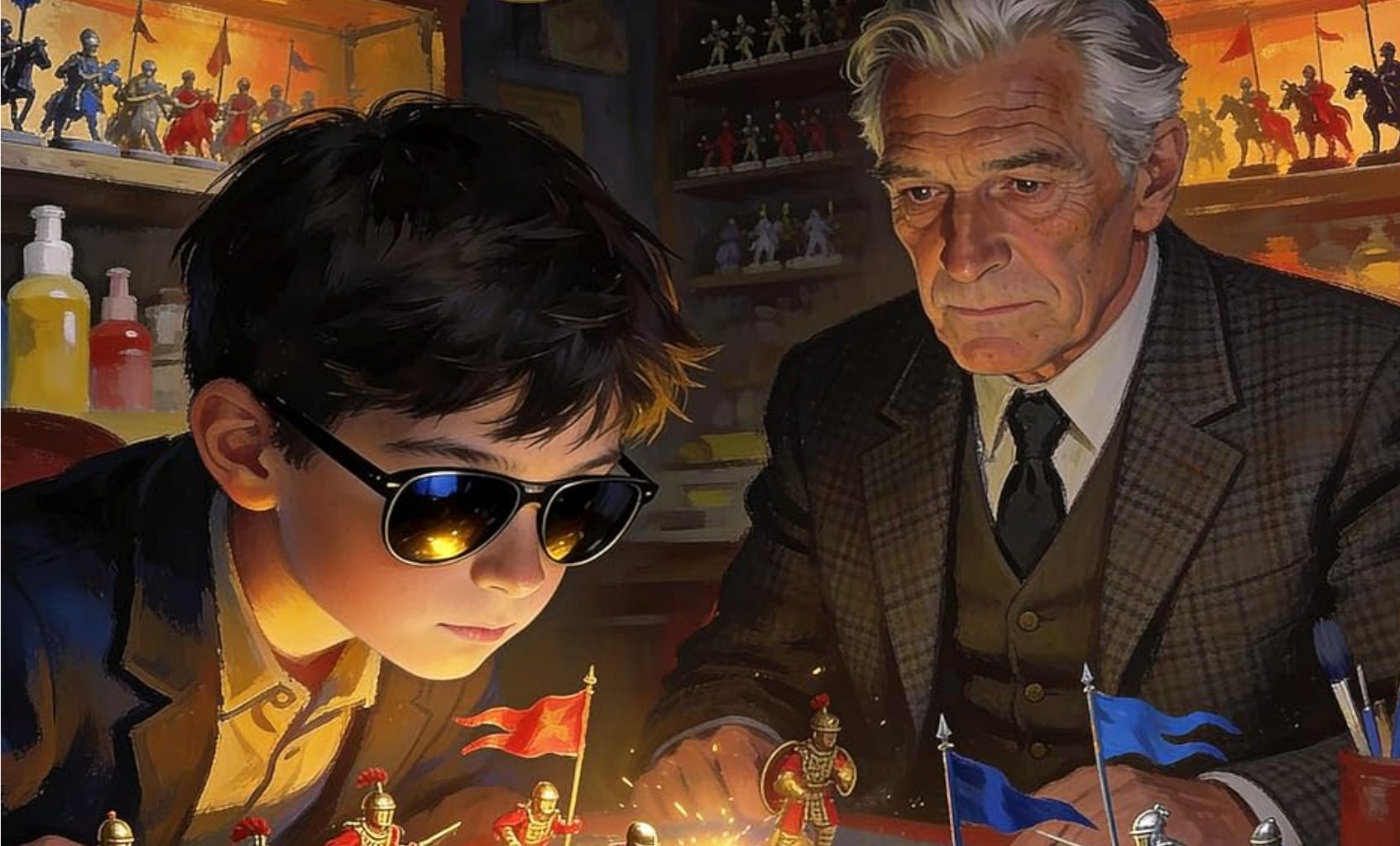
Start with the people. Dorian’s grandparents land in a few strokes and stay with you, a retired general who reads poetry he will not admit to and a painter who tells her grandson to stop hiding behind his dark glasses. His two friends are better still. Rory is a gentle giant who carves a wooden horse across the year, and Halli reads the world in patterns and says exactly what she sees, and the book lets her be brilliant instead of a punchline. The cleverest swap comes next. In place of a flashy magic sport, Wayland hands these children a tabletop war game, and the matches turn on morale and flanking and protecting your general, which suits a boy raised by a soldier and rewards thinking over spectacle.
Under the cosy surface runs something colder. Dorian’s strange eyes are a clue to a vampiric inheritance he never asked for, and the question of what was done to his mother to put it in him gives the gentle school year a dark current beneath it. It pays off, too. The lonely boy finds his people, and the last pages circle back to that garden stump with a quiet ache the book has earned.
Now the honest part. The borrowed frame is sometimes too close for comfort, and a reader who wants to be surprised by the architecture will not be. Its bigger trouble is that the plot spends most of its length setting a table: the real secret stays locked away for a sequel, the late confrontation is settled in a few quiet sentences, and much of the central reveal reaches Dorian through a found journal rather than through living it. Voice and company are so good that I did not mind the quiet, but a reader hungry for incident might.
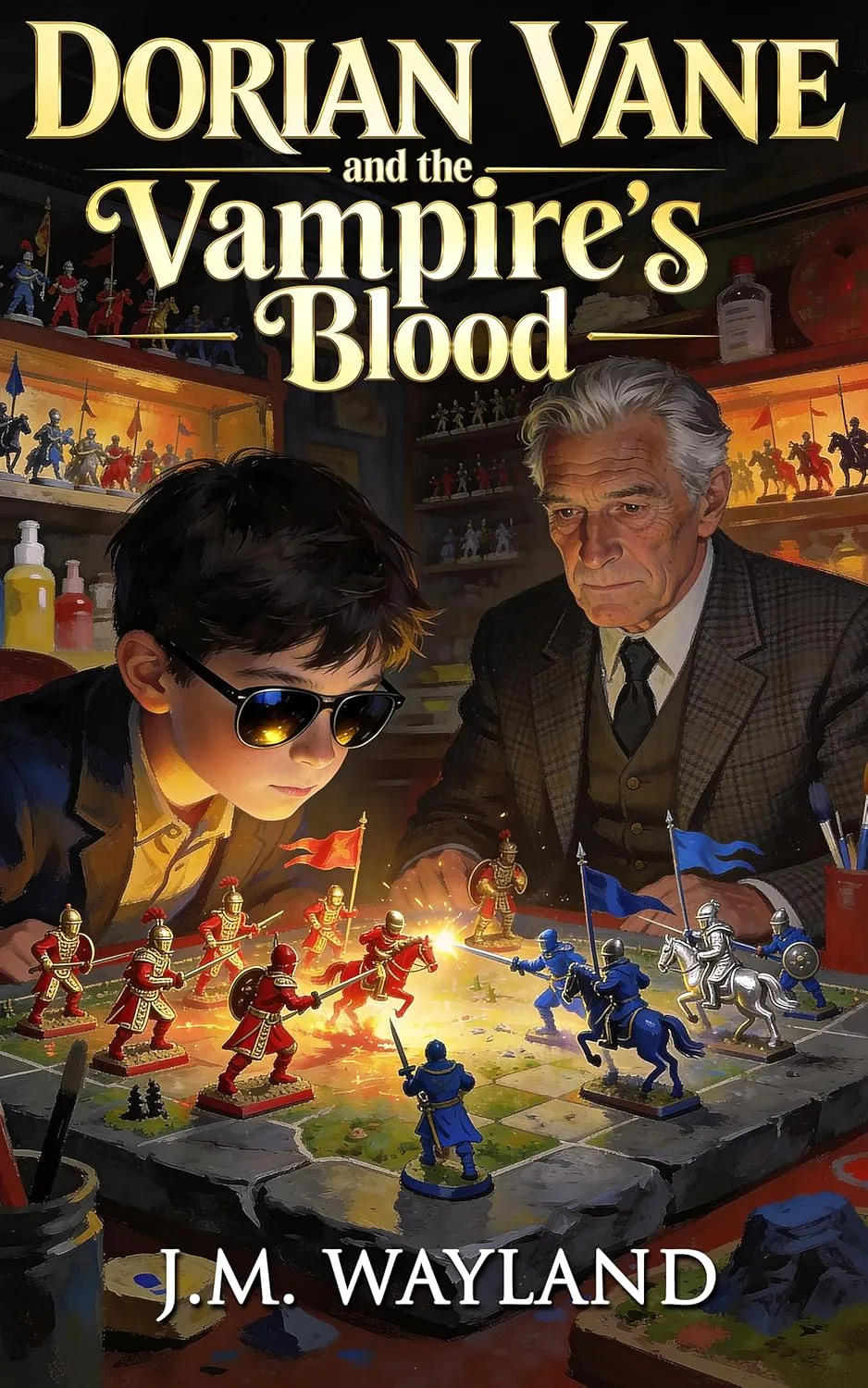
A word for parents, and a happy one. This is clean. No romance and no bad language, and the danger stays scary without turning gory. The catch is emotional, not graphic: the story of the lost mother carries real sorrow, and a thoughtful child will feel it. Reading level is comfortable upper middle grade, ages roughly nine to thirteen, pitched dead centre at the children who loved a certain wizard. It is plainly the first of a series, with the door left open at the close.
So here’s my question for you. When a book wears its inspiration this openly, does a voice this good earn the borrowing, or should a debut have to build its own house from the ground up?
You can read Dorian Vane on Amazon here.
Rating: 7/10. A witty, clean debut with characters worth the trip, held back by a borrowed blueprint and a plot that is mostly beautifully furnished setup.
NEXT: The Man Who Helped Shape the Cold War From His Living Room: A Jerry Pournelle Retrospective
"When a book wears its inspiration this openly, does a voice this good earn the borrowing, or should a debut have to build its own house from the ground up?"
People are a lot more forgiving of these things if the story's good. Harry Potter wasn't original either, but it was good enough that people don't mind.
And was any of it written by AI?