



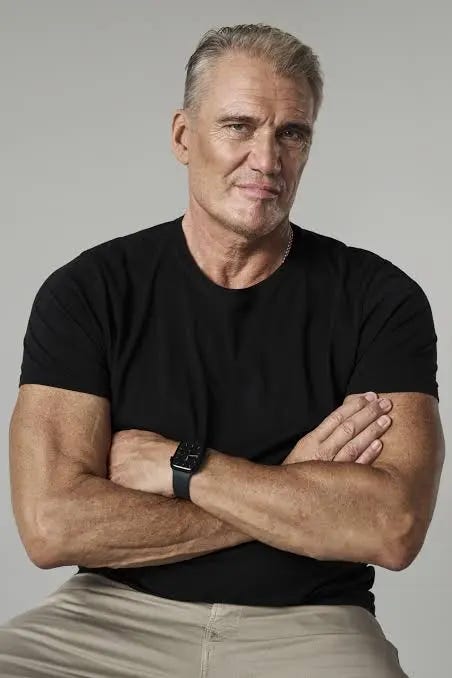
Dolph Lundgren played He-Man in 1987 and watched that film earn $17 million on a $22 million budget, contributing to the collapse of Cannon Films. Nearly forty years later, he appeared in a cameo in Amazon’s Masters of the Universe reboot and watched it earn $103 million worldwide on a budget estimated between $170 and $200 million. History rhymes.
Lundgren spoke to ComicBook’s Chris Killian this week while serving as a USA Fencing ambassador ahead of the 2028 Los Angeles Olympics. Asked about the new film’s performance, he answered without spin:
“Yeah, I was a bit disappointed. I mean, everybody told me it’s going to do great. I’m not a huge believer in looking at the box office and that influencing how I feel that much emotionally about the picture. But I did think about it like, ‘Oh, okay. Um that was strange that didn’t do better.’ And I don’t know why that is. They did a lot of marketing, they did a lot of press. I was part of it, some of it. I don’t know where it’s at now; I mean, I think it did fairly well overseas as well. I’m not sure what that means, really.”
He then raised a question about Nicholas Galitzine, who plays the new He-Man, that is more pointed than it appears:
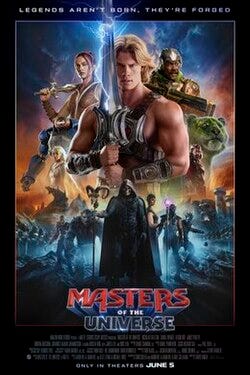
“Will Nick be signing swords for 40 years, like I have been? I don’t know.”
That line lands differently when you do the math. Lundgren’s He-Man bombed. It was panned. It helped kill the studio that made it. And yet he has spent four decades signing merchandise for fans who love his version of the character. The 1987 film accumulated exactly the cult audience Lundgren is now describing as the possible long-term destination for the 2026 reboot.
Amazon MGM’s domestic distribution chief Kevin Wilson, asked about the opening weekend, called it “exactly the kind of critical first moment that validates our holistic distribution strategy.” That is the statement studios issue when a film underperforms. Masters of the Universe opened to $54.3 million globally against a production budget of at least $170 million, stalled at $103 million worldwide in its fourth week, and will require somewhere between $340 and $500 million at the global box office to break even — a number it will not reach.
Amazon has told press it is still considering a sequel, contingent on the film’s Prime Video performance. That framing is the streaming era’s version of the home video argument studios made in the 1980s: the theatrical was the promotional vehicle, the real money is downstream. It is not wrong exactly. It is also not the same as saying the film worked.
He-Man has now failed commercially twice across two eras of Hollywood, with two entirely different production apparatuses, under two entirely different distribution models. The 1987 film failed when Cannon was overextended and cut the budget mid-production. The 2026 film failed with full Amazon resources and one of the biggest marketing campaigns in the franchise’s history. Both times, everybody told the people involved it was going to do great.
Lundgren does not know why this keeps happening. His confusion is sincere. He spent four decades signing swords and having a good enough attitude about the original bomb that a new generation cast him in the reboot as a gesture of respect. He showed up. He did the press. He is baffled.
The answer to his question about whether Galitzine will be signing swords in 2066 is probably yes, for the same reason Lundgren still is: He-Man as a character outlasts the commercial failure of any individual He-Man film. The fans exist. They are loyal. They just do not go to theaters in the numbers a $200 million production requires.
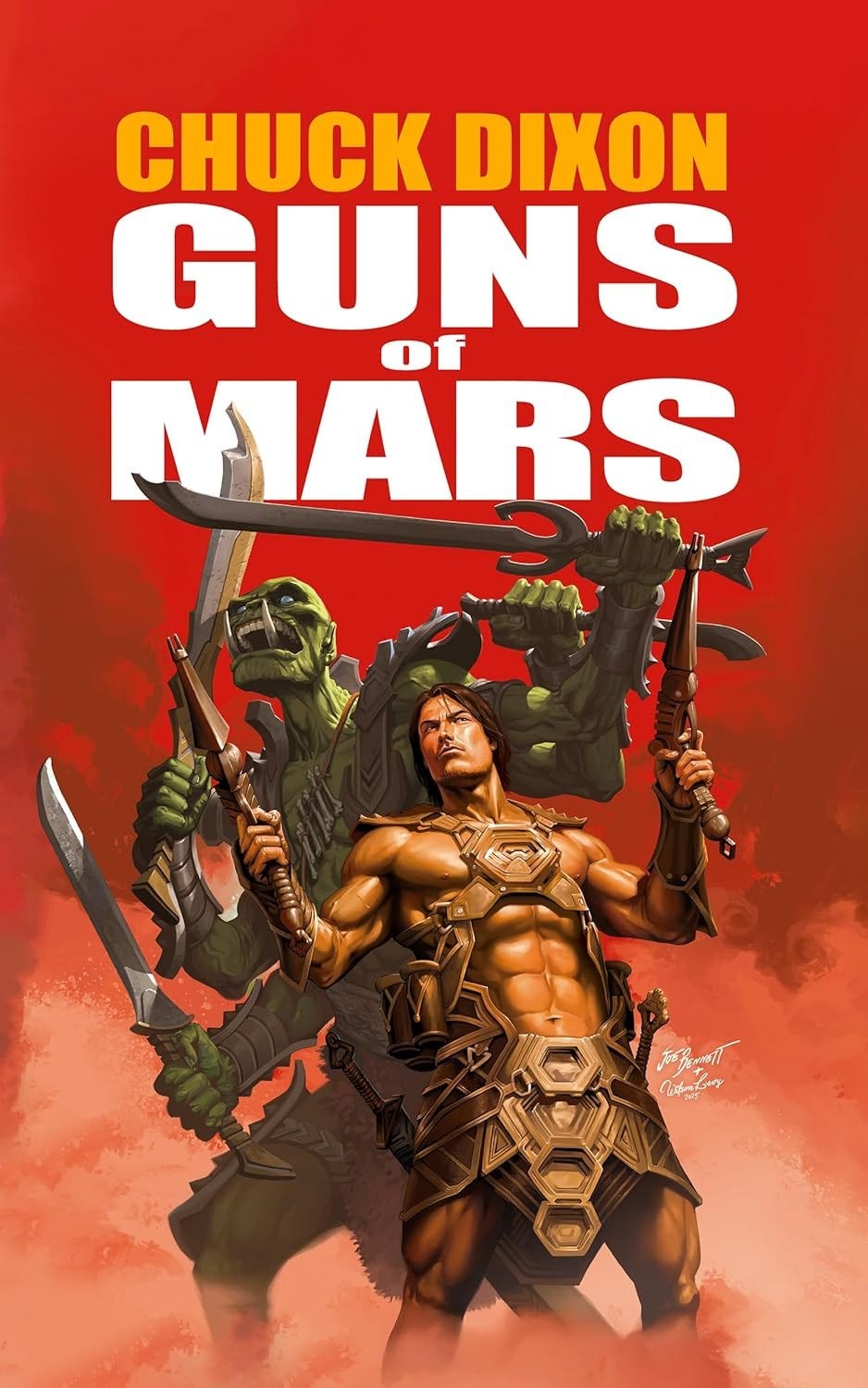
Return to the World of John Carter with this pulpy action epic by Batman writer Chuck Dixon. What happens to Barsoom a thousand years after John Carter? Find out by reading today.
NEXT: Jack Posobiec Wants Fathers to Take Their Sons to See He-Man
Dolph, it’s he-man. THE lamest toy line from the 80’s. wwf figures with a hack storyline. The thundercats and silver hawks, even as pathetic derivatives were vastly more entertaining.