


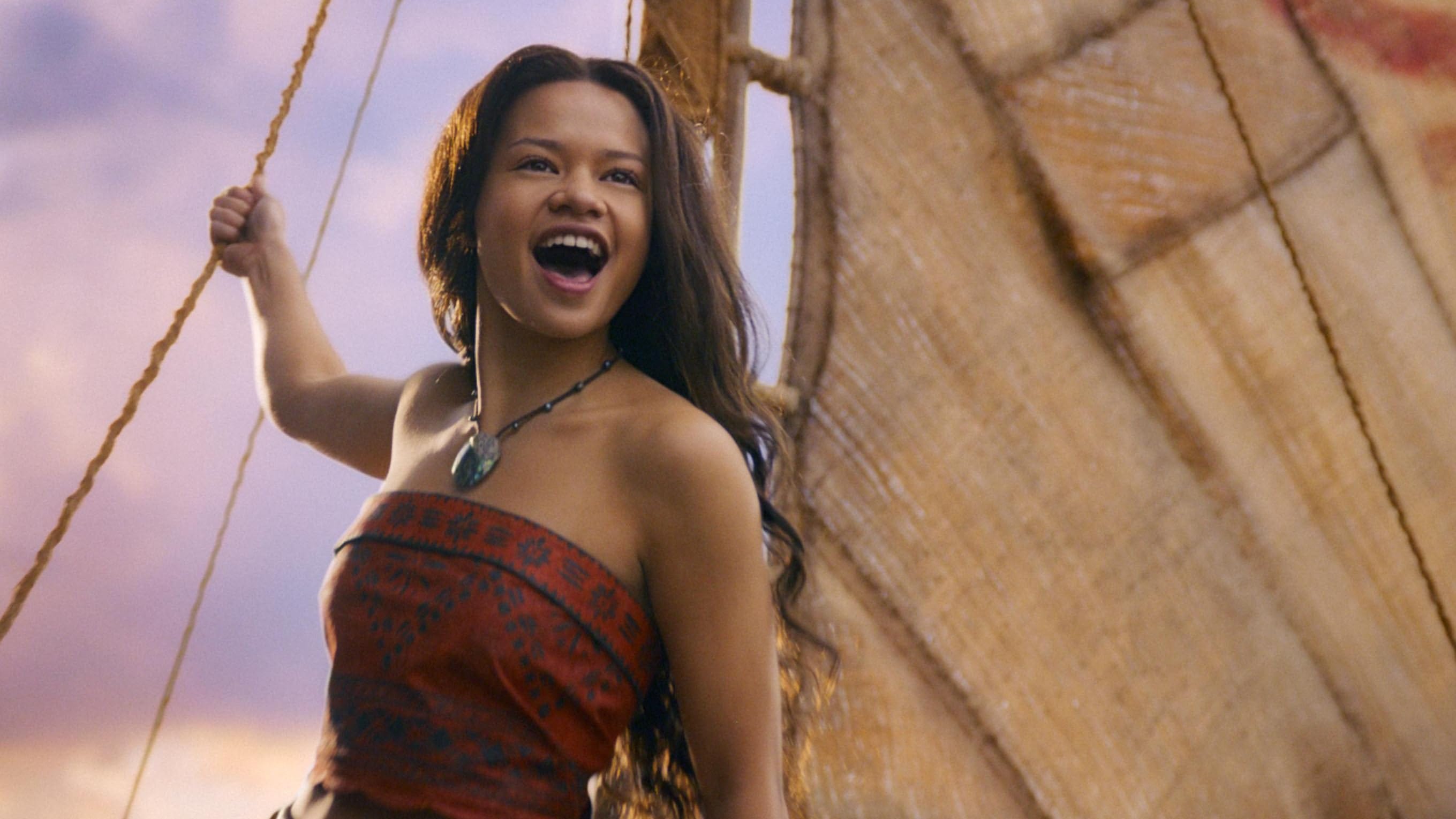
Disney released the final trailer for its live-action Moana remake on June 10, simultaneously opening ticket sales ahead of the July 10 theatrical debut. The trailer did not reverse the audience sentiment that has been building since November 2025. It confirmed it.
The numbers tell the story. The original November 2025 teaser currently sits at 149,000 dislikes against 53,000 likes, a 73.8% dislike ratio. The March full trailer drew 85,000 dislikes against 37,000 likes, a 70% ratio. Disney left comments open on all of it. The most liked comment on the trailer: “What else can I say except, ‘Why did we need this?’” The sentiment under it reads like a single voice spread across thousands of accounts.
The audience’s core complaint is not complicated. The original animated Moana opened in November 2016. Disney followed it with Moana 2 in November 2024, which grossed over $1 billion worldwide. Disney is now releasing a live-action remake of a ten-year-old film whose sequel came out eighteen months ago. The compressed timeline matters because it removes the nostalgic distance that makes remakes tolerable. Lilo and Stitch worked in 2025 because it had been thirty years. Nobody needed to be told what Moana was or why they loved it. They saw it last year. Then they saw the sequel. Then Disney said here it is again, now with Dwayne Johnson in a wig.
That wig is doing a lot of work in the backlash. Dwayne Johnson voiced Maui in both animated films. The character’s physical design — massive, tattooed, expansive — translated into animation without friction. In live-action, the result is what multiple outlets and viewers have independently compared to a T-Mobile Super Bowl commercial, an SNL parody, and AI-generated imagery. One widely shared reaction: “How is he butchering his own lines?” Johnson is reading dialogue he performed in the original. The live-action frame is not doing him any favors, and the line in the final trailer where Moana says “Thank you” and Maui responds “You’re welcome” — a callback to his signature song — landed as forced rather than charming.
The visual controversy extends beyond Johnson. Disney is promoting this as a “live-action reimagining,” but critics and general viewers alike have noted that the footage barely qualifies for the descriptor. One comment summarized it: “So much CG and image processing even the real footage looks animated.” Another: “Fans: Wait, is this live action? Disney: Yup, a live-action that looks 90% animated.” The productions costs are not publicly confirmed, but Disney live-action remakes of this scope typically run $150-200 million. Whatever the number, the finished product is being read as a glorified CGI exercise rather than something that earned the “live-action” label.
There is also a controversy that has gone largely unreported outside of community spaces: the straightening of Moana’s naturally curly hair in trailer footage. The original animated character’s hair was celebrated as representation for girls with curly and natural hair, particularly in Pacific Islander and broader communities of color. The live-action production straightened it, and progressive fandom pushed back hard, accusing Disney of cultural insensitivity and whitewashing in the same film being marketed on its cultural authenticity. Disney is catching criticism from every direction simultaneously without a unified response to any of it.
The calendar makes the problem worse. Moana opens July 10, the day after Toy Story 5 enters its second weekend with what are expected to be strong legs. Five days later Minions and Monsters arrives to claim the family audience. Two weeks after that Disney’s own live-action Moana competes with whatever is running. Fandango’s fan survey of most-anticipated summer 2026 films placed Moana ninth, behind Toy Story 5, Minions and Monsters, and the other live-action Disney entry in the same window.
Disney’s counter-argument is Lilo and Stitch, which crossed $1 billion in 2025 despite similar pre-release skepticism. The conditions are not equivalent. Lilo and Stitch had a thirty-year gap, a property that had drifted far enough from cultural ubiquity to feel genuinely fresh again, and no sequel competing for attention in the same eighteen-month window. Moana 2’s massive 2024 haul is a data point that cuts both ways: it proved the audience for this story exists and is large, and it is an audience that already got a new entry in the franchise last year.
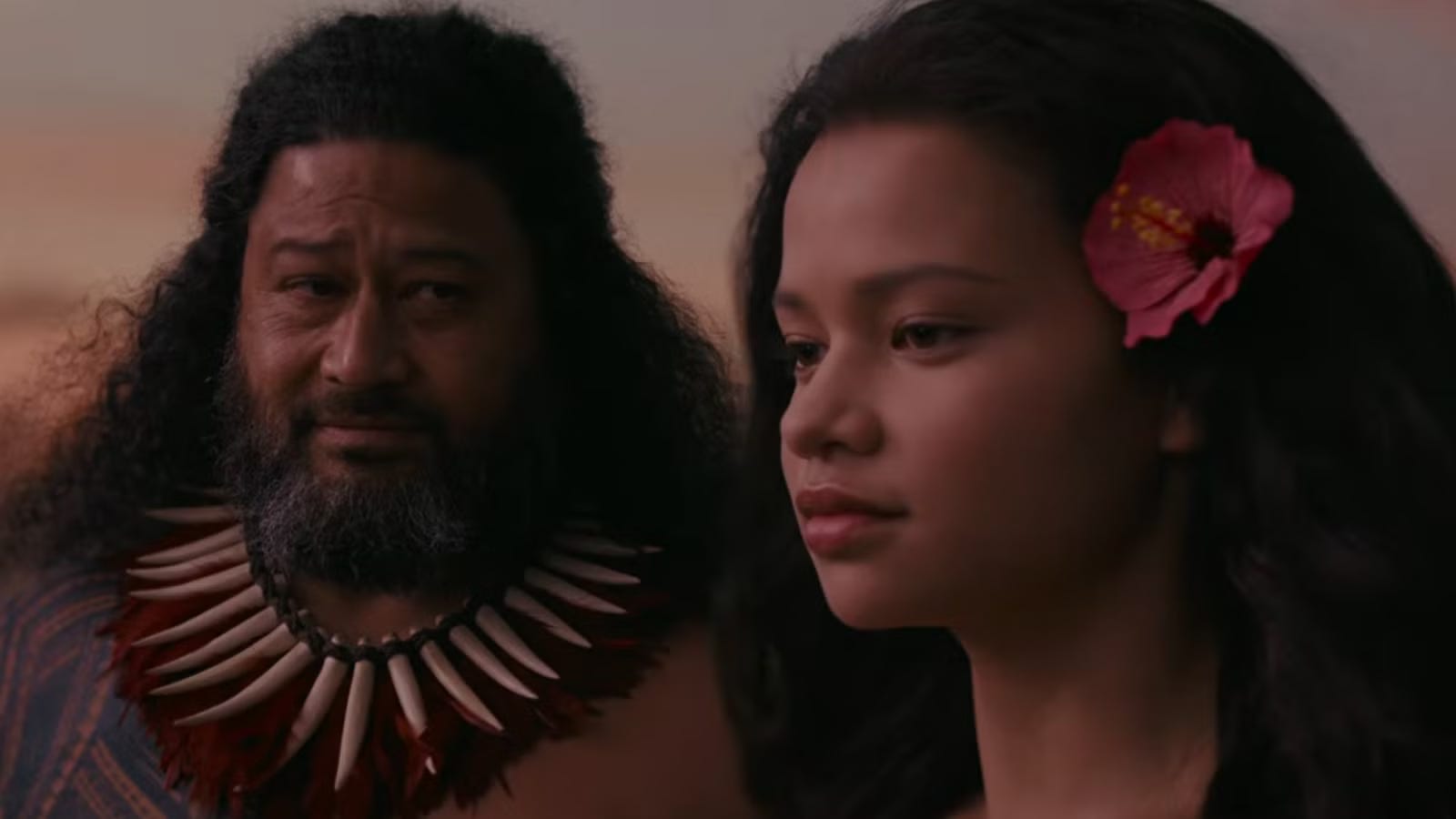
The film stars Australian newcomer Catherine Laga’aia, who has received genuinely positive personal notices through all of the backlash — critics of the trailer have been consistent in separating her casting from their objections. That does not solve the problem. The problem is not the lead actress. The problem is that Disney looked at one of its most recent animated successes, produced a sequel that crossed a billion dollars, and then immediately announced a live-action version while the sequel was still in cultural memory.
The final trailer opening ticket sales on June 10 is the last major opportunity to build pre-release momentum. Whether it worked will show up in the pre-sale data over the next two weeks before the film opens. The prior trailers did not build enthusiasm. The final trailer did not change the conversation. The comment sections are still asking the same question they asked in November: why does this exist?
Disney has not answered that question. “The ocean calls” is a thematic line, not a business rationale. The audience knows the difference.
The second book of The Secret Scrolls of Naruto shifts the action from the open roads and waterways of the Kamigata to the warren of Tokugawa-era Tokyo, where the conspiracy runs deeper, the villains are closer, and nobody can be trusted. Two killers strike a deal over saké: one will murder the swordsman-monk Gennojō, the other will claim the woman he has been hunting since Osaka. Underground chambers, a great urban fire, a swordfight in total darkness on a plum-scented path, a deathbed confession that transforms a pickpocket, and a midnight ambush at Sensō-ji temple — this is the book where Yoshikawa Eiji earns his reputation as the Alexandre Dumas of Japan.

Disney's Live Action Moana has a problem no trailer can fix — The problem is another Live-Action movie.
Disney has no spark of creativity anymore. It's make a cartoon, cash-grab, make a live-action movie, cash-grab.
I miss old Disney, the Disney that wasn't afraid to take a chance.
Drain "The Cock" Johnson lost me when he started begging for donations alongside Oprah after she helped burn down Hawaii.