


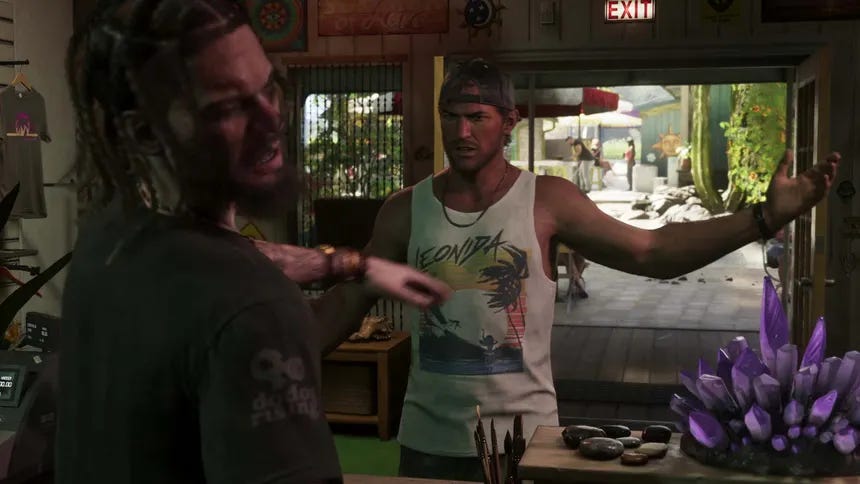
The leaker behind the ongoing GTA VI breach dropped a new claim alongside its latest clip this week: “This build is actually recent and the game is not ready at all. Sony and Rockstar are killing your right to own and resell your games and Rockstar is killing their own employees...” It’s an unverified statement from an anonymous account running a parallel crypto-token promotion alongside its leaks. There’s no independent confirmation the game is actually behind schedule. But the claim landed instantly, and it landed because gamers have been trained by a decade of industry behavior to assume it’s true before anyone proves otherwise.
Why “Not Ready” Is the Easiest Sell in Gaming Right Now
Rockstar’s own Wednesday statement chose the word “nearly there” over “done,” on a title less than three months from a November 19 launch that’s already been delayed twice. That phrasing alone was enough to keep the “not finished” narrative alive without Cyberleek’s help. But the deeper reason this specific claim spreads so fast isn’t anything unique to GTA VI. It’s that “buggy at launch, fixed later” has become the default expectation for AAA games, not the exception.
Cyberpunk 2077 is the reference point everyone still reaches for. CD Projekt Red promised a day-one patch would resolve “most bugs.” It didn’t. Players and reviewers ran into animation glitches, texture pop-in, and outright crashes, particularly on last-gen consoles, and the game’s reputation took years to recover despite genuinely substantial fixes down the line. Battlefield 4 launched with server instability so severe it became one of the most cited broken launches in the genre’s history, then spent months getting rebuilt into something closer to what was promised on day one. Halo: The Master Chief Collection shipped in 2014 with a day-one patch north of 20 gigabytes and multiplayer that barely functioned for months afterward, for a franchise that once defined what a polished console launch looked like.
The pattern isn’t a handful of unlucky releases. It’s routine enough that “wait three months before buying any AAA game” has become genuine, widely repeated advice among players who’ve been burned enough times to stop trusting launch day. One industry write-up on the phenomenon put it bluntly: modern players read patch notes, follow developer social accounts, and can tell the difference between a balance hotfix and a “technical improvements” patch that’s quietly covering for something bigger, and they still buy at launch anyway, because the industry has made peace with selling an unfinished product as long as the fix arrives eventually.
What That Costs Players
That’s the part that should bother people more than it does. A day-one patch used to mean a developer fixing something they caught late. Now it functions as a routine part of how games ship, baked into planning from the start rather than treated as an emergency. Publishers know certification and manufacturing lock a disc’s contents weeks or months before release, so the version that reaches a player’s console on day one is already understood, internally, to be behind where development actually stands. The download isn’t a bonus. It’s the studio quietly admitting the boxed or downloaded product wasn’t the finished one, and betting that players will patch it themselves rather than demand a refund.
That’s not a consumer being served. That’s a consumer being used as unpaid quality assurance for a product they already paid full price for, on the assumption that the sting of a rough launch fades faster than the sales figures matter. Corporations across this industry have learned that a broken launch costs less in refunds and reputation than a delayed one costs in missed earnings calls and shareholder pressure, and they’ve built their release calendars around that math instead of around actually finishing the game first.
Why Cyberleek’s Claim Works Even Without Proof
None of that proves Cyberleek is telling the truth about GTA VI specifically. The claim comes from an anonymous source running a token-sale operation on the side, with every incentive to keep the drama alive regardless of what’s actually true. But the reason millions of people are willing to entertain it without evidence is that the industry itself built the premise. When “not ready” has been the honest description of half the biggest launches of the last decade, an unverified leak claiming the same thing about the next one doesn’t need much convincing. Rockstar earned the benefit of the doubt from nobody but its own history, and its own history, like the rest of the industry’s, is full of exactly this pattern.
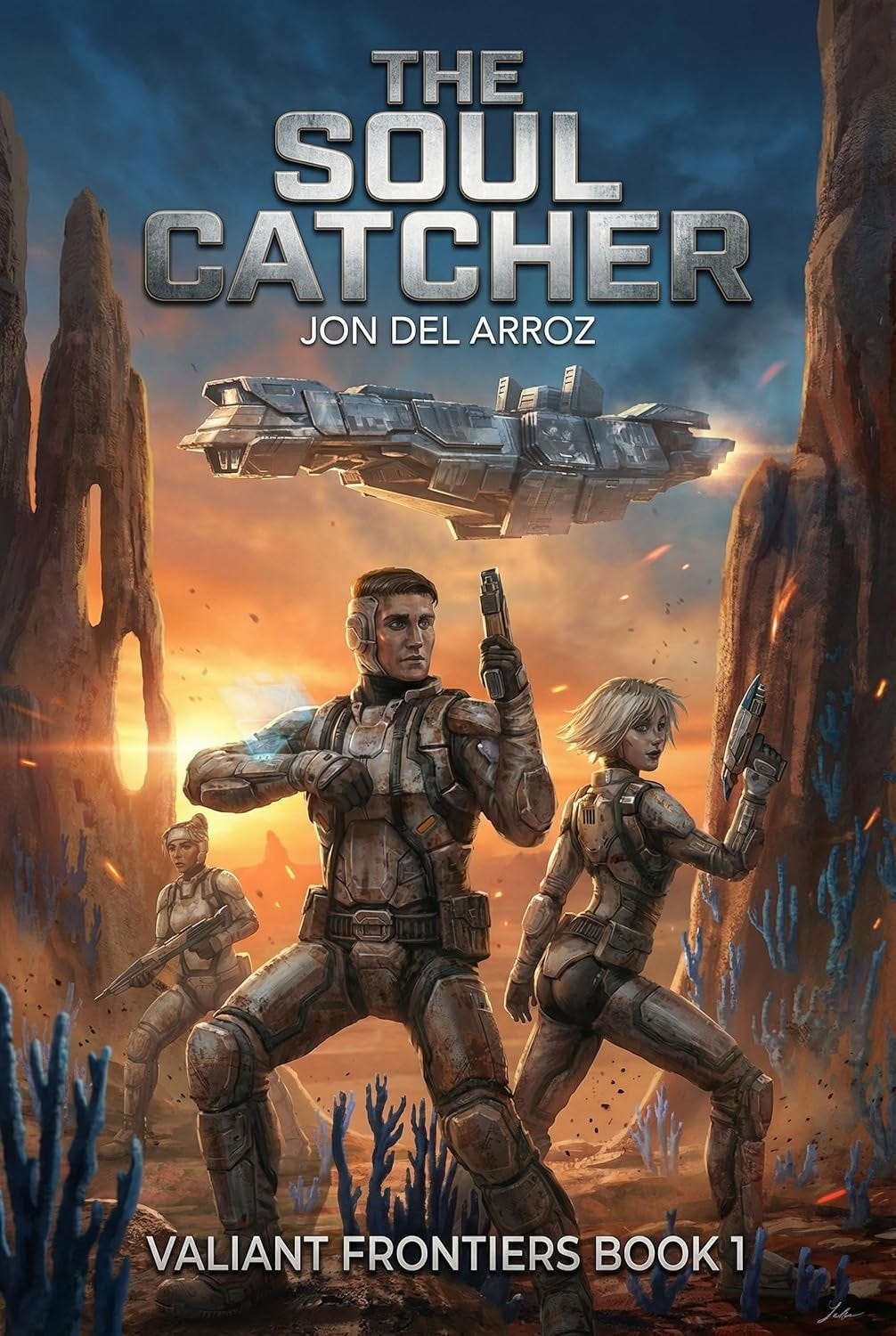
First contact with the Oridians was supposed to be humanity’s proudest moment. Instead, their chief engineer is dead, their ship is sabotaged, and an ancient alien technology is stealing souls. Book one of the Valiant Frontiers series delivers exploration, mystery, and the kind of crew you’ll want to follow across the galaxy. Read The Soul Catcher on Amazon and start the adventure.
NEXT: Lanterns Episode 3 Review: “OutKast” Trades Mystery for a Lecture and Loses the Series’ Momentum
Is there a single AAA game that isn't broke, buggy, and woke?
At this point, why bother?
Is that why it ships with a code for digital download? Endless fixes, patches and player run Q&A sessions to iron it all out for a potential Physical Disc Many Months later?