


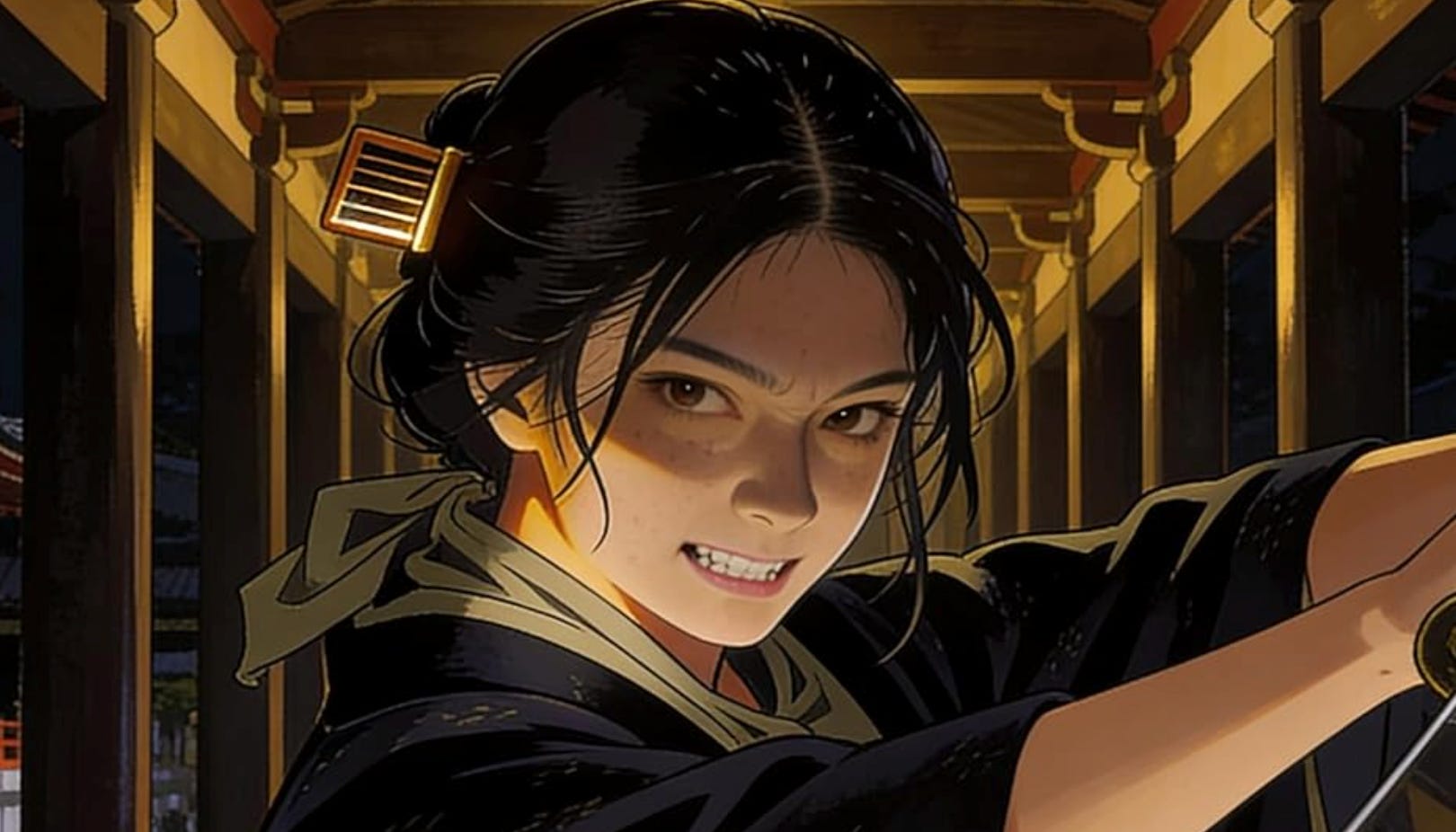
Vox Day’s Castalia Library is quietly doing something the mainstream publishing world has largely ignored: translating major works of classic Japanese literature into English for the first time. The latest release is The Secret Scrolls of Naruto: The Edo Scroll, the second book in Eiji Yoshikawa’s serialized adventure novel, published exactly 100 years after its original Japanese publication, and never previously available to English readers.
For anyone who loves historical fiction, adventure storytelling, or Japanese culture, this is a game changing moment.
Who Was Eiji Yoshikawa?
Eiji Yoshikawa (1892-1962) is one of the most important figures in Japanese literary history, yet he remains almost entirely unknown to Western audiences due to the limited number of his works that have been translated into English. He was a prolific serialized novelist whose work appeared in newspapers and magazines across Japan throughout the early-to-mid 20th century, building a readership that made him a genuine national institution.
The comparison Castalia Library draws, calling him “the Alexandre Dumas of Japan,” is apt and illuminating. Like Dumas, Yoshikawa wrote sweeping historical adventures populated with memorable characters, propulsive plots, and a deep engagement with the history and culture of his nation. Like Dumas, he worked in serialized form, delivering regular installments to an eager readership. And like Dumas, his work operates on multiple levels simultaneously—entertainment on the surface, historical meditation underneath.
The few Yoshikawa works that have reached English audiences demonstrate his stature. His novel Musashi is the definitive fictional account of legendary swordsman Miyamoto Musashi, and that has been available in English translation since 1981, remaining one of the finest historical novels ever written in any language. His Taiko, about the life of Toyotomi Hideyoshi, is similarly celebrated. These translations revealed a writer of extraordinary gifts to Western audiences, and they also revealed how much remains untranslated.
The Secret Scrolls of Naruto is one of those untranslated works. Until now.
The Secret Scrolls of Naruto

The series is set in Edo, the city we now know as Tokyo, during the 1760s, deep in the era of the Tokugawa Shogunate. The Tokugawa period (1603-1868) was one of Japan’s most distinctive historical eras: a time of enforced peace maintained through rigid social hierarchy, political isolation from the outside world, and the elaborate culture that produced kabuki theater, ukiyo-e woodblock prints, and the flowering of urban merchant culture.
Yoshikawa sets his story in the warren of streets and hidden spaces that characterized this world. The first book established the characters and the Kamigata region—the Osaka-Kyoto area. The second book, The Edo Scroll, shifts to Tokugawa-era Tokyo, where the conspiracy deepens.
The premise is classic adventure fiction. A detective named Mankichi from Osaka is hunting a missing woman through the back streets of Surugadai in midwinter. What he finds leads him into a conspiracy involving killers, a swordsman-monk named Gennojō, underground chambers, a great urban fire, a swordfight in darkness, and a midnight ambush at the real historical temple Sensō-ji. The pacing is propulsive, the atmosphere is specific, and the characters are the kind of vivid creations that made Yoshikawa famous.
Vox Day has been direct about the quality. “I can attest that these books are very, very good,” he wrote in announcing the release.
Wait, Naruto?
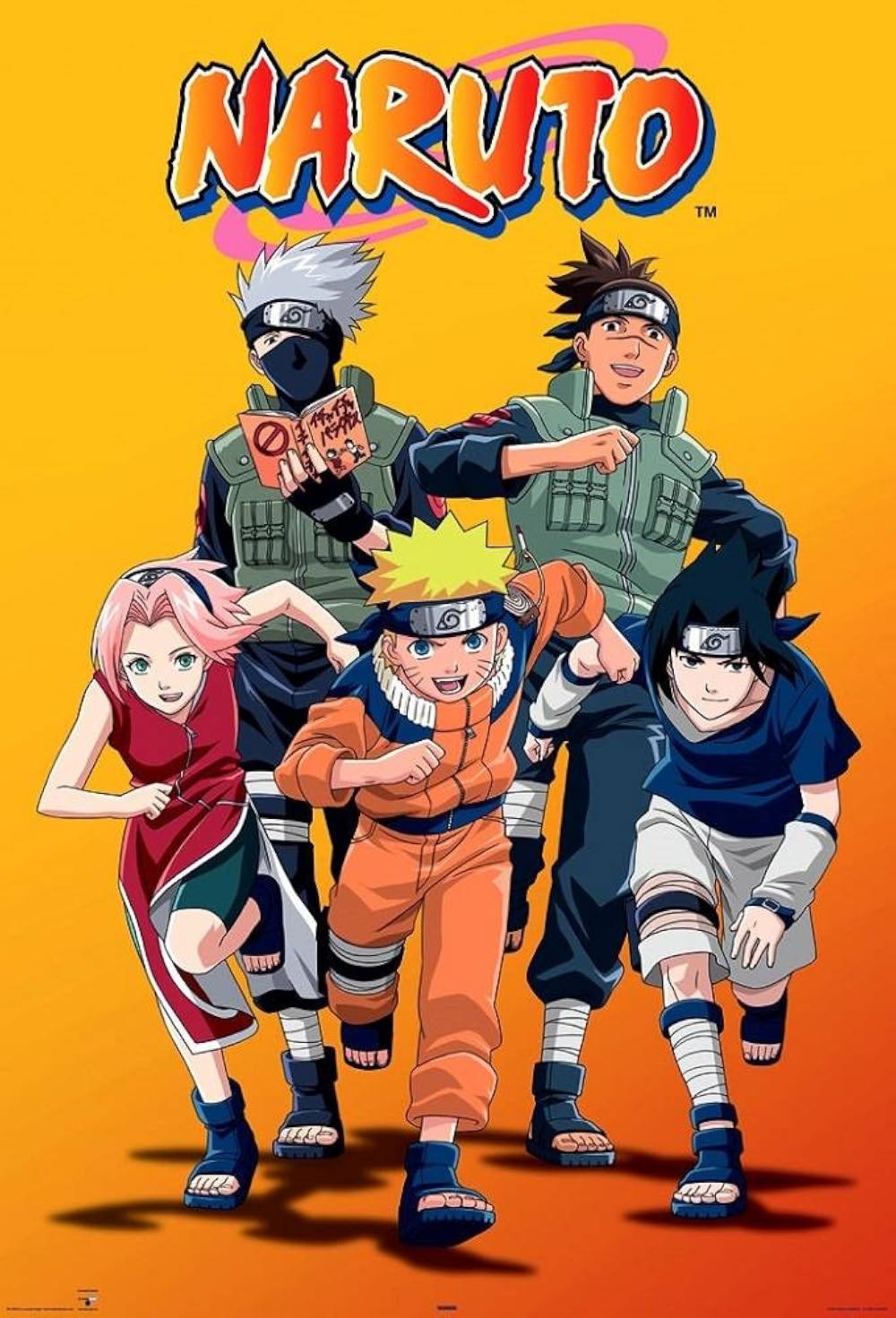
Western readers encountering the title The Secret Scrolls of Naruto will inevitably think of Masashi Kishimoto’s massively popular manga and anime series about a young ninja named Naruto Uzumaki. The franchise has sold over 250 million copies worldwide and introduced an entire generation of Western readers to Japanese culture.
The connection is more than coincidental. In Japanese, “naruto” refers to the famous whirlpools of the Naruto Strait between Awaji Island and Shikoku, a natural phenomenon that has been part of Japanese cultural consciousness for centuries. The name appears throughout Japanese history, literature, and geography.
Kishimoto has never explicitly cited Yoshikawa’s ninja stories as an influence, but the thematic overlap is striking. Yoshikawa’s Secret Scrolls involves ninja, scrolls, secret techniques, and the shadowy world of covert operatives in feudal Japan—precisely the mythology that Kishimoto drew on when creating his modern ninja universe. The ninja tradition Yoshikawa was fictionalizing in the 1920s is the same tradition that eventually produced one of the most popular anime franchises in history.
Whether Kishimoto read Yoshikawa is unknown. What’s clear is that both writers are drawing from the same deep well of Japanese cultural mythology around ninja, hidden techniques, and the shadow world operating beneath the visible surface of Tokugawa society.
For anime fans who love Naruto and want to understand the historical and literary roots of the world Kishimoto drew from, Yoshikawa’s novels are essential context. The scrolls, the techniques, the shadow operatives—this is where that mythology comes from.
The Castalia Library Project
The Yoshikawa translations are part of an ambitious project at Castalia Library. The scope extends well beyond Japanese literature.
Spanish literature is being addressed through Benito Pérez Galdós’s Episodios Nacionales, a 46-volume landmark series of historical novels about Spain that remains almost entirely unknown to English readers despite being one of the major achievements of 19th-century European literature. The first three volumes have been translated and will be available in May. Forty-three more volumes await.
Galdós (1843-1920) was the Spanish equivalent of Dickens, a prolific, politically engaged novelist whose work engaged with Spanish history and society across a massive canvas. The Episodios Nacionales covers Spanish history from the Battle of Trafalgar (1805) through the Restoration era, combining historical fiction with social commentary in ways that made Galdós the defining novelist of modern Spain. That this work has been unavailable in English is a genuine gap in the literary canon.
Previously untranslated works from Italian and German have also been completed, though specific titles haven’t been announced. The Library’s stated commitment is to translation quality—Castalia claims their translations consistently rate higher than the average translated classic, working with translators who prioritize accuracy and literary quality over speed.
The Subscription Model
Access to these translations is available through a paid Castalia Library subscription, which delivers new translations on a weekly Monday release schedule. Individual titles are also available on Kindle, Kindle Unlimited, and audiobook for readers who want specific works without a subscription commitment.
The subscription model serves the translation project directly. Unlike traditional publishing, where a translation of a relatively obscure foreign classic requires a commercial calculation about whether it can sell enough copies to justify the investment, the subscription model allows Castalia to fund ongoing translation work through reader support. The weekly release cadence—new translation every Monday—creates a sustained output that traditional publishing couldn’t maintain for this kind of material.
What do you think? Are there other major works of world literature that English readers are missing out on due to a lack of translation, and should more publishers be taking on this kind of project?
NEXT: After the Undiscovered Country: The Star Trek Novels That Tried to Close the Book on Kirk’s Crew
This is awesome that Mr. Day is doing this. Can't wait for the whole series. Once I read this, I will become a true Naruto Uzumaki fan. Haha Jk, loved that you put that in there.
This novel is fantastic. I look forward to the weekly serialization. Hopefully, a print edition will be made available. This book is too good not to be available in the English-speaking world.