


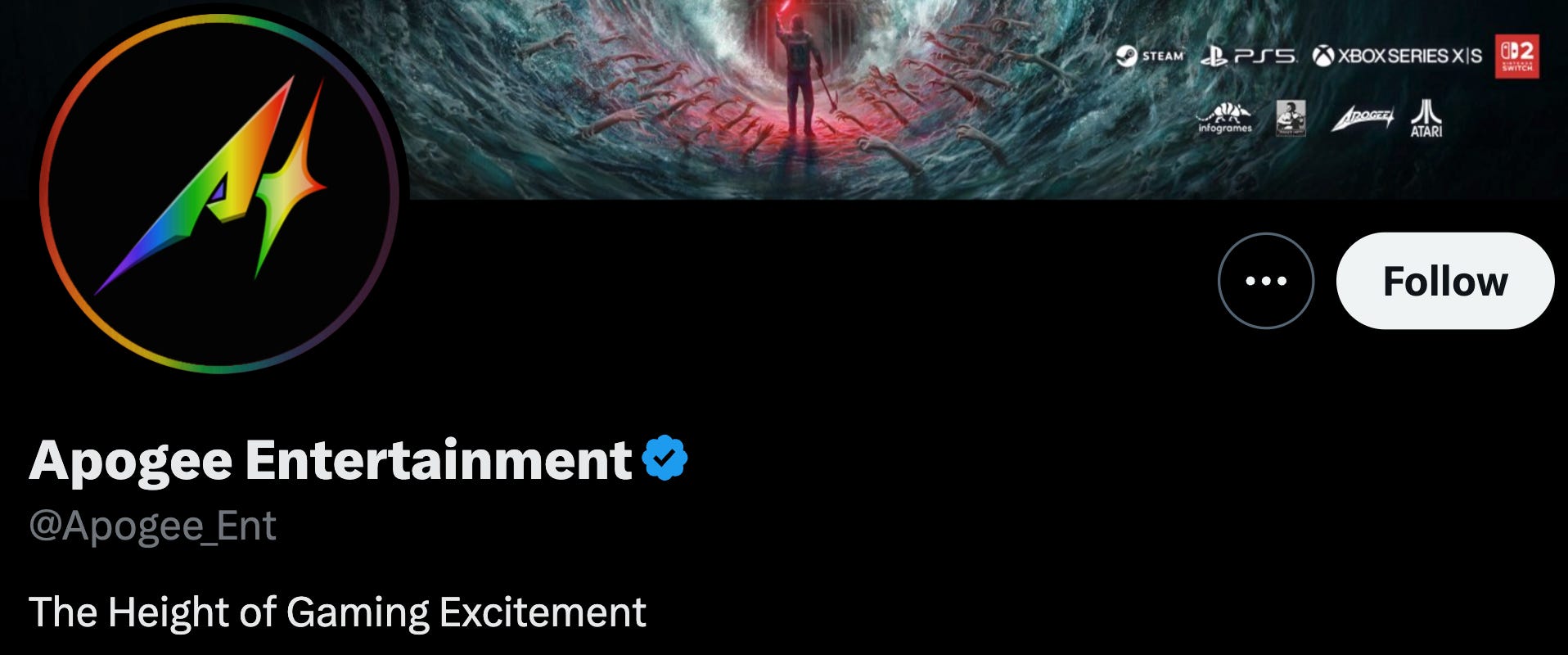
Pride Month arrived and Apogee Entertainment put a rainbow on their logo. Gaming influencer Yorch Torch Games noticed and posted: “Apogee Entertainment is now sporting a Pride Month logo. Terribly, terribly disappointing, especially considering that much of Apogee’s fan base consists of fathers. The home of Commander Keen, Duke Nukem and Raptor has now officially been hijacked by the woke mob.”
Jeron Moore, who heads development at Apogee, responded publicly: “As a gay man who heads up development here at Apogee, I love that we take this month to celebrate the broad spectrum of differences that make our games what they are. Our queer employees and contractors — yes, we exist — bring invaluable perspectives to our titles, enjoyed by all walks of life. My own father isn’t with us anymore, but if he were, I know he’d be incredibly proud of me, and what we’re doing as a studio. I rest easy knowing plenty of fathers stand in our corner. But hey, hang in there, June will be over in no time.”
When it was then pointed out that Pride Month is fundamentally about sexual identity and lifestyle, Moore responded: “Bruh… I think you’re the only one equating a rainbow logo with bedroom talk… that’s just goofy. Let’s stay focused on the actual talking points of the thread rather than the discourse you’re imagining. Have a good one.”
The dismissal is a standard deflection. A Pride logo is explicitly a symbol of sexual and gender identity advocacy. Describing it as simply “celebrating differences” and then mocking critics for noticing what the symbol represents is the rhetorical move every company makes when its audience pushes back on activist branding. The symbol means exactly what it means. Calling the audience goofy for reading it accurately does not change what it means.
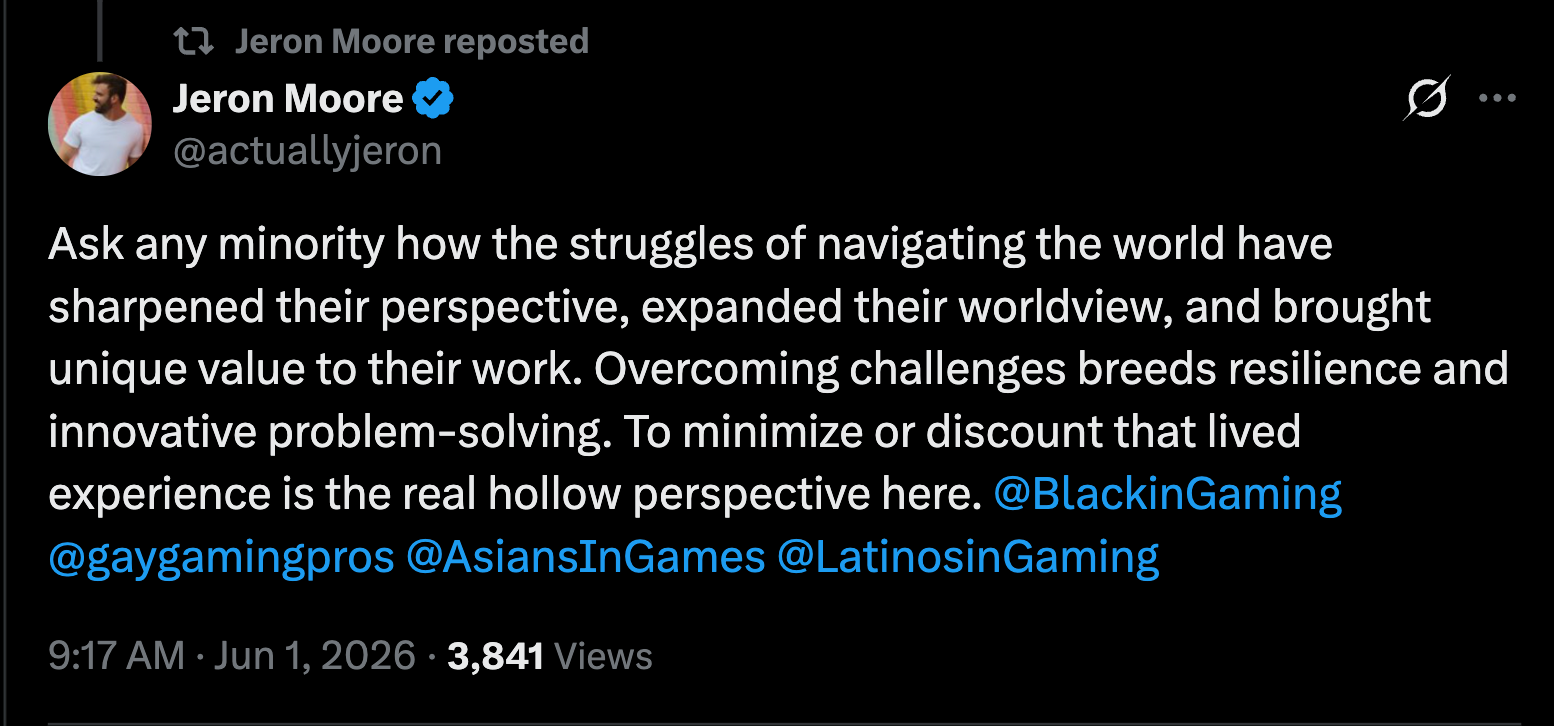
On top of it, he then further replied by doubling down to virtue signal to pretty much every minority demogrpahic, “Ask any minority how the struggles of navigating the world have sharpened their perspective, expanded their worldview, and brought unique value to their work. Overcoming challenges breeds resilience and innovative problem-solving. To minimize or discount that lived experience is the real hollow perspective here. @BlackinGamin @gaygamingpro @AsiansInGame @LatinosinGaming”
The context of who Apogee is, and where their money comes from, makes the posture more interesting.
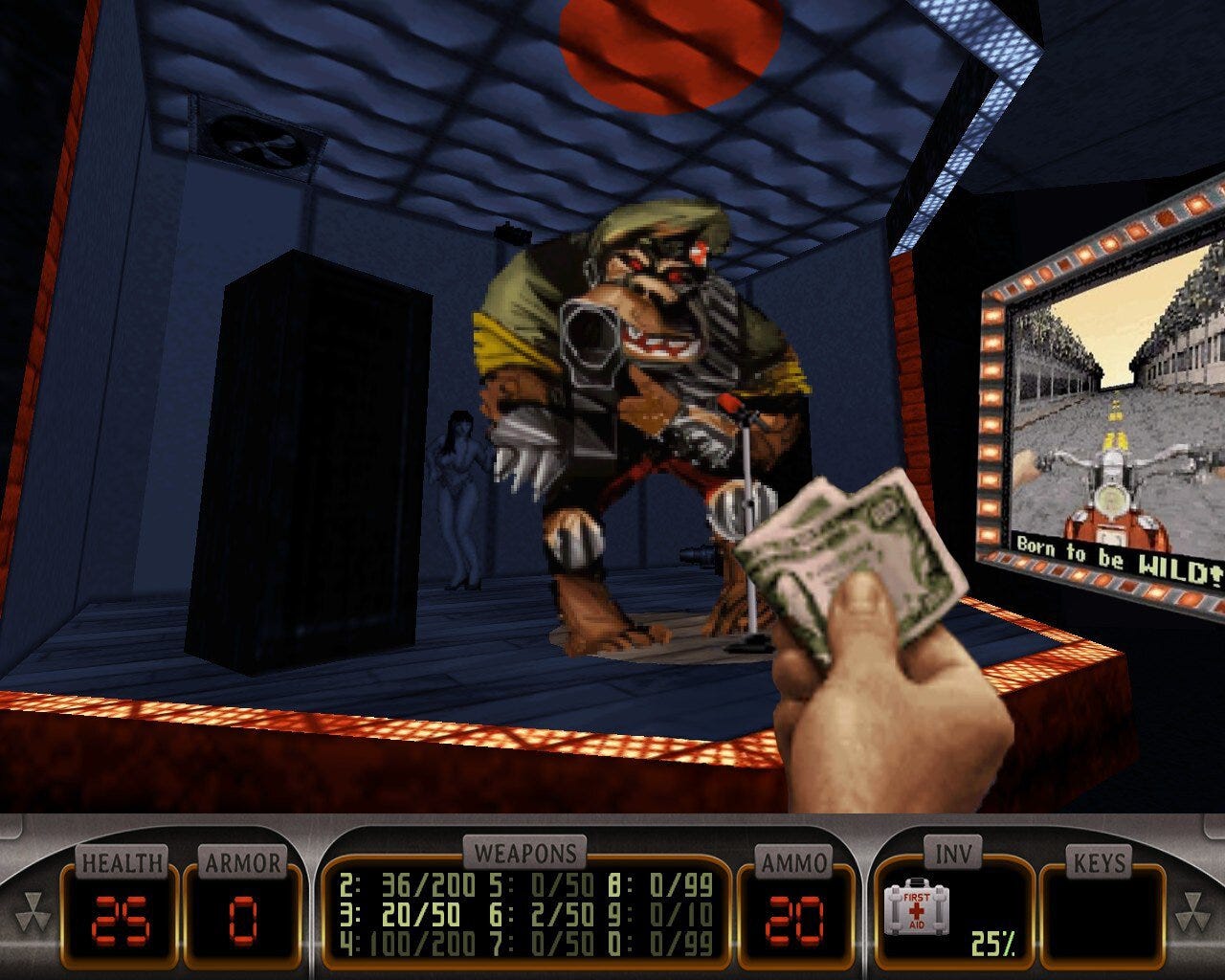
Apogee Software was founded in 1987 by Scott Miller in Garland, Texas. The company developed and published Commander Keen, Duke Nukem, Shadow Warrior, and Raptor: Call of the Shadows, and served as publisher for early id Software titles including Wolfenstein 3D. This was the shareware era — Apogee pioneered the model of distributing the first episode of a game for free and selling the rest by mail order, a commercial innovation that funded the entire early PC gaming industry. The games were hard, fast, violent, and aimed squarely at the teenage boys who were the demographic backbone of PC gaming in the early 1990s. Nobody was putting rainbow logos on the Duke Nukem press materials.
The company went through multiple ownership changes and identity shifts over the decades. It relaunched as Apogee Entertainment in 2021, repositioning as a publisher of indie games. In January 2022, the company took a $5 million Series A investment from eWTP Capital. eWTP Capital is headquartered in Beijing, China. That is Apogee’s only confirmed institutional investor. The company that made its name publishing games for American teenage boys is currently operating on Chinese capital.
The recent publishing track record reflects a studio that is not finding commercial traction. Apogee’s post-relaunch catalog includes Turbo Kid, Batora: Lost Haven, Ripout, Rauniot, and several smaller titles, a lineup of modest indie releases that have not generated the kind of cultural presence the original Apogee name once commanded. The 2022 announcement framed the eWTP investment as funding to “expand staff and business portfolio” and to support “discovering new indie studios and nurturing their international success.” The international success has not materialized at a scale that would justify the nostalgia attached to the brand.
This is the pattern. A company with legacy credibility built on games that spoke directly to a specific audience rebrands for a new era, takes investment from a Chinese fund, staffs up with activists who publicly tell the legacy audience their concerns are “goofy,” and then wonders why that audience has moved on. The original Apogee did not need a Pride logo to build its fanbase. It needed Commander Keen and Duke Nukem. The new Apogee has the logo. The games are not in the same conversation as what built the name.
Moore’s response to the criticism is confident. That confidence might be easier to maintain when the games are selling. June will be over in no time. The audience that built Apogee will remember whether the games were worth coming back for, regardless of what logo was on the website while they were waiting.
What do you think about companies with legacy gaming brands using activist branding on their audience? Let us know in the comments.
450 pages of classic superhero storytelling that puts character first. The Flying Sparks Omnibus collects the complete saga of Meta-Girl — the kind of cape comic the mainstream forgot how to make. Sign up to get your copy.
NEXT: Bungie Is Killing Destiny 2 To Fund a Game Nobody Wanted An Players Are Review Bombing It In Protest
Thanks for the mention, Jon.
Modern Apogee is not the Apogee we grew up with.
Thanks apogee, I'll never buy another game that you touch.