


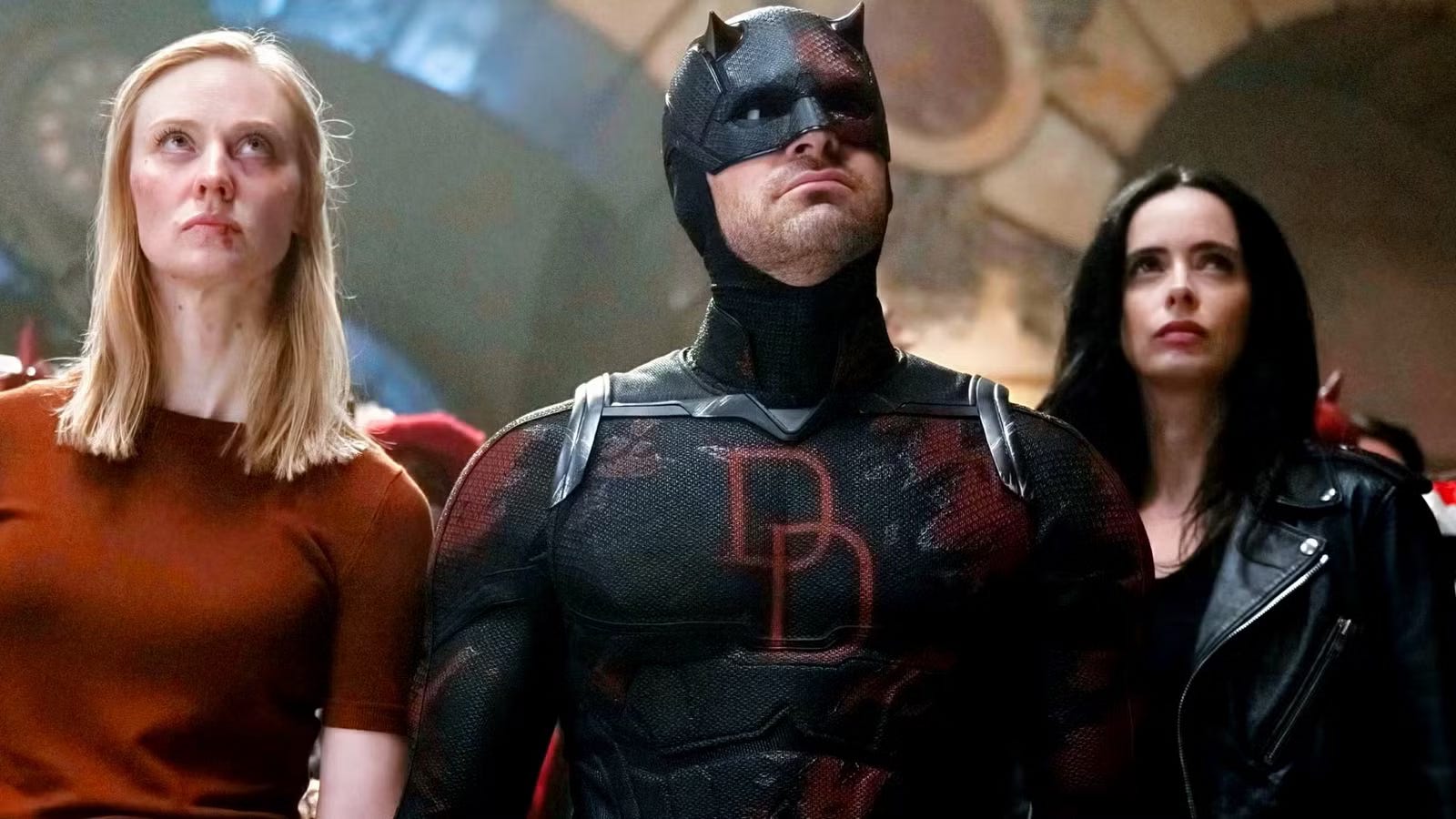
Charlie Cox recently sat down with Josh Horowitz and explained, in more detail than Marvel’s press operation usually allows, exactly what happened to Daredevil: Born Again before it ever reached screens.
The original version of Born Again was conceived by head writers Matt Corman and Chris Ord, who structured it as a legal procedural — an episodic, lighter-toned show modeled on network television’s long-running formats. Kevin Feige, by Cox’s account, had been watching the streaming landscape and concluded that the procedural model wasn’t dead. His logic: “What character do we have we can do that with? Well, we have a lawyer who’s already popular.”
Cox explained Feige’s thinking directly: “Kevin has actually since told me that they were looking at that model and saying we would like to have that kind of show on a streaming platform on Disney Plus.”
What Marvel built under Corman and Ord was reported to be almost unrecognizable to fans of the Netflix series. According to reports, the original Born Again’s tone was very different from the beloved Netflix series’ action and violence, feeling more like a legal procedural, with Charlie Cox only suiting up as Daredevil in episode four. Karen Page and Foggy Nelson — the emotional core of the original three seasons — were rumored to have been killed off in the new continuity. The show was being treated as a clean break rather than a continuation.
Then production paused for the 2023 WGA and SAG-AFTRA strikes. Marvel used the pause.
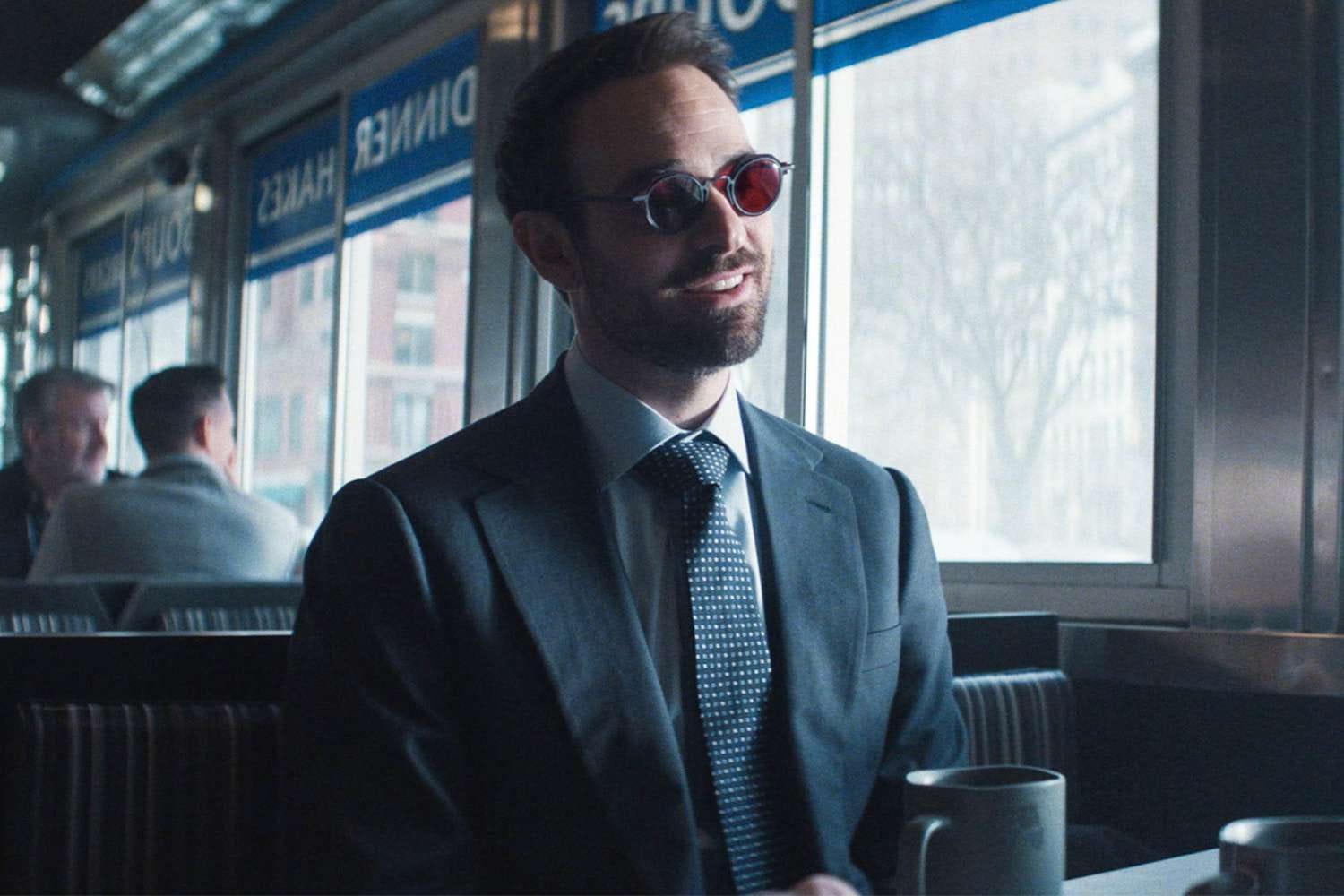
Marvel Studios decided to overhaul the series by late September 2023 and released Corman, Ord, and the remaining directors. The news broke that Marvel Studios had fired Daredevil: Born Again head writers Chris Ord and Matt Corman as part of a creative overhaul. Directors hired to helm the remaining instalments were also let go. Dario Scardapane, a writer on Netflix’s Daredevil spin-off series The Punisher, was hired to serve as showrunner in October 2023. Ord and Corman are only credited for the second episode of the finished season, meaning nearly all of their work was discarded.
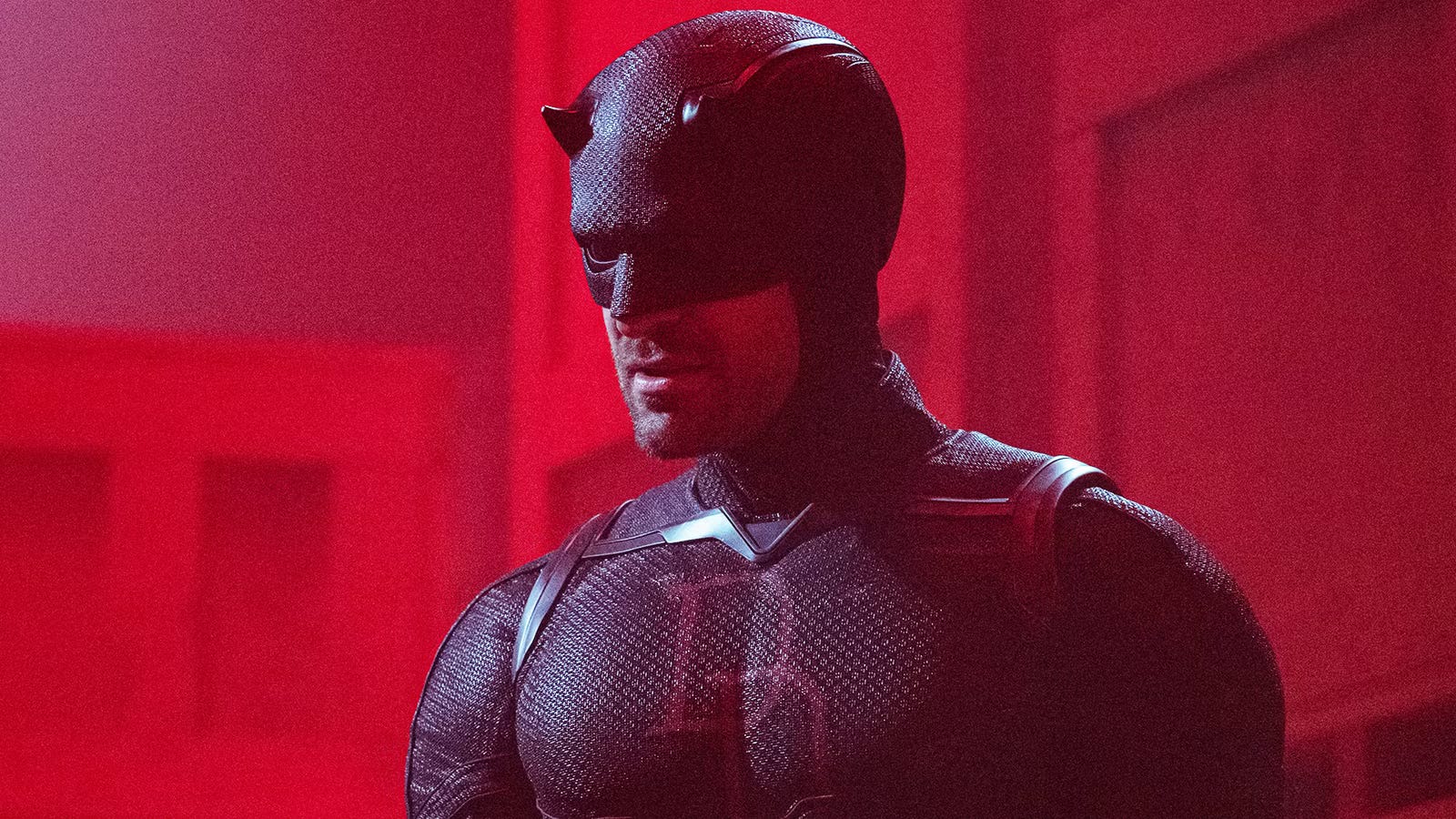
Cox described what prompted the reversal in his own words: “Once we got into production, it very quickly became apparent that the lessons we’d learned from the Born Again — from the movie that we had got right in the show, we were now almost unlearning a little bit and that the character really does work best in a serialized platform, but also when it’s darker and grittier.”
He credited both himself and D’Onofrio directly: “Always must say huge credit to Marvel and those guys because it takes a huge amount of courage and money to make a U-turn like that. We are indebted to them — they really did listen to Vincent and I.”
Horowitz noted the importance of restoring the ensemble of Karen, Foggy, the legacy relationships from the Netflix series. Cox agreed without hesitation.
The lead actor and his co-star then pushed Marvel to scrap the original show and rebuild it around the tone of the Netflix series. Marvel agreed. The entire writing and directing staff was replaced. A new showrunner was brought in to knit the discarded footage into a new framework.
The result was Season 1, a show where many critics acknowledged that the seams of the creative overhaul are visible. The stitching between Corman and Ord’s original material and Scardapane’s retrofitted framework produced exactly the tonal inconsistency you’d expect from a show built by two different creative teams with two different premises. Cox himself said the lessons being “unlearned” during the original production were visible. He was not wrong, and the finished product showed it.
Scardapane took the second season in a deliberately political direction. The Anti-Vigilante Task Force was modeled explicitly on ICE raids. Fisk’s government was framed as a Trump stand-in. Scardapane said in press that the imagery in post-production became “almost exact” to current events. Executive producer Sana Amanat told him to stop writing because the parallels were getting too intense. Matthew Lillard called the season “a battle cry for everyday citizens to do the right thing and fight the oppression that a lot of people right now are feeling.”
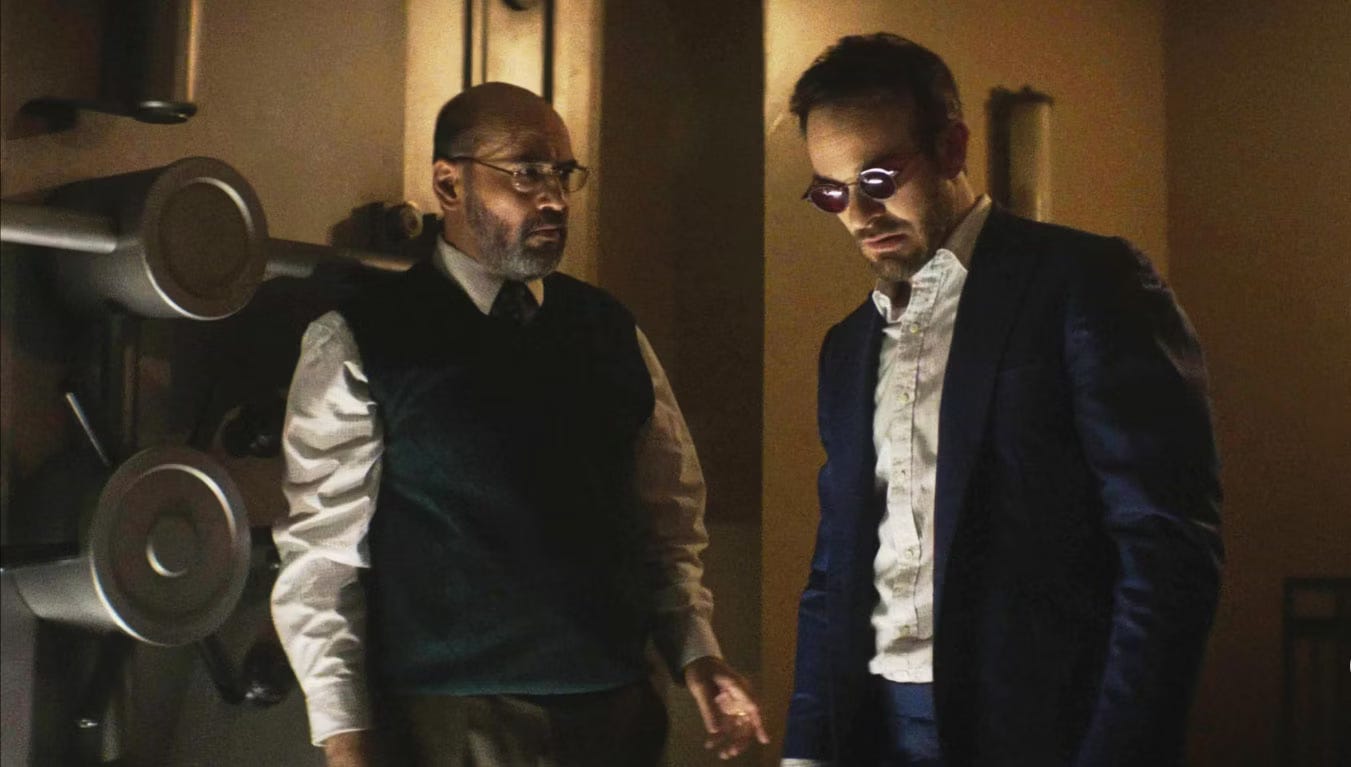
Fandom Pulse reported the results. Season 2 viewership dropped approximately 46% in views and 54% in hours watched from Season 1. The show never charted on the Nielsen or Luminate Top 10 streaming charts across either season. The audience that came back for Karen and Foggy did not stay for the ICE raid allegory.
Cox’s interview confirms something worth noting plainly. He and D’Onofrio influenced the creative direction of a show. The first season reflected that influence — darker, more serialized, connected to the Netflix continuity. The second season was shaped entirely by Scardapane’s political instincts, which took the darker and grittier framework Cox had advocated for and used it as a delivery mechanism for anti-Trump messaging.
Cox asked for a show that respected the character. He got it in Season 1, imperfectly, with visible stitching. Then Scardapane drove Season 2 somewhere Cox did not publicly endorse and the audience noticed.
Season 3 is filming now. Scardapane has said he wants to move away from topical politics and back toward Frank Miller-style street-level storytelling.
Did Charlie Cox’s influence produce the show Daredevil fans actually wanted, and did Scardapane’s political turn in Season 2 undo whatever Season 1 rebuilt?
NEXT: Martha Wells Goes to War Against AI, But Her Argument Has Some Problems
Ahh, Sana Amatwat is tied to this disaster. That makes so much sense now.