


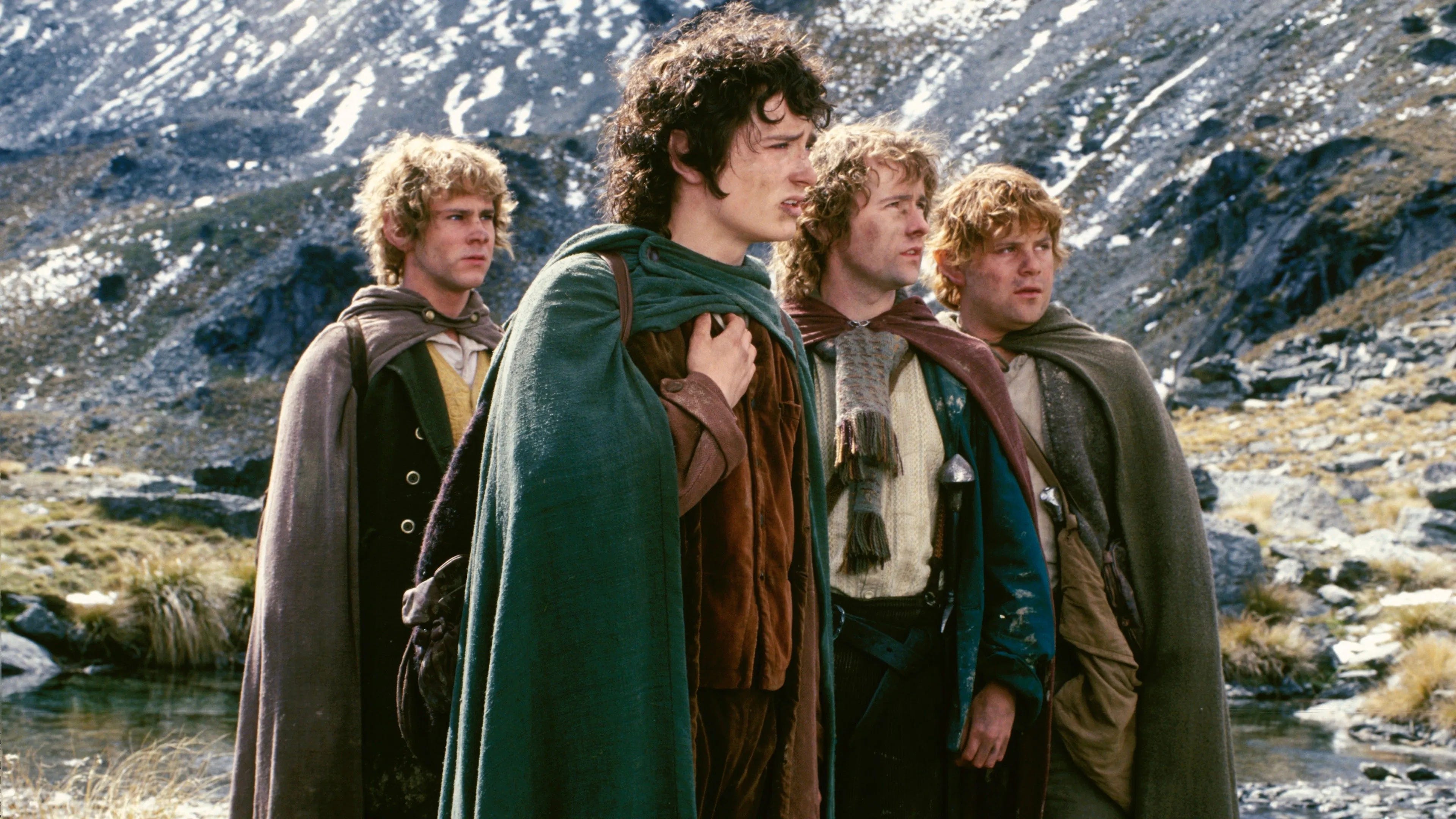
In much contemporary storytelling, writers lean on world building as being far more important than it actually is. Often they assume that constructing elaborate systems, geographies, and mythologies will guarantee meaning. Writers may obsess over maps, magic systems, political histories, and invented languages, convinced that the key to a deep and resounding story lies in the sheer volume of detail they can generate. The truth, however, is far less glamorous. The world you build in your head, no matter how intricate, doesn’t automatically earn the right to be loved by anyone else. A fictional world is only as compelling as the story that gives it purpose.
Consider J.R.R. Tolkien’s The Hobbit. The book does not begin with an encyclopedia of Middle-earth and we know almost nothing about all its lands, cultures, or creatures at the outset. The world becomes known to us only as it becomes known to Bilbo. Each new place and people is revealed through the logic of his journey. The reader discovers the world at the same pace and from the same vantage point as the character who inhabits it. Nothing is presented for its own sake. Every detail is accountable to the story that carries Bilbo forward. Thus, Middle-earth becomes a lived environment that gains meaning because it is woven into the drama of a reluctant hobbit.

While we may be tempted to believe that a fictional world is something we must first manufacture before we can inhabit it, the reality is that the world often becomes an abstraction detached from the narrative practices that give it substance. A world that is too derivative fades into the background because it merely repeats what is already familiar to us. On the other hand, a world that is too novel risks becoming unintelligible because it offers no shared points of cultural reference. In either case, the world fails to draw readers into meaningful participation.
A more meaningful world arises from the story itself. In other words, a good narrative is what gives a world its moral texture and its intelligibility. When writers begin with a story first, the world grows as a natural extension of the characters and the conflicts they embody. The world becomes tautological, meaning that it exists because the story requires it and its every detail becomes accountable to that requirement.
The alternative is a world that floats free of narrative purpose. It may dazzle the senses at first, offers images to look at, sounds to consume, mechanics to manipulate, and environments to wander through. Yet, if these sensations remain unanchored, they will only stimulate without inviting participation.
This is an ongoing problem in much of contemporary media. Books provide intricate descriptions that can be admired but not inhabited. Films overwhelm with visual spectacle and orchestral force, yet the audience is only left to receiving impressions rather than enter a story.
Video games offer expansive landscapes and intricate mechanics, but without a underlying narrative that gives these elements meaning, they become exercises in sensory accumulation rather than genuine places of belonging.
In each case, the medium becomes something to touch, hear, or see, but not something that draws the reader, or viewer, or player into a coherent drama. The senses are stimulated, yet the imagination remains unclaimed. The experience becomes one of consumption rather than participation. In a strange way, this even becomes a kind of protection in our present cultural moment. Much of what passes for progressive or ideologically driven media relies on sensory impact rather than genuine narrative formation. It can capture attention, but it cannot fully mold or shape its audience because it lacks the deeper narrative coherence that would allow it to do so.
The point being, world-building is to be put in its proper place. It should serve the story rather than precede it. When the narrative comes first, the world becomes a space of participation rather than a museum of invented detail. It becomes something readers can inhabit, not merely admire from a distance.
NEXT: Media Is Soft Power - What Everyone Knows And Pretends Not To Know

I always thought the obsession with world-building was getting out-of-hand. Regrettably, Tolkien’s admirers took a number of questionable lessons from his work. One is the obsession with world-building. Another is the notion that every story has to be a trilogy (or longer).
I agree that world-building should serve the story rather than exist for its own sake. I’d only add that compelling worlds aren’t built solely from maps or history. Widening the lens identifies that they’re built from shared psychology. Collective fears, beliefs, myths, identity, memory, and language create the invisible architecture that makes a story feel like it could only happen there.