



Ask the average American if animation is a legitimate medium for adult storytelling, and you’ll get a blank stare—or worse, a chuckle. Cartoons, after all, are “just for kids.”
Meanwhile, anime studios crank out blood-soaked cyberpunk dystopias, cerebral psychodramas, and multi-layered fantasy epics that would give a Western TV executive a heart attack. Why the disparity?
READ: C.S. Lewis Scholar Argues There Are Positives Of Sex-Swapped Aslan, There Are None
The answer goes back farther than most people realize. And it arises from Marshall McLuhan’s most famous aphorism: “The medium is the message.”
McLuhan was no fool. He knew that new media don't just deliver content; they become the content, in turn shaping how we perceive the world. The printing press didn’t just spread ideas; it created a literate, abstract-thinking society. Television didn’t just entertain; it rewired our brains to crave passive, flickering stimuli.
Animation as a medium was funneled into the American consciousness via one pipeline: Walt Disney. His early animated features—Snow White, Pinocchio, Bambi—weren’t just successful. They captured America’s imagination. Because they appeared at a time when the nation, battered by depression and headed for war, longed for innocence, wonder, and clear moral storytelling. Disney gave US audiences exactly what they craved.
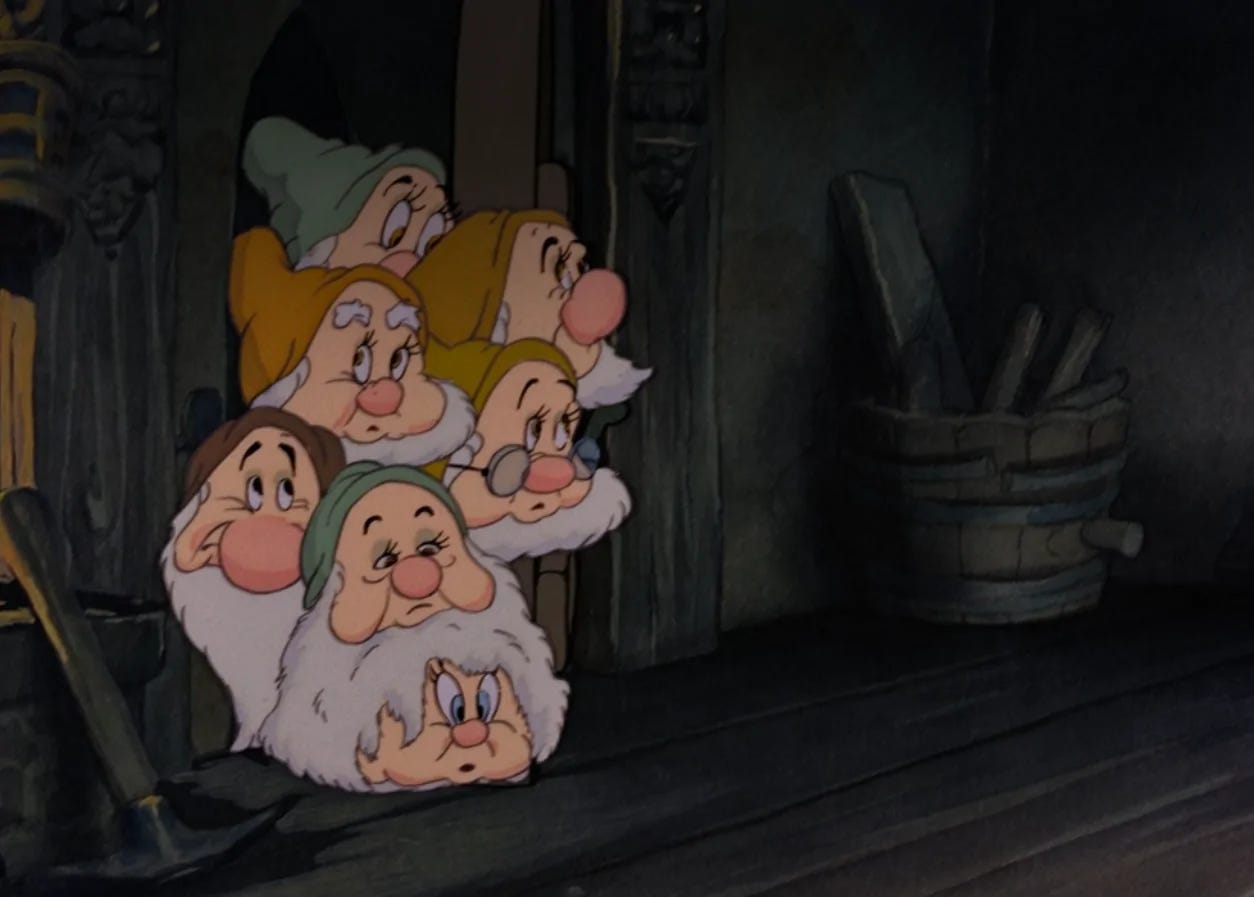
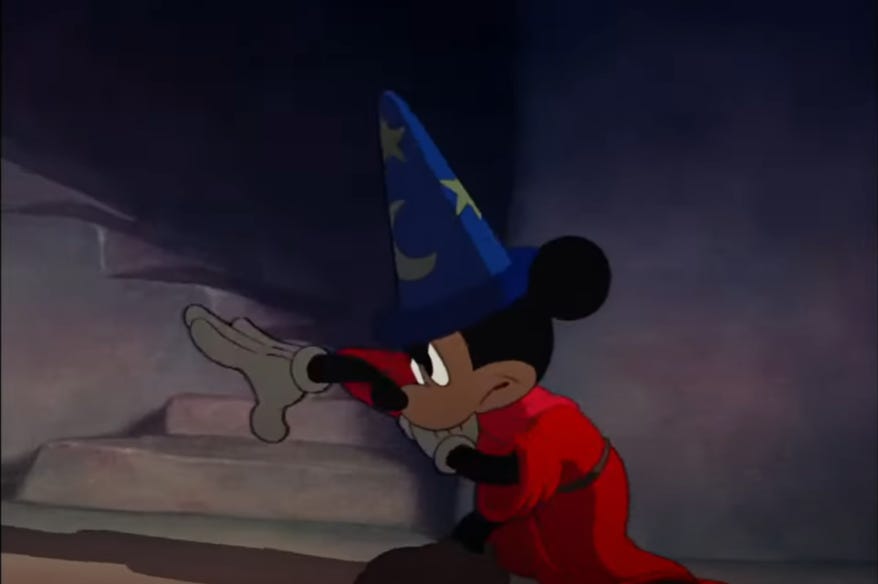
What McLuhan teaches us is that these initial cultural impressions stick. They become the default lens through which a society interprets a given medium. In America, animation arrived wearing Mickey Mouse ears. And it’s never taken them off.
This is why American audiences reflexively treat animation as kids’ stuff, even when presented with obvious counterexamples. It’s why The Iron Giant underperformed at the box office. It’s why Batman: The Animated Series had to disguise its frequently deep themes. It’s why The Simpsons had to pass off its social commentary as goofball satire.
America’s cultural operating system was written in the 1930s, and Uncle Walt was the programmer.
READ: Cannes Film Festival Bans Nudity On Red Carpet And Other Areas "For Decency Reasons"
Now contrast this state of affairs with Japan.
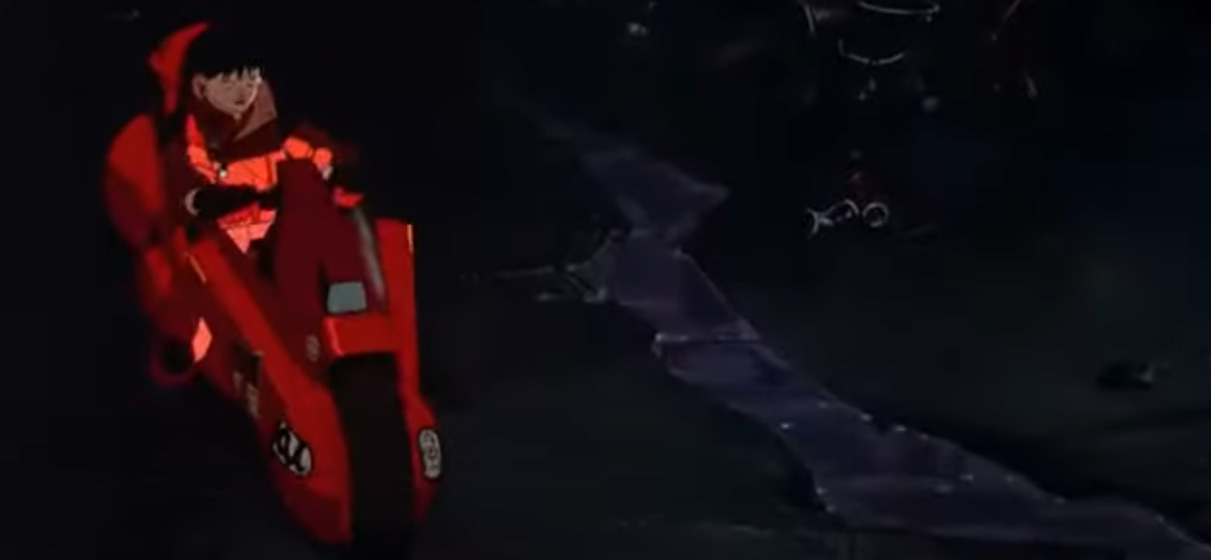
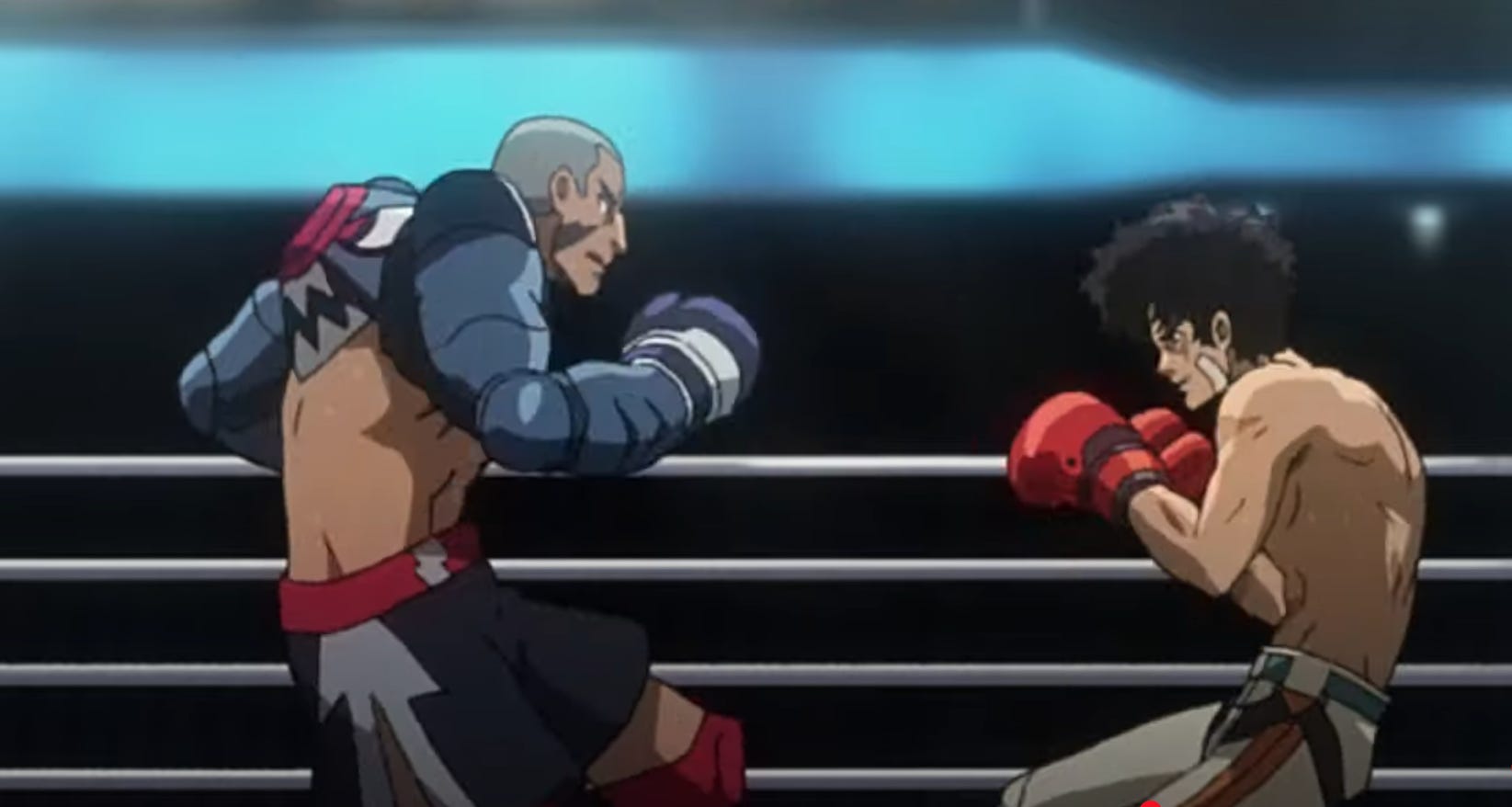
Japan had no Disney. Their animation industry arose under entirely different circumstances: postwar chaos, cultural upheaval, and industrial reconstruction. Their landmark animated films weren’t about deer and dwarfs. They were about atomic bombs, alienation, and gods gone mad. Akira, Ghost in the Shell, and Neon Genesis Evangelion weren’t Saturday morning cartoons. They were attempts at national scale exorcisms.
So when Japanese audiences see animation, they don’t ask, “Is this for kids?” They ask, “What is this trying to say?”
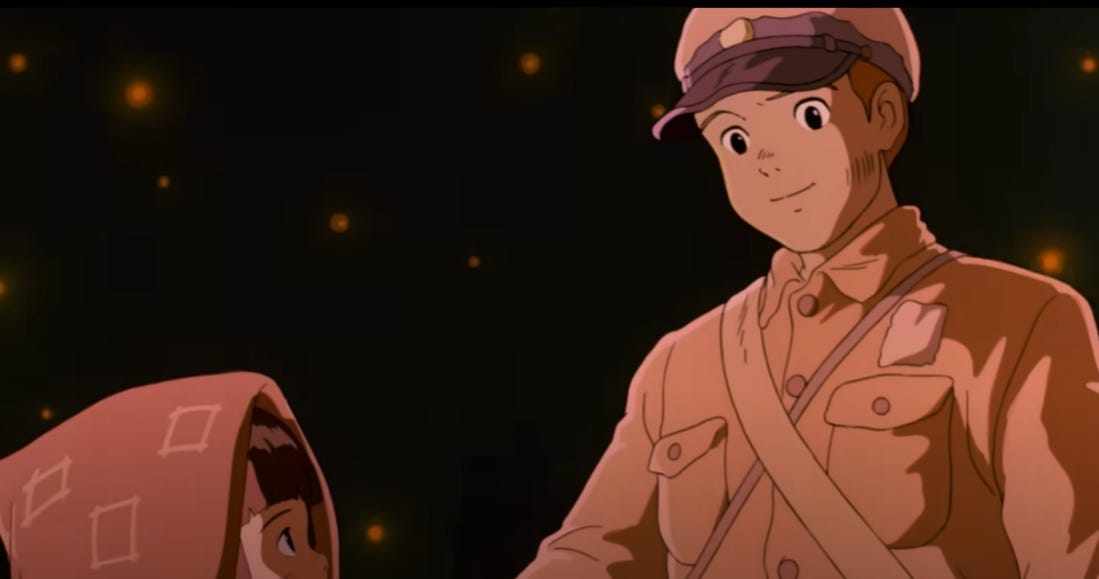
And the gate swings both ways. Consider Star Wars. George Lucas has stated again and again that the saga is for children; a modern fairy tale. Yet legions of fans insist on dissecting it like scripture. They need it to be profound. Because their fathers didn’t read them fairy tales, but they did take them to see The Empire Strikes Back. McLuhan’s insights suggest that Americans treat Flash Gordon serial fare like Star Wars as serious cinema, while devastating anime like Grave of the Fireflies achieves almost no cultural penetration, simply because the former is live-action and the latter is animated.
This is the crux of McLuhan’s insight: Once a medium becomes attached to a certain kind of message, it takes generational trauma to dislodge it. In America, Disney’s early dominance gave animation its message of innocent escapism. Japan didn’t receive that message, so their animators were free to write their own.
READ: Marvel Blames Disney For Recent Film And TV Failures, Uses Same Excuses As Star Wars
The question arises: Could animation ever be widely accepted as a serious medium for adults in the West?
Maybe—but it would require burning the Disney paradigm to the ground. And the Mouse guards his domain with all the powers of Hell.
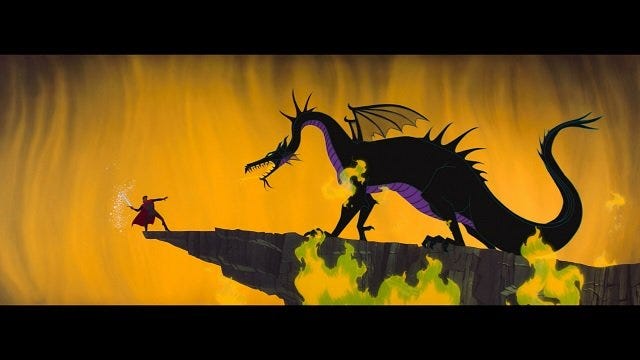
So if you’re a creator working in animation today, don’t waste time trying to “legitimize” it in the eyes of the culture. That ship sailed in 1937. Instead, let your artistic statement come through your work. Confront the audience with themes they didn’t think cartoons were allowed to present.
Because the medium may be the message, but using one message to deliver another wrapped within it is an art form even older than animation.
For a story that embodies the ideals of justice, honor and self-sacrifice, read Combat Frame XSeed on Amazon.


It could be a generational thing. A lot of people grew up with anime and realise that the medium of animation is not just for kids. This is also seen in the latest propaganda movies from Disney and Pixar where the parents see that what's on the screen is trying to indoctrinate their kids. Disney's downfall could give the spotlight to new creators and destroy the stupid notion that a piece of art is for young people only, because it happens to be drawn.
Well, even in Japan it took decades for the medium to be really taken seriously. You had to have Miyazaki, Tezuka, Tomino and Go Nagai. A lot of them point to the original Mobile Suit Gundam where the dam broke for the medium. Giving to a rise of very serious animated shows, OVAs and films in the 80s.
But I think the biggest difference is that the Japanese have a strong cultural pride with hard work, dedication and art. This also spills into games and comics as well as they take great care of their work even if it’s just for kids.