


The UK government’s attempt to combat right-wing extremism through a video game has spectacularly backfired, with players identifying with the character meant to serve as a cautionary tale. Pathways: Navigating the Internet and Extremism, developed by Hull City Council and Shout Out UK, has been pulled offline after its purple-haired antagonist Amelia became a viral meme celebrating British nationalism.
The game was designed as an educational tool for students, warning them about the dangers of online radicalization. Players choose between two characters named Charlie (male or female) who start university and want to make friends. Early in the story, they meet Amelia, a goth classmate involved in political activism linked to right-wing movements.
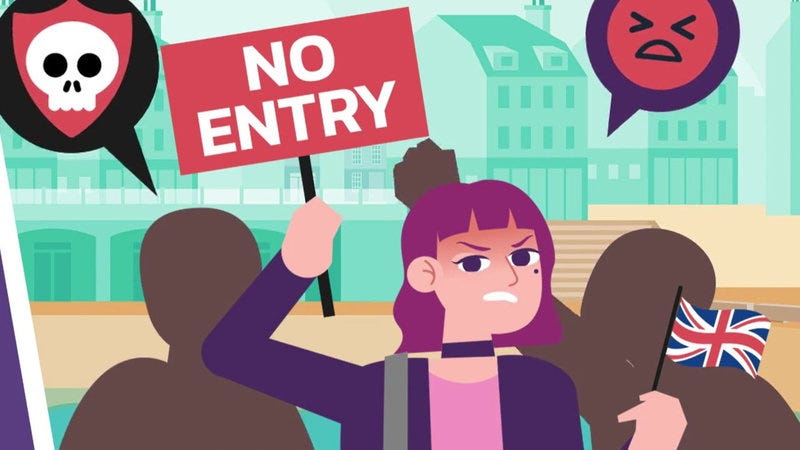
According to the Hungarian Conservative, if players select the “wrong” answers by joining Amelia at a protest against mass migration and in favor of traditional values, the game ends with a “Prevent referral,” a reference to the UK’s counter-terrorism program. Media reports indicate the game ends with this referral regardless of player choices, with the character then “cleansed” of their views through counselors and workshops before becoming popular and successful again.
The message was clear: if you believe in preserving national culture, protecting borders, or questioning mass migration, you’re the villain who needs re-education.
But the developers made a critical error. They designed Amelia as a goth girl with purple hair - an archetype wildly popular in internet meme culture. Rather than viewing her as a dangerous extremist, right-wing social media immediately embraced her as an ironic hero and mascot for resisting progressive ideology.
Twitter user IronTiger44 captured the sentiment: “Adding my contribution to #Amelia. There’s nothing wrong with loving your country. That the UK tried to use a terrible video game to shame its own people for patriotism and concerns over unfettered immigration is absolutely insane. England and its people are pretty based. It’s a shame they have been taken over by a bunch of useless pinko communists. I hope and pray their next election gives rise to saner minds.”


The post included an AI-generated image of Amelia standing before Big Ben holding a Union Jack, her purple hair and alternative style contrasting with the patriotic imagery.
Pirat_Nation tweeted: “Goth Waifu Amelia is now the mascot of UK nationalism and has gone viral after the UK panicked and took her game down. Make UK great again.”


The tweet linked to a video featuring an AI-generated Amelia delivering a passionate speech about English identity. The character introduces herself: “Hi, I’m Amelia. I’m English and I love England. I like having fish and chips and a pint at the local pub. I like Shakespeare and Dickens, Tolkien and Lewis, Harry Potter.”
The video escalates into criticism of UK institutions and immigration policy, with Amelia stating: “Our institutions, the Church of England, the BBC, are a bunch of queers and nonces. How the bloody hell did we go from Churchill to you, you git.” She attacks London Mayor Sadiq Khan and criticizes the government’s handling of grooming gangs before concluding: “Englishmen. It’s your country and it’s being taken from you. Chav Posh. Doesn’t matter. We’re already all in this together.”
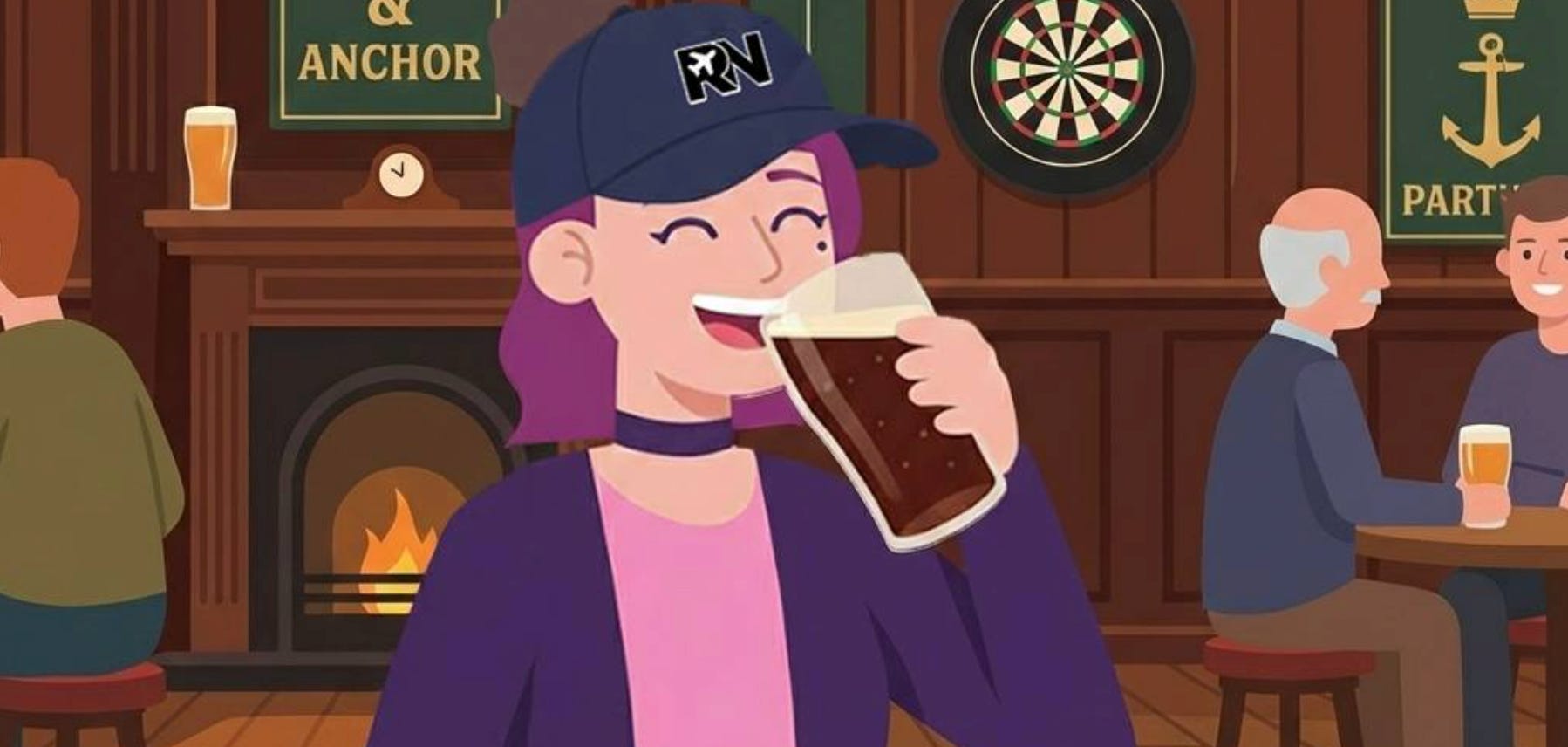
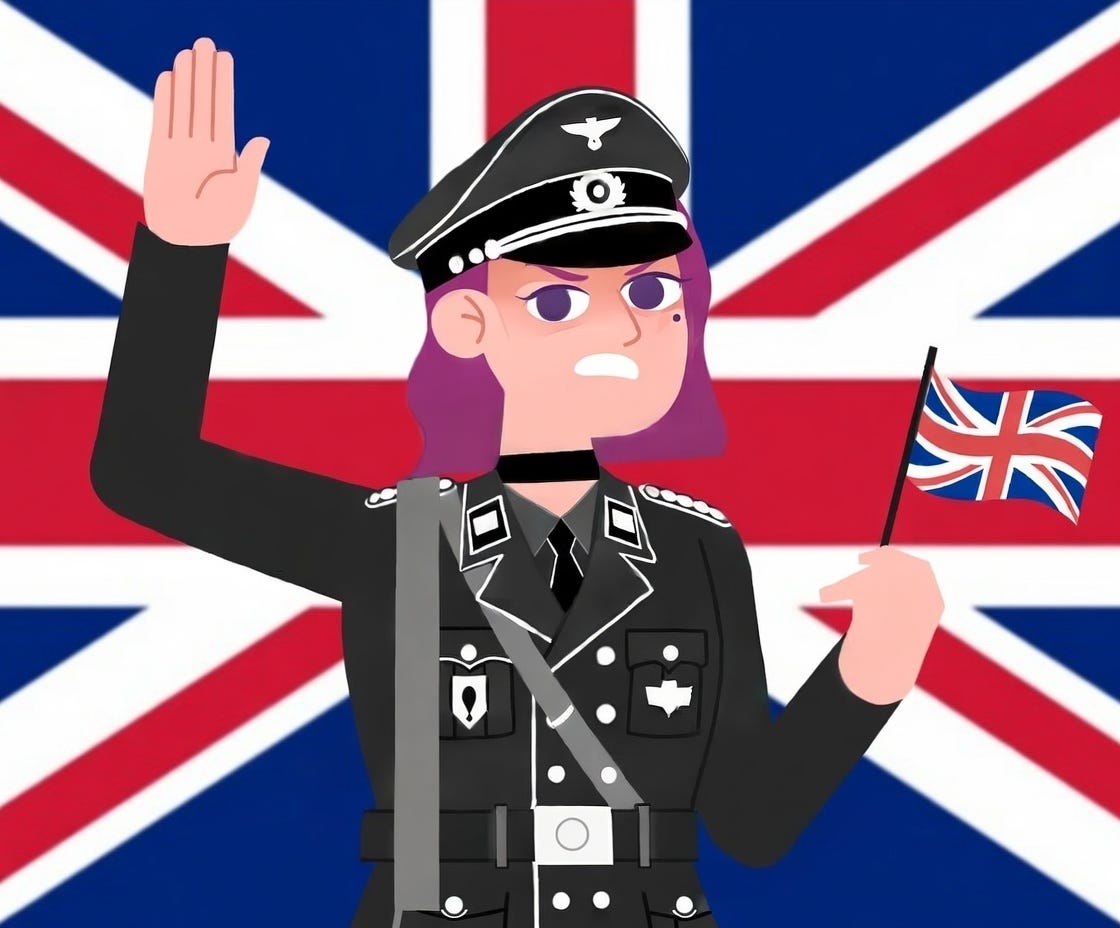
User natmanwhite shared a carousel of images from the game showing Amelia in various settings - enjoying a pint in a traditional pub with a Union Jack on the table, dressed in what appears to be a military-style uniform while saluting before the British flag, and surrounded by a large diverse family. The post stated: “Gotta love it when a government propaganda game gets turned into Nationalist propaganda. Truly beautiful. Character: Amelia. Game: Pathways by Shout Out UK.”


One particularly pointed meme recreated the famous Simpsons scene where Homer covers a “DON’T FORGET, YOU’RE HERE FOREVER” sign with photos of Maggie to read “DO IT FOR HER.” The meme version features Amelia in various British settings - outside a Greggs bakery, at a fox hunt, drinking in a pub, and in military uniform - with the text “DO IT FOR HER” created by strategically placed photos.
The backlash reveals how tone-deaf the game’s premise was. Pathways treats normal patriotic sentiments as a gateway to extremism, equating love of country with radicalization. The game’s narrative suggests that attending protests about immigration or expressing concerns about cultural change automatically leads to Prevent referrals and mandatory re-education.
This approach alienates ordinary citizens who hold mainstream conservative views. Concerns about immigration rates, cultural cohesion, and national identity are legitimate political positions held by millions of Britons. Framing these views as extremism requiring intervention doesn’t combat actual radicalization - it delegitimizes reasonable political discourse.

The game’s developers apparently didn’t anticipate that their villain would resonate more than their heroes. Amelia’s character design - alternative, young, passionate about her country - made her appealing rather than threatening. Her positions, while presented as extreme in the game, reflect views held by a substantial portion of the British population.
The viral response demonstrates the disconnect between government messaging and public sentiment. While Hull City Council and Shout Out UK intended to warn students away from nationalism, they inadvertently created a character that embodies frustrations many Britons feel about immigration policy, cultural change, and political correctness.
The game’s removal from public access confirms the campaign’s failure. Pathways became a rallying point for the very movements it sought to discourage. The Amelia memes now circulate widely as symbols of British nationalism, with the character’s image appearing in contexts far removed from the original game.
GB News reported that the game warns children they’ll be treated like terrorists for questioning mass migration, highlighting how the educational tool crossed from prevention into political indoctrination. The article noted the game’s aggressive approach to labeling dissent as extremism.
The Pathways debacle joins a growing list of government communications failures where heavy-handed messaging backfires. When authorities treat legitimate political concerns as pathways to extremism, they risk radicalizing moderate citizens who feel their views are being criminalized.
What do you think about government-funded games that treat mainstream political views as extremism requiring intervention?
Really a right wing goth, that is the holy grail for most young men.
What - only counselors and workshops? No mandatory stay at indoctrinat... ehm... re-education camps? No evening classes for a year or two at your local University of Woke? How exactly is Mr Two-tier Starmer planning to catch up with China at this rate?!