


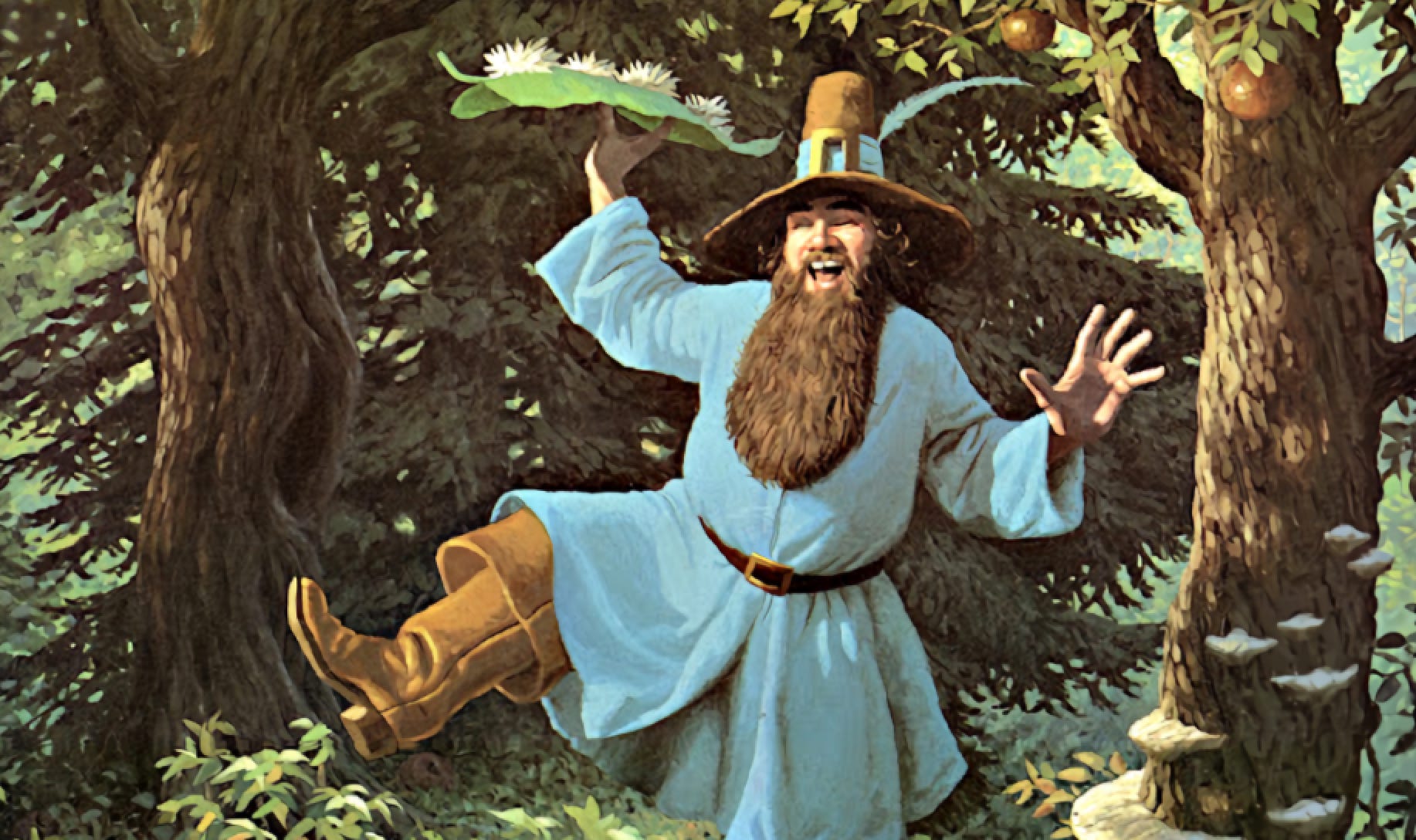
Tom Bombadil appears in three chapters of The Fellowship of the Ring. He saves the hobbits from Old Man Willow, hosts them in his house with Goldberry, and rescues them from the Barrow-wights. Then he vanishes from the narrative, mentioned only briefly at the Council of Elrond before disappearing from the story entirely.
He’s silly. He speaks in sing-song verse. He wears a blue jacket and yellow boots and a hat with a feather. He’s immune to the One Ring’s power. He claims to be the Eldest, present before the Dark Lord came from Outside. He doesn’t fit the tone of the rest of the book. And he’s essential.
Tom Bombadil is controversial because he feels out of place. Peter Jackson cut him from the films entirely, and most viewers didn’t notice. Readers encountering The Lord of the Rings for the first time often find his chapters jarring. It’s a whimsical interlude in what becomes an increasingly dark and serious narrative. Modern editors would almost certainly demand his removal.
But Tolkien kept him in, and understanding why reveals something fundamental about how Middle-earth works as a created world.
Origins Outside Middle-earth

Tom Bombadil didn’t originate in Middle-earth. He was based on a Dutch doll that belonged to Tolkien’s son Michael. As Humphrey Carpenter recounts in his biography of Tolkien:
Tom Bombadil was a well-known figure in the Tolkien family, for the character was based on a Dutch doll that belonged to Michael. The doll looked very splendid with the feather in its hat, but John did not like it and one day stuffed it down the lavatory. Tom was rescued, and survived to become the hero of a poem by the children’s father, ‘The Adventures of Tom Bombadil’, which was published in the Oxford Magazine in 1934.
The poem tells of Tom’s encounters with Goldberry, Old Man Willow, the Barrow-wight, and a family of badgers. It’s lighthearted and whimsical, with no connection to the mythology Tolkien was developing in The Silmarillion.
When Tolkien began writing what would become The Lord of the Rings in the late 1930s, he was aiming for another Hobbit-like adventure. The early chapters have that whimsical tone. Tom fit perfectly into that context. He was a cameo appearance of a character Tolkien had already created, inserted into the story because it seemed natural at the time.

But as The Lord of the Rings evolved, it became something much darker and more epic than The Hobbit. The tone shifted. The stakes escalated. And Tom, who had been inserted early in the drafting process, suddenly seemed out of place.
Tolkien could have removed him during revisions. He didn’t. In fact, he defended Tom’s presence explicitly in his letters.
Why Tolkien Kept Him
In a letter to Naomi Mitchison dated September 25, 1954, Tolkien explained:
As a story, I think it is good that there should be a lot of things unexplained (especially if an explanation actually exists); and I have perhaps from this point of view erred in trying to explain too much, and give too much past history. Many readers have, for instance, rather stuck at the Council of Elrond. And even in a mythical Age there must be some enigmas, as there always are. Tom Bombadil is one (intentionally).
Tom is an intentional enigma. His presence in the story serves to remind readers that Middle-earth is larger than the quest to destroy the Ring. There are powers and beings that exist outside the conflict between Sauron and the Free Peoples. Not everything is explained. Not everything needs to be.
In another letter to Peter Hastings dated September 1954, Tolkien expanded on this theme:
I don’t think Tom needs philosophizing about, and is not improved by it. But many have found him an odd or indeed discordant ingredient. In historical fact I put him in because I had already ‘invented’ him independently (he first appeared in the Oxford Magazine) and wanted an ‘adventure’ on the way. But I kept him in, and as he was, because he represents certain things otherwise left out.
What does Tom represent? Tolkien continues:
Tom Bombadil is not an important person – to the narrative. I suppose he has some importance as a ‘comment.’ I mean, I do not really write like that: he is just an invention (who first appeared in the Oxford Magazine about 1933), and he represents something that I feel important, though I would not be prepared to analyze the feeling precisely. I would not, however, have left him in, if he did not have some kind of function.
Tom represents something Tolkien felt was important but couldn’t articulate precisely. He’s a “comment” on the story, not a driver of the plot. His function is thematic and atmospheric rather than narrative.
What Tom Does for the Story
Tom’s chapters accomplish several things that would be difficult to achieve otherwise.
First, they establish that the Ring’s power is not absolute. When Tom puts on the Ring, nothing happens. He remains visible. He’s unaffected by its corruption. He can make it disappear and reappear at will. This is the first indication readers get that the Ring, while immensely powerful, has limits.
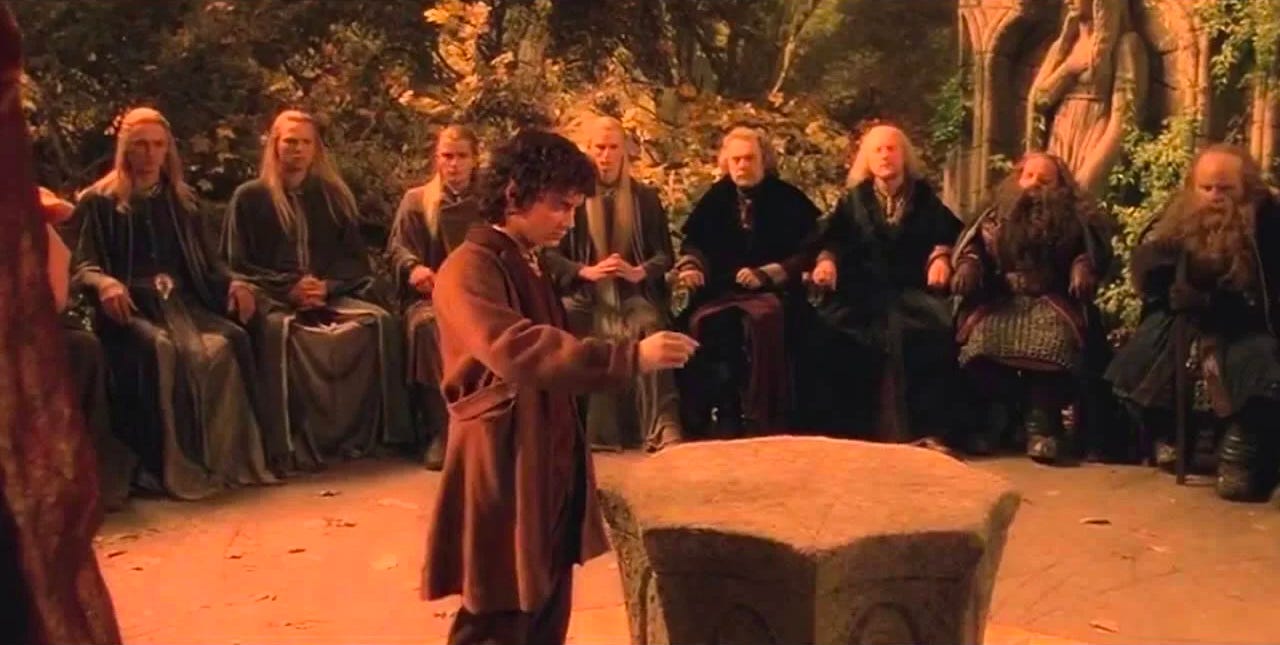
At the Council of Elrond, Erestor suggests giving the Ring to Tom for safekeeping. Gandalf rejects the idea:
He is a strange creature, but maybe I should have summoned him to our Council... But I cannot tell. He would not have come... He is his own master. But he cannot alter the Ring itself, nor break its power over others... And if he were given the Ring, he would soon forget it, or most likely throw it away. Such things have no hold on his mind.
Tom’s indifference to the Ring is as important as his immunity to it. He doesn’t want power. He doesn’t care about the fate of Middle-earth in the way the other characters do. He exists in his own domain, concerned with his own affairs, and the great conflicts of the age don’t touch him.
This establishes a crucial point: the Ring only has power over those who desire power. Tom doesn’t, so it can’t affect him. But that same indifference means he can’t be trusted to keep it safe. He’d lose it or forget about it, and then Sauron would reclaim it.
Second, Tom’s chapters provide world-building that enriches Middle-earth without apparently serving the immediate plot. Old Man Willow and the Barrow-wights are threats the hobbits face, but they’re not connected to Sauron. They’re ancient evils that exist independently of the Ring War. Their presence reminds readers that Middle-earth has a deep history, that dangers existed long before Sauron and will continue after he’s gone.
The Barrow-downs sequence is particularly important. The hobbits acquire their swords there, which are blades forged in Westernesse to fight the Witch-king of Angmar. Merry’s sword will eventually wound the Witch-king at the Battle of the Pelennor Fields, making it possible for Éowyn to kill him. Without Tom rescuing the hobbits from the Barrow-wights, Merry wouldn’t have that blade, and the Witch-king might not have been defeated.
So Tom does serve the plot, but indirectly. His function is to get the hobbits through the Old Forest and the Barrow-downs, equipping them for challenges they’ll face much later.
Third, Tom’s presence establishes the tone of the Shire’s borderlands. The hobbits are leaving the familiar and entering a world that’s stranger and more dangerous than they realized. Tom is the first truly alien being they encounter. He’s a transition figure, easing them (and the reader) from the comfortable world of the Shire into the wider, weirder world beyond.
The Enigma as World-Building
Tom’s refusal to fit into Middle-earth’s taxonomy is the point. Readers want to know what he is. Is he a Maia? One of the Valar? Eru Ilúvatar himself? A nature spirit? The personification of Arda?
Tolkien never answered these questions definitively. In the letter to Naomi Mitchison, he wrote:
And even in a mythical Age there must be some enigmas, as there always are. Tom Bombadil is one (intentionally).
The enigma is the function. Tom exists to remind readers that not everything is explained, not everything fits into neat categories, and the world is larger and stranger than the story being told.
This is a fundamentally different approach to world-building than most modern fantasy takes. Contemporary fantasy tends to explain everything. Magic systems have rules. Creatures have origins. Every mystery is eventually solved. Tolkien took the opposite approach: he built a world so deep and complex that the story only touches a fraction of it, and some things remain unexplained because that’s how real worlds work.
Tom represents the parts of Middle-earth that exist outside the narrative. He’s not involved in the Ring War because he doesn’t care about it. His concerns are his own—Goldberry, the Old Forest, the seasons, the songs he sings. The fate of kingdoms and the machinations of Dark Lords are irrelevant to him.
This makes Middle-earth feel real. In the real world, not everything is connected to the main plot of your life. There are people and places and events that exist independently of your concerns. Tom brings that quality to Middle-earth. He’s proof that the world doesn’t revolve around Frodo’s quest.
The Controversy
Tom is controversial because he violates modern storytelling conventions. He doesn’t advance the plot in obvious ways. He’s tonally inconsistent with the rest of the book. He raises questions that are never answered. He’s silly in a story that becomes increasingly serious.
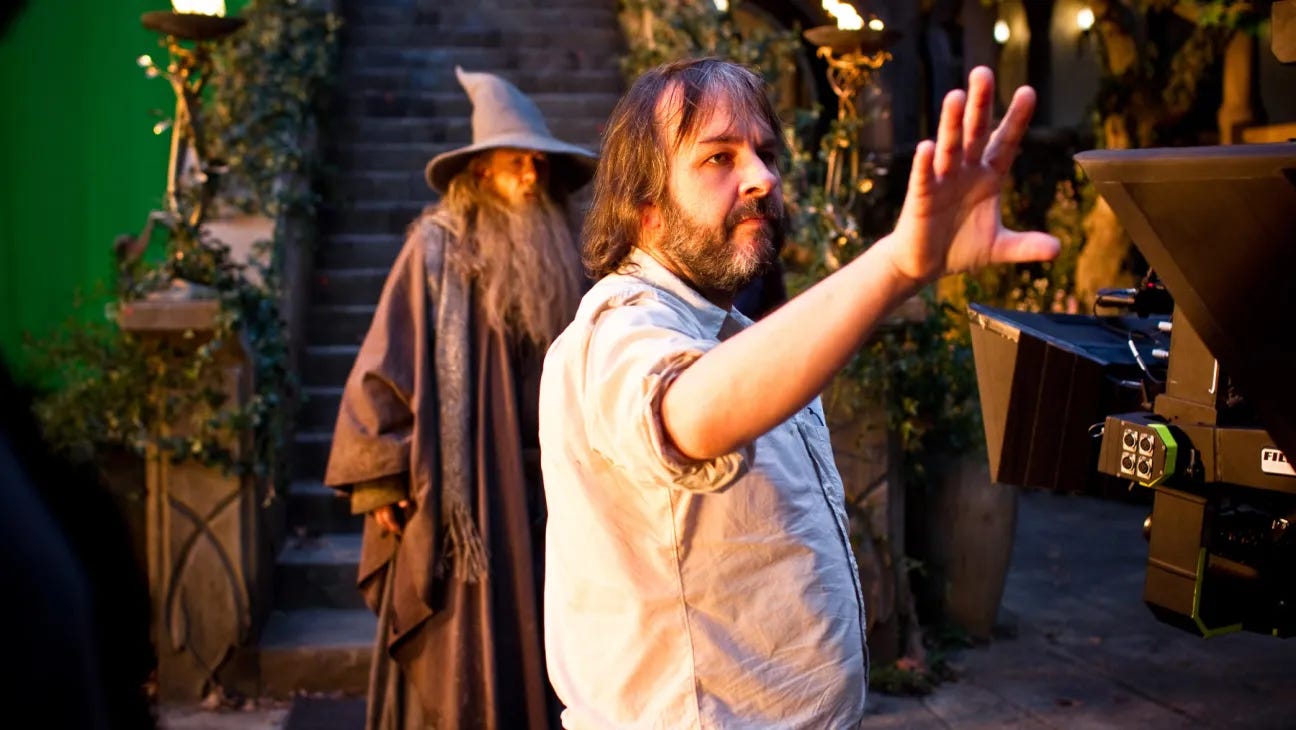
Peter Jackson’s decision to cut him from the films was defensible from a narrative standpoint. The movies needed to be tighter, faster-paced, and more focused on the central quest. Tom’s chapters would have slowed the momentum and confused viewers who weren’t familiar with the books.
But something is lost in that cutting. The films’ Middle-earth feels smaller than the books’ Middle-earth. Everything in the movies is connected to the Ring. Every character is involved in the war. There’s no sense of a world that exists beyond the immediate conflict.
Tom provides that sense in the books. His presence says: this world is bigger than this story. There are powers and beings that don’t care about your quest. The universe doesn’t revolve around you.
That’s a valuable perspective, especially in an epic fantasy where the fate of the world hangs in the balance. Tom is a reminder that even in the midst of apocalyptic conflict, life goes on in its own rhythms, indifferent to the great events of the age.
Story in Service of World
Tolkien’s approach to world-building was unusual. Most authors build worlds in service of their stories. Tolkien did the opposite. He built the world first, and the stories emerged from it.
The Lord of the Rings wasn’t conceived as a standalone novel. It was an extension of the mythology Tolkien had been developing since 1917. The story of the Ring War is a small part of a much larger history. Tolkien included details, characters, and digressions that don’t serve the immediate plot because they serve the world.
Tom Bombadil is the most extreme example of this approach. He doesn’t need to be in the story from a narrative perspective. But he needs to be in the world, and since the story takes place in that world, he appears in the story.
The YouTube Perspective
A video essay on Tom Bombadil’s importance by Men of the West argues that his presence also serves a crucial thematic function: he represents the possibility of existing outside the struggle for power that defines the rest of the story.
Every other character in The Lord of the Rings is defined by their relationship to power. Sauron seeks it. Saruman is corrupted by it. Boromir is tempted by it. Gandalf and Galadriel refuse it. Frodo is burdened by it. Aragorn must claim it to fulfill his destiny.
Tom doesn’t care about power. He has no interest in ruling, no desire to control, no ambition beyond living peacefully in his domain with Goldberry. The Ring, the ultimate symbol of power in Middle-earth, means nothing to him.
This makes him unique in the story. He’s the only character who’s completely outside the power struggle. And his existence proves that such a position is possible—that you can live in Middle-earth without being consumed by the quest for dominance or the fear of domination.
This is why Gandalf says Tom would be the last to fall if Sauron conquered everything. Not because Tom is the most powerful, but because he’s the least concerned with power. He’d continue living in his little corner of the world, singing his songs, until Sauron finally got around to dealing with him.
Tom’s indifference to the Ring is often interpreted as a weakness—he can’t be trusted with it because he’d lose it. But it’s also a strength. He’s the only being in Middle-earth who’s truly free from the Ring’s corruption because he’s free from the desire for power that makes the Ring dangerous.
The video argues that Tom’s presence in the story is Tolkien’s way of saying: this is possible. You can exist without seeking power. You can live simply, joyfully, in harmony with the world around you, and be content. The struggle for dominance that drives the plot is not inevitable or universal. It’s a choice, and Tom represents the alternative.
In conclusion, Tom Bombadil doesn’t fit The Lord of the Rings in conventional narrative terms. He’s tonally inconsistent, he doesn’t advance the plot in obvious ways, and he raises more questions than he answers. Modern storytelling conventions would demand his removal.
But Tolkien wasn’t writing by modern conventions. He was building a world, and the story was in service of that world rather than the other way around. Tom exists in Middle-earth, so he appears in the story. His presence makes the world richer, deeper, and stranger than it would be without him.
What do you think? Does Tom Bombadil enhance The Lord of the Rings, or would the book be better without him?
If you’re interested in a fun fantasy world, read The Adventures of Baron von Monocle six-book series and support Fandom Pulse!
NEXT: The Dragonlover’s Guide to Pern Review: An Essential Companion for McCaffrey’s World
The timing of this is interesting, because I just wrote my own essay on the Essentialness of Bombadil to LOTR. You touch on some points here that I did not think of for mine. I did not consider Bombadil adding depth to the world (because of course he does), I think largely because I'm so aware of how vast Middle Earth lore is.
I argue that Bombadil prepares the reader for the ethos of what the rest of the story is all about: the value of Hearth and Home, the power of song to combat evil, and the value of doing the simple things right in front of you: tending your garden while the rest of the world burns.
The older I get, 50s now, the more I want to be like Tom. What stellar character.
I dreamed of being Gandalf and Strider, then Frodo, and lately Sam. But Tom! I see him now, and value his example where I didn't use to understand.