


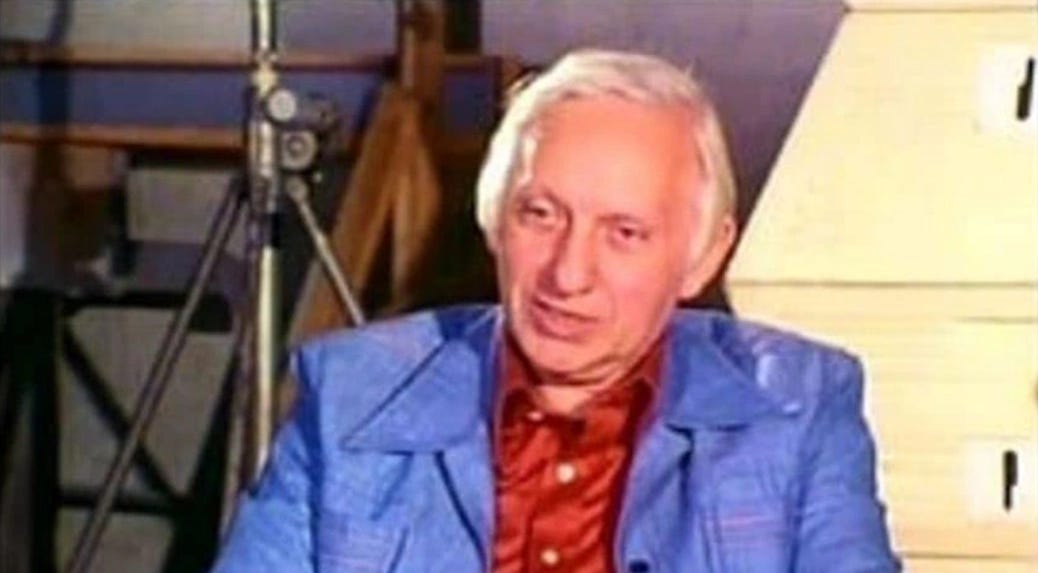
Before Alex Kurtzman became synonymous with Star Trek‘s modern struggles, before Kathleen Kennedy faced backlash over Star Wars, before Russell T Davies’ return to Doctor Who failed to recapture past glory, there was Fred Freiberger. For decades, his name has been shorthand in fandom for “the producer who killed my favorite show.”
Freiberger produced the third and final season of Star Trek: The Original Series and the second and final season of Space: 1999. Both shows were cancelled after his tenure. The pattern seemed damning. But the reality is more complicated. Freiberger was handed dying shows with slashed budgets, hostile networks, and impossible creative constraints. Under those conditions, he did the best he could, unlike the modern producers of today.
Star Trek: Season Three
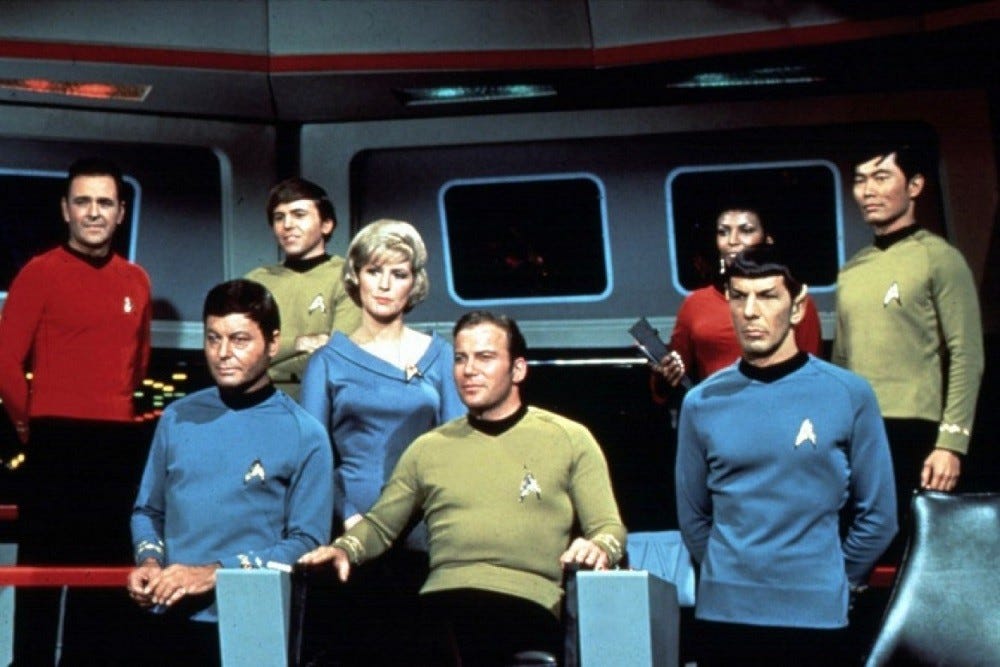
When Gene Roddenberry stepped back from day-to-day production of Star Trek after season two, the show was already in trouble. NBC had nearly cancelled it after season one. A massive letter-writing campaign from fans secured a second season, but the network’s commitment was grudging at best.
For season three, NBC made several decisions that would doom the show. They moved it to the Friday 10 PM “death slot,” where few young viewers could watch. They slashed the budget by approximately $10,000 per episode, forcing the production to rely more heavily on standing sets and “bottle episodes” confined to the Enterprise. And they made clear they had no faith in the series’ future.
Roddenberry, frustrated by the time slot change and the network’s lack of support, effectively abandoned the show. He retained an executive producer credit but had minimal involvement in actual production. The job of showrunner fell to Freiberger, who had been offered the position when the series first began but had declined in favor of a planned vacation.

Freiberger inherited a mess. As Mark Cushman documents in These Are The Voyages: TOS Season Three, the new producer faced reduced budgets, a depleted writing staff, and a slate of pre-ordered scripts, some of which were problematic. Dorothy Fontana, one of the show’s best writers, had left. Gene Coon, who had been instrumental in defining the series’ tone during season two, was gone. Roddenberry was checked out, occasionally issuing edicts from on high but not sticking around to implement them.
The budget cuts were severe. Location shooting became prohibitively expensive. Elaborate alien makeups were scaled back. The scope of stories had to shrink. As Cushman notes, these constraints “would have spelled death for any series,” yet Freiberger took the blame.
Leonard Nimoy and James Doohan were vocal critics of Freiberger in later years. But William Shatner took a different view. As Doohan recalled, “Leonard was more interested in [protecting] the character of Spock. I think Bill was more interested in the series.” Shatner recognized that the problems were structural, not personal.
Nichelle Nichols explicitly defended Freiberger, pointing to budget cuts and network interference as the real culprits. In interviews, she emphasized that Freiberger was “handed an impossible task: reduced budget, a gutted writing staff and a time slot designed to kill the show.”
Freiberger himself later reflected on the experience with dark humor. In a 1991 interview, he said: “I thought the worst experience of my life was when I was shot down over Nazi Germany. A Jewish boy from the Bronx parachuted into the middle of eighty million Nazis. Then I joined Star Trek. I was only in a prison camp for two years, but my travail with Star Trek lasted decades.”
The Quality Question
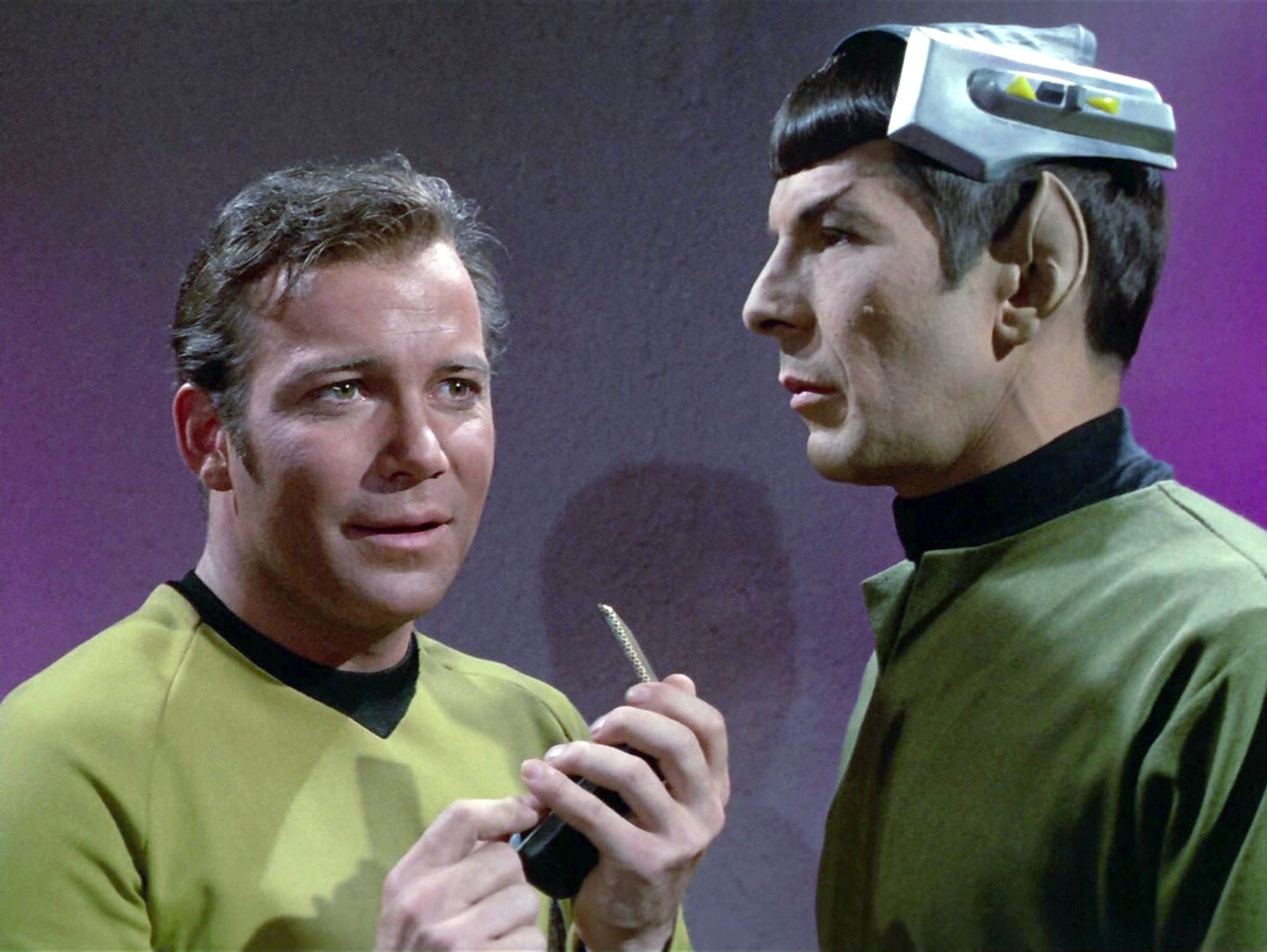
Season three of Star Trek is uneven. “Spock’s Brain” is widely considered one of the worst episodes in the franchise. “And the Children Shall Lead” is painful to watch. “The Way to Eden” is embarrassing.
But the season also produced strong episodes. “The Tholian Web” is a tense, atmospheric story about Kirk trapped between dimensions. “Let That Be Your Last Battlefield” tackles racism with the bluntness that defined Trek at its best. “The Enterprise Incident” is a clever espionage tale featuring Spock and a Romulan commander. “Day of the Dove” explores how conflict perpetuates itself. “For the World Is Hollow and I Have Touched the Sky” gives McCoy a genuine character arc.
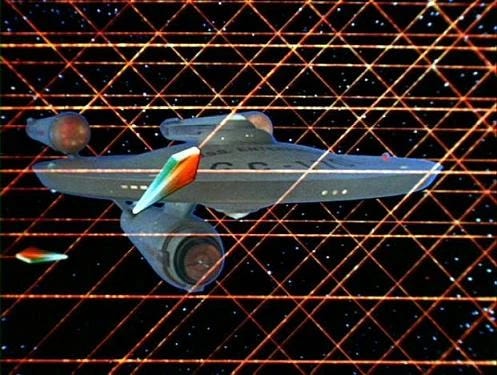
These are evidence that even under severe constraints, the show could still produce quality science fiction. The problem wasn’t that Freiberger couldn’t make good Trek—it’s that he couldn’t make it consistently under the conditions NBC imposed.
Freiberger’s background was in action-adventure television. He’d worked on The Wild Wild West, The Flying Nun, and other series that emphasized plot over philosophy. His instincts leaned toward spectacle and conflict rather than the cerebral, idea-driven stories that defined Trek‘s best episodes. As Nimoy noted, Freiberger wanted “more action and less cerebral shows.”
This was a mismatch, but it wasn’t malicious. Freiberger was doing what he knew how to do, under circumstances that would have challenged any producer.
Space: 1999 and the ITC Mandate
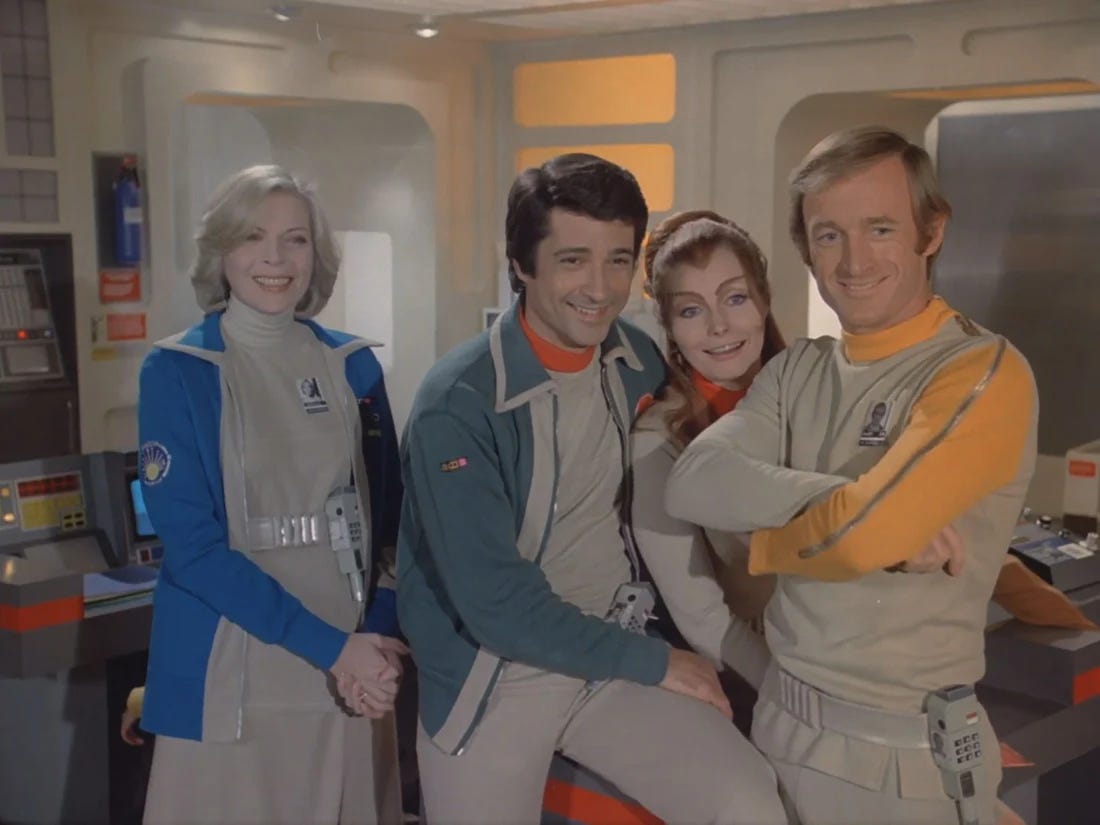
After Star Trek, Freiberger’s reputation as a “show killer” was established. So when Space: 1999 brought him on for season two, fans were immediately suspicious.
But as with Trek, the decision to hire Freiberger came from above, and the problems predated his involvement. ITC and producer Lew Grade considered season one a ratings disappointment. They believed the show was too cerebral, too slow-paced, too European in sensibility. American audiences weren’t responding.
Grade mandated changes. The show needed to be faster, more action-oriented, more “American.” ITC specifically wanted an American producer to oversee the retool. As Johnny Byrne, a writer on the series, publicly stated at the 1999 Breakaway convention, without Freiberger “there would have been no second series of Space: 1999, period.”
The show had never done well enough in ratings to make a second season a foregone conclusion. ITC’s conditions for renewal were explicit: adopt a more mainstream action-adventure approach and bring in an American executive producer. Freiberger was hired to fulfill that mandate.
He made significant changes. The character of Victor Bergman (played by Barry Morse) was written out. Maya, a shape-shifting alien played by Catherine Schell, was introduced to add visual variety and appeal to younger viewers. The tone shifted from philosophical science fiction to monster-of-the-week adventures. The music changed from Barry Gray’s atmospheric score to a more conventional action soundtrack.
Fans of season one hated it. The show they’d loved for its ambition and seriousness had been replaced with something that felt like a cheap Star Trek knockoff. Freiberger became the scapegoat.
But the budget for season two was actually lower than season one, despite ITC’s publicity claims of increased spending. As one Starlog interview from 1980 noted, “a typical 2nd season episode was made for less money than an episode of Star Trek, which was made ten years earlier.” The “rubber monster” costumes that fans mock weren’t Freiberger’s creative choice—they were what the budget allowed. Abe Mandell from ITC New York insisted that “monsters were the hot stuff in American TV,” and the production had to deliver them cheaply.
Gerry Anderson, the show’s creator, took a largely hands-off approach to season two. As he later admitted in interviews, he “was only in it for the money” at that point. If anyone should have fought for the show’s integrity, it was Anderson. Instead, he collected his paycheck and let Freiberger take the heat.
The Pattern
The pattern is clear. Freiberger was brought in to produce shows that were already failing, given reduced budgets and mandates to change what had made them distinctive, and then blamed when the shows were cancelled.
He wasn’t blameless. His creative instincts didn’t align with serious science fiction. He preferred action and spectacle over ideas. His scripts for Space: 1999, written under the pseudonym Charles Woodgrove, are among the weakest of season two. “The Rules of Luton,” with its talking trees and juvenile tone, is genuinely bad television.
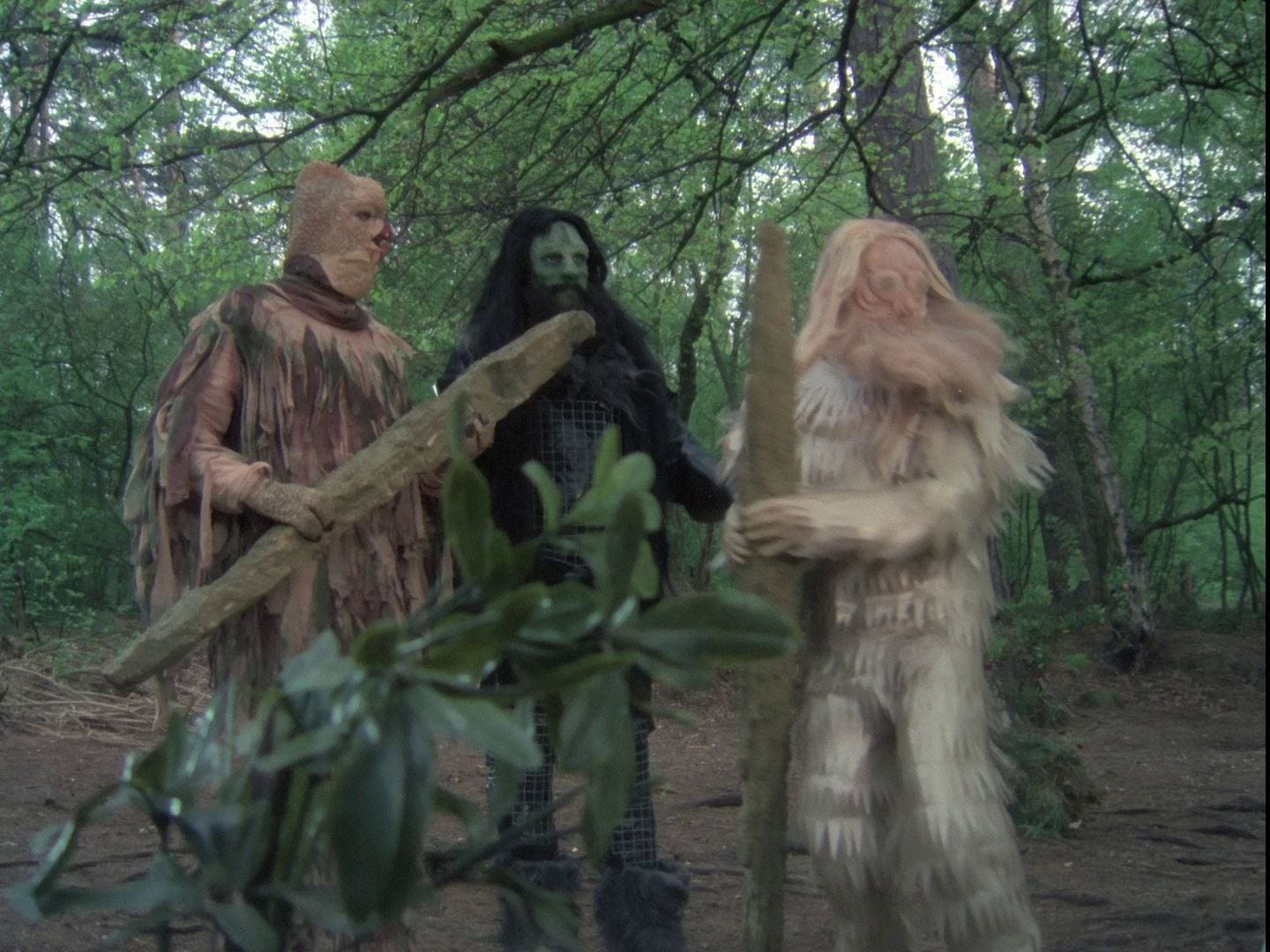
But even season two of Space: 1999 produced worthwhile episodes. “The Bringers of Wonder” is a paranoid thriller about perception and manipulation. “The Immunity Syndrome” is a tense medical crisis story. “The Mark of Archanon” and “Dorzak” have strong character work despite budget limitations. These episodes demonstrate that the show could still function under Freiberger’s leadership when the scripts were solid and the production had resources.
The real villains were the networks and studios that didn’t believe in science fiction, that slashed budgets while demanding better results, that moved shows to death slots and then cancelled them for poor ratings. NBC killed Star Trek. ITC’s financial priorities killed Space: 1999. Freiberger was just the visible target for fan anger.
Could Anything Have Been Done?
Science fiction television in the 1960s and 1970s was expensive and risky. Networks tolerated it when ratings were strong, but they had no loyalty to the genre. Star Trek was never a ratings hit during its original run. Space: 1999 was an expensive gamble that didn’t pay off. Both were cancelled not because of creative failures but because of business decisions.
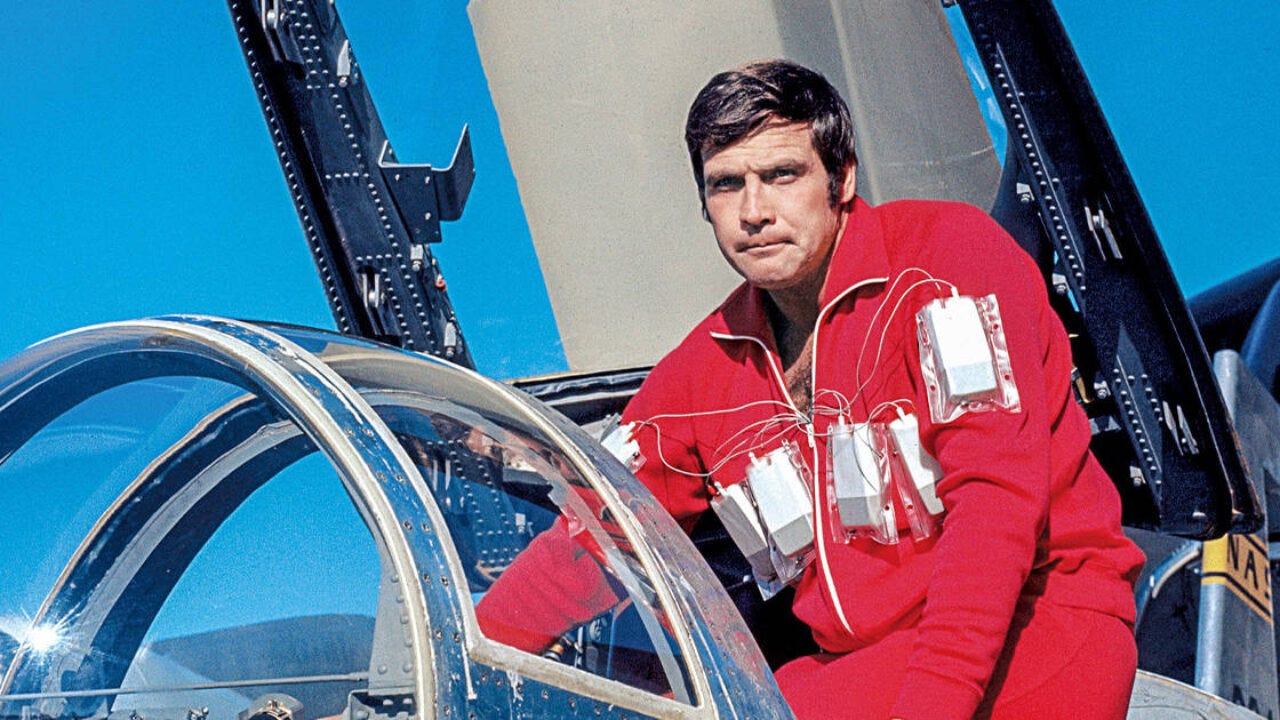
Freiberger’s career continued after these shows. He produced The Six Million Dollar Man‘s final season, and while that show also ended during his tenure, the ratings decline wasn’t noticeably worse than previous seasons. The “show killer” reputation was more about coincidence and fan perception than actual causation.
In a 2003 interview, one fan forum participant noted: “Freiberger was really thrown into a no-win situation in this one. The network was doing its best to kill off the show, its creator Gene Roddenberry had just deserted it, and the budget had been drastically slashed. Given these circumstances, Freiberger did a great job.”
That’s the measured assessment history should render. Freiberger wasn’t the right producer for cerebral science fiction. His instincts were wrong for Star Trek and Space: 1999. But he was handed impossible situations and did what he could with limited resources and hostile networks.
The lesson isn’t that Freiberger was secretly brilliant. It’s that sometimes blaming individual producers for systemic failures is easy and could be wrong. When a show is moved to a death slot, given a reduced budget, and stripped of its creative leadership, it’s going to fail regardless of who’s in charge.
With modern day pariahs like Alex Kurtzman, the story is different. Kurtzman is given a vast budget, and is intentionally making shows that will upset Star Trek fans in the name of finding a “modern audience.” He’s not under constraints, and his own idea of turning Trek into a brand it’s not is what’s causing the problem, by contrast.
Freiberger died in 2003. He spent decades being blamed for killing two beloved science fiction series. The truth is more complicated and less satisfying. He was a competent television producer who took jobs that were already doomed and did his best under circumstances that would have defeated anyone.
What do you think? Should fans be kinder to producers when shows go wrong?
For a great alternative to mainstream publishing, with sci-fi spy thriller action, read The Stars Entwined on Amazon!

At the very least, producers should not publicly denounce and insult the fans, real or potential. That alone would put them head and shoulders above much of the current crop.