


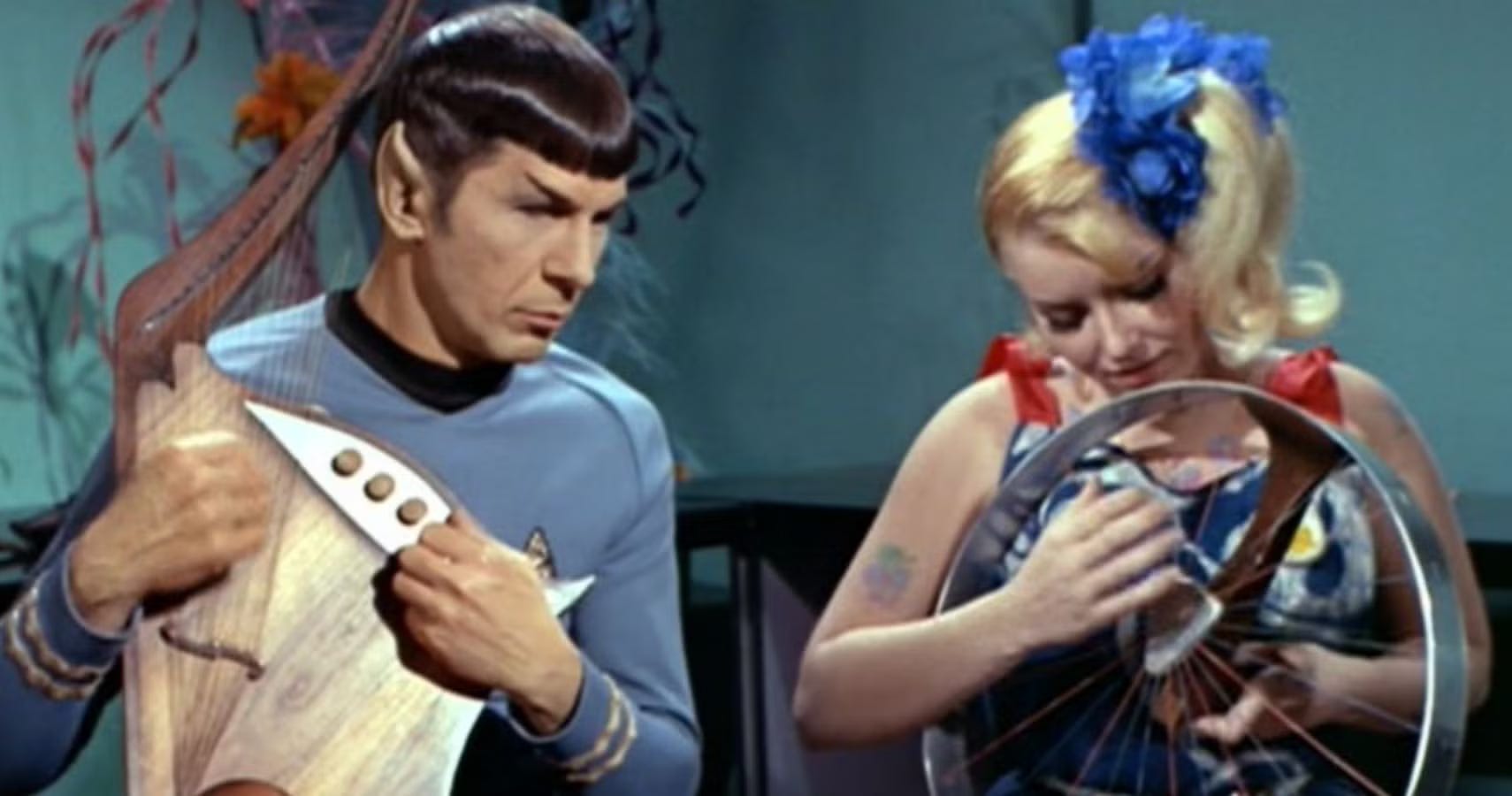
Star Trek has had a lot of great episodes that stood the test of time. Many remember “The City On The Edge Of Forever” and “Best Of Both Worlds” as amazing science fiction. But each series, as it’s gone on, has had its share of stinkers as well. Fandom Pulse presents the worst Star Trek episodes of every series so far.
Star Trek: The Original Series
"And the Children Shall Lead" (Season 3, Episode 4)
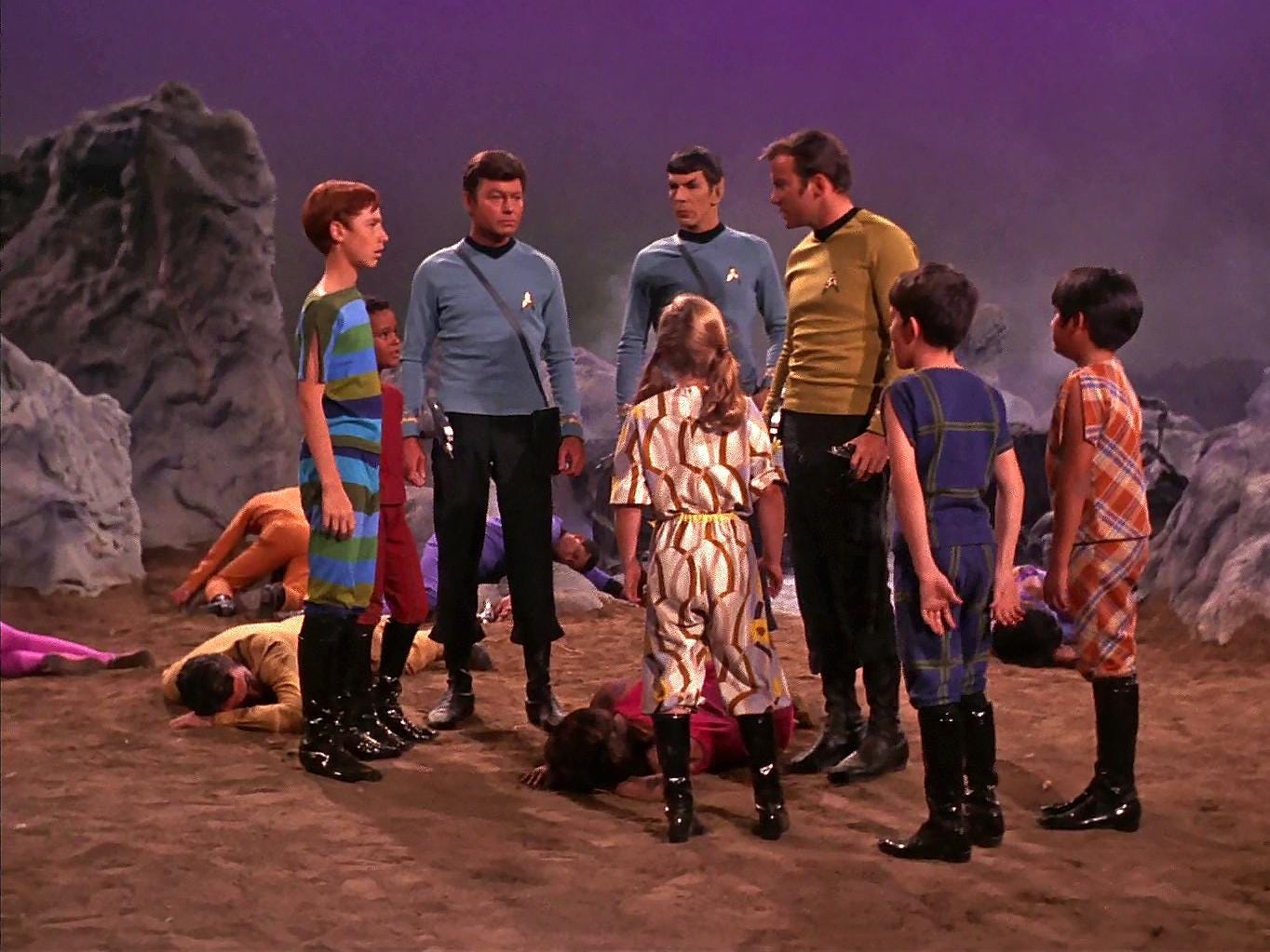
In this episode, the Enterprise crew discovers a group of children on a research colony who appear unaffected by the mysterious deaths of all the adults. These children, however, are being manipulated by an evil alien entity named Gorgan, who uses them to take over the ship. The story is criticized for its uninspired, repetitive storytelling and odd performances, especially from the child actors. The episode lacks emotional resonance despite its potentially mature themes, and the villain is widely regarded as one of the least effective in the franchise.
Star Trek: The Next Generation
"Code of Honor" (Season 1, Episode 4)
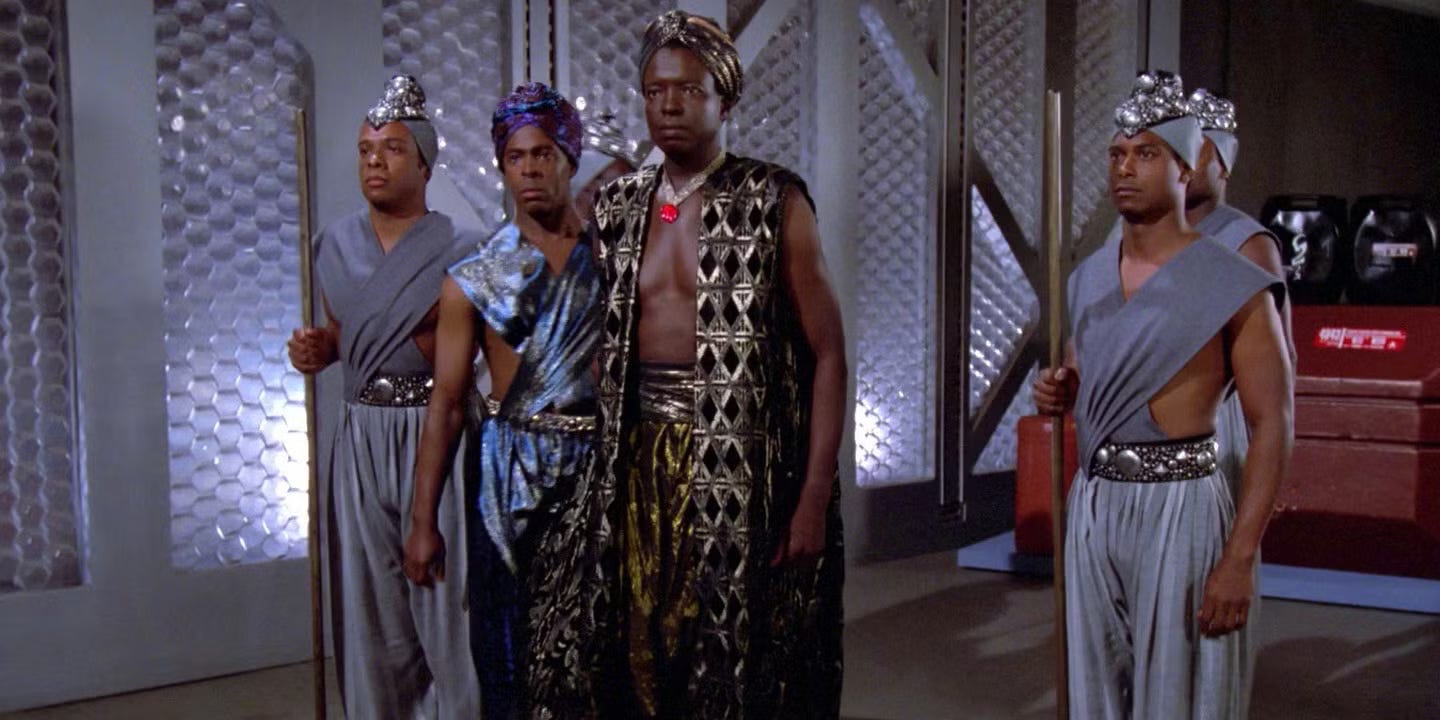
The Enterprise visits the planet Ligon II to negotiate for a life-saving vaccine. Things go awry when the leader, Lutan, abducts Tasha Yar, resulting in primitive combat rituals. “Code of Honor” has been denounced not only for its stilted dialogue, slow pacing, and weak plot, but also for its deeply offensive racial stereotypes—the alien society is portrayed as an embarrassing caricature of African culture. Cast and crew have openly disowned the episode, calling it a stain on the series' ideals.
Star Trek: Deep Space Nine
"Move Along Home" (Season 1, Episode 10)
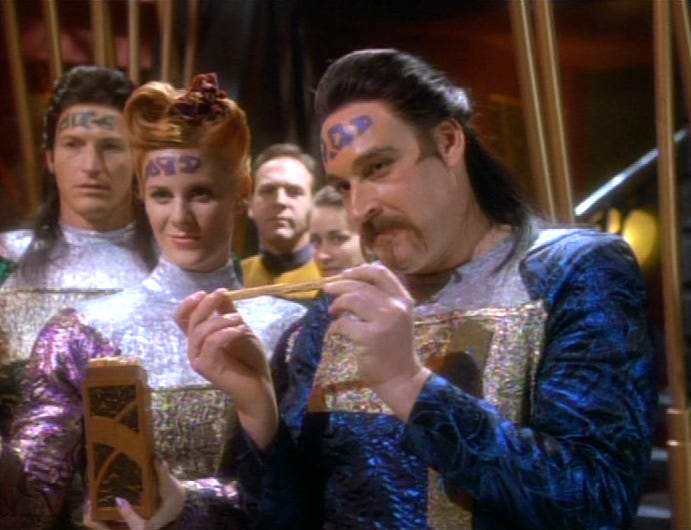
When a visiting alien species, the Wadi, invite Sisko and his officers to play a mysterious game, the crew find themselves in surreal and dangerous scenarios, not realizing at first that they are part of the game itself. The episode is infamous for its nonsensical plot, cringe-worthy hopscotch sequence, and lack of real consequences, making it feel irrelevant to the series' narrative. Fans and even the cast cite it as a low point for DS9 due to its embarrassing execution and overall silliness.
Star Trek: Voyager
"Threshold" (Season 2, Episode 15)
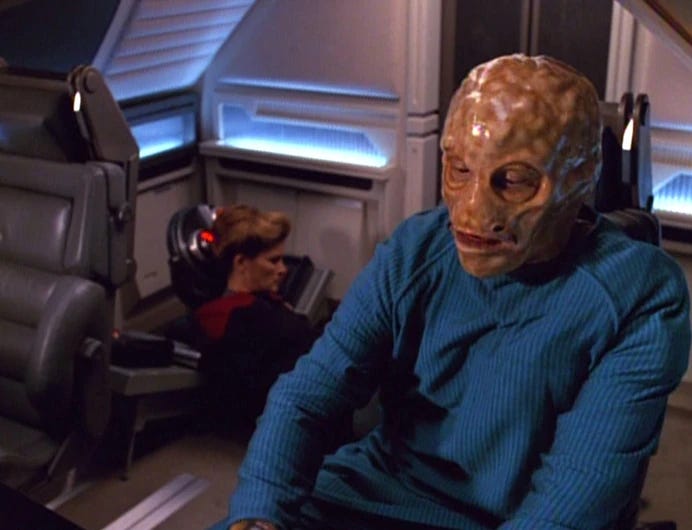
Tom Paris breaks the Warp 10 barrier, which triggers bizarre mutations, eventually causing both him and Captain Janeway to devolve into giant salamanders. The pair then reproduce—off-screen—before being restored to human form. The episode is notorious for its outlandish premise, scientifically dubious concepts, and unintentional comedy. "Threshold" is often cited as Voyager’s worst because of its absurdity and the writers’ failure to deliver a meaningful narrative.
Star Trek: Enterprise
"These Are the Voyages..." (Season 4, Episode 22)
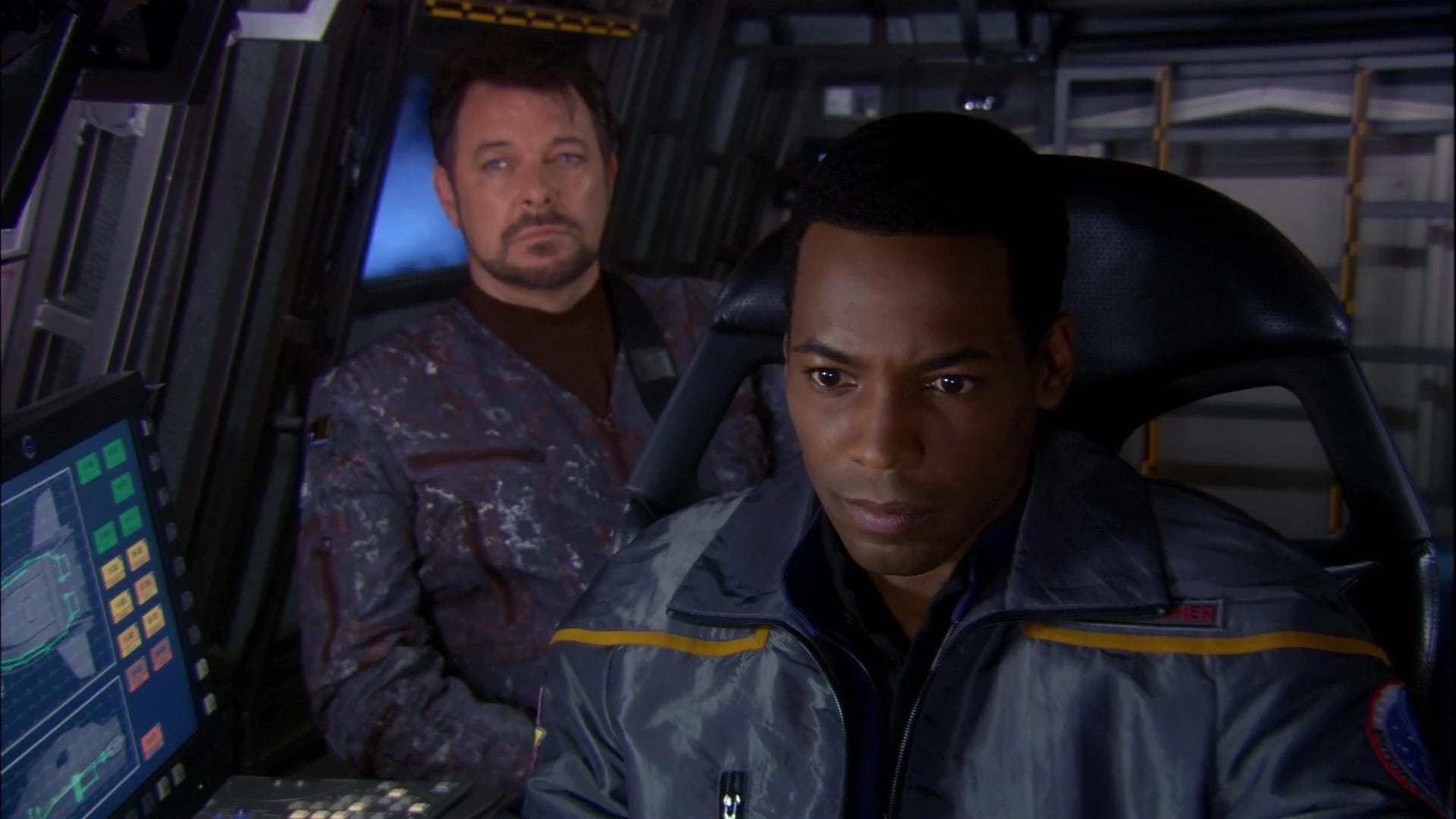
The series finale takes place partly as a holodeck simulation aboard the Enterprise-D (from TNG), with Riker watching the final mission of Archer's crew. It controversially sidelines the main cast in favor of TNG cameos, kills a beloved main character (Trip) in a rushed subplot, and fails to deliver the emotional or narrative closure expected of a series finale. Fans dislike it for minimizing Enterprise’s own legacy and using a gimmicky framing device.
Star Trek: Discovery
"Forget Me Not" (Season 3, Episode 4)
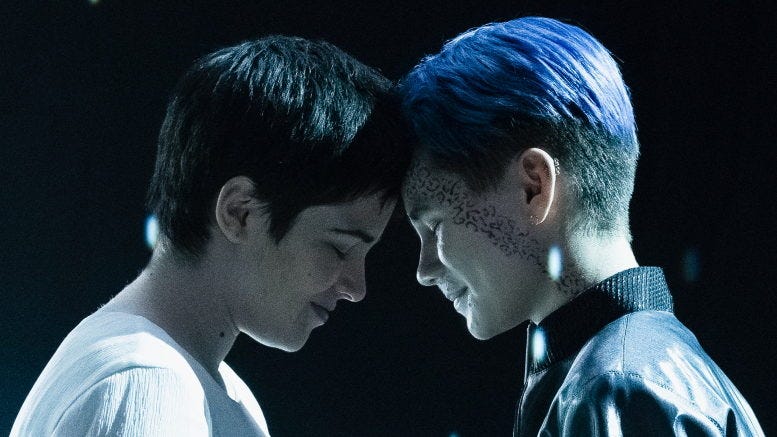
centers on the character Adira Tal, a non-binary Trill who reveals their preferred they/them pronouns, marking one of the franchise’s first explicit explorations of non-binary identity. The episode integrates Adira’s cringy gender politics with the established Trill symbiont-host dynamic, intending to promote LGBTQ+ lifestyles within Star Trek’s futuristic setting. The frequent, pointed discussions on identity detract from natural storytelling and feel more like political messaging than organic character development. It makes it one of the hardest episodes of Discovery to watch in an already terrible show.
Star Trek: Picard,
"Monsters" (Season 2 Episode 6)
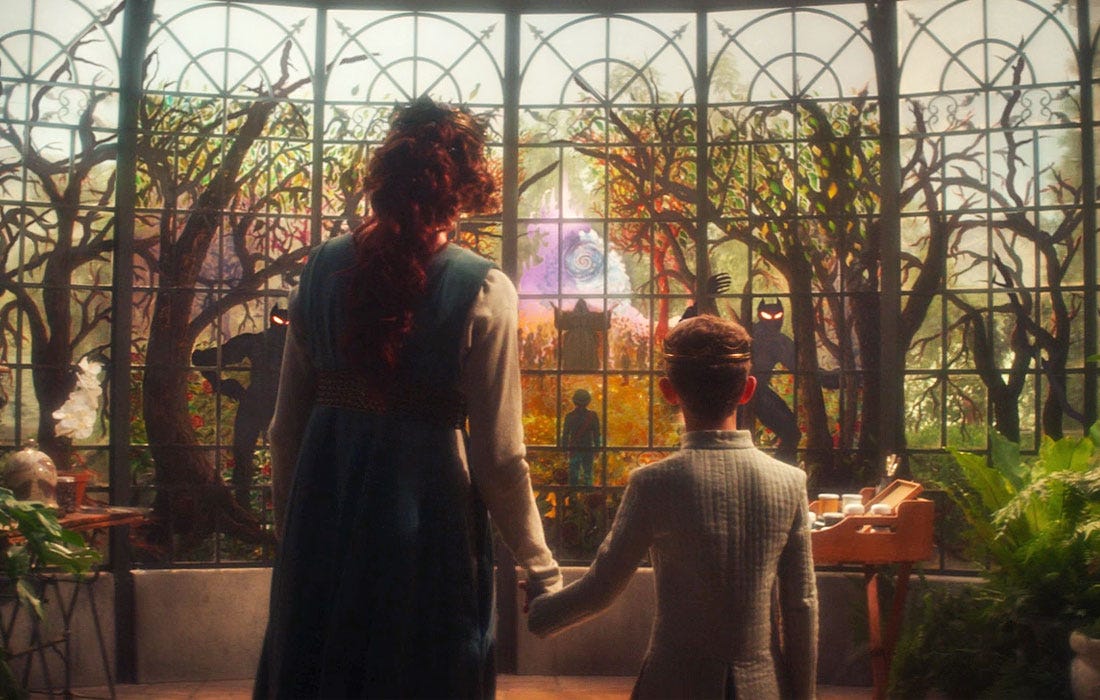
This is widely regarded as one of the worst episodes not only of the season but arguably of the entire Star Trek franchise. In this episode, the narrative delves into Picard’s mind as he struggles with unresolved childhood trauma during a coma-induced vision. The episode's heavy reliance on psychological exposition and surreal B-movie monster sequences results in a confusing, slow-paced, and tonally inconsistent experience that halts the momentum of the season. Fans criticize it for deconstructing Picard’s character in an unflattering and muddled way, undermining the heroic, moral icon established over decades. Additionally, the portrayal of other characters, along with a convoluted, seemingly pointless second imprisonment plotline, drags the story even further. The episode's mixture of melodrama, weak CGI, and fragmented storytelling alienated many viewers who expected stronger narrative coherence and character-driven drama. Its failure encapsulates the broader issues of Season 2, which struggled with excessive plot threads, inconsistent character motivations, and a lack of satisfying payoff.
Star Trek: Strange New Worlds
"A Space Adventure Hour" (Strange New Worlds, Season 3 Episode 4)
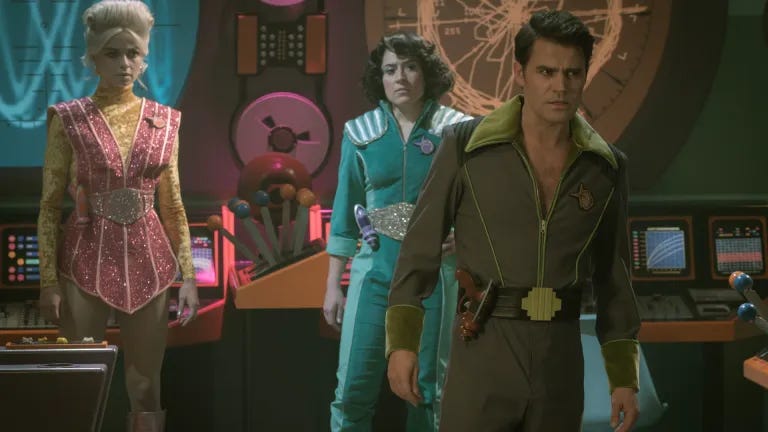
This is a holodeck-themed episode that tasks La'An Noonien-Singh with testing Starfleet's prototype "recreation room." Wanting some escapism, La'An asks the computer to generate a murder mystery program based on her favorite childhood detective novels, populating it with holodeck versions of the Enterprise crew. The plot escalates when the holodeck drains the starship's power, endangering the ship and trapping La'An in the simulation with safety protocols off. The only way she can save herself and the crew is by solving the mystery. Notably, the computer draws heavily from 1960s pop culture, filling the simulation with overt, sometimes parodic references to the original Star Trek's style, dialogue, and clichés. Many longtime fans felt the episode crossed from playful homage into outright mockery, finding its lampooning of the iconic series in poor taste. The choice to feature a bumbling, exaggerated Spock as the holographic villain, a slew of tongue-in-cheek "wink to the camera" moments, and a final recommendation to "bury" holodeck tech until the future were seen by critics as undermining the gravitas and legacy of the original Star Trek.
One may not consider the animated series “real Trek,” but here are some clunkers from those as well.
Star Trek: The Animated Series
"The Terratin Incident" (Season 1, Episode 11).
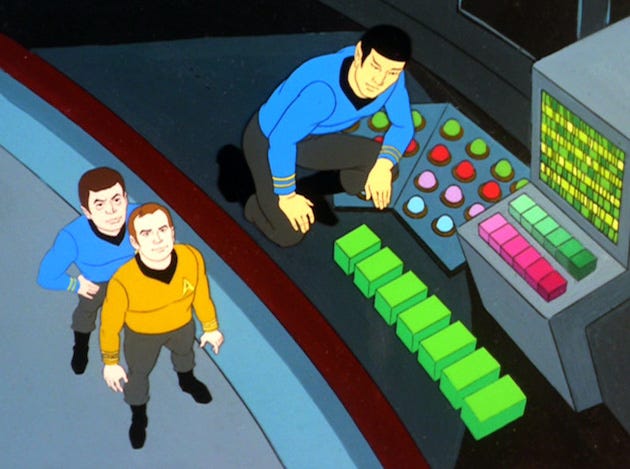
In this episode, the Enterprise crew investigates mysterious signals from a planet called Cepheus. After being exposed to a bizarre energy wave, everyone aboard the Enterprise begins to shrink rapidly, eventually becoming so tiny they struggle to operate the ship. The crisis escalates as the miniature crew must find a way to reverse the process and save themselves from complete helplessness. "The Terratin Incident" is often criticized for its absurd premise and lack of character-driven drama. While Star Trek is known for stretching scientific plausibility, this episode's depiction of everyone (and their uniforms) shrinking stretches credibility even by animated standards. Many fans and critics found the story to be more of a cartoonish gimmick than meaningful science fiction, leading to a sense that it undermines the tone and intelligence of the rest of the animated series
Star Trek: Lower Decks
"I, Excretus" (Season 2, Episode 8).
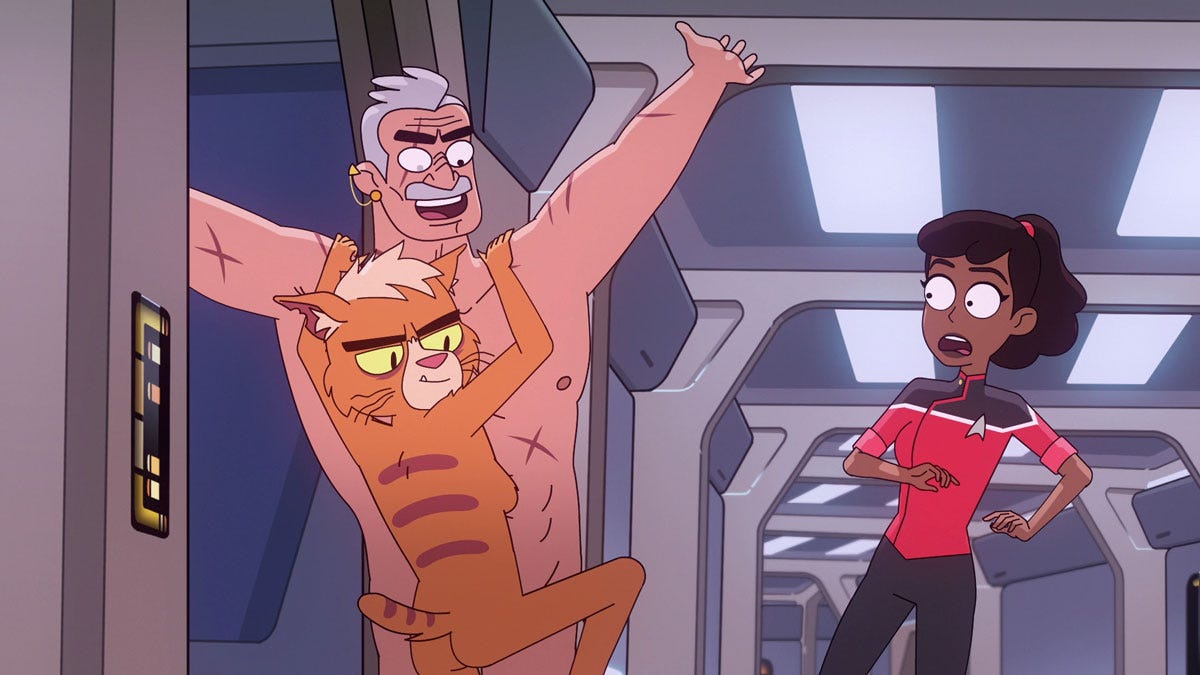
In this episode, the crew of the USS Cerritos faces a training simulation that goes horribly wrong, causing the crew to experience strange side effects including chaotic behavior and, at one point, episodes of undressing and nudity. This is a humorous nod to the classic Star Trek: The Original Series episode "The Naked Time," where a disease causes the crew to lose their inhibitions and act erratically—sometimes stripping naked as part of the breakdown. In Lower Decks, this results in over-the-top comedic situations, highlighting the show’s blend of irreverent humor and homage to Star Trek history. Despite the adult content and nudity, the episode plays the chaos for laughs and satirizes Starfleet training protocols, staying true to the show's comedic spirit. The nudity is censoring male and female genitalia, but does include some rear nudity shown without censorship
Star Trek: Prodigy
"Imposter Syndrome" (Star Trek: Prodigy, Season 2 Episode 6)
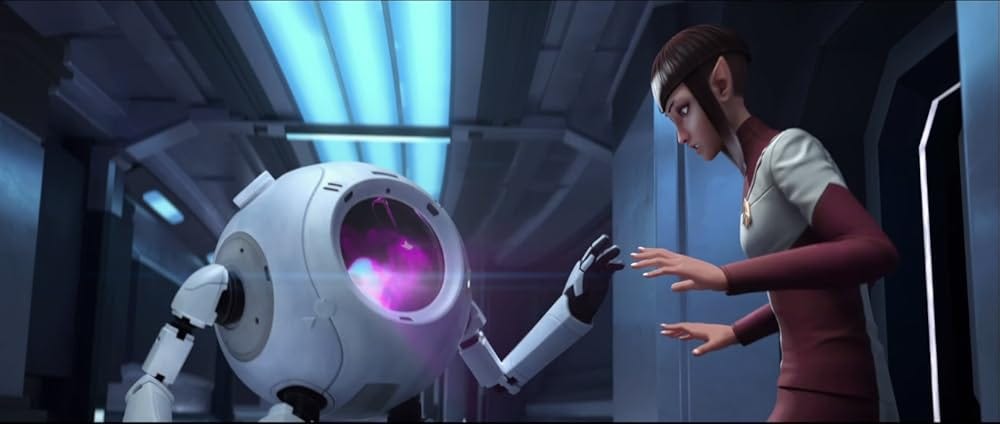
This episode centers on the young crew's plan to hijack the Starfleet vessel Infinity before it is destroyed as part of a secretive order. To cover for their disappearance, the crew creates holographic duplicates of themselves, programmed to fool the Voyager-A crew and Starfleet authorities. However, the holograms become too accurate, developing their own agendas and causing confusion and conflict aboard the Voyager-A. Meanwhile, the real crew embarks on a risky mission facing Kazon enemies controlled by a rogue computer, aiming to create perfect pilots through dangerous trials. The episode explores themes of identity, trust, and teamwork, but is criticized for relying heavily on predictable plot devices like hologram doubles and 'cat-and-mouse' antics. Some viewers find the story overcomplicated and lacking emotional depth, with the hologram subplot feeling like filler that dilutes the urgency of the main mission. The pacing struggles to balance action and character moments, and certain character arcs, such as Batel’s sickness and Zero’s sacrifice, feel underdeveloped. While the animation and core cast remain solid, "Imposter Syndrome" is seen as a weaker installment due to its scattered focus and missed opportunities for deeper storytelling
And let’s not forget the movies, though the choice is an obvious one in this one. You might think we’re talking Star Trek V, but there’s a new contender, possibly the worst creation in all of Star Trek history.
Star Trek: Section 31
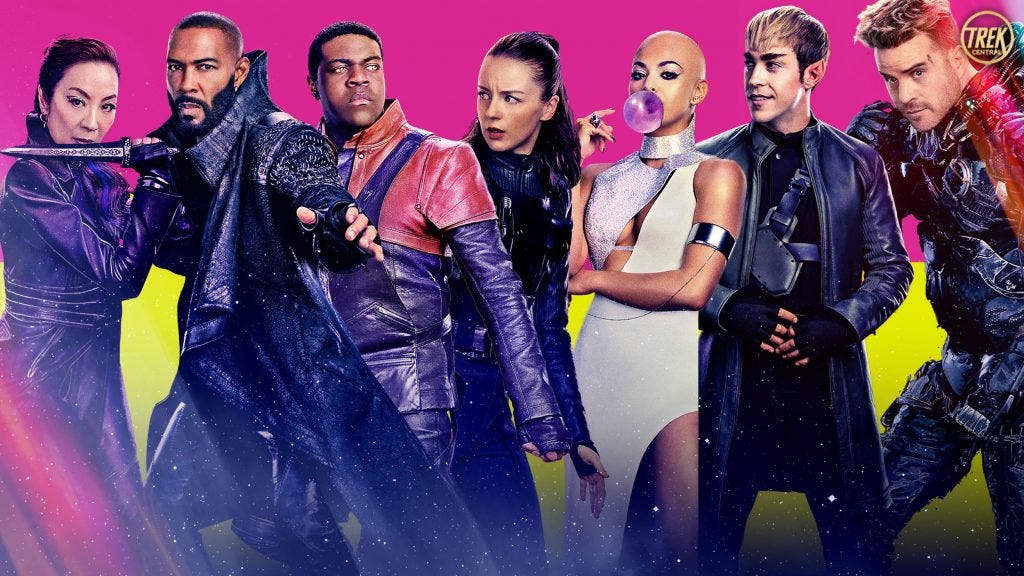
This botched film follows Philippa Georgiou as she joins the secretive and morally ambiguous Section 31, a covert branch of Starfleet tasked with protecting the Federation at any cost. The story revolves around a mission to intercept a bioweapon called the "Godsend," which threatens entire quadrants of space, while Georgiou confronts her dark past in the Terran Empire and navigates a team of eccentric operatives. Despite ambitious intentions to blend espionage, action, and redemption themes, the film is widely criticized by fans for its weak, predictable plot and lack of engaging character development beyond Michelle Yeoh’s performance. The tone feels uneven, oscillating between campy and serious without fully committing to either, resulting in a disjointed experience. Fans also dislike the film’s failure to live up to the deeper moral complexity and tension that made Section 31 intriguing in earlier Star Trek series.
What do you think of this list of atrocious Star Trek episodes?
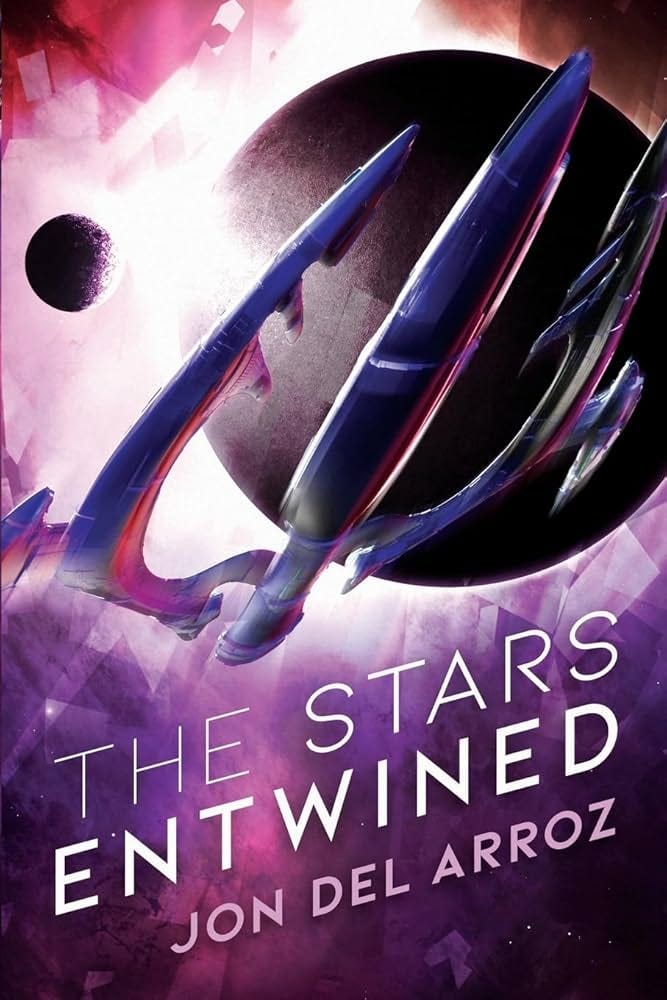
For a great alternative to mainstream science fiction with spy thriller action in a Star Trek feel, read The Stars Entwined on Amazon and support Fandom Pulse!
"Code of Honor" was no worse than Wakanda in Black Panther: high-tech African trope characters who, despite their enlightenment and technology, still choose to make major decisions based on the outcome of personal combat, because "heritage".
Also, the "Some viewers" comments and other things give away the game here; at least some of this article was probably written by AI. You should stop doing that.
Showing an image of "The Way to Eden", then not citing it as a bad episode seems odd. I do have to agree that the Enterprise finale episode was terrible on multiple level. The only redeeming thing about it was that it showed the often referenced but never shown Chef.