


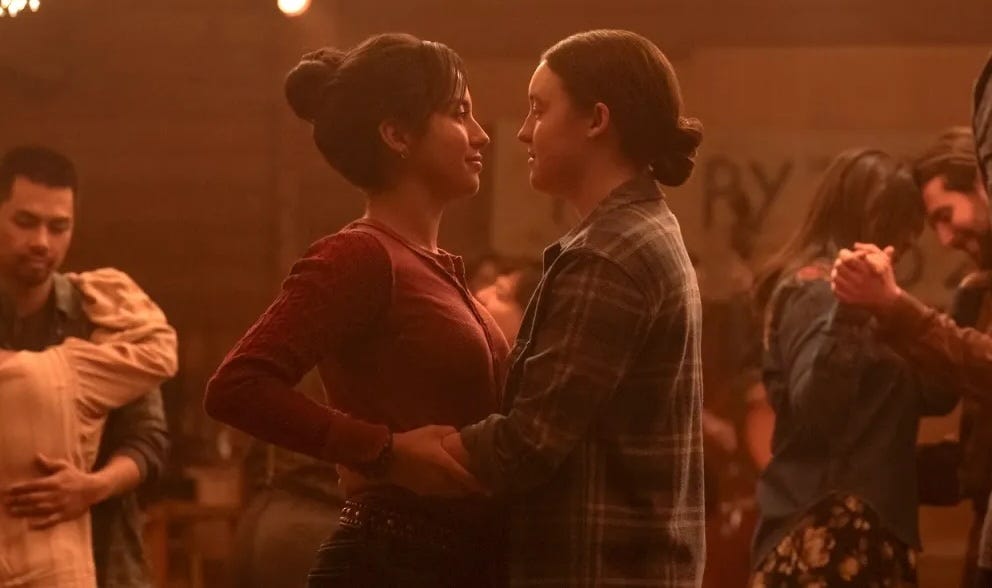
HBO's "The Last of Us" Season 2 premiere has arrived, and the show continues to prioritize LGBTQ messaging over the post-apocalyptic survival story that made the original game compelling. The episode establishes a romantic relationship between Ellie (Bella Ramsey) and Dina (Isabela Merced), culminating in a prominently featured kiss scene of a disordered lesbian lifestyle.
The premiere episode, which follows the lives of Joel (Pedro Pascal) and Ellie five years after the events of Season 1, dedicates significant screen time to developing the lesbian relationship between the two young women. During a New Year's Eve party at Jackson's local church, Dina and Ellie share a dance that leads to their first kiss – a scene lifted from "The Last of Us Part II" video game that was widely criticized by gamers because of its identity politics driven messaging.
Series co-creator Craig Mazin made it clear this degeneracy was a deliberate focus, telling Variety: "There's one shot in particular inside the church where we see Ellie from behind and these beautiful lights and people dancing. It's pretty darn close to what's there in the game."
Bella Ramsey, who has previously identified as a mentally ill person by calling herself non-binary, also was smug about the scene, telling Variety: "There are not a lot of times in the show where there's a group of people together enjoying themselves. It felt really nice, to have that many people in the room having a good time on the set of 'The Last of Us.'"
This focus on LGBTQ relationships continues the pattern established in Season 1, which dedicated an entire episode to a gay relationship between Bill (Nick Offerman) and Frank (Murray Bartlett) – a storyline that was merely hinted at in the original game. That episode was heavily promoted by HBO and praised by critics despite significantly expanding a minor subplot from the video game.
The show's determination to foreground these relationships comes at a time when many viewers are growing weary of seeing extreme leftist political messaging inserted into entertainment. "The Last of Us" repeatedly places these disordered LGBTQ+ lifestyles center stage, seemingly to ensure they generate discussion and media coverage.
What makes this approach particularly frustrating for many fans is that the post-apocalyptic setting of "The Last of Us" offers rich opportunities for exploring universal themes of survival, morality, and human connection. Instead, the show repeatedly diverts attention to relationships that appear designed to check representation boxes rather than advance the core narrative.
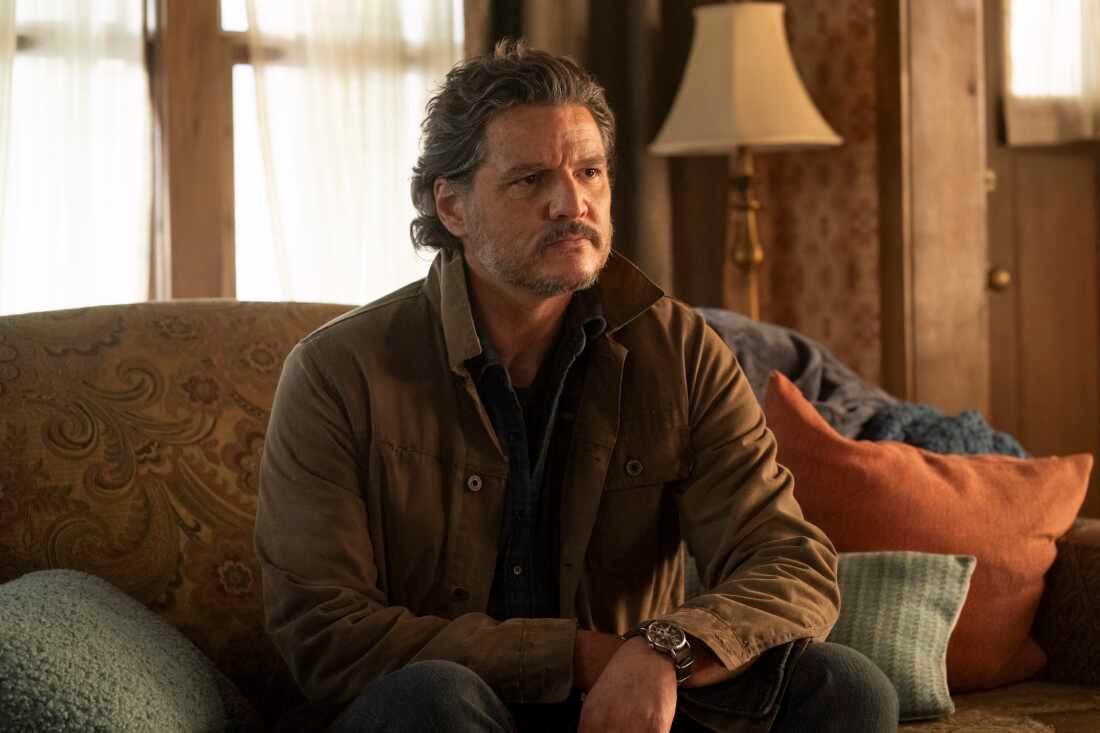
The episode also introduces Catherine O'Hara as Joel's therapist Gail, in a scene Mazin describes as "one of my favorite scenes so far among both seasons." This therapy subplot, which wasn't in the game, further shifts focus away from the survival horror elements that defined the original story.
As "The Last of Us" continues its second season, we’ll see if this tack loses the show viewers. For now, the premiere suggests HBO remains committed to using this post-apocalyptic setting primarily as a vehicle for identity politics rather than the gritty survival tale that made the games so compelling in the first place.
Do you love sci-fi and comics? Support an alternative to mainstream publishing. Sign up for the Jon Del Arroz newsletter and get THREE FREE BOOKS and stay up to date on deals and new releases from an author doing the good work.

NEXT: Poll: 65% Of Respondents "Extremely Concerned" About Netflix's 'The Chronicles Of Narnia' Adaptation
Because, of course, the mentally ill and sexually degenerate can't write their own characters and have any meaningful story behind it. For them, it's all sex, and no substance.
If they created an original story, it would flop.