


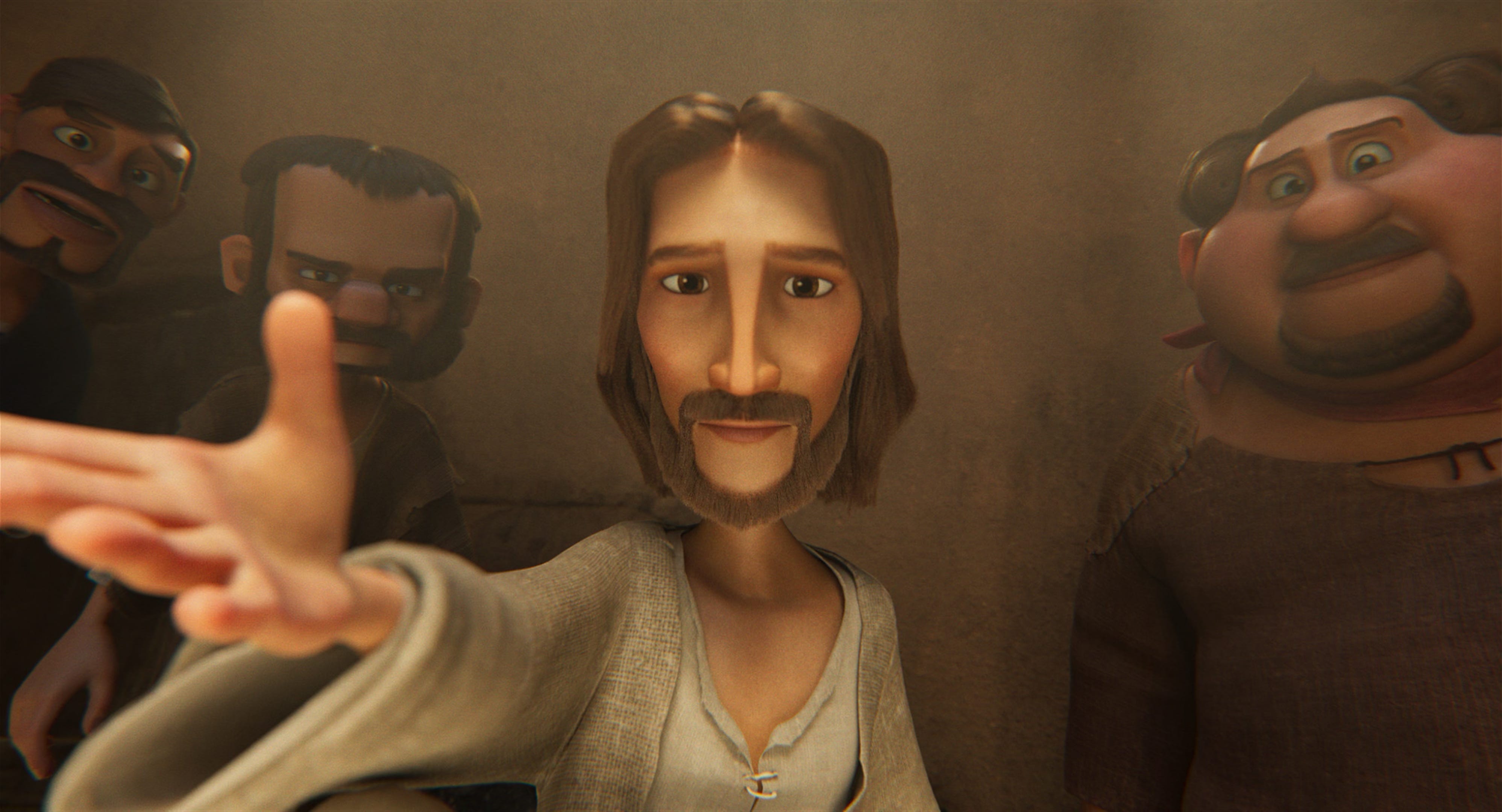
The King of Kings is the latest animated retelling of Jesus Christ’s birth, life, His Passion, and Resurrection. The film is produced by Mofac Studios and distributed by Angel Studios and is the directorial debut of South Korean director Seong Jang.
The film, which is loosely inspired by Dickens’ The Life of Our Lord, tells the story of Jesus Christ in a unique way as it sees Charles Dickens voiced by Kenneth Branagh regaling his son Walter voiced by Roman Griffin Davis about the story of Christ and how it inspired the boy’s favorite story in King Arthur.
For the purposes of this review, I have not read nor even heard of Dicken’s The Life of Our Lord so no comparisons to the source material and its faithfulness or lack thereof will be made.
The film is by no means perfect and obviously has to pick and choose which stories from the Bible it will include and those it will exclude to fit in its 103 minute runtime. There will likely be much debate on which events and parables it includes and those it does not.
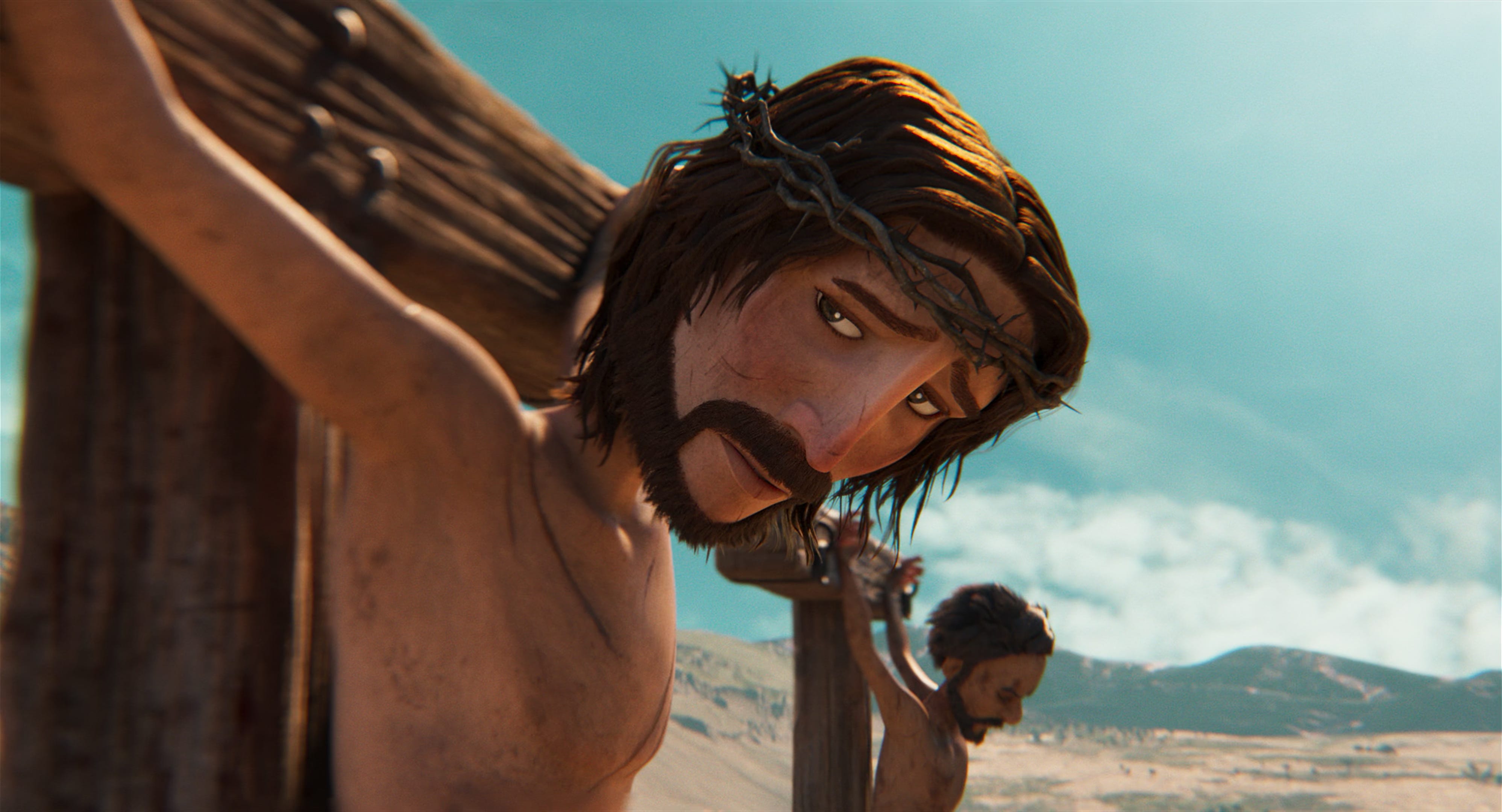
Regardless, one of the film’s major flaws is its ending. The movie abruptly cuts to the Resurrection following Christ’s death on the cross. Furthermore, it does not even depict Christ’s time on Earth after his Resurrection and before his Ascension.
However, this does not take away from the film’s many merits, which include various themes such as prioritizing our families over work, seeing Christ in others, refocusing our view of Christ to obtain a childlike awe and wonder, and prioritizing the stories we tell on top of the messages found in the various events and parables in Christ’s life it depicts.
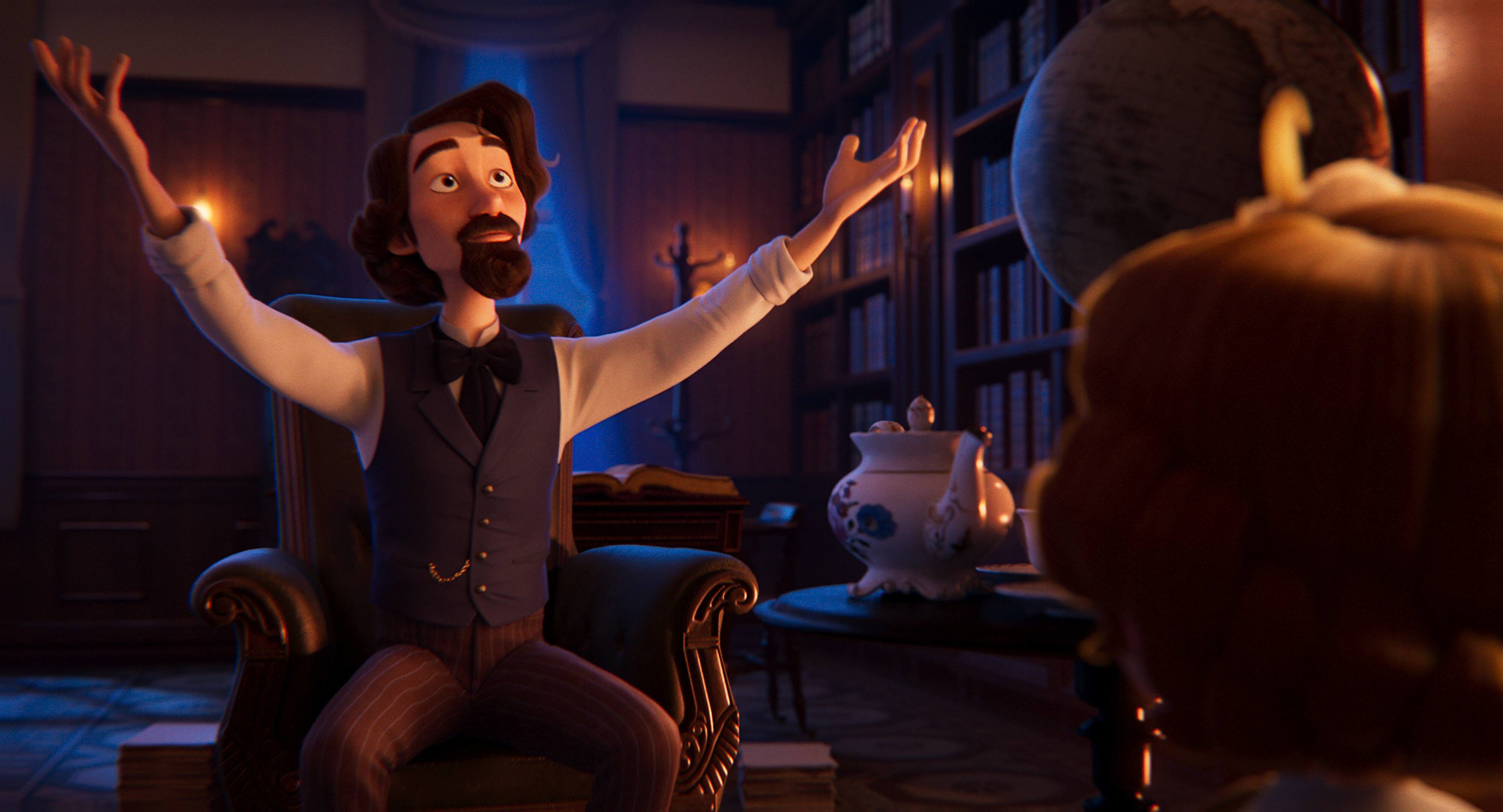
As for the film’s bright spots, it makes it abundantly clear that focusing on family is one of its primary themes right from the get go. While the opening scene is a little drawn out and sees Dickens’ son Walter interrupt a performance of A Christmas Carol and his work, his wife suggests he give his son the attention he is so craving. He does so by performing the story of Christ as a bedtime story. The story pays dividends by the end as the joy of the story is spread throughout the family to his other children. Dickens even tears down a sign on his study warning his children not to interrupt him during his work.
One of my favorite concepts in the entire film is how it calls us to not only imitate Christ, but to see Christ in others. However, the primary scene in which it does this, the entrance into Jerusalem, could have been vastly improved. While the film typically jumps in and out between the stories and parables of Christ and Dickens acting it out with his son, who interrupts him, for whatever reason Seong Jang decides not to use this technique during Palm Sunday until the end of the scene.
As Christ enters into the city, Walter’s beloved cat, who also happens to be a little bit of a nuisance for Dickens goes missing. Instead of jumping to Dickens’ home in London to show the family attempting to look for the cat, it instead keeps it in Jerusalem with Walter panicking to find him. The cat is eventually found by Christ, who is being acted out by Dickens. The concept is fantastic because it shows Walter seeing his father in a new light as Christ, but it also shows Dickens acting as Christ would to find the cat, of which he does not like, for his son. It just needed to be executed a little bit better by using the back and forth technique earlier in the scene.
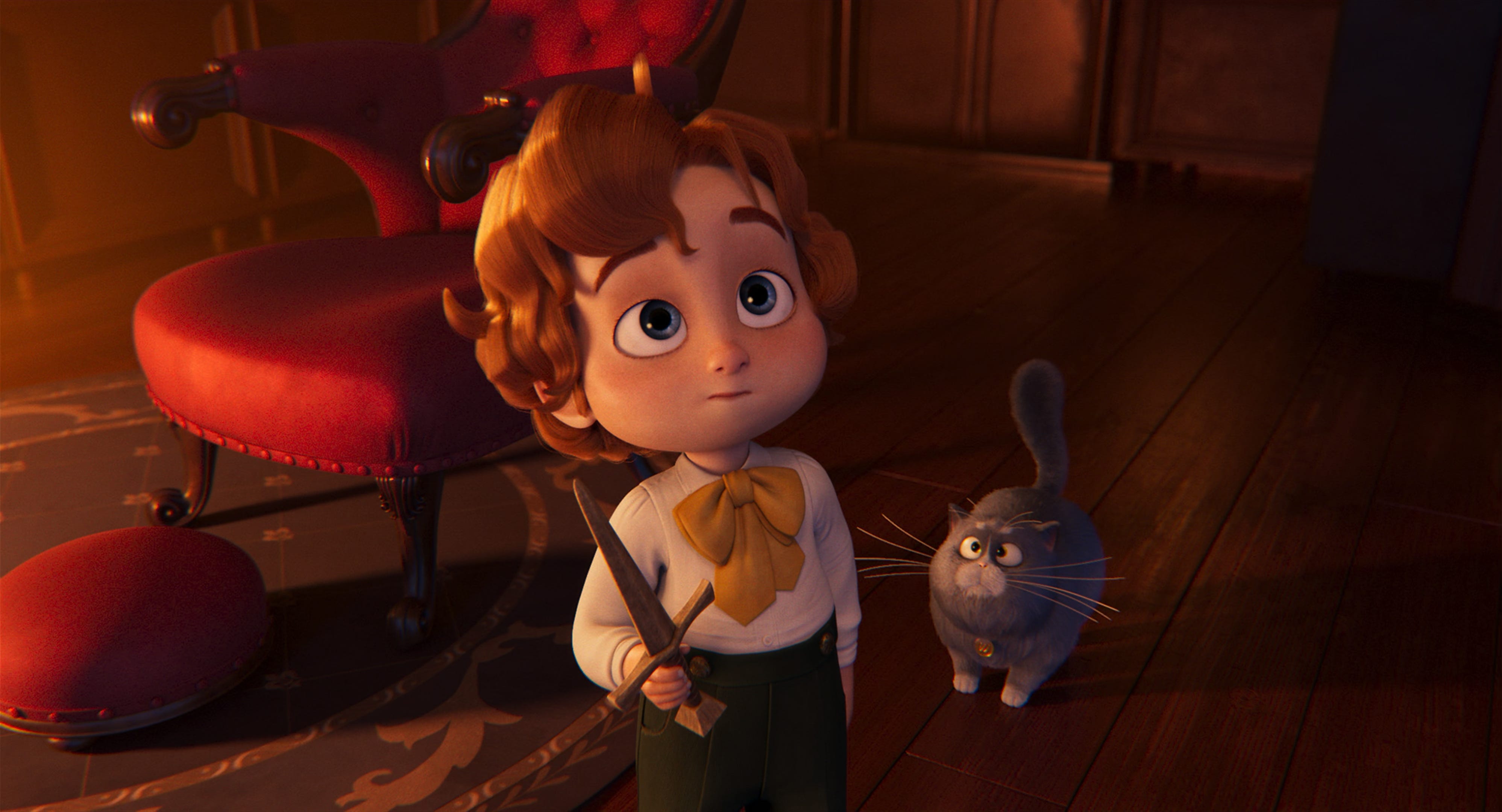
Another of the prominent themes of the film is how paramount Christ’s story truly is. It does this by showing how passionate Walter is about the story of King Arthur, but as he becomes entranced and drawn into the story of Christ, he realizes how amazing His story truly is so much so that he gives the sword he cannot bear to part with to his older brother.
This theme is woven interconnectedly with seeing the story of Christ with fresh, childlike wonder and awe through Walter’s eyes. We get caught up in Walter’s excitement and just like how he rushes to tell his siblings about the story of Christ we want to go spread the Good News to those around us after the film ends.
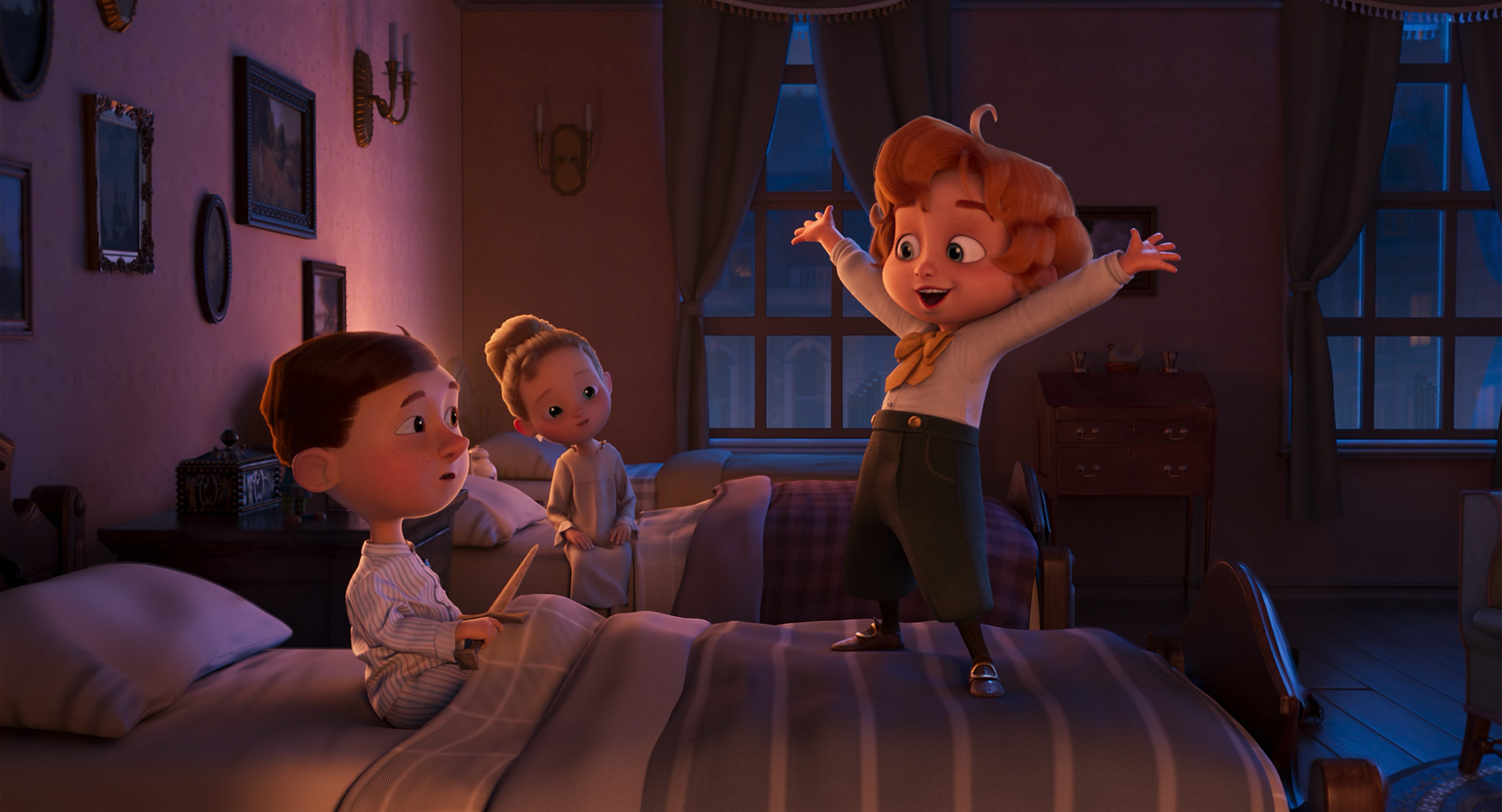
On top of these themes, the art style was aesthetically pleasing. While the show typically maintained the style scene in the above screenshots, it would change it up when Dickens connected various Old Testament stories like the fall of Adam and Eve, Passover, and the Parting of the Red Sea.
These depictions of the Old Testament were harsher and the movements of the characters a little stiffer. It worked well as it made it clear this was from even further in the past than the story of Christ that Dickens was regaling his son with.

As noted above, the film’s biggest flaw is the ending of Dickens’ story of Christ to his son Walter. The film quickly cuts from Christ’s death on the cross to his Resurrection and then it abruptly ends. The scene felt extraordinarily rushed and edited especially compared to the other events and parables that were depicted such as the resurrection of Lazarus or the walking on water.
One would assume that a film called The King of Kings might have depicted Christ’s time on Earth following his Resurrection and even his Ascension to his throne in Heaven. There even could have been a brief message or at least montage about how his reign continues and that Walter is part of today. However, none of this present and it’s a big loss.
The film’s dialogue and parts of Scripture were also updated with some modern language that was rather jarring especially during the Pharisees’ attempt to entrap Christ with the woman caught in adultery. Oscar Isaac taunts them saying, “Go ahead I’ll wait.” It was unnecessary and detracted from the scene.
Furthermore, Isaac’s Christ lacked authority in his voice when confronting the Pharisees in the temple as well as making it clear that he is I AM after Judas’ betrayal. Isaac would have done better to watch Robert Powell’s depiction back in 1977 especially when he denounces the Pharisees.
As noted at the very beginning there were certain scenes that were excluded that would have been beneficial to include especially the importance of Mary. The Visitation, the Presentation, and the Wedding of Cana are all cut from the film. And even during the Crucifixion scene, it omits Christ giving Mary to John and all of us, and charging Mary as not only John’s mother, but our mother as well.
The film’s musical score was also very well done. It complements and heightens the emotions Seong Jang wants us to feel especially sadness during Christ’s Passion and the aforementioned joy and sense of wonder when Walter becomes engrossed in his father’s story.
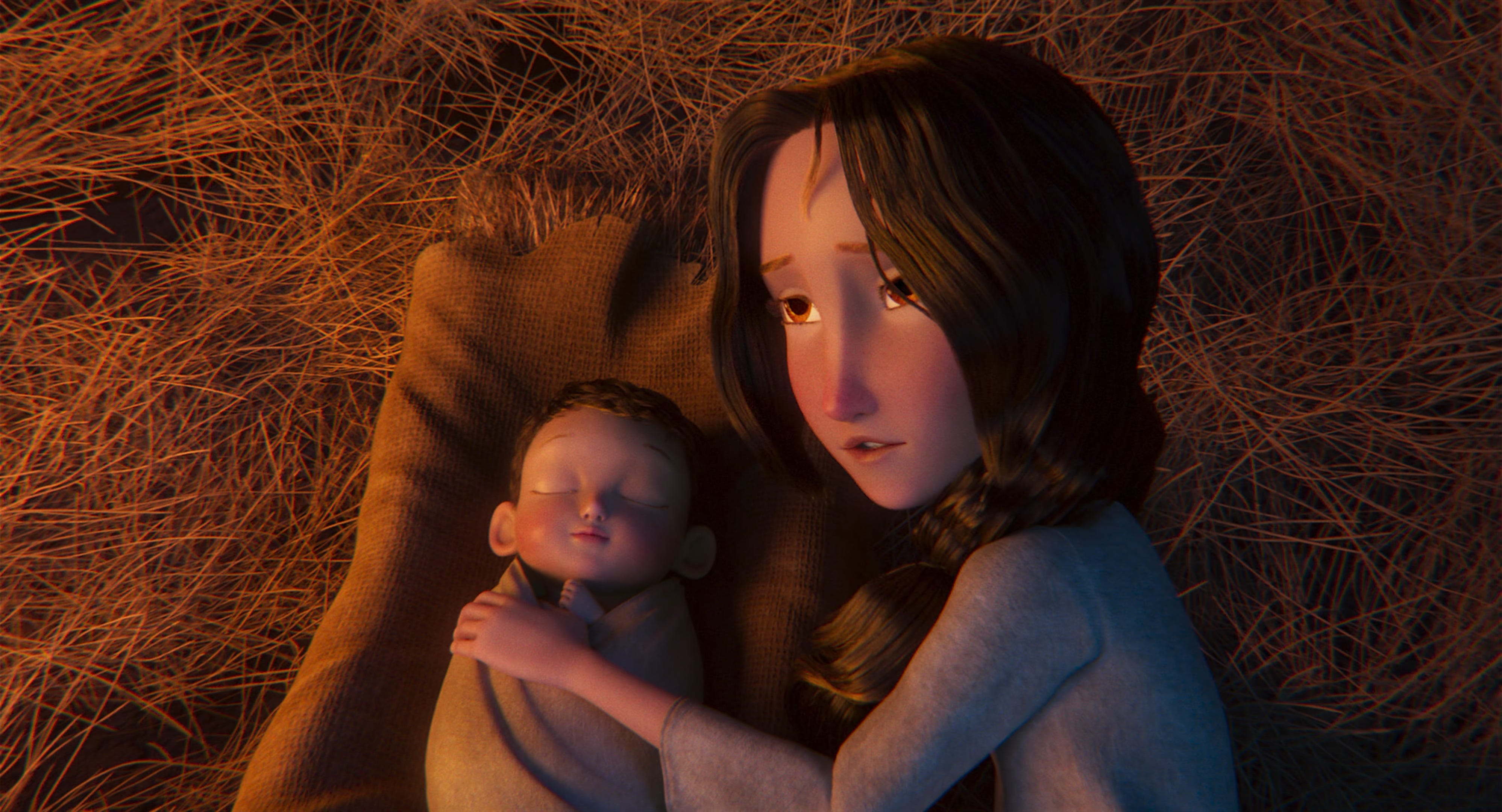
To conclude, The King of Kings does a good job at sharing the story of Christ with families. It reminds us that we have a responsibility to share Christ’s Good News with our families and that we should act as Christ wills in order to let our families and others see Christ in us. But probably the best thing it does is to remind us to have that childlike sense of awe and wonder regarding the story of Christ again.
The film could have cleaned up and excised the modern dialogue, better executed some of the scenes especially Palm Sunday, put more focus on Mary, and extend the ending of the film to truly show Christ as the King of Kings.
I recommend seeing the film in theaters and I plan to purchase the film and see it as something my family and I will watch together at least on an annual basis.
If you enjoy epic fiction with a strong spiritual backbone, read The Domes of Calrathia.

NEXT: 'House Of David' Review: It Shows Promise But Has Room For Improvement
Everybody's got a Gospel story they wish had been included. Mine would've been the story from MARK where Jesus could not perform miracles in his hometown of Nazareth due to their unbelief. "You're never a hero in your home town."
I don't care about the quality of the movie. Hamill being in it is an instant no-watch from me.