


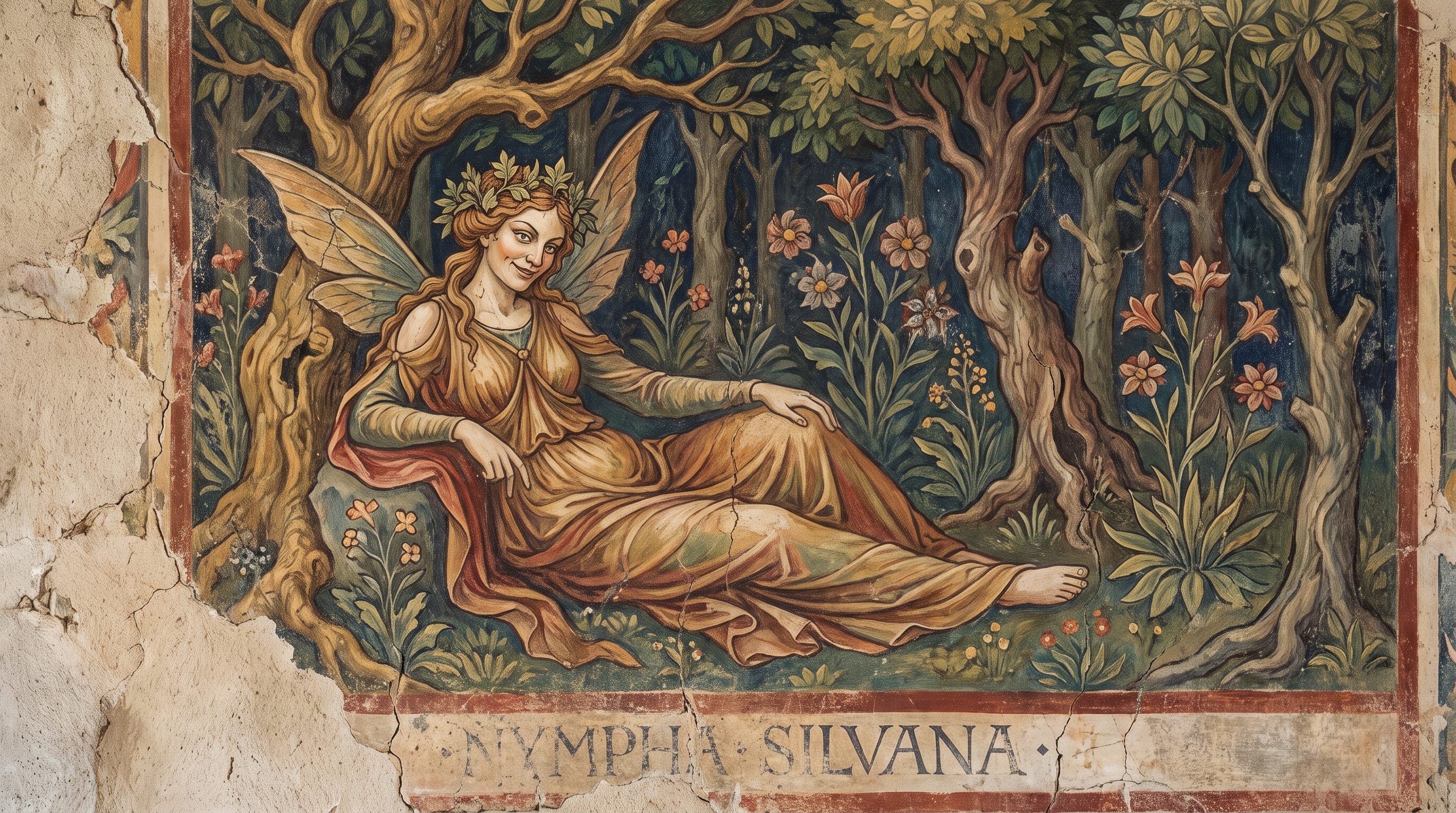
The Guardian published an essay on October 18 by Sarah Clegg, author of Perilous Enchantment: The True History of Faeries, arguing that modern romantasy is the heir of twelfth-century fairy romance. In Clegg’s telling, the medieval lais were a safe outlet where women explored desire away from a repressive Church, and the critics who mock A Court of Thorns and Roses today are the same scolds who mocked Marie de France eight hundred years ago. She closes by calling the old tradition a genre of “freedom, imagination and joy.”
The argument reads the sources backward. Sex in medieval fairy literature is real, and nobody serious denies it. What Clegg leaves out is the price. In the ballads, the lais and the chronicle tales, the mortal who takes a fairy lover loses something: his homeland, his years, his family, his place among Christian men, sometimes his soul. The fairy is beautiful because the trap has to be baited. The audience in the hall, the farm workers and the nuns Clegg mentions, knew that, because their priests told them what fairies were.
Cleg’sbook book draws on real scholarship, and she names texts that are pertinent in genre. The problem is selection. Build a case from Lanval and the 30,000-line Claris et Laris, set aside the Scottish ballads, the Breton lais of lost time, the Latin chroniclers and the theologians, and you get romantasy in a wimple. Read the whole tradition and you get something else: the oldest body of fantasy in English and French is a literature of warning, and the line that runs from it to modern fantasy passes through Tolkien, not through Maas.
What the Medieval Audience Thought a Fairy Was
Clegg treats fairy sex as a fantasy space the Church could not police. The Church policed it for a thousand years, and it did so by naming the fairy lover a demon.
