


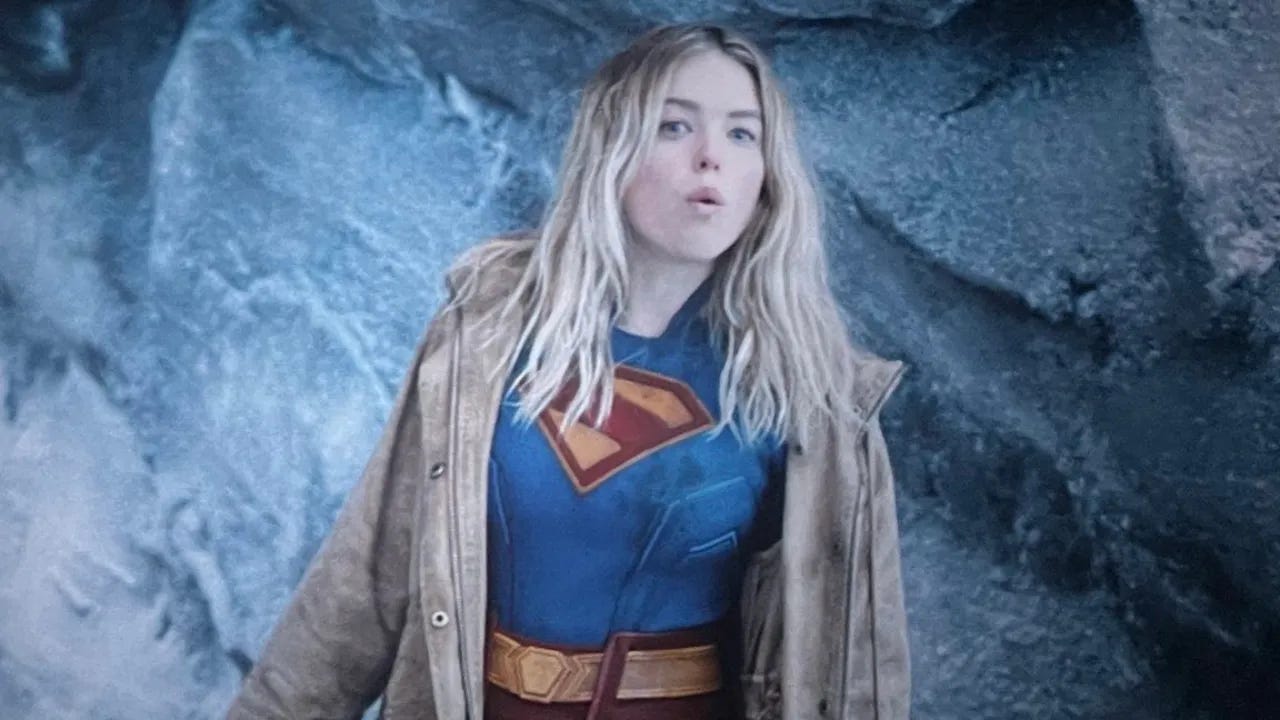
Ana Nogueira doesn’t understand Supergirl. The screenwriter behind DC’s upcoming “Supergirl” film told reporters she couldn’t “get my head around the version of the character that is so sunny.” For a character whose entire existence is built on hope and optimism, that’s like hiring someone to write Spider-Man who thinks responsibility is overrated.
Supergirl has always been Superman’s spiritual twin, not just his biological cousin. When Jerry Siegel and Otto Binder created Kara Zor-El in 1959, they designed her as someone who embodied the same unwavering optimism that made Superman a cultural icon. She’s the girl who watched her entire world die, lost everything she ever knew, and still chose to smile. It’s the embodiment of heroism.
The comics have consistently portrayed this optimism as Supergirl’s defining trait. From her Silver Age adventures through John Byrne’s modern reinvention to Jeph Loeb’s acclaimed run, Kara’s sunny disposition is her superpower beyond any of the others she’s demonstrated over the years. Even in darker stories like “Superman/Batman: Apocalypse,” her hope shines through the grimness.
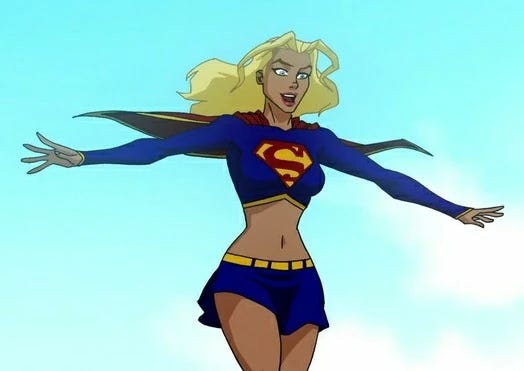
The films understood this too. Helen Slater’s 1984 “Supergirl” may have had script problems, but it captured Kara’s essential optimism. The character’s brief appearances in the Arrowverse maintained that hopeful core. Even Melissa Benoist’s TV version, despite facing weekly apocalypses, never lost her fundamental belief in humanity’s goodness.
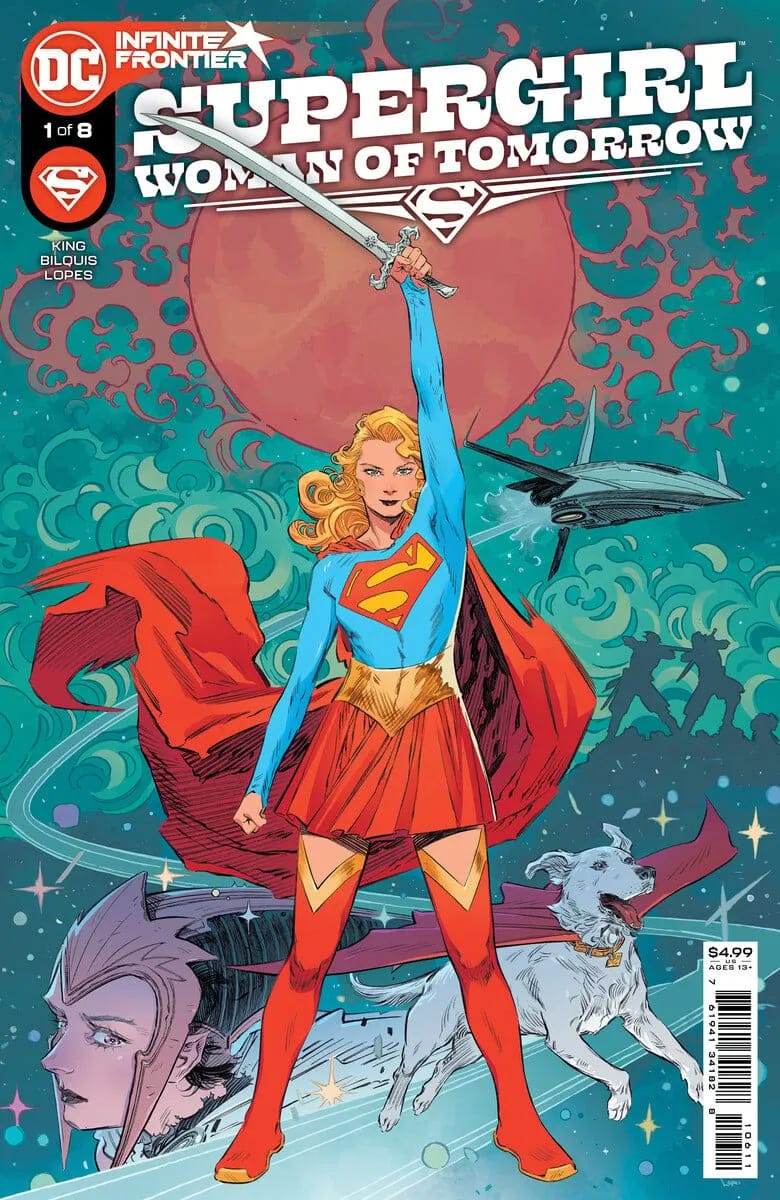
But Nogueira’s “Supergirl” is based on Tom King’s “Supergirl: Woman of Tomorrow,” which strips away everything that makes the character special. King’s version is essentially “True Grit” in space—a gritty, cynical take that turns Kara into a hardened warrior haunted by trauma. It’s not Supergirl. It’s what happens when writers mistake darkness for depth.
The warning signs are already visible in James Gunn’s “Superman”, where we glimpse a disheveled, apparently drunk Supergirl. If that’s the version Nogueira is bringing to the big screen, we’re looking at a flawed premise that’s going to fail from the start.
Superman and Supergirl aren’t compelling because they’re dark and edgy. They’re compelling because they choose hope in a world that gives them every reason for despair. It’s the entire point of their characters to never give up, never surrender, to borrow a line from Galaxy Quest.
Nogueira’s comments reveal a writer who sees Supergirl’s hope as a problem to be solved rather than a strength to be celebrated. She’s not alone in this misunderstanding. Hollywood has spent decades trying to make Superman “realistic” by making him brooding and conflicted, missing the point entirely.
The tragedy is that audiences are hungry for genuine heroism. The success of films like “Spider-Man: No Way Home” and “Top Gun: Maverick” proves people want characters who inspire rather than depress. Supergirl could be that beacon of hope if her own screenwriter understood why hope matters.
What do you think? Can a Supergirl film succeed if it fundamentally misunderstands what makes the character special?
Join my comics Substack for some great superhero reading to fight back against the mainstream industry:

NEXT: Charles Soule Announces Marvel’s ‘Eddie Brock: Carnage’ Scrapped After 10 Issues
The answer Sir to your question, which you know..., is no.
They’re compelling because they choose hope in a world that gives them every reason for despair.
I remember a line from a superman movie.
"What does that big S stand for?"
"It's the symbol of hope where I'm from."