


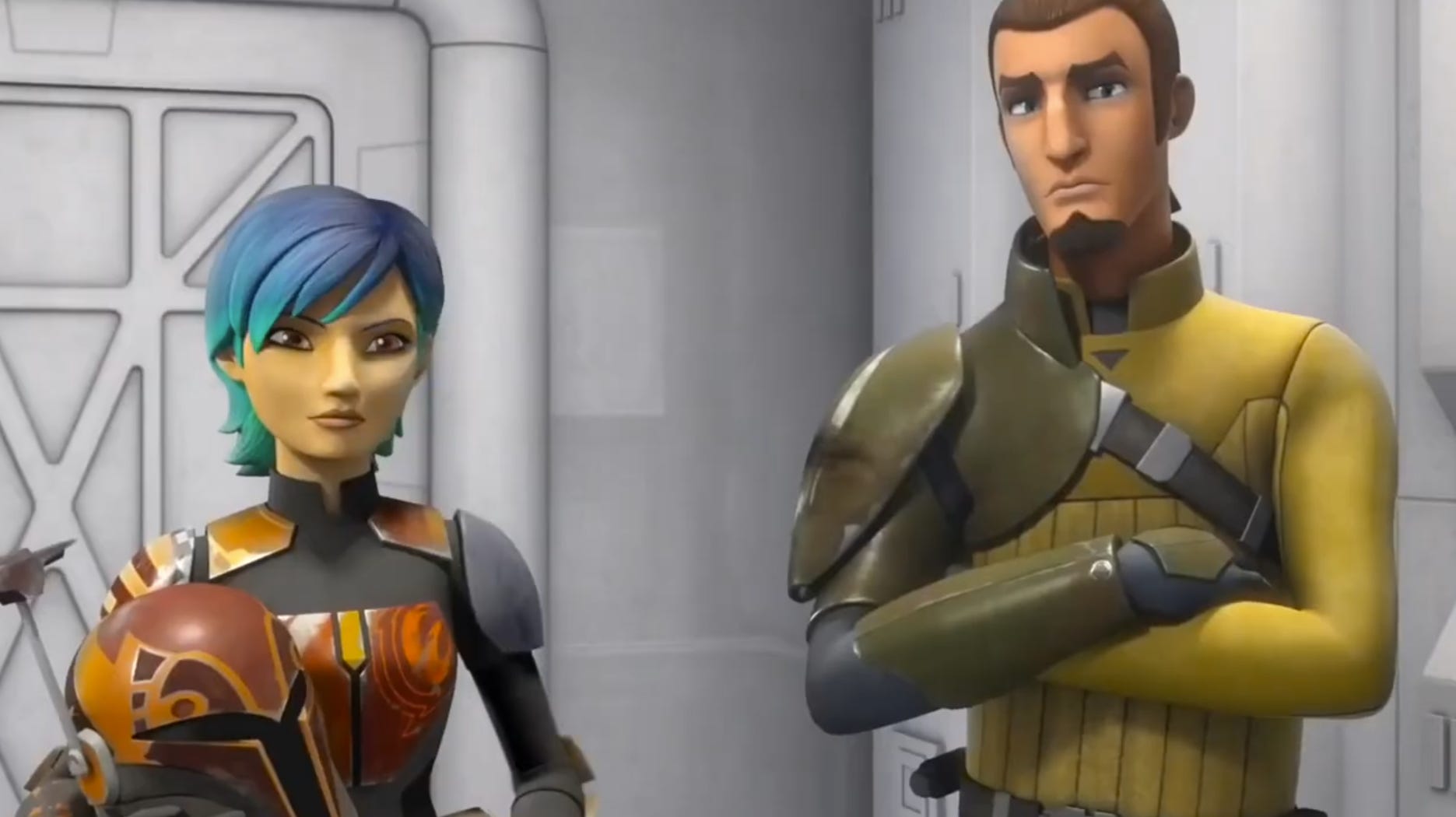
Star Wars Rebels and Star Wars: The Clone Wars writer Henry Gilroy shared that it is his personal philosophy to put in a “pro-social aspect that goes underneath the plot” in Star Wars shows.
Gilroy is credited with writing 18 episodes of Star Wars: Rebels and 21 episodes of Star Wars: The Clone Wars. During an appearance on the Pod of Rebellion podcast, Gilroy said, “This is my personal philosophy in Star Wars: When I write a story there’s always some pro-social aspect that goes like underneath the plot.”
“We haven’t talked about the kind of stories we tell. Like there’s the mystical stories which are kind of Jedi/Sith stories and then you have the war stories which are sort of the Hera, Rebel stories. But underneath it all is always something that we want to say about the family unit, but also something that is pro-social,” he reiterated.
He then shared an exampled, “Which is you know what, you don’t always—. Like Sabine could have killed him. On the fast draw, she could have shot him in the face. I think I actually pitched that. Which is like, ‘You killed Hera and I just shot you in the face.’ Now, it’s like she won by trial by combat and that would have taken the story a completely different thing. But it’s like, no, she disarmed him because she’s already learning from Kanaan. ‘Cause Kanaan basically said, made her promise, ‘Don’t shoot people. Don’t kill them.’ Even though the next scene is they are on the run and the Mandalorians are trying to kill them. She’s already like doing as he’s asked. She’s already learned from him. And by the end of the episode we kind of see it come full circle.”
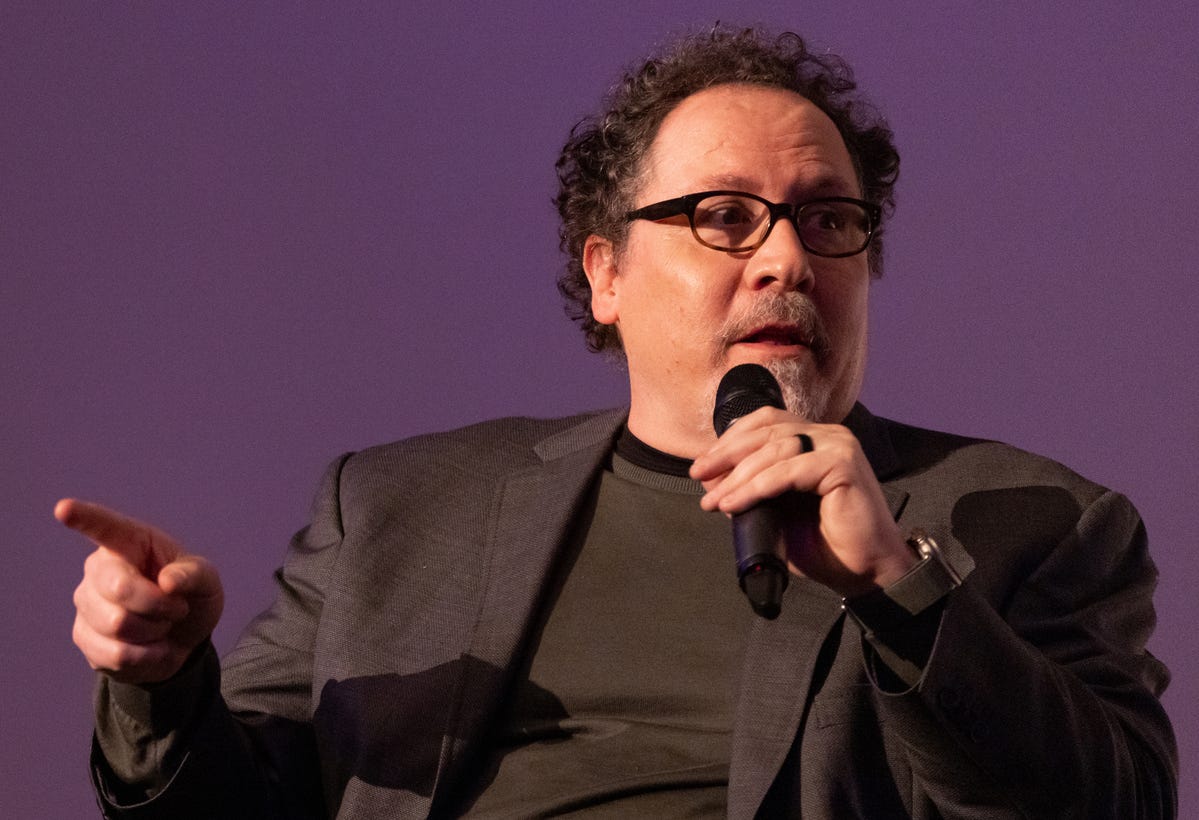
Gilroy is not the only Star Wars creator to make such comments. The Mandalorian creator Jon Favreau made similar comments back in 2019. In an interview with Vanity Fair, Favreau responded in part to a question about the pressure of stepping into the world of Star Wars. He said, “Understanding that stories for the generation that’s coming of age can open doors to people and help guide the values of our culture if stories are told well. So to me that’s the part that I feel.”
When asked if he discussed this with George Lucas, Favreau replied, “You know it’s strange, it’s a strange experience that he’s been through because he’s created this thing out of his imagination that’s turned into something that I think went beyond what he ever could’ve expected in the 70’s. That there are life lessons that are in these stories, that carry on the tradition and speaking to him he felt that the western was the genre that helped teach a generation of people coming of age about the value systems that are espoused by that genre, and that Star Wars part of that responsibility is remembering that part of your audience is a whole generation that’s coming of age and through stories we express our values to the next generation. And so one of the things he said was not to lose sight that that is the main audience for stories.”
“It’s great for us who grew up with it and feel nostalgic, but really you’re trying to teach life lessons through the themes and the conflicts that arise among these characters,” Favreau added.
NEXT: Yahya Abdul-Mateen II On ‘Wonder Man’: There’ll Be Commentary About Superhero Fatigue”