


Wise Wizard Games laid off multiple full-time staff members this week, citing “rising costs and unstable US tariffs” as the company struggles to fulfill over $2.5 million in overdue crowdfunding projects. The layoffs include project director Danielle Reynolds and customer experience manager Derek Gill, part of what the company called “heartbreaking” cuts necessary to ensure long-term sustainability.
The company’s owners have been working without pay to “move things forward while keeping costs down,” according to a statement posted across updates for three undelivered Kickstarters. Wise Wizard insists it remains committed to fulfilling all campaigns, but the layoffs tell a different story about a company in crisis.
Board gaming peaked during the pandemic. Locked-down consumers flooded Kickstarter with money, backing elaborate projects they’d never have time to play once life returned to normal. Publishers expanded operations to meet demand that was never sustainable. Now the bill is coming due. Sales have dropped off. Kickstarter campaigns that would have funded in hours now struggle to reach modest goals. Companies that built their business models around endless crowdfunding growth are collapsing.
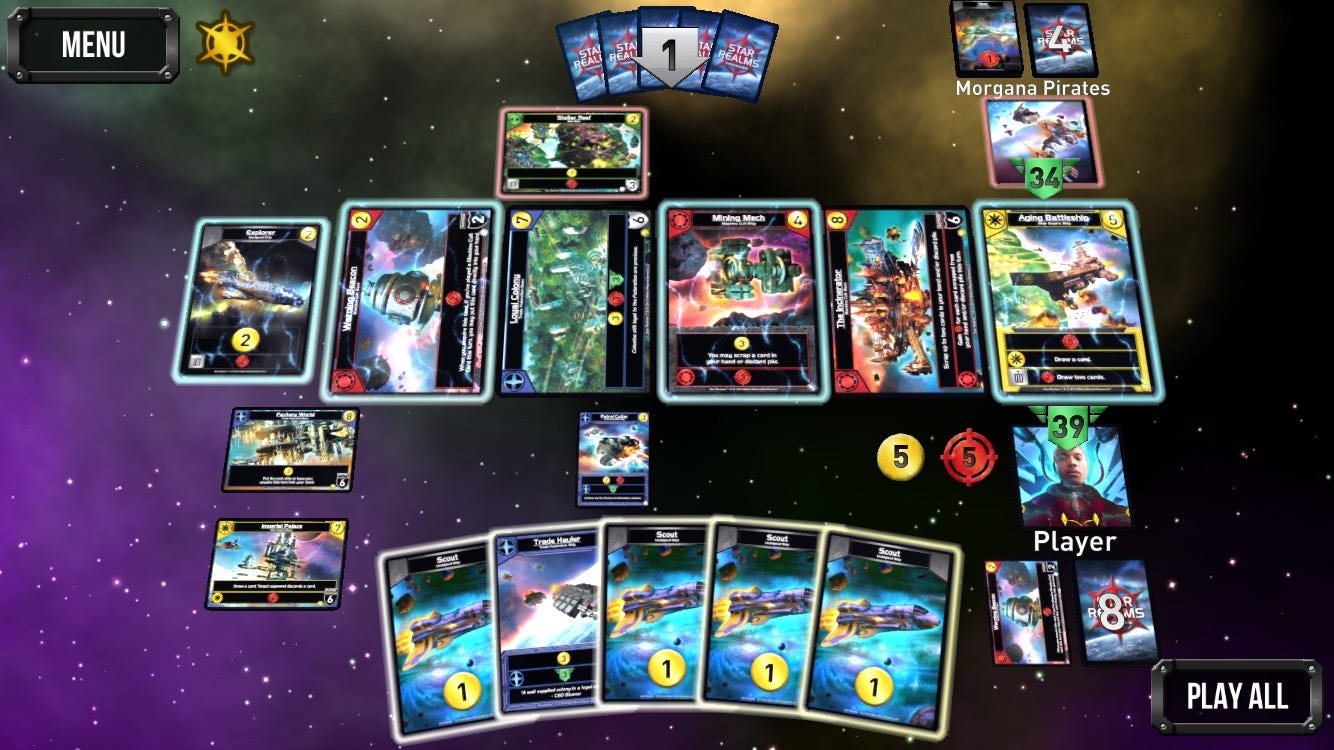
Wise Wizard Games exemplifies the problem. The company built its reputation on Star Realms, the 2014 deck-building game about spaceship combat that became a surprise hit. Designed by Magic: The Gathering Hall of Famers Rob Dougherty and Darwin Kastle, Star Realms offered fast-paced gameplay, strategic depth, and a low price point that made it accessible. The game sold well, spawned a successful digital app, and established Wise Wizard as a legitimate publisher.
But the company has struggled with everything since. Hero Realms, the 2016 fantasy reskin of Star Realms, performed decently but never matched the original’s success. Epic Card Game, their 2015 attempt at a Magic-style trading card game without the collectible aspect, came and went with minimal impact. The game raised over $200,000 on Kickstarter and received positive reviews, but failed to build a sustainable player base. By 2018, organized play had largely evaporated, and the game exists now primarily as a curiosity for deck-building enthusiasts.
Sorcerer, their 2015 release about dueling wizards, similarly failed to gain traction despite an interesting design and quality components. The game raised $146,000 on Kickstarter but never found an audience beyond initial backers. Robot Quest Arena showed promise but couldn’t break through in a crowded market.
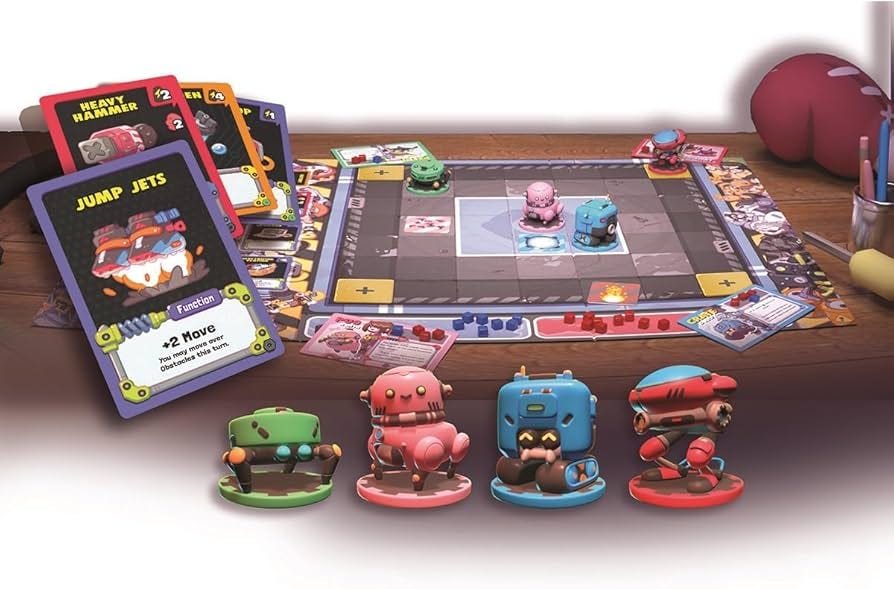
Wise Wizard has one hit, Star Realms, and has spent a decade trying unsuccessfully to replicate it. That’s a dangerous position for any publisher, but especially one that relies on crowdfunding to finance operations.
The company’s Kickstarter track record is troubling. Wise Wizard has developed a pattern of opening new campaigns before fulfilling previous ones, using incoming funds to pay for overdue deliveries. It’s a Ponzi scheme structure that works until it doesn’t. Right now, it’s not working.
Hero Realms Dungeons raised over $1 million in 2022 with an estimated delivery of February 2024. It still hasn’t shipped. Robot Quest Arena: Bot Battle raised $1.1 million on Gamefound with a June 2025 delivery estimate. Still not delivered. Star Realms Deluxe Colonial Collection raised over $300,000 from 2,500 backers with a November 2024 delivery estimate. Still waiting. The physical edition of trading card game Draconis 8 was supposed to deliver this month. It hasn’t and isn’t likely to come out any time soon.
The company’s previous campaigns suffered similar delays. Star Realms Rise of Empire finally delivered in March 2025, almost two years past its June 2023 estimate. Robot Quest Arena arrived 18 months after its May 2022 estimate. Backers have lost patience. The Hero Realms Dungeons comment section is filled with angry customers demanding refunds, questioning the company’s financial stability, and criticizing the decision to send staff to conventions like Spiel Essen while campaigns remain unfulfilled.
“You’re at Essen spending money on a booth while my pledge from 2+ years ago sits unfulfilled?” wrote one backer. “This is insulting.”
Wise Wizard’s statement tried to spin convention attendance as a positive, noting that sales were up at Origins, Gen Con, and Spiel Essen. But backers aren’t buying it. When you owe customers $2.5 million in products, spending money on convention booths looks like mismanagement at best and fraud at worst.
The company blamed rising costs and tariffs for the delays and layoffs. That’s partially true. The board game industry has been hammered by volatile US-China trade policy. President Trump’s tariffs on Chinese manufacturing have fluctuated wildly, reaching as high as 145% in April before settling around 45% currently. Most board games are manufactured in China, and these tariffs have devastated publisher margins.
But Wise Wizard’s problems predate the current tariff situation. The company has been late on deliveries for years, long before Trump’s second term. The tariffs are making a bad situation worse, but they’re not the root cause. The root cause is a business model built on using new crowdfunding campaigns to pay for old ones while expanding operations beyond sustainable levels.
Wise Wizard isn’t alone. CMON, one of the largest board game crowdfunding publishers, has been in freefall. The company reported losses of over $3 million in 2024, almost double its profits from the previous three years combined. In April 2025, CMON announced mass layoffs, halted new game development, and paused future crowdfunding campaigns, blaming US tariffs for the crisis. The company had already been struggling with declining revenue before tariffs accelerated the collapse.
Flat River Group laid off the vast majority of staff at its subsidiary Greater Than Games (publisher of Spirit Island) in April 2025, citing “ongoing economic pressures resulting from the international tariff crisis.” Amigo Spiele, the veteran German publisher of Bohnanza and 6 Nimmt!, shuttered its US operation in October 2025 after eight years, saying tariff uncertainty was “the final impetus” for the decision.
Beyond these situations across the industry, Wise Wizard’s situation is complicated by self-inflicted wounds. The company was originally named White Wizard Games, a reference to Gandalf from The Lord of the Rings. In 2021, amid corporate America’s race to demonstrate progressive credentials, the company rebranded to Wise Wizard Games. The official explanation cited “confusion” with other similarly named companies, but the timing and context made the real reason obvious—they were worried “White Wizard” sounded racist.
It was a Gandalf reference. Everyone knew it was a Gandalf reference. But the company decided virtue signaling was more important than brand recognition, alienating fans who saw the move as capitulation to absurd political pressure. The rebrand cost money, confused customers, and damaged goodwill for no tangible benefit.
The company faced other controversies hitting their tables. In 2024, Wise Wizard attracted criticism from tabletop artists, including Root illustrator Kyle Ferrin, for using AI-generated imagery in Draconis 8.
The company’s statement about the layoffs tried to strike an optimistic tone: “Times are challenging, and we’ve had to make some hard decisions, but Wise Wizard Games is well positioned to weather the storm.” The company emphasized that its digital apps for Star Realms and Hero Realms are “thriving” and unaffected by tariffs, and that its strategy of focusing on smaller box games like Seeker Chronicles, Elemystic, and Cat Says Moo is “helping us weather changes in costs and tariffs.”
But laying off your project director and customer experience manager while sitting on $2.5 million in unfulfilled crowdfunding obligations doesn’t suggest a company “well positioned” for anything except bankruptcy. Those are critical positions for a publisher trying to deliver overdue projects and maintain customer relationships. Cutting them suggests Wise Wizard is in survival mode, slashing costs wherever possible to stay afloat for another few months.
The company concluded in its updates: “We’ve poured our hearts and souls into Wise Wizard Games for over a decade. We know this transition is hard, and we’re sorry for the delays and disruptions. But we’re optimistic about the road ahead.”
Optimism doesn’t fulfill Kickstarters. Money does. And Wise Wizard is running out of both.
What do you think? Can Wise Wizard survive long enough to deliver on its obligations, or is this the beginning of the end?
I’m putting out a trilogy of some of the best science fiction in years, bringing back the sense of wonder and exploration to the genre. The crowdfund is open now, and if you miss what sci-fi used to be, this is the series for you. Back it today.
NEXT: Fans Outraged As George R.R. Martin’s A Feast for Crows Illustrated Edition Allegedly Uses AI Art
Thanks for writing this, it clarifies a lot. My partner and I saw this coming.