


Square Enix released its medium-term business plan progress report this week, framing the last two years as steady execution on a strategy the company calls “Square Enix Reboots and Awakens.” The report shows improving financials: operating profit climbed from 32.5 billion yen in FY2024 to 54.7 billion yen in FY2026, with the operating profit margin rising from 9.1% to 18.4%. On paper, the turnaround is working.
The context behind those numbers is less flattering.
The reboot plan was not a strategic choice. It was a crisis response. Final Fantasy XVI and Final Fantasy VII Rebirth did not deliver expected profits for Square Enix despite strong critical reception. Square Enix president Takashi Kiryu said publicly that “profits unfortunately did not meet our expectations” for both titles. The company reported losses of about $141 million in FY2024 due to the cancellation of projects “incompatible with the group’s revised approach to the development of HD games.” Square Enix’s share price fell by 28% in the weeks following Final Fantasy XVI’s release, translating to a loss of $2 billion in market value.
The diagnosis Kiryu gave was blunt. “We did not manage our title portfolio across the company as well as we could have,” he said. The company had been overproducing, spending too much, and locking its flagship IP to PlayStation exclusivity deals that limited the addressable audience. With the industry in crisis and Square Enix’s marquee titles failing to meet sales expectations, the company restructured to aggressively pursue a multiplatform strategy and made layoffs across its US and European publishing operations in 2024.
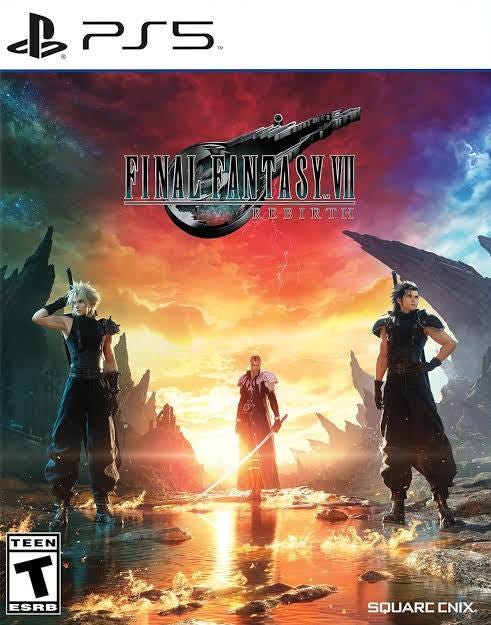
The reboot plan’s four pillars are sensible: shift from quantity to quality by cutting weak projects, go multiplatform to stop leaving Xbox and PC money on the table, restructure studios in Japan, and use AI tooling to accelerate development pipelines. The progress report confirms the company rebuilt its medium- to long-term pipeline, completed the transition of major titles to a multiplatform strategy, and is making steady progress establishing a framework for regular new title launches for major IP. Upcoming releases include Final Fantasy VII Rebirth for Nintendo Switch 2 and Xbox Series X|S in June 2026, Final Fantasy Tactics: The Ivalice Chronicles, and Final Fantasy XIV’s next expansion Evercold planned for January 2027.
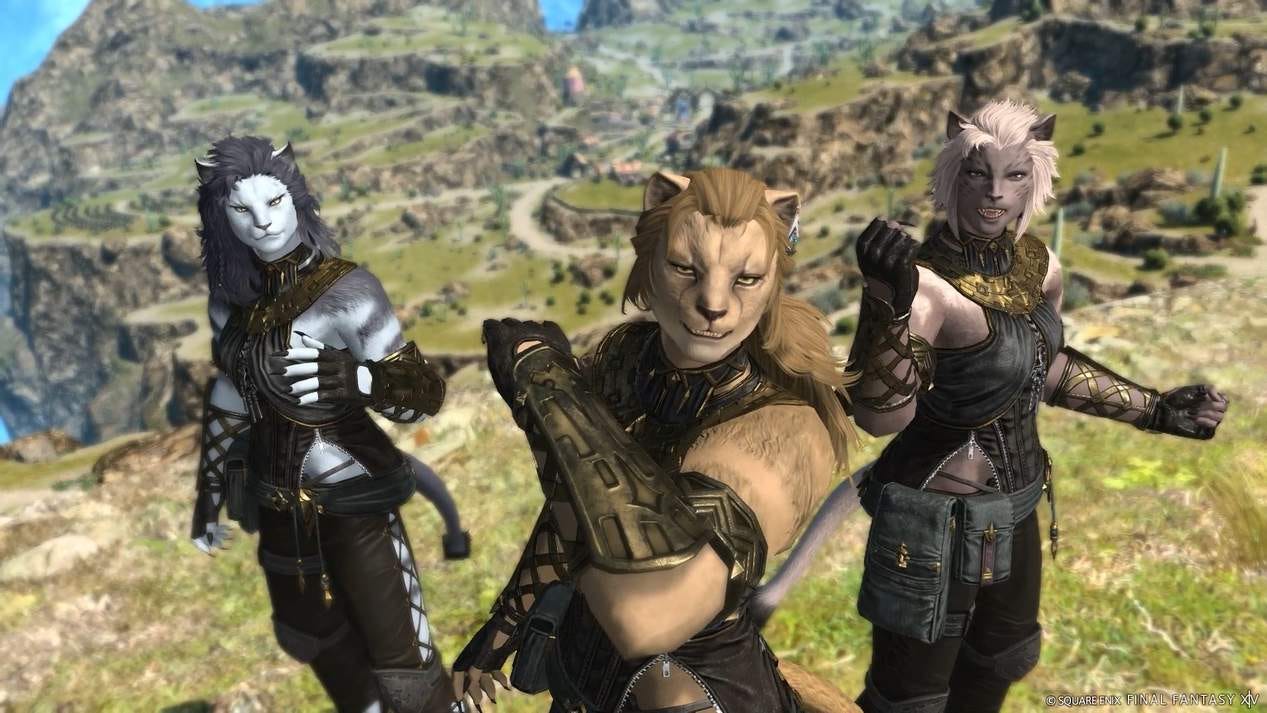
Final Fantasy XIV is Square Enix’s most reliable revenue engine, and it has been in sustained decline since the Dawntrail expansion launched in June 2024. Active character counts sat at approximately 880,000 in March 2026, down 70,000 from the previous census, putting the game at mid-Shadowbringers population levels — a regression of nearly three years. Square Enix’s Q1 2025 financial report stated that MMO gross sales for Final Fantasy XIV and Dragon Quest X dropped by 2.9 billion yen compared to Q1 2024, with operational profits down 3 billion yen as well.
The reasons are not mysterious. Dawntrail released with no repeatable midcore content, prioritizing high-end raids and extreme trials over content the majority of its playerbase actually plays. The main story, which had been celebrated through the Shadowbringers and Endwalker era, saw a significant quality drop, with the director and producer of the game issuing a public apology and admitting the team had become too comfortable. The Evercold expansion in January 2027 is the franchise’s best chance to reverse the trajectory, but it arrives after two and a half years of subscriber attrition.
The broader picture is a company that spent years making expensive single-platform games that underperformed, cut its losses, and is now executing a disciplined recovery. The report’s financial forecasts show operating income projected to drop from 54.7 billion yen in FY2026 to 49.0 billion yen in FY2027 as the company invests in new title development before those projects generate revenue. That is a planned short-term contraction, not a new crisis, and the profitability margins remain well above where the company was two years ago.
Whether the pipeline Square Enix is building can deliver Final Fantasy and Dragon Quest titles on a more consistent schedule without sacrificing quality is the question the next three years will answer. The reboot plan is real. So is the hole Dawntrail dug.
What do you think: can Square Enix rebuild trust with Final Fantasy fans, or has the franchise lost too much momentum to recover? Let us know in the comments.
450 pages of classic superhero storytelling that puts character first. The Flying Sparks Omnibus collects the complete saga of Meta-Girl — the kind of cape comic the mainstream forgot how to make. Sign up to get your copy.
NEXT: Best Buy Leaked GTA 6 Pre-Orders Open May 18 And Trailer 3 May Be Days Away.
It'll be impressive if any of the old companies manage to cut their cancer out, and certainly japanese ones have slightly better odds but...
Well definitely wouldn't bet on the matter.
Their issues after all are not merely just the sjw poisons but structural scale ones too, methodology and so on set against themselves.
Ever the phase "too big to fail" comes to mind in a different form.
Too big to survive.
As a dedicated XIV player, I've seen the struggles with the Dawntrail expansion play out in real time. The game director was taken off it to work on 16, and it shows. However. He did return for the last part of it. While the base expansion was weak, the patch content was *amazing*, as usually happens. The setup for the Evercold expansion puts the spotlight squarely back on the player character, which is what everyone wanted. (Dawntrail took the spotlight from us and gave it to a cringe comedy relief character who never should have been a major character.) The game director apologized to the player base *twice*, in game and in canon. I felt so bad for him.