


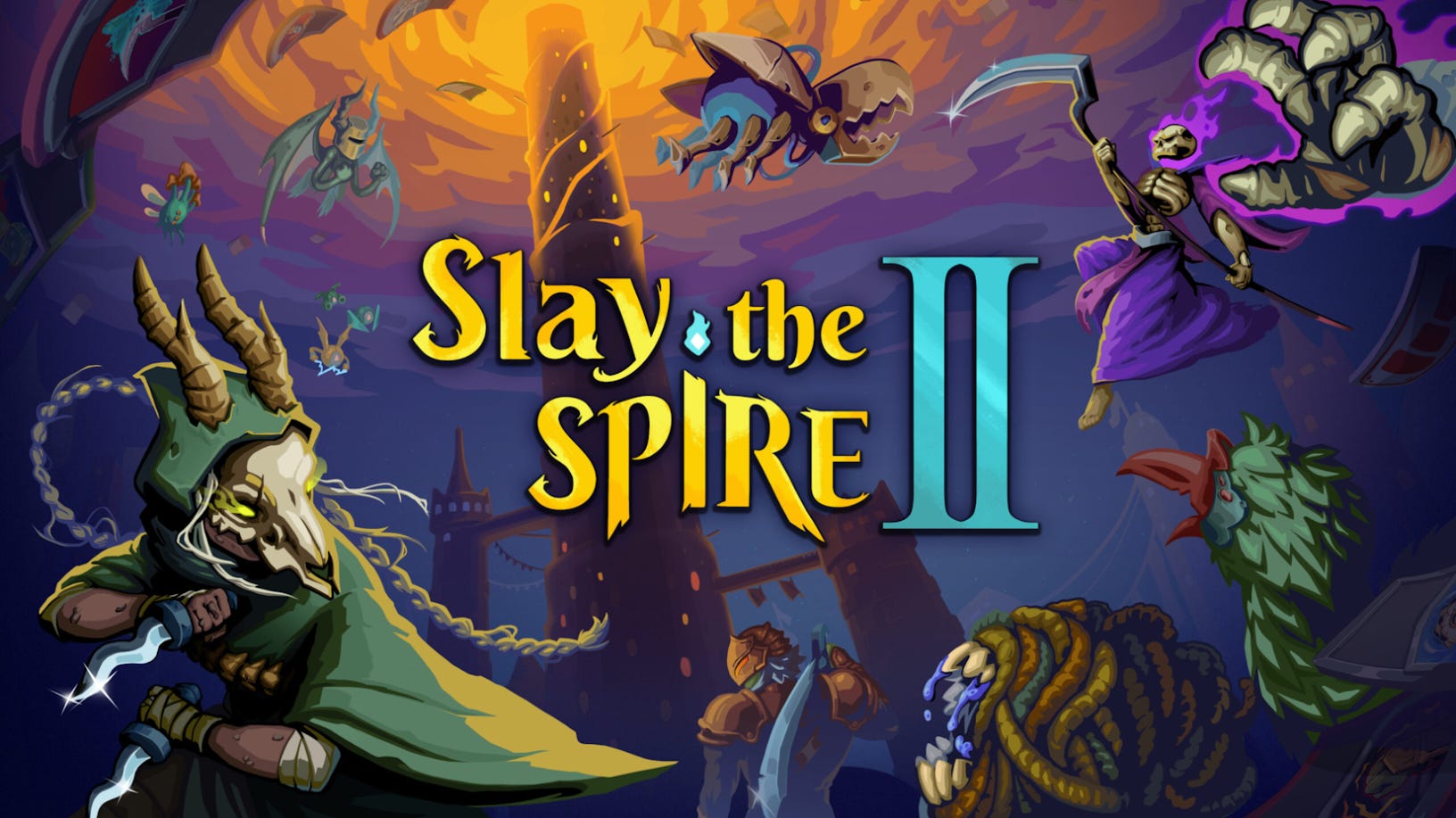
On March 5, 2026, Mega Crit released Slay the Spire 2 into Early Access on Steam for $24.99. Within 24 hours it had 282,000 concurrent players. By March 8 that number hit 574,638 — the biggest launch of 2026 on Steam by a wide margin, placing the game in the all-time top 20 most-played titles in platform history. It outsold Resident Evil Requiem, Marathon, and every AAA title that launched in the same window. Within the first week, Mega Crit reported 3 million copies sold and 25 million runs completed. The original Slay the Spire peaked at 57,000 concurrent players across its entire lifetime. The sequel multiplied that number by ten in a weekend.
This is what a perfect launch looks like. A beloved indie studio with a proven formula refined over years of community engagement, and a devoted player base that had been waiting since the original 2019 full release for a follow-up. The game launched at 97% positive on Steam and sat there for weeks. Then two things happened.

The first: Anita Sarkeesian appears in the game’s credits as a consultant. The discovery surfaced on Steam’s discussion forums, where a thread titled “Why is Anita Sarkeesian listed as a Consultant?” has been generating heated debate. Sarkeesian is the founder of Feminist Frequency, the nonprofit media criticism outlet that launched a Kickstarter in 2012 to fund a video series analyzing gender tropes in video games. The series, “Tropes vs. Women in Video Games,” made her one of the most recognizable and polarizing figures in gaming culture for the better part of a decade. She became a central target of the GamerGate movement in 2014, where she grifted off of the criticism she received. She also became, for a significant portion of that same movement’s critics, a symbol of ideological influence infiltrating game development, a perception that has not softened in the twelve years since.
Mega Crit has not clarified what Sarkeesian consulted on. The scope of her contribution to a game that is fundamentally a card-based roguelike with no obvious narrative content requiring cultural review is unknown. She has never clarified it publicly either. The Steam thread, active since the credits discovery, has produced the full spectrum of reaction: dismissal (”I’m just here to slay spires”), hostility, and genuine market-logic concern about why a studio that produced one of the most acclaimed games of the decade without any cultural consultants decided to bring in one of gaming culture’s most divisive figures for its sequel.
The second problem is the one that moved the needle on the review score. Slay the Spire 2’s first major balance patch, announced March 19 and focused on making “infinites harder to achieve,” triggered a review collapse that took the game from Overwhelmingly Positive at 93% to Mostly Negative at 37% recent reviews, with over 21,000 negative reviews landing in approximately five days beginning April 17. A prior patch had already generated roughly 13,000 negative reviews.
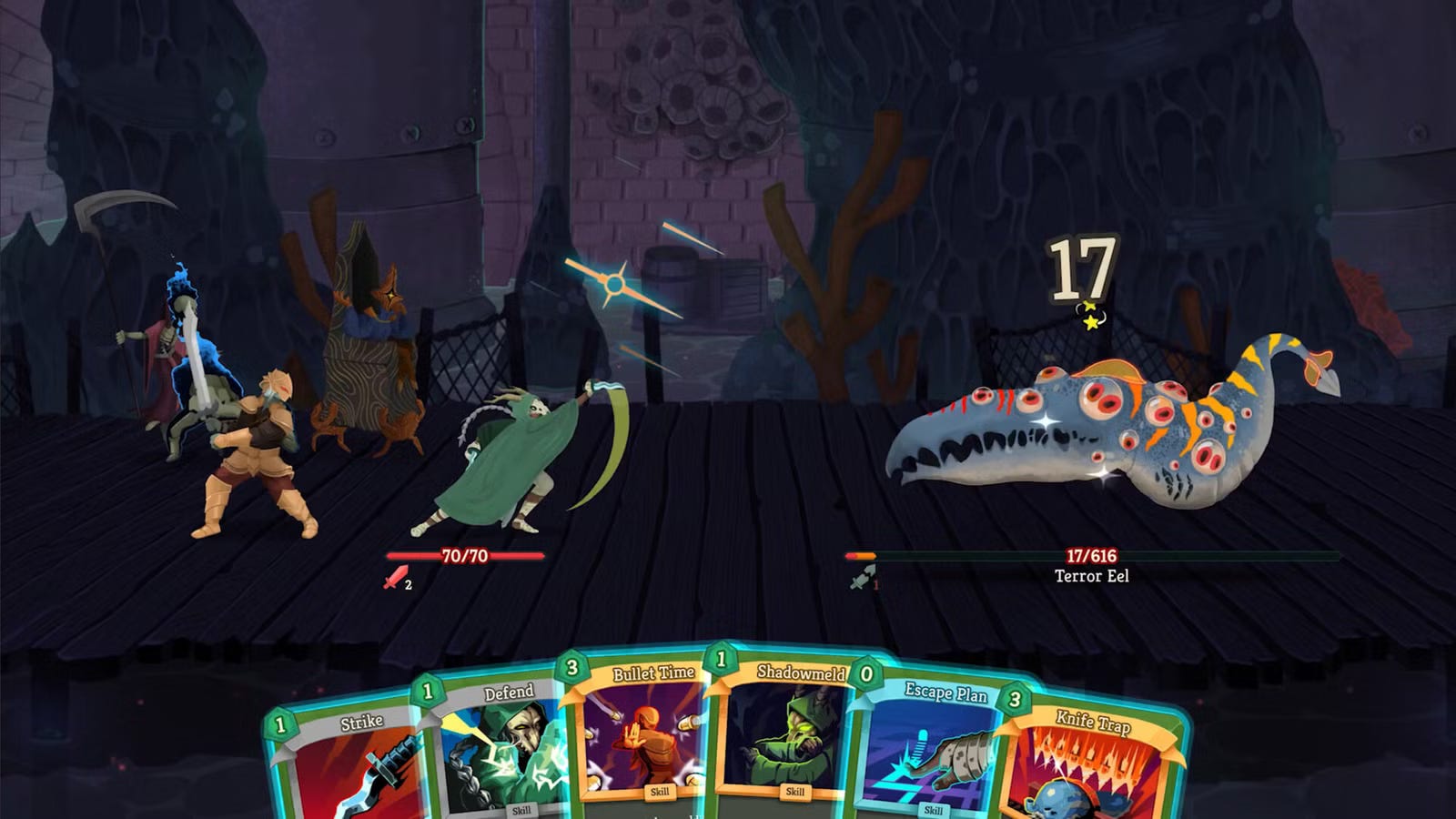
The story behind those numbers requires context. Around 77,000 of the negative reviews are written in either Simplified or Traditional Chinese, with 75,000 of those in Simplified Chinese alone — mostly negative — while Traditional Chinese reviewers are mixed. Steam’s discussion forums are inaccessible in China, and the Chinese Slay the Spire community, which is enormous, uses Steam reviews as a substitute feedback channel. The pattern is documented across multiple Chinese-dominant gaming communities: when the forum is unavailable, reviews become the only mechanism for communicating with developers. Chinese players have explained the situation directly: “When we give negative reviews, it’s just a form of communication with the devs.” The negative reviews are real complaints about real balance decisions, not astroturfed sabotage. The complaints center on the Doormaker boss rework — which exhausts cards mid-run, prevents drawing, and inflates card costs — and a broader sense that the patch was optimizing for win rate statistics rather than the feel of playing the game.
The Sarkeesian credit and the balance patch are two separate issues. They are converging at the same moment in the game’s Early Access period, and the combination is creating a story the studio has not yet addressed publicly.
Mega Crit built Slay the Spire without outside ideological consulting. The game’s design philosophy was built entirely on player feedback, mechanical intuition, and thousands of hours of internal playtesting by two developers — Anthony Giovannetti and Casey Yano — who have played card games at a serious level for decades. That approach produced one of the most critically and commercially successful indie games ever released, with a playerbase that trusts the studio’s judgment precisely because the studio has always appeared to be building for them rather than for an external audience.
Bringing in a consultant whose public identity is inseparable from a decade of culture war conflict introduces a reputational variable that Mega Crit did not need and has not explained. Whether Sarkeesian influenced any design decision in the game is an open question. Whether her presence in the credits will cost Mega Crit goodwill with the audience that made the franchise what it is, is not.
The Early Access period is designed for exactly this kind of correction. The balance issues can be addressed patch by patch, and Mega Crit has shown willingness to reverse individual nerfs under community pressure. The Sarkeesian association cannot be un-credited, but it can be contextualized. The studio has not done that yet.
Slay the Spire 2 is still pulling around 100,000 concurrent players daily. The underlying game remains one of the best things in its genre. The question is whether Mega Crit addresses what is visible on the balance sheet before the Early Access goodwill it launched with is gone.
Does the Sarkeesian credit change how you feel about Slay the Spire 2, or does the game’s quality speak for itself?
Anita Sarkeesian is already a major red flag for me.
I am not the target demographic of Slay the Spire 2, but supposing if Anita Sarkeesian was attached to a game that I cared about, say Heroes of Might and Magic: Olden Era, I would be concerned to the point of refusing to play the game or refunding if I was allowed to unless her contributions were contextualized. If she contributed something that made the game better, incredibly doubtful as it were, that would be fine! A redemption arc for Anita Sarkeesian as it were.
Who knows Anita Sarkeesian could be a TCG afficionado from back in day with good ideas. Now suppose Slay the Spire 2 devs did something insane and brought on Magic the Gathering creator Richard Garfield that would probably give a near infinite multiplier to fan interest. I might even take a look. I certainly did when Valve announced his involvement with their failed game Artifact back in 2018.
Sarkeesian has had a detrimental effect on gaming by bringing in toxic femininity and successfully hijacked and damaged many video games setting the blueprint on how 'consulting' firms like Sweet Baby Inc could operate. Name dropping her brings horrible baggage in my opinion that I'll categorize into three scenarios where Sarkeesian ruined projects
1) blackmail game devs who just wanted to make a game to hiring them
2)appealing to the greed of investors with poor to no understanding of the core business they're throwing money at ESG
3) The worst, parasites that seek to turn something that unite people into demoralization and propaganda.
For those that managed to get through my block of text, why did I mention HoMM Olden Era? Jon Van Caneghem was name dropped being hired a consultant for the game and that's a big deal since he designed and even programmed the original game. From a successful demo and a brilliant early access, I can see his handprints in the game design, art, and UI design. That's how to do consulting properly!