


The Science Fiction and Fantasy Writers Association sent its membership a volunteer recruitment email this week, and the two open positions it’s asking for say more about the organization’s current state than any press release could. Here’s what SFWA actually needs help with in 2026: someone to manually re-enter member bios and contact information lost in a system migration, and someone to walk confused members through how to log in and reset their passwords.
“Our switch in membership systems had a few side effects, and one of them was that a lot of the profile information, bios, contact information, etc, did not get carried over,” the email reads. “The Profile Updater would help fill those back in using our archives and reaching out to members.” The second ask is even more basic: “Our new membership system has left a lot of folks confused about how to log in, renew, change passwords, etc. Fortunately, there’s usually an easy fix, but currently emailing back and forth with folks is taking a lot of staff time. The Membership Helper would share that load with the SFWA Administrator and help walk people through the new system.” SFWA is asking working, published authors to donate their time so the organization can perform data entry and password resets, the baseline functions of literally any membership website in 2026.
This isn’t the organization it used to be. SFWA was founded in 1965 by Damon Knight, and its early membership rolls read like a syllabus for the genre itself: Isaac Asimov, Robert Heinlein, Ursula K. Le Guin, all through it at various points, at a time when the organization’s entire reason for existing was gatekeeping quality and protecting professional writers’ business interests. Getting in used to mean something. For most of its history, full membership required either a published novel or two short story sales to approved professional-rate markets, proof that an editor somewhere had actually paid you real money for your fiction.
That bar has been lowered so many times it’s barely recognizable now. In a 2022 bylaws overhaul, SFWA members voted to replace the old sales-based system with an income threshold: $100 in total career earnings for Associate membership, $1,000 for Full membership, verified by nothing more than a sworn affidavit. SFWA’s own announcement framed this as making the organization “more inclusive” and recognizing “diversifying income streams.” What it actually did was gut the one thing that made membership mean anything: proof you could sell your writing at a professional level. A hundred dollars lifetime earnings is not a professional writing career. It’s a single short story sale to a small press. The organization built to represent professional science fiction and fantasy writers now can’t reliably say most of its members are professionals at all, and the bylaws change happened specifically because SFWA couldn’t attract or retain enough actual working professionals to sustain itself under the old standard.
The leadership has been just as unstable as the membership bar. In August 2024, SFWA lost its president, its interim president one week later, its deputy executive director, and its event coordinator in the span of roughly three weeks, a collapse serious enough that members were told the board was operating under NDAs and couldn’t explain what was actually happening. The organization’s most recent Executive Director, Isis Asare, lasted barely a year in the role before quietly exiting this summer. SFWA didn’t send members a standalone announcement about her departure. It buried the news inside a year-end update, one warm paragraph declaring she’d made SFWA “decidedly and emphatically more human,” with no explanation of why she left or who’s replacing her. Asare’s own official bio, as SFWA introduced her, leaned almost entirely on identity credentials: “a queer Afrofuturist” and the “first African-American Executive Director in SFWA’s sixty-year history,” running a bookstore and a small nonprofit press before taking the reins of a national writers’ organization with a Nebula Awards ceremony and real financial obligations to manage. An impressive personal story is not the same thing as a track record running a membership organization, and one year in, that gap showed.
What’s left is an organization that used to certify professional standing in the genre and now can’t keep its own website’s contact database intact without asking volunteers to rebuild it by hand. SFWA still runs the Nebula Awards, and it still carries the name recognition it built over sixty years. But an association that lowered its entry bar to $100 in lifetime earnings, burned through its leadership in a single chaotic month, and is now begging members to teach each other how to reset a password isn’t the professional guild Asimov helped build. It’s a social club that kept the old letterhead.
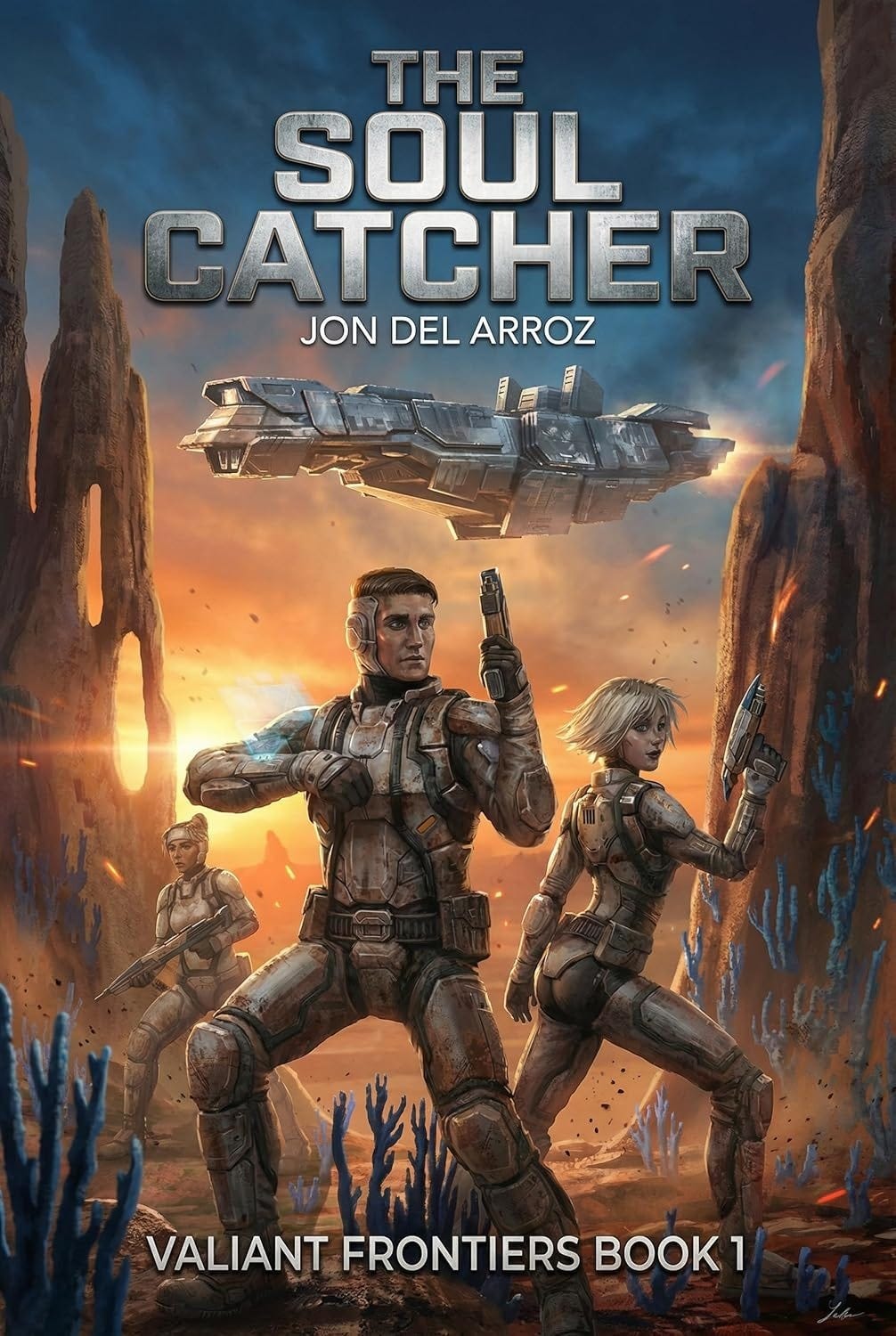
First contact with the Oridians was supposed to be humanity’s proudest moment. Instead, their chief engineer is dead, their ship is sabotaged, and an ancient alien technology is stealing souls. Book one of the Valiant Frontiers series delivers exploration, mystery, and the kind of crew you’ll want to follow across the galaxy. Read The Soul Catcher on Amazon and start the adventure.
NEXT: Dua Lipa Names Her New “Banned Books” Shrine “Manifesto,” But She Should Have Read The Books First
It's time for SFWA to close its doors. The lack of any strong leadership that's continued year after year shows it's an irrelevant organization and serves no useful purpose.
More modern day destruction of longstanding institutions.