


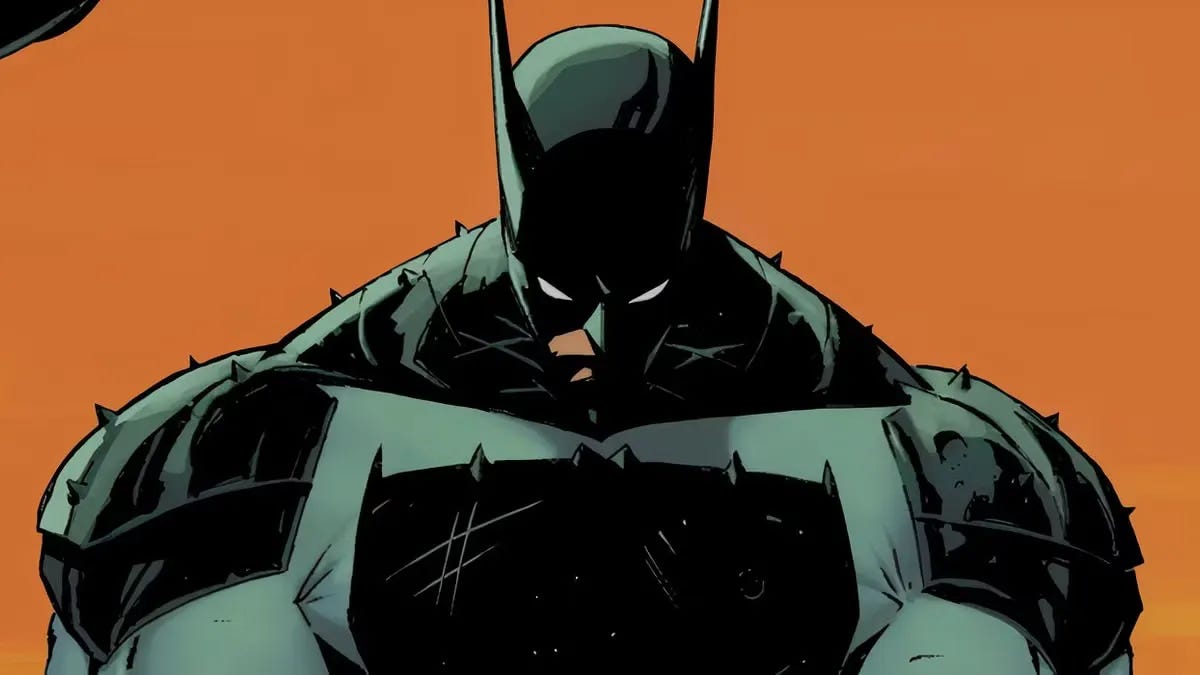
Scott Snyder is the writer behind Absolute Batman, DC’s best-selling title in years. The book was pulling close to 200,000 orders per issue at its peak, and it was the only thing in the market that was working. He is also one of the DC Next Level advisors shaping the publisher’s creative direction for the next 18 months. When he says the market is in trouble, it is not an outsider’s complaint. It is a diagnosis from the person whose book is currently holding the ceiling up.
He said it in his Best Jacket Press Substack newsletter, talking about his role advising incoming DC Next Level writers:
“I don’t know if it’s a byproduct of streaming or if it’s an era of comics that’s gone. Like eight or nine years ago, when there was really more of a predilection for these long, long runs where a story in a plot would go for a very, very long time.”
The thing keeping him up at night as an advisor is pacing. Readers are not investing in long stories the way they used to. Arc lengths are compressing. Writers pitching slow-burn narratives are being told the endings need to land earlier. Snyder is the one delivering that message because the sales data is making him.
He addressed the market’s broader condition directly in his January 2026 year-in-review newsletter: “This market is scary, but it’s thrilling.” His advice to creators: “You’ve got to look at the market and be like, ‘What’s my biggest swing right now? What’s my biggest tent book? What is the thing that I can do that says this hasn’t been done? It has to exist. It’s dangerous. It’s urgent.’”
That is not a man describing a healthy market, as much as DC Comics and the media have been saying comics are in great shape in the recent couple of years.
His prescription for survival is urgency: stories that feel like they have to be told right now, in comics, and nowhere else. “The key to finding modern sales success, whether it’s a DC pitch, whether it’s a creator-owned book, is that you’ve got to meet the market where it is. That awareness of the market is key going into this year for aspiring freighters.”
The industry’s official position does not match this. Publisher statements, trade press coverage, and PR cycles around major launches consistently describe a market in growth. The talking points emphasize new readership, expanded diversity of titles, manga crossover appeal, and the Absolute line’s sales performance as proof that comics are thriving. Snyder himself participates in this framing when the occasion calls for it, noting “a lot of things are overperforming and there’s a lot of new readership and a lot of excitement.”
What he is also saying, in the same breath, is that the conditions that produced decade-long creator runs are gone. That readers are not buying into slow builds. That the ending needs to be stronger because the creator can no longer count on the audience staying through the middle.
The data underneath the optimism tells the same story his private advice is telling. Fandom Pulse has covered the Marvel market share collapse across this year: from 39% in 2024 to 29.4% in Q1 2026. DC’s Absolute line is outperforming Marvel, but it is doing so in a market where the floor beneath it keeps dropping. Robert Kirkman notes that Absolute Batman is bringing new readers into comic shops and those readers leave with Image titles too. The halo effect is real. But the halo is hovering over an industry where titles outside the top sellers are getting cancelled faster than any point in recent memory.
The early cancellation pattern is visible in solicitation data. Books that would have run 24 issues eight years ago are being solicited for 12. Runs announced with ambitious multi-year visions are wrapping at issue six. Writers pitching to Snyder’s DC Next Level program are being told to write the ending earlier because reader attrition is faster. The compression is not editorial preference. It is market response.
Snyder is calling it scary and thrilling simultaneously. Those two words are not contradictory. They describe a market where the safe middle is gone, the top is performing, and everything below it is fighting for survival.
Is Scott Snyder’s honest assessment of the comics market something publishers should be saying publicly, or does the industry need the optimistic narrative to survive?
450 pages of classic superhero storytelling that puts character first. The Flying Sparks Omnibus collects the complete saga of Meta-Girl — the kind of cape comic the mainstream forgot how to make. Sign up to get your copy.
So, I've been doing my best to ignore this "Absolute" prestidigitation.
Look over here!
No, over there!
Nothing up my sleeve!
Because it all sounded like flashy nonsense to sell some #1s, to be dropped mid-beat and forgotten once the sales dipped like Marvel's Ultimate Universe. Throw in blind bag, "collectible" cover money grabs, and my head needs a roll-over cage from the force of my eyeball rotation.
I just looked up this dog water premise for a dog water comic.
Bruce Wayne is no longer a billionaire, because EVIL. The Joker is the billionaire now, and evil, because of course he is. Most of the villains are now Bruce's childhood friends and ICE and law enforcement are the real bad guys.
Bruce grew up poor and disadvantaged, and now he fights enrmies with rigged-up blue collar construction equipment. Also, he's 6'9" and over 400 lbs and just wails on people, because these writers have no concept of an actual, functioning human body and action=punching.
Stupid, stupid, stupid.
Give me the psychological terror of the real Batman, hiding in shadows, using tactical violence, positioning, environmental props, and smarts over sheer bulk and brutality.
This character is not Batman, it's the sick love child of the Punisher and the Hulk.