


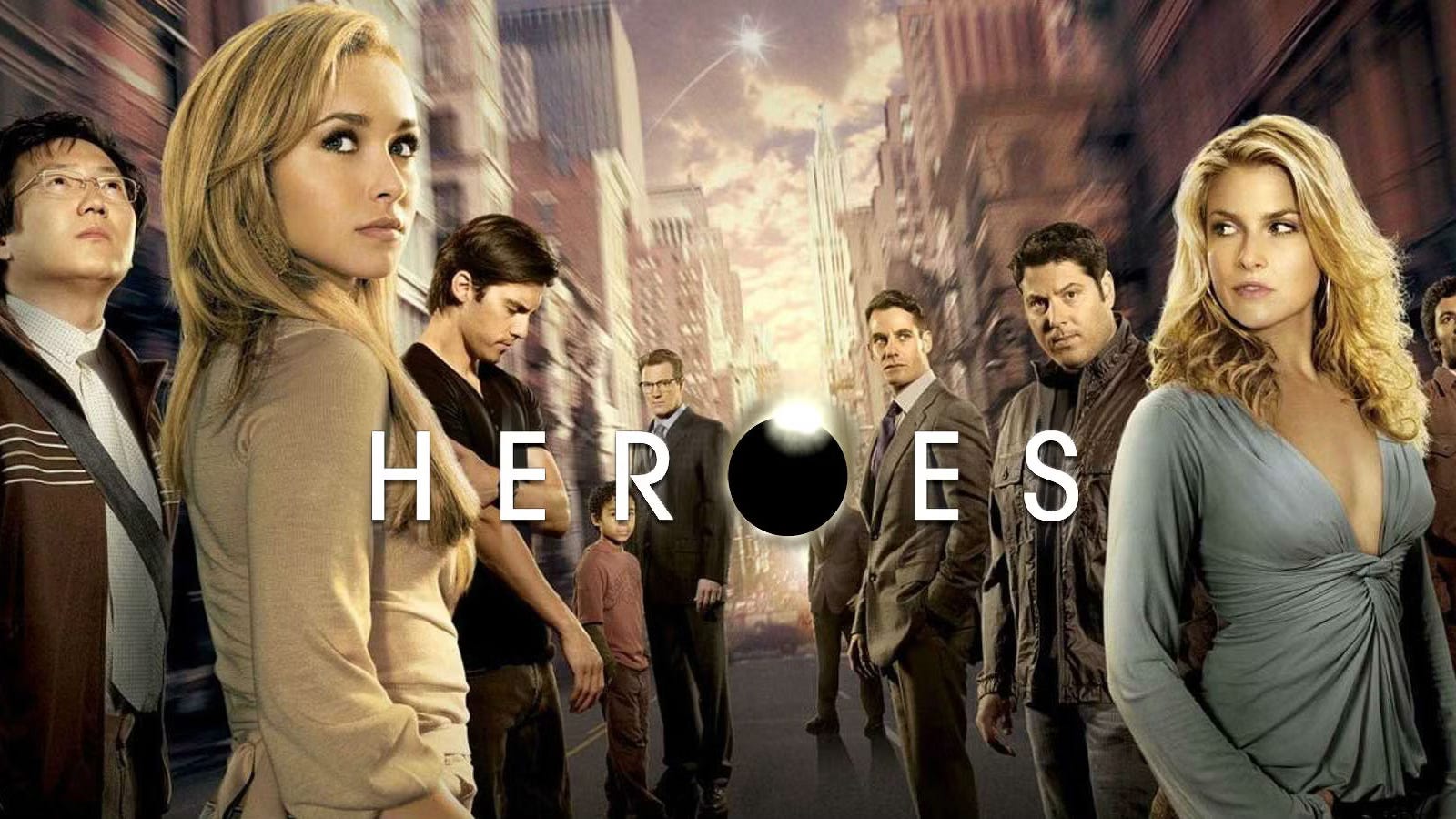
In September 2006, NBC premiered a show about ordinary people discovering they had superpowers. It was not the first time that premise had appeared on television. It was the first time a network had executed it at this scale, with this cast, with this level of serialized mystery driving every episode forward. The pilot episode of Heroes drew 14.3 million viewers, the highest rating for an NBC drama premiere in five years.
For one season, Heroes was the most talked-about show on American television.
By the time it was cancelled four years later, it was drawing 4 million viewers and had burned through nearly all of the goodwill it had built. Two subsequent attempts to revive the franchise failed. A third is currently in development and has generated almost no enthusiasm. The property that was supposed to define superhero television before the MCU existed is now largely a pop culture footnote, remembered fondly for its first season and with a specific kind of embarrassed disbelief for everything that followed.
The story of how that happened is one of the most instructive franchise collapses in recent television history, and the specific decisions that caused it are more insane than most people remember.
