


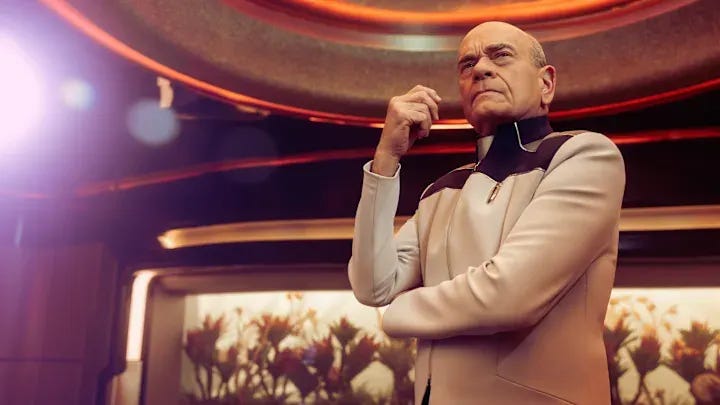
Star Trek: Starfleet Academy actor Robert Picardo has a new explanation for why the show was cancelled, and it is the fourth different one he has offered since March. This time he says the series was “killed in the cradle” because “the present political moment in our culture” has made Star Trek’s core values “out of fashion temporarily.” Before that he blamed a lack of advertising, Paramount’s new owners, and Elon Musk and Trump aide Stephen Miller. The one reason he has never offered is the one the numbers point to.
The Newest Explanation
In his latest comments, Picardo said:
“And I’m sorry the show… Every Star Trek show was criticized in its first two or three seasons, and then took often til season 3 to get on track. And even though I think the quality of our show was great, we were kind of killed in the cradle, and I believe part of it is the present political moment in our culture that diversity, that all of Star Trek’s core values are now out of fashion temporarily. We see diversity under attack, and therefore Star Trek is under attack because that’s what Star Trek’s always been about.
So hopefully, whenever they create the next Star Trek movie and Star Trek show, they’ll remember what it was that made Star Trek special, and that present weather conditions in politics will change, and Star Trek once again will emerge with all of its values intact. That’s what I believe and I hope for. But right now, you know, the feeling has been a little grim recently.”
He calls the quality great, calls the criticism normal for any new Trek series, and places the cause in the culture. Viewership and the writing do not come up.
March: Nobody Advertised It
Paramount+ announced on March 24 that Starfleet Academy would end after its second season. About a week later, Picardo told the D-Con Chamber podcast, hosted by Enterprise stars Connor Trinneer and Dominic Keating, that “the baby has been thrown out with the bathwater.” He said the studio’s explanation was that the show never reached the streaming Top 10, and answered:
“Not enough people had found us... Maybe they wouldn’t have heard about it because there was really no advertising push behind our show.”
He added that he never saw a television ad for it. As Fandom Pulse reported in March, Paramount put the first episode on YouTube free for a week and flew social media influencers to the set before launch.
Keating, sitting across from him, was less certain about the show. “I’ll be honest, it took some warming up for me,” he said, and then: “This is a bit CW in space.”
Picardo also said Alex Kurtzman told the cast the cancellation “had nothing to do with the quality of the show.”
June and September: The Owners, Musk and Miller
By June, speaking at SpaceCon, the advertising complaint had grown into a complaint about the studio:
“We didn’t get any ads. You couldn’t even find us.”
“Our show was conceived under the prior ownership regime at CBS Paramount, and once the new owners took over, we had no support with the release of the show.”
In early September he moved the blame to Washington and Silicon Valley. Stephen Miller had called a clip from the show “tragic,” and Musk had mocked Captain Ake’s glasses on X on January 11. Picardo connected those posts to the cancellation in a newspaper interview:
“We did not get a fair shake. We were killed in the cradle.”
“Let’s face it: when someone that high up in the administration and also Elon Musk piled on the same day, do I think it’s a coincidence that the new owners of Paramount cancelled our show the first moment they could have?”
On viewers who objected to the show’s gay Klingon character, he said: “My feeling is, get over yourself!”
The timeline is worth setting side by side. In March the problem was that nobody could find the show. In June it was the new owners. In September it was Musk and Miller. This month it is the political moment and a culture that has turned against diversity.
What the Numbers Showed
None of the show’s first ten episodes made Nielsen’s weekly streaming Top 10. A source close to Paramount told reporters in March it was “not a secret” that the series failed to chart.
Audience reception was worse than the ratings. By June the show held an 85 percent critics score on Rotten Tomatoes against a 52 percent audience score, and the audience score had hit a low of 35 percent earlier in the run. On IMDb it sat at 4.4 out of 10 in March, with most ratings at one star.
The first episode was free on YouTube for a week, so anyone who wanted to sample it could. The comments under it were hostile, and one joke recurred: “To boldly go where no one wanted.”
Across the March, June, September and October comments, Picardo has not said that the writing was the problem, or that viewers watched the show and did not like it.
A Question for the Cast
If the show was great and the real problem was that viewers could not find it, why did the people who did find it rate it 52 percent?
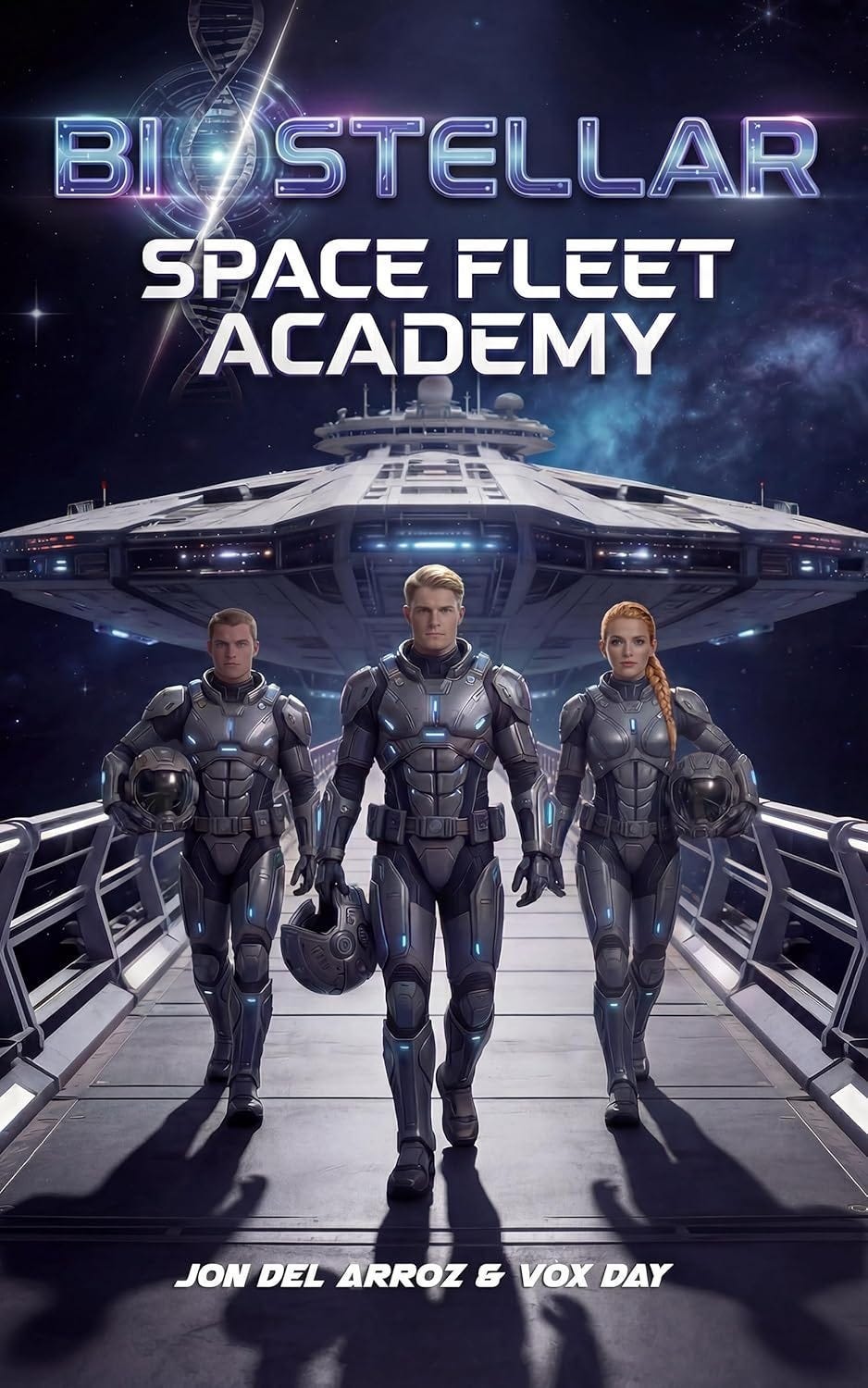
When genetic engineering nearly doomed the species, humanity made a desperate bargain: let the frontier do what nature intended. In a harsh universe, these cadets have to make impossible decisions. Read Space Fleet Academy today.
It’s much simpler than that. It’s just not a good product.
Talented guy who should probably keep quiet.