


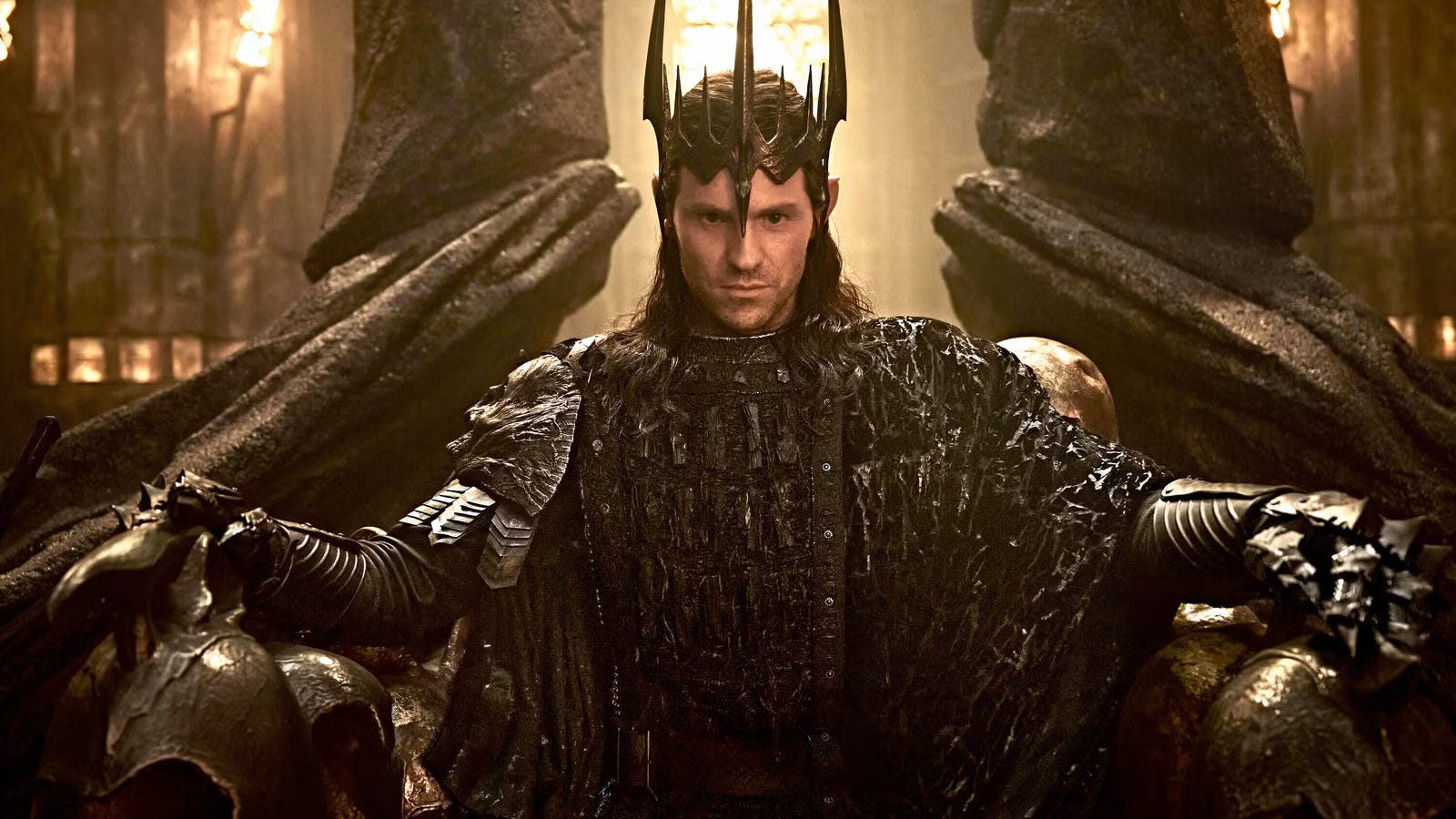
The Lord of the Rings: The Rings of Power returns November 11 with four episodes released at once. Two more follow on November 18 and the last two on November 25, which finishes the eight-episode season the day before Thanksgiving.
Amazon’s Tolkien series covers the Second Age of Middle-earth, a span of more than three thousand years that showrunners Patrick McKay and J.D. Payne compress into a handful of seasons. Season one carried a reported $465 million budget. Its Nielsen total for the first four days was 1.25 billion minutes, and Samba TV counted 1.8 million US households for its premiere over three days. Season two managed 1.02 billion minutes in its first four days, and Samba TV counted 902,000 households. Amazon’s own viewer figures went from more than 150 million for season one to 55 million for season two before its finale. On Rotten Tomatoes, audiences scored season one at 38% and season two at 49%.
The release schedule is the first thing viewers will notice, and McKay has been explaining it as a holiday decision. “We really wanted it to be out by the holidays. We wanted people to be able to binge it over the holidays,” he told io9. He added, “We generally, as the creators, feel that the show plays better on a binge because it really is so highly serialized.” On the rollout itself, he said, “So it’ll be a quick release, but then you can watch it at your leisure.”
McKay also made clear who set the schedule. “We’re always in conversation with Amazon, and we’re advocating for what we think is best for the show,” he told io9, and then: “So we’re always advocating for more episodes sooner.” The creators asked for more episodes sooner than they got, which puts the final call with Amazon.
The format has a history. Amazon has generally released a show’s first season all at once and run later seasons weekly. Rings of Power broke that pattern in season one, which opened with two episodes and then ran six weekly. Season two opened with three and ran five weekly. Season three opens with four. Each premiere is larger than the last while the audience shrinks.
The holiday reasoning covers part of that. A November 25 finale puts the whole season on the table for the Thanksgiving weekend, and a serialized eight-episode story does play differently when viewers can watch several in a row. It does not explain the structure. A holiday binge would mean all eight episodes on November 11, and a 4, 2 and 2 split is neither a binge nor a weekly release.
Premiere-window minutes are the figures Nielsen and Samba TV report and outlets compare against earlier seasons, and four hours of viewing in week one lifts that number. That is an inference from the pattern, and Amazon has not said it. A fifteen-day run from premiere to finale also leaves little time for negative word of mouth to build. The io9 writer suggested the schedule could drive Prime sign-ups ahead of Black Friday and Cyber Monday, but that is his speculation, and Amazon has offered no explanation of its own.
Season three is built as a fresh start. McKay told IGN, “We really love the idea of throwing the viewer in in a way that is a completely fresh start,” and added, “Hopefully, this season is a great jumping-on point for fans.” GamesRadar and CBR call it a soft reboot, while McKay’s phrase is “fresh start.” The season jumps five years ahead and makes Sauron an open villain. Jamie Campbell Bower joins as Celeborn, and the Harfoots are gone.
A series that invites new viewers to skip its first two seasons is telling them those seasons are optional. That is a large concession from a production that cost a reported $465 million for its first year alone.
Tolkien’s readers are the most detail-focused audience in fantasy. They know the chronology and the geography of Middle-earth, and the show’s compression of the Second Age was the first thing they objected to. McKay’s current answer on fan input comes from his SFX interview: “We would be bad at our job if we didn’t care somewhat what people think of it.” Then: “That doesn’t mean that they’re suddenly in charge.”
The pattern goes back to season one. McKay told Vanity Fair in 2022, “we wrote most of Season 2 before Season 1 came out,” and “the cake was kind of baked before the audience response came in.” In British GQ in 2024 he said, “We’ve got a plan and we’re sticking to it.”
The audience that cares most about getting Middle-earth right was told it was not in charge, and the numbers above are what followed. The argument here is that a show built on beloved source material cannot afford to treat its most knowledgeable viewers as a nuisance, because they are the ones who recommend it. The data shows the drop. Whether that audience caused it is argued here and not proven.
With a fresh-start pitch and a front-loaded schedule, season three will show within two weeks whether the audience came back.
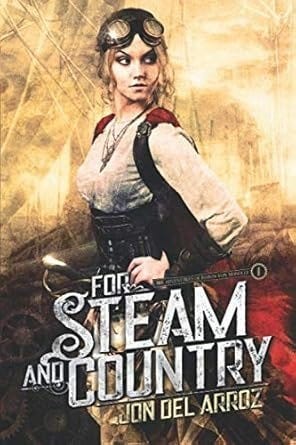
Six books. One unforgettable world. The Adventures of Baron Von Monocle is steampunk adventure with the kind of worldbuilding and heart that made you fall in love with fantasy in the first place. Start the series on Amazon.
Maybe that’ll get them running from the get-go.