


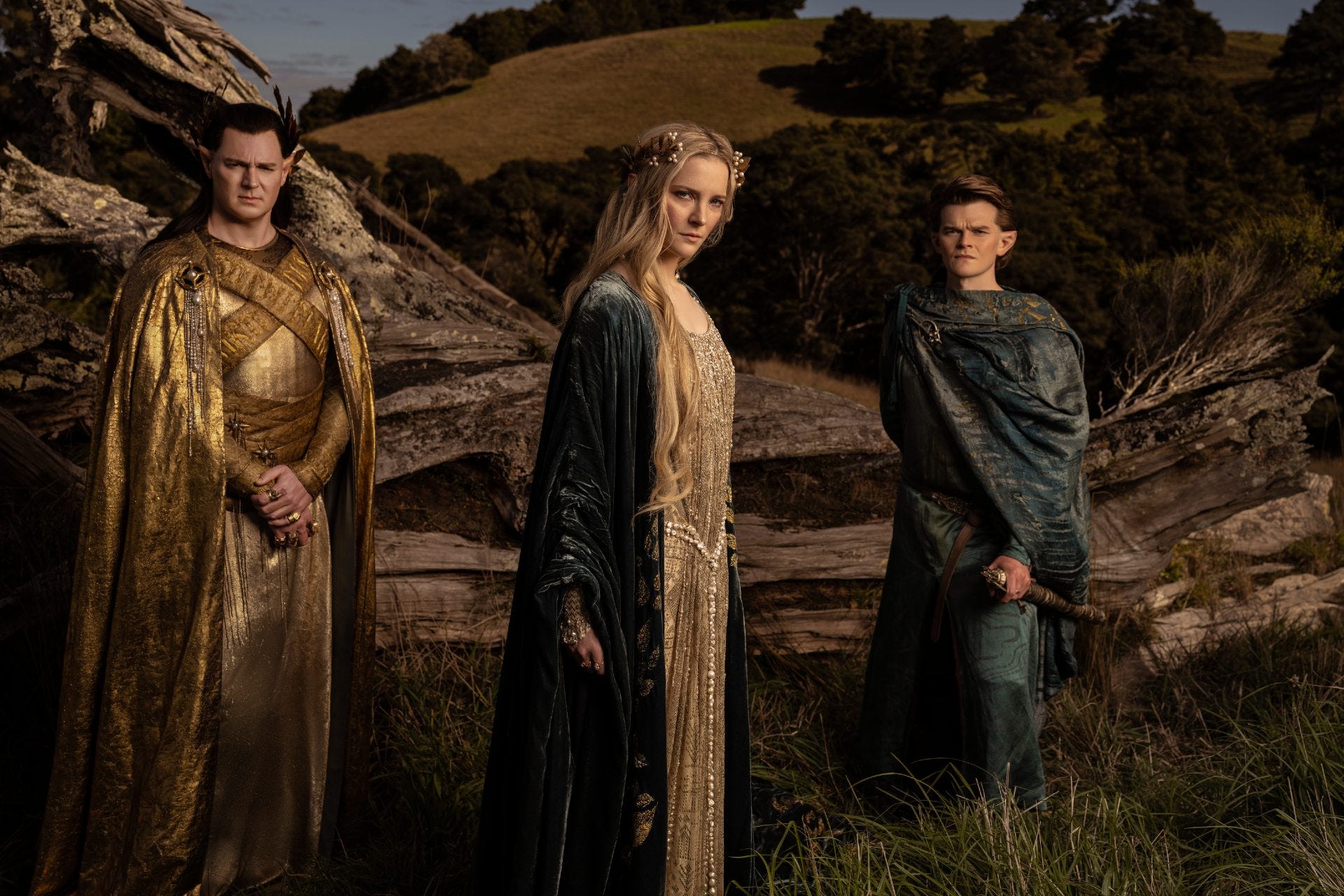
The Lord of the Rings: The Rings of Power just confirmed Jamie Campbell-Bower as Celeborn for Season 3, and the casting reopens a contradiction the show created entirely on its own. In Season 1, Galadriel told the audience flatly that her husband was dead. Tolkien’s text, and Peter Jackson’s own films, say otherwise: Celeborn survives all the way through Return of the King and sails to the Undying Lands at Galadriel’s side. Three seasons in, Amazon is quietly bringing him back from a death the show itself invented.
This isn’t the first time the show has walked something back under pressure while insisting it hadn’t. Season 1 launched to record viewership and immediate, sustained backlash from Tolkien loyalists over invented characters and departures from established lore. Showrunner Patrick McKay spent the run-up to Season 2 explicitly denying that the show’s much heavier lean into book fidelity was a response to that backlash, telling TechRadar it “was always the plan” to start loose and tighten up later. Whatever the original plan actually was, Season 2 leaned hard into named book events, and now Season 3 is undoing one of Season 1’s own biggest lore departures by resurrecting a husband the show had already killed off. If a pattern requires more than one data point to be a pattern, this is the second one.
Season 3 is pairing that walkback with something bigger: a confirmed time jump of several years, pushing the story into the War of the Elves and Sauron and Sauron’s forging of the One Ring. It’s the first real narrative acceleration the show has used, after two seasons of famously slow, compressed pacing that drew its own share of criticism. Jumping forward that far, this abruptly, while also un-killing a major character in the same breath, has the shape of a soft reboot: keep the cast, keep the universe, but quietly reset the parts of the timeline and character roster that didn’t land, and get to the story fans showed up for faster than the first two seasons did.
None of this required an announcement calling it a correction, and Amazon hasn’t offered one. But a show that spent two years insisting its pivot toward the books wasn’t a reaction to criticism just brought back a character it explicitly killed off, while simultaneously time-skipping past the slower stretches that defined its most criticized seasons. Whatever the official language ends up being, that’s what a course correction looks like when a studio doesn’t want to call it one.
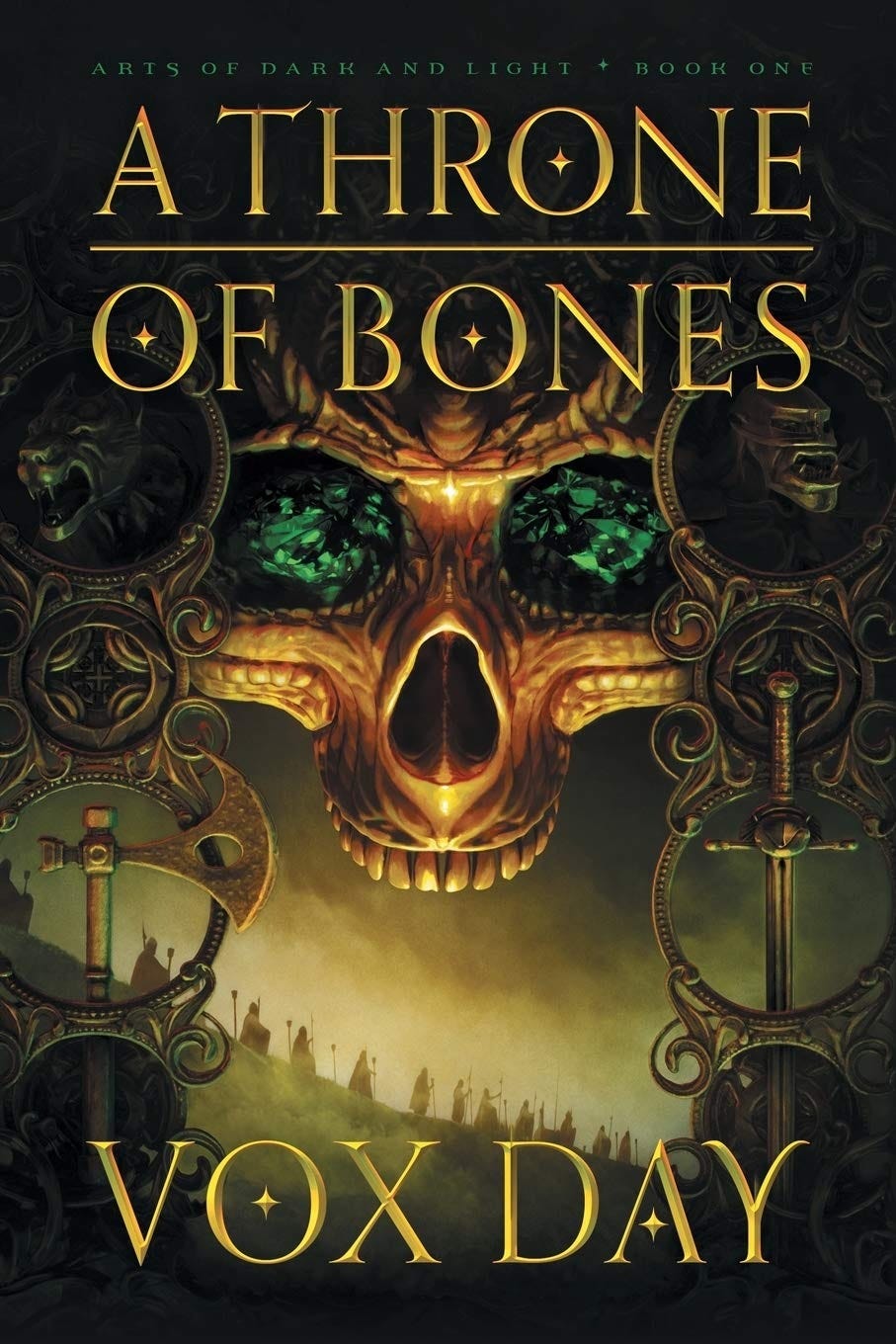
Epic Fantasy hasn’t been this hard-hitting since Tolkien. In a world where humanity is akin to a Roman legion, a great darkness arises. Read A Throne Of Bones today.
NEXT: Andy Serkis Confirms He Won’t Race-Swap The Hunt For Gollum
Still won't watch it.
Not watching this garbage.