


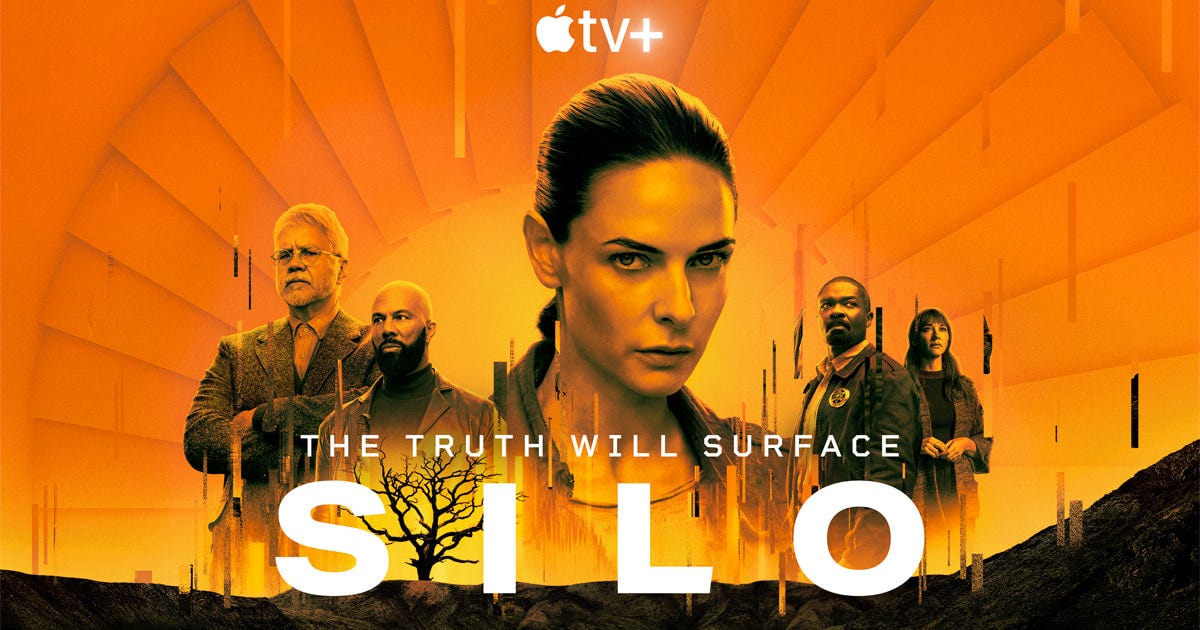
Silo Season 3 premieres July 3 on Apple TV, with new episodes every Friday through September 4. That makes now the right time to catch up on the first two seasons, and the show is worth your time, despite some significant frustrations that keep it from reaching the heights of its premise.
Silo is set in a future where humanity’s last survivors live in a massive underground structure, cut off from the outside world. Anyone who breaks the rules is sent to the surface to “clean” the sensors on the cameras that show residents the toxic wasteland beyond the silo walls. No one knows when or why the silo was built, and those who try to find out face fatal consequences.
The first two episodes play a smart trick, following earlier characters who go outside before the main story locks in. The series runs on the same kind of mystery-box premise that has become the dominant mode for prestige streaming sci-fi. Severance does it with corporate compartmentalization. Silo does it with a sealed underground society where every detail of history has been scrubbed and the outside world may or may not be what anyone believes. For people who enjoy that slow-reveal structure, the hook is immediate.
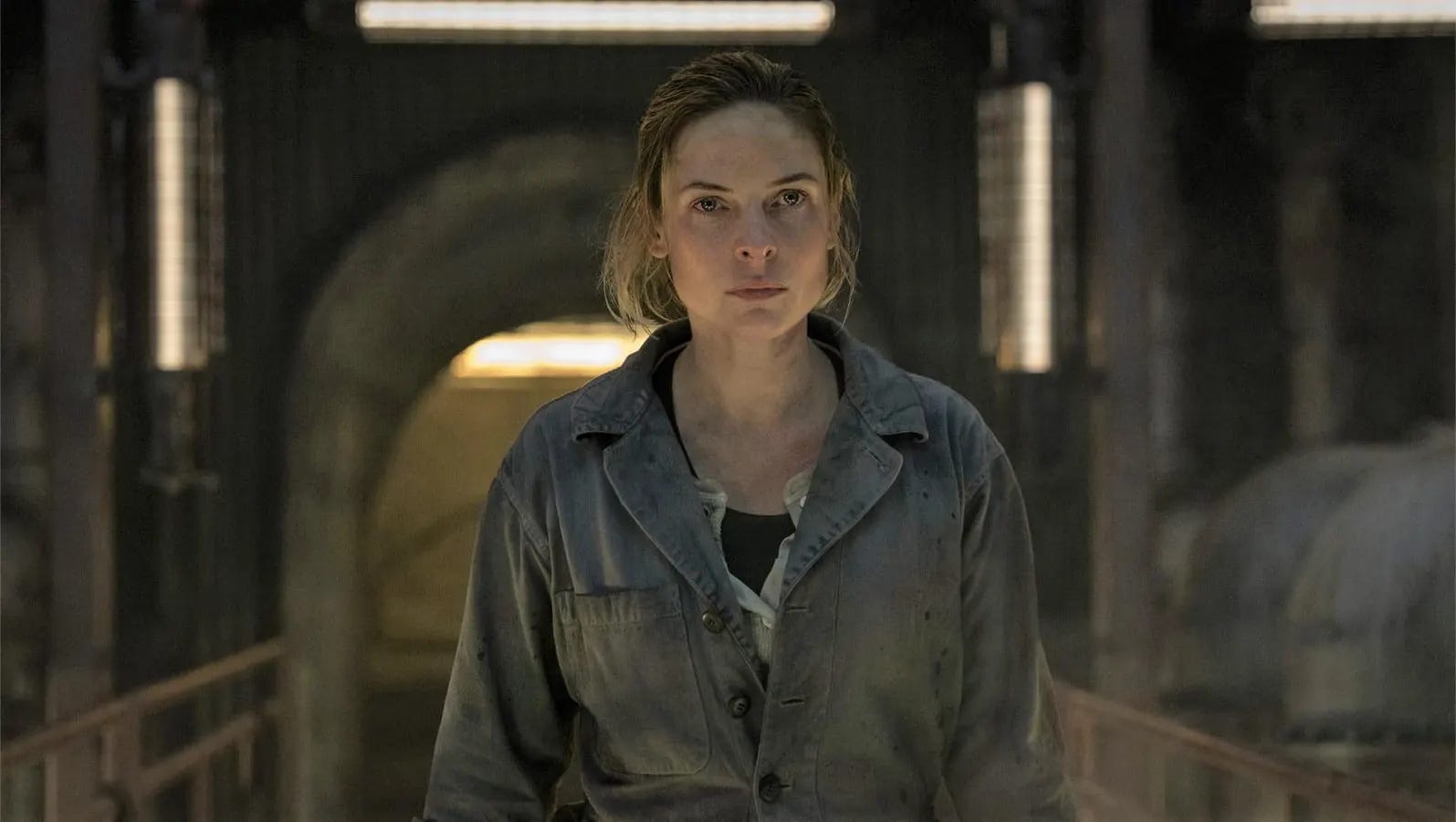
Rebecca Ferguson plays Juliette Nichols, the former sheriff of Silo 18 and an expert in all things mechanical. Ferguson previously appeared in Dune: Part Two as Lady Jessica. Casting an actress of her caliber as a reluctant sheriff who stumbles into conspiracy rather than seeking it out was the right call. Juliette doesn’t have a hero’s bearing. She’s an engineer who keeps the generator running and wants answers about the people she’s lost.
Tim Robbins plays Bernard, the head of IT and the silo’s mayor, a sinister figure who hides dirty secrets and will stop at nothing to prevent any form of rebellion. Robbins plays conspiracy and menace well, and Bernard works as an antagonist precisely because he’s not purely villainous. He believes in the system he’s protecting. Common appears as a security officer and brings credible authority to the role. Steve Zahn joined for Season 2 as Solo, a man Juliette finds locked away alone in a neighboring silo, delivering what reviewers described as a sad and heartwrenching portrayal of loneliness with a childlike wonder. The character reads like a direct line to Hurley from Lost, that same combination of comedic affect and buried tragedy, and the show eventually explains why he ended up that way. It’s one of the better character reveals in either season.
Season 1 builds its mystery well. Juliette eventually goes outside herself, the holographic screen concealing the real state of the world is revealed, and we learn there are other silos. Season 2 expands into those silos, Juliette connects with the rebellion forming back in Silo 18, and the season ends on another cliffhanger. Season 3 will continue the saga while also revealing an origin story set centuries earlier, and Juliette survives her forced cleaning but returns with memory loss as the silo recovers from rebellion and faces a dangerous new threat.
Now for the problems.
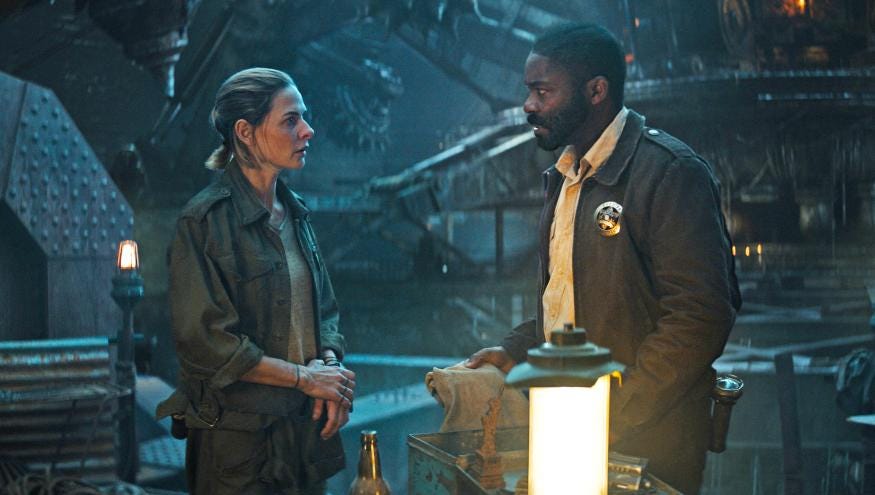
Silo suffers from what has become endemic to streaming television. Ten episodes per season stretched over material that a tighter network run would have cut to four. The pacing drags in both seasons, and the padding is visible. Subplots stall out. Episodes that should deliver forward momentum instead tread water. This is not a Silo problem specifically. It is an Apple TV problem. The platform’s output consistently over-extends its strongest concepts, and Silo is not immune.
Apple also continues its pattern of casting and character choices that feel less like storytelling decisions and more like demographic box-checking. The background lesbian relationship woven into the ensemble is there because it is always there on Apple originals, not because it serves the story. It doesn’t dominate the show the way similar content does on Netflix, but its presence as furniture is its own statement.
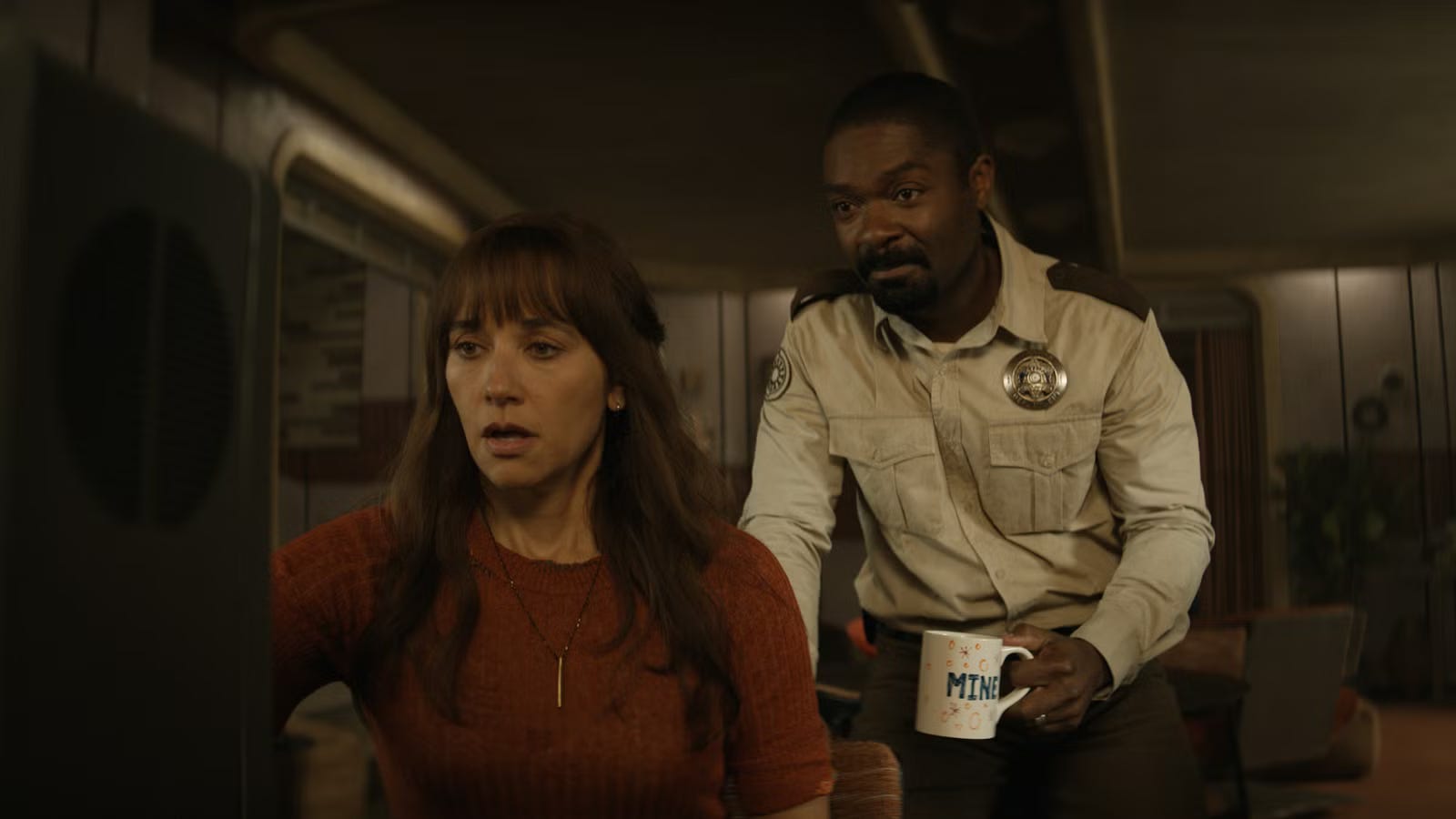
The writing also leans on a millennial dialogue tic that has infected too many prestige dramas: the word “fuck” deployed every few lines as a marker of emotional intensity. The effect is the opposite of what’s intended. When every character reaches for the same word under stress, the voices flatten into each other and the emphasis stops landing. The word loses weight through repetition, and the dialogue loses texture.
Despite all of it, Silo earns a qualified recommendation. The concept is strong enough to carry the pacing problems when the show is firing, and Juliette, Bernard, Common’s character, and Solo are compelling enough to make you want to see where the story goes. The show has been confirmed for four total seasons, with Season 3 serving as the penultimate run. If the writers use Season 3’s origin story structure to finally deliver the answers the mystery box has been withholding, this could be the season that retroactively justifies the patience the first two demanded.
7.5/10
Are you caught up on Silo ahead of the July 3 premiere, and do you think the show can tighten its pacing for the final stretch? Let us know in the comments.
First contact with the Oridians was supposed to be humanity’s proudest moment. Instead, their chief engineer is dead, their ship is sabotaged, and an ancient alien technology is stealing souls. Book one of the Valiant Frontiers series delivers exploration, mystery, and the kind of crew you’ll want to follow across the galaxy. Read The Soul Catcher on Amazon and start the adventure.

NEXT: Brandon Sanderson’s Hollywood Machine Keeps Growing With New Skyward Adaptation In Development
SILO is good first and foremost b/c its source material is good despite APPLES changes like overtly placed homosexual relationships that serve no purpose other than to try and nonmaize homosexuality which in relaity is NOT THE NORM. Ferguson is a good actress all around so its not a surprise she's good in a show with good source material. I personally like the casting of Common, Tom Robbins and Lain Glen. Glen in particular is IMHO a highly under rated actor. For those who look at him and see "Gee he's familiar" it's possibly due to his role in the RESIDENTEVIL series as Dr Isaacs or even from GAME OF THRONES. I don't understand how this guys not gotten a big break yet with how good he is at his roles then being a white male is now a hindrance in Hollywood.
Is anyone else thinking that the Vault voice that the head of IT listens to is AI?