


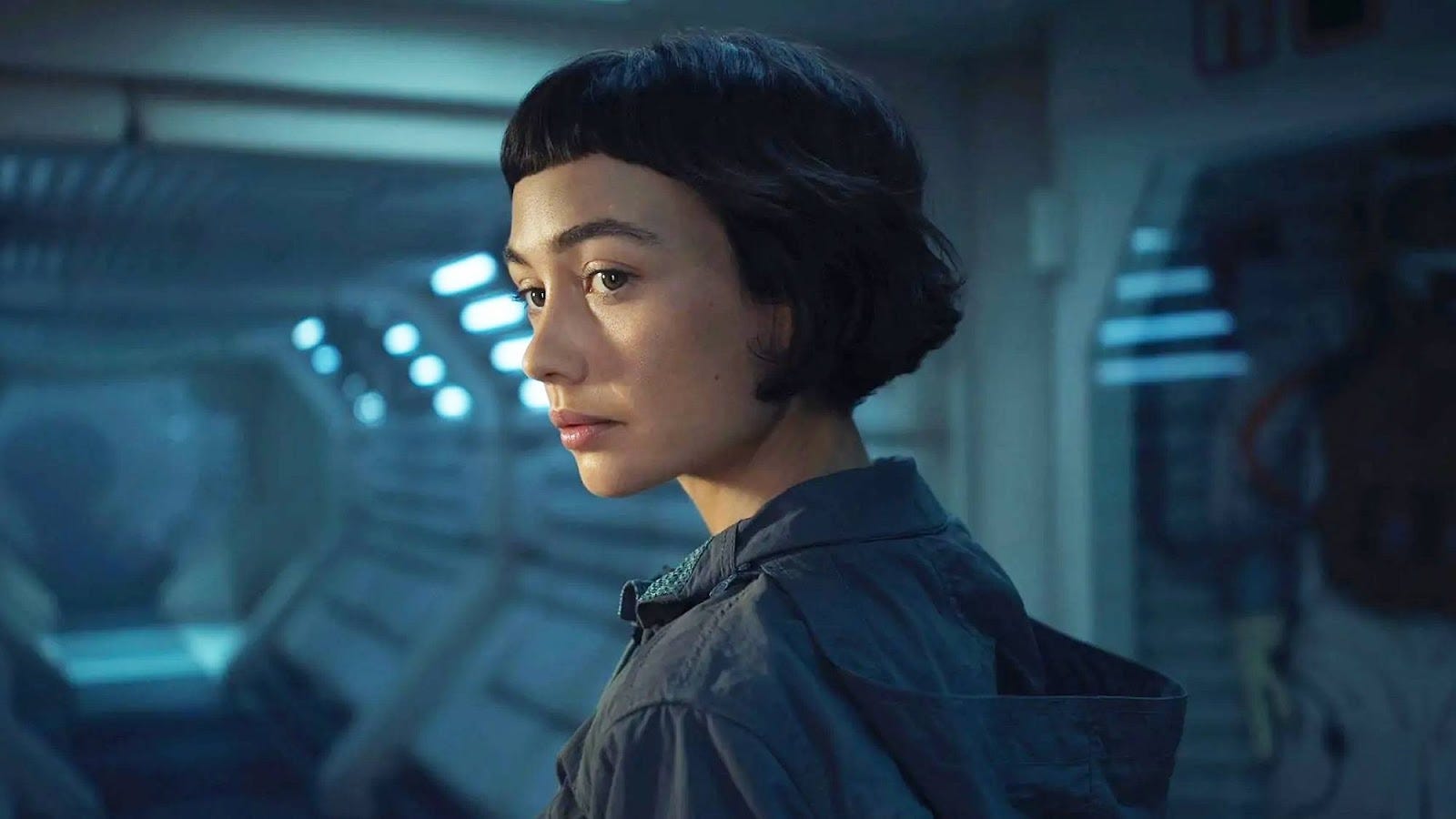
Alien: Earth is a visually spectacular addition to the Alien franchise, but its narrative shortcomings make it a frustrating entry, marked by inexplicable character stupidity that undermines its potential. The set design and cinematography are impeccable, channeling the gritty, retro-futuristic aesthetic of Ridley Scott’s 1979 classic, Alien. Iconic sets, like the corridors of the Nostromo, are meticulously recreated by a talented team of set designers. The visuals, with nostalgic color grading, grain, and atmospheric effects, evoke 1970s sci-fi cinema, evoking the original film’s camera techniques. The costumes and haircuts also perfectly align with the design aesthetic of Alien. For fans of craftsmanship, the visual delightfulness of the show alone may justify watching.
The show splits its setting between Earth and a science vessel, the Maginot, which mirrors the Nostromo’s design but serves as a research ship rather than a cargo hauler. This choice feels inconsistent, as a science vessel’s advanced technology should not match the Nostromo’s industrial grunge, but the care in recreating the aesthetic is undeniable. Ridley Scott, attached as an executive producer, reportedly provided creative oversight (though specific details of his involvement remain unclear). Production costs, estimated at over $31 million per episode, reflect the show’s polished visuals.

Unfortunately, the story fails to match this technical prowess, a surprising misstep given lead writer Noah Hawley’s work on Legion and Bones, both series with considerably better writing than Alien: Earth. The plot centers on adolescent characters, named after the Lost Boys and at least one pirate from Peter Pan, whose foolish decisions might be excused due to their youth. However, the pervasive stupidity extends to characters meant to be intelligent, most notably Timothy Olyphant’s enigmatic android, Kirsh. Olyphant delivers a strong performance, but up to the penultimate episode of the first season, Kirsh’s motivations remain inscrutable, with a secret agenda undermined by reliance on improbable chance and events beyond his control. This suggests that the only way the writers could think of to portray an intelligent character was to make him speak as little as possible and react to everything as if he knew it was going to happen even when there was no possible way he could have.
SEE ALSO: James Cameron Explains Why He's Struggling To Write A New 'Terminator' Movie
The show introduces intriguing concepts, such as transhumanism, with children whose brains are scanned and uploaded into robotic bodies as part of a megacorporation’s experiments into achieving eternal life. Cyborgs—humans with augmented body parts—also debut in the franchise, offering a fresh angle. Kirsh, reminiscent of Ian Holm’s Ash from Alien as an older-model android with internal conflicts, adds to this theme. However, pop culture critic Gary "Nerdrotic" Buechler notes that the most interesting ideas are glossed over too quickly, resolved in a few minutes when they should have been explored over the course of the entire season. Buechler describes Alien: Earth as a “Gen Z production,” designed for distracted viewers scrolling X or checking emails, with heavy-handed dialogue and exposition ensuring nothing is missed even without watching the screen.
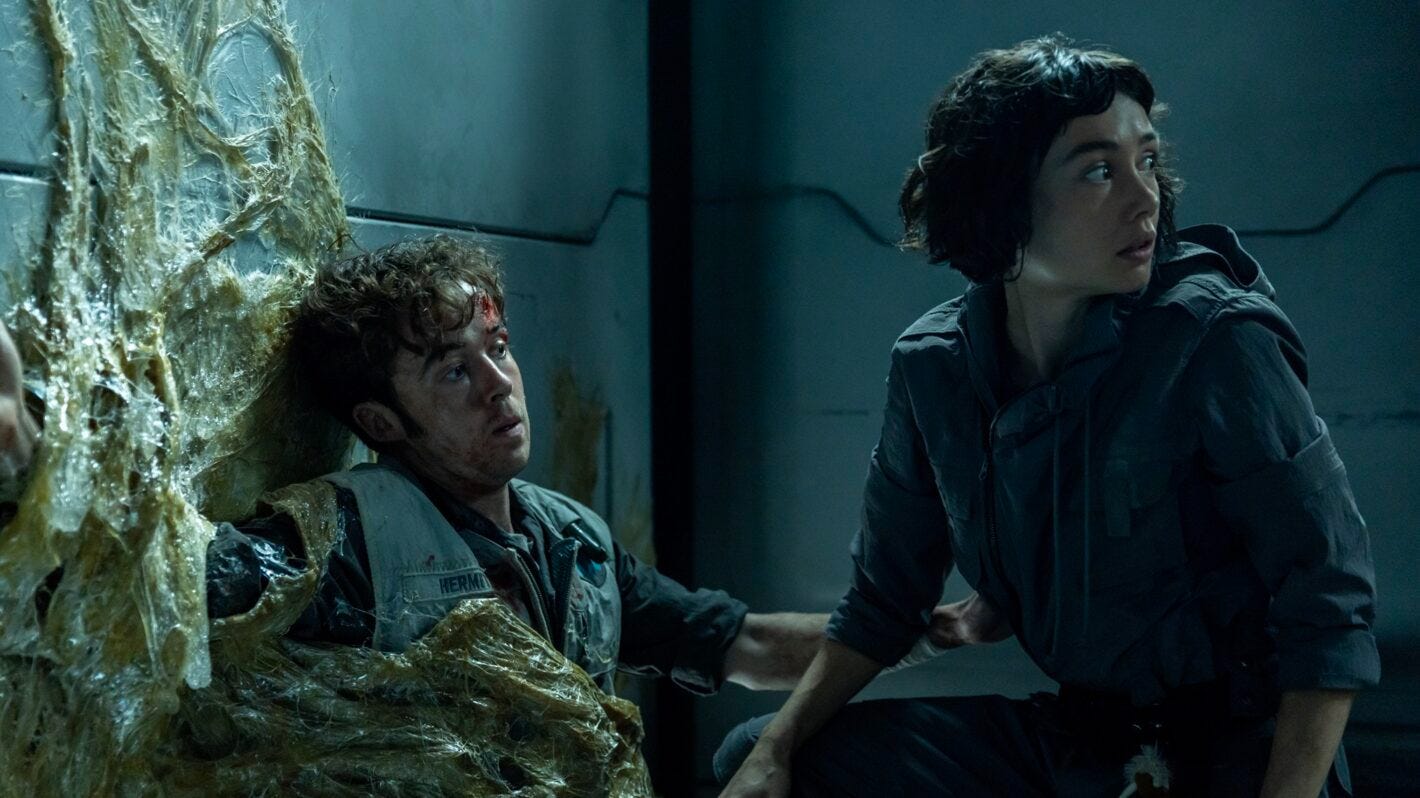
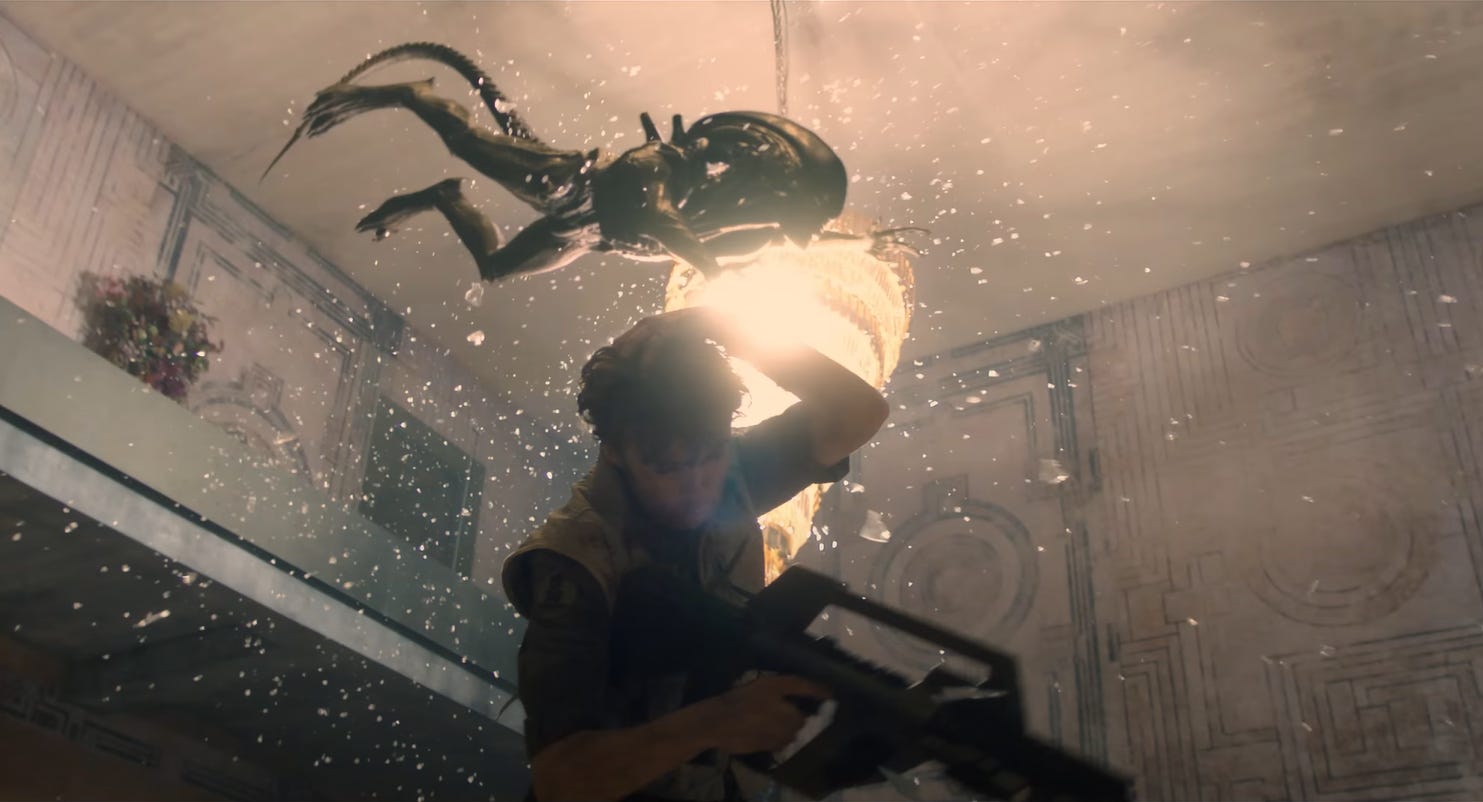
The casting raises concerns. Sydney Chandler, playing Wendy, portrays an emerging girl-boss with the pixie-like look of Amélie from the famous French film but feels miscast as a tough survivor. Similarly, Wendy’s brother, Joe Hermit, played by Alex Lawther, is a corporate security officer who appears too frail for his role, as if a slight breeze or the recoil of his rifle could knock him over. These choices undermine the show’s credibility.
SEE ALSO: Star Trek: Voyager's Robert Beltran Speaks Out In Defense Of Charlie Kirk
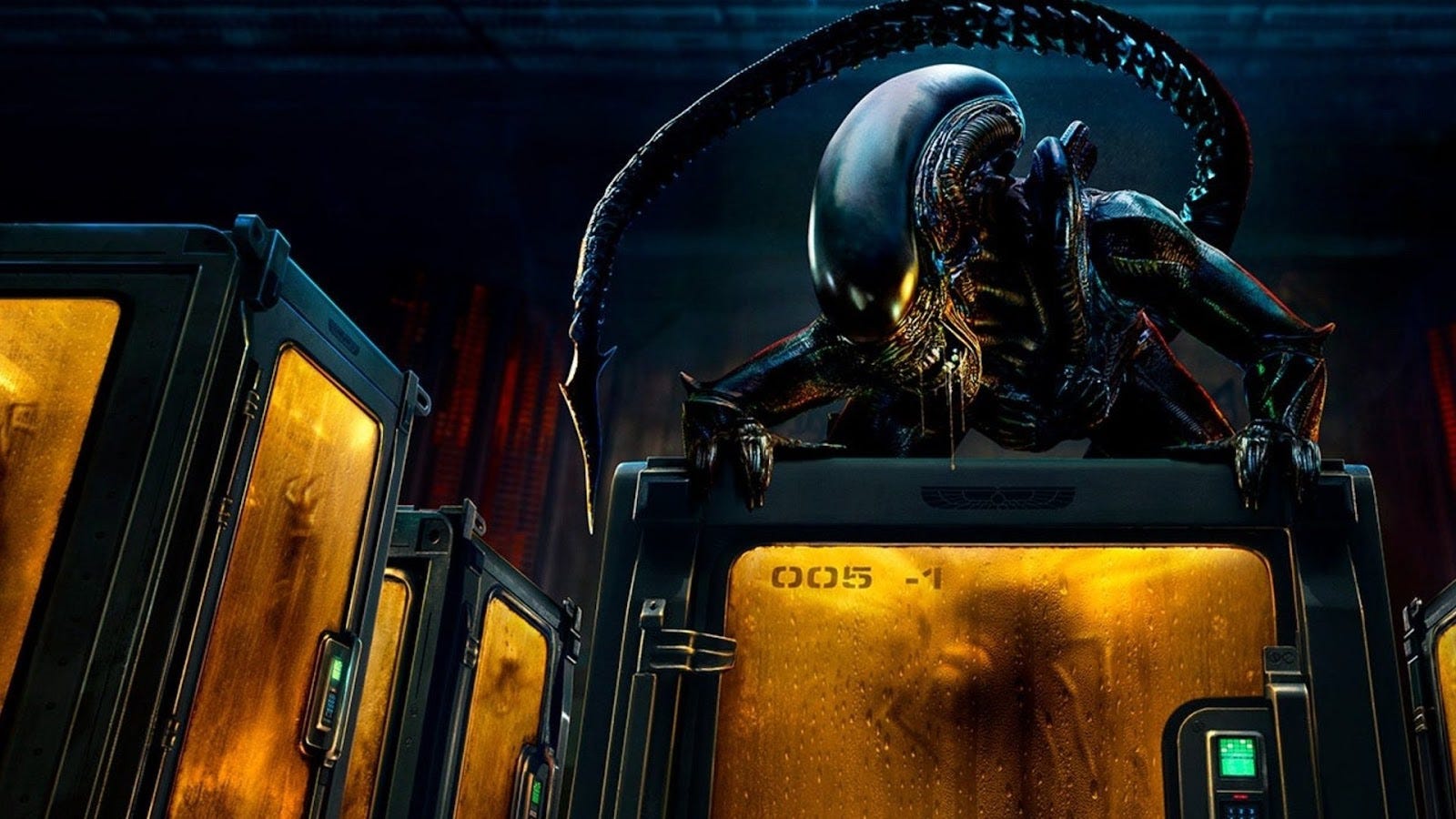
Most frustratingly, Alien: Earth disrupts the franchise’s continuity by introducing xenomorphs to Earth years before the events of Alien. This contradicts the original film’s premise that the xenomorph was an unknown threat, creating plot holes and nullifying the existential dread of aliens reaching Earth. The absence of religious themes, prominent in other franchise entries, feels like another missed opportunity for depth, not that a modern TV production is likely to do a good job at exploring these themes.
Review: Alien: Earth – Visually Stunning, Narratively Disappointing
Alien: Earth is a visually spectacular addition to the Alien franchise, but its narrative shortcomings make it a frustrating entry, marked by inexplicable character stupidity that undermines its potential. The set design and cinematography are impeccable, channeling the gritty, retro-futuristic aesthetic of Ridley Scott’s 1979 classic, Alien. Iconic sets, like the corridors of the Nostromo, are meticulously recreated by a talented team of set designers. The visuals, with nostalgic color grading, grain, and atmospheric effects, evoke 1970s sci-fi cinema, evoking the original film’s camera techniques. The costumes and haircuts also perfectly align with the design aesthetic of Alien. For fans of craftsmanship, the visual delightfulness of the show alone may justify watching.
The show splits its setting between Earth and a science vessel, the Maginot, which mirrors the Nostromo’s design but serves as a research ship rather than a cargo hauler. This choice feels inconsistent, as a science vessel’s advanced technology should not match the Nostromo’s industrial grunge, but the care in recreating the aesthetic is undeniable. Ridley Scott, attached as an executive producer, reportedly provided creative oversight (though specific details of his involvement remain unclear). Production costs, estimated at over $31 million per episode, reflect the show’s polished visuals.
Unfortunately, the story fails to match this technical prowess, a surprising misstep given lead writer Noah Hawley’s work on Legion and Bones, both series with considerably better writing than Alien: Earth. The plot centers on adolescent characters, named after the Lost Boys and at least one pirate from Peter Pan, whose foolish decisions might be excused due to their youth. However, the pervasive stupidity extends to characters meant to be intelligent, most notably Timothy Olyphant’s enigmatic android, Kirsh. Olyphant delivers a strong performance, but up to the penultimate episode of the first season, Kirsh’s motivations remain inscrutable, with a secret agenda undermined by reliance on improbable chance and events beyond his control. This suggests that the only way the writers could think of to portray an intelligent character was to make him speak as little as possible and react to everything as if he knew it was going to happen even when there was no possible way he could have.
SEE ALSO: James Cameron Explains Why He's Struggling To Write A New 'Terminator' Movie
The show introduces intriguing concepts, such as transhumanism, with children whose brains are scanned and uploaded into robotic bodies as part of a megacorporation’s experiments into achieving eternal life. Cyborgs—humans with augmented body parts—also debut in the franchise, offering a fresh angle. Kirsh, reminiscent of Ian Holm’s Ash from Alien as an older-model android with internal conflicts, adds to this theme. However, pop culture critic Gary "Nerdrotic" Buechler notes that the most interesting ideas are glossed over too quickly, resolved in a few minutes when they should have been explored over the course of the entire season. Buechler describes Alien: Earth as a “Gen Z production,” designed for distracted viewers scrolling X or checking emails, with heavy-handed dialogue and exposition ensuring nothing is missed even without watching the screen.
The casting raises concerns. Sydney Chandler, playing Wendy, portrays an emerging girl-boss with the pixie-like look of Amélie from the famous French film but feels miscast as a tough survivor. Similarly, Wendy’s brother, Joe Hermit, played by Alex Lawther, is a corporate security officer who appears too frail for his role, as if a slight breeze or the recoil of his rifle could knock him over. These choices undermine the show’s credibility.
SEE ALSO: Star Trek: Voyager's Robert Beltran Speaks Out In Defense Of Charlie Kirk
Most frustratingly, Alien: Earth disrupts the franchise’s continuity by introducing xenomorphs to Earth years before the events of Alien. This contradicts the original film’s premise that the xenomorph was an unknown threat, creating plot holes and nullifying the existential dread of aliens reaching Earth. The absence of religious themes, prominent in other franchise entries, feels like another missed opportunity for depth, not that a modern TV production is likely to do a good job at exploring these themes.
As the first season nears its end, viewers hope for clarity on Kirsh’s motivations in the finale. A second season has not been confirmed, but TV Insider reports that “stats are promising”. The stupidity on display—hard to reconcile with screenwriter Noah Hawley’s track record—makes Alien: Earth a disappointing addition, worth watching only for its stunning visuals.
For a great alternative alien space thriller, read The Screaming Void on Amazon!

NEXT: Was The Star Trek: Strange New Worlds Season 3 Finale Intended To Be A Doctor Who Crossover Episode?

Check your post; I'm seeing a double post, and some quick editing may be required.
Do these posts get reviewed? If not they should. lol. Posters need to do better.
I agree with what’s it’s saying though.