


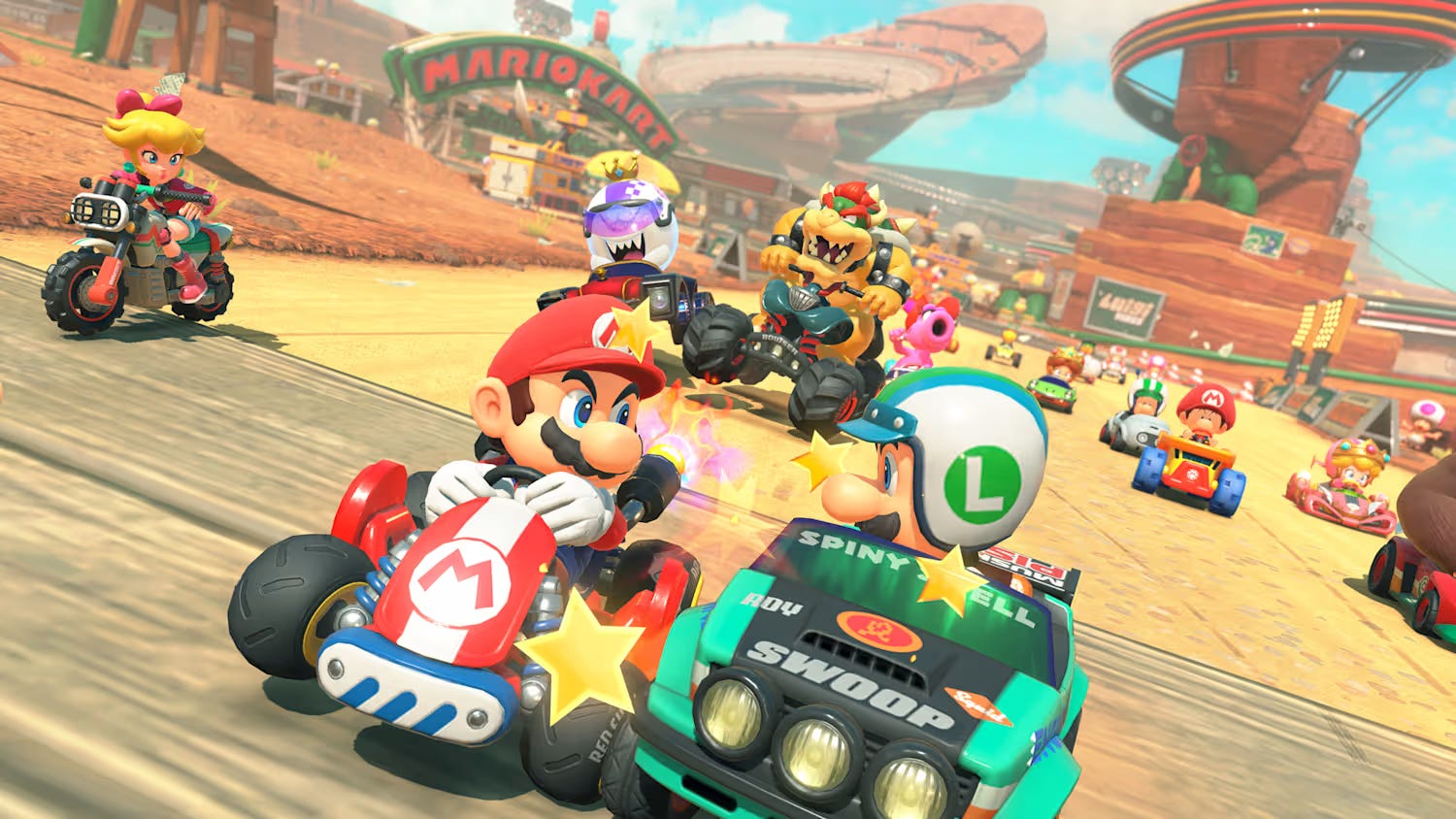
Nintendo revealed its sales expectations for both the Nintendo Switch 2 hardware as well as its software sales.
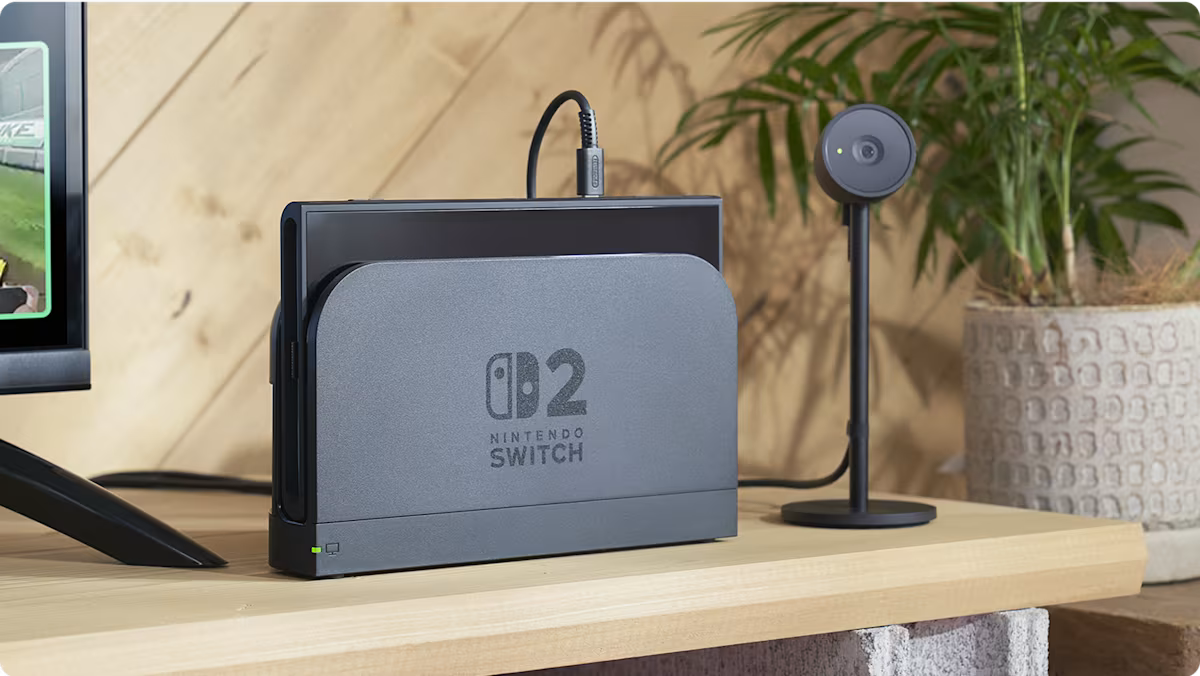
In a question and answer portion of Nintendo’s Financial Results Briefing for Fiscal Year Ended March 2025, Nintendo President Shuntaro Furukawa revealed that Nintendo expects to sell 15 million Nintendo Switch 2 units for the fiscal year.
He said, “We are forecasting Nintendo Switch 2 hardware sales of 15 million units for this fiscal year. We set this figure with the aim of reaching the same level of sales we achieved with Nintendo Switch in the roughly 10-month period between its launch in March 2017 and December that year.”
Furukawa went on to reveal that the company did not factor in its hardware production capacity nor U.S. tariffs or a recession into its forecast, “The limits of our hardware production capacity were not a factor in setting our sales volume forecast. Additionally, the tariff situation in the U.S. or a possibility of a recession did not affect our sales volume forecast either.”
When one individual claimed the estimates seemed to be conservative, Furukawa replied, “The Nintendo Switch 2 hardware is priced relatively high compared to Nintendo Switch, so even if there is momentum around the launch, we know it will not be easy to keep that momentum going over the long term through the holiday season and beyond.”
READ: 'No Rest For The Wicked' Dev Clarifies Post Saying Game Might Shut Down In A Couple Months
As far as software sales, he revealed the aim is to achieve 45 million in the fiscal year. However, he noted that number does not include the Mario Kart World games that come bundled with the Nintendo Switch 2 + Mario Kart World bundle. If he factors the bundle in, he revealed they are expecting to sell around 52 million units.
He said, “As for Nintendo Switch 2 software, we have a sales volume forecast of 45 million units, but this figure does not include Mario Kart World units that are included in the Nintendo Switch 2 + Mario Kart World bundle. When we account for software units bundled with the hardware, the forecast surpasses the roughly 52 million units of software sold for Nintendo Switch in the 10 months after its launch. In setting our software sales volume forecast, we took into consideration the fact that software publishers will have a more robust lineup than at the time of the Nintendo Switch launch, and the availability of Nintendo Switch 2 Edition titles.”
Furthermore, he noted that the company has seen an increase in demand than what they were originally expecting, “This fiscal year, we will aim for the target we have set as the sales volume forecast, strengthen our production capacity to respond to recent increased demand, and focus on promoting sales in an effort to exceed our forecast. The momentum we have immediately after the Nintendo Switch 2 launch is important, of course, but the first challenge we face is how to sustain that momentum and carry it into the holiday season.”
READ: 'Final Fantasy VII' Review: A Compromised Game
Later in the Q&A portion, Furukawa addressed the impact that tariffs will have on the company’s profit, “For the purpose of our consolidated financial forecast for the fiscal year ending March 2026, U.S. tariff rates effective as of April 10, U.S. Eastern Time, are maintained throughout the fiscal year. However, our assumption is that packaged software will not be subject to tariffs because it falls under products exempted from tariffs as announced on April 11. Based on these assumptions, we have factored in a negative impact of several tens of billions of yen at the profit level into our consolidated financial forecast for the fiscal year ending March 2026.”
“The reason we expect the operating profit ratio to decline year-on-year in our consolidated earnings forecast is because the proportion of hardware sales is projected to increase with the launch of Nintendo Switch 2 and we expect the gross profit ratio to decline due to Nintendo Switch 2 hardware having a lower profit margin than Nintendo Switch hardware. The operating profit ratio is expected to decline year-on-year in tandem with the decline in the gross profit ratio,” he continued. “Our basic policy is that for any country or region, if tariffs are imposed, we recognize them as a part of the cost and incorporate them into the price. However, this year marks our first new dedicated video game system launch in eight years, so given our unique situation, our priority is to maintain the momentum of our platforms, which is extremely important for our dedicated video game platform business, and to rapidly expand the install base of our new hardware. Consequently, if the assumptions on tariffs change, we will consider what kind of price adjustments would be appropriate, taking into account various factors such as the market conditions.”
What do you make of Nintendo’s sales expectations for its hardware and software?
Unfortunately it will probably sell quite well. Nintendo are not getting my money though.