



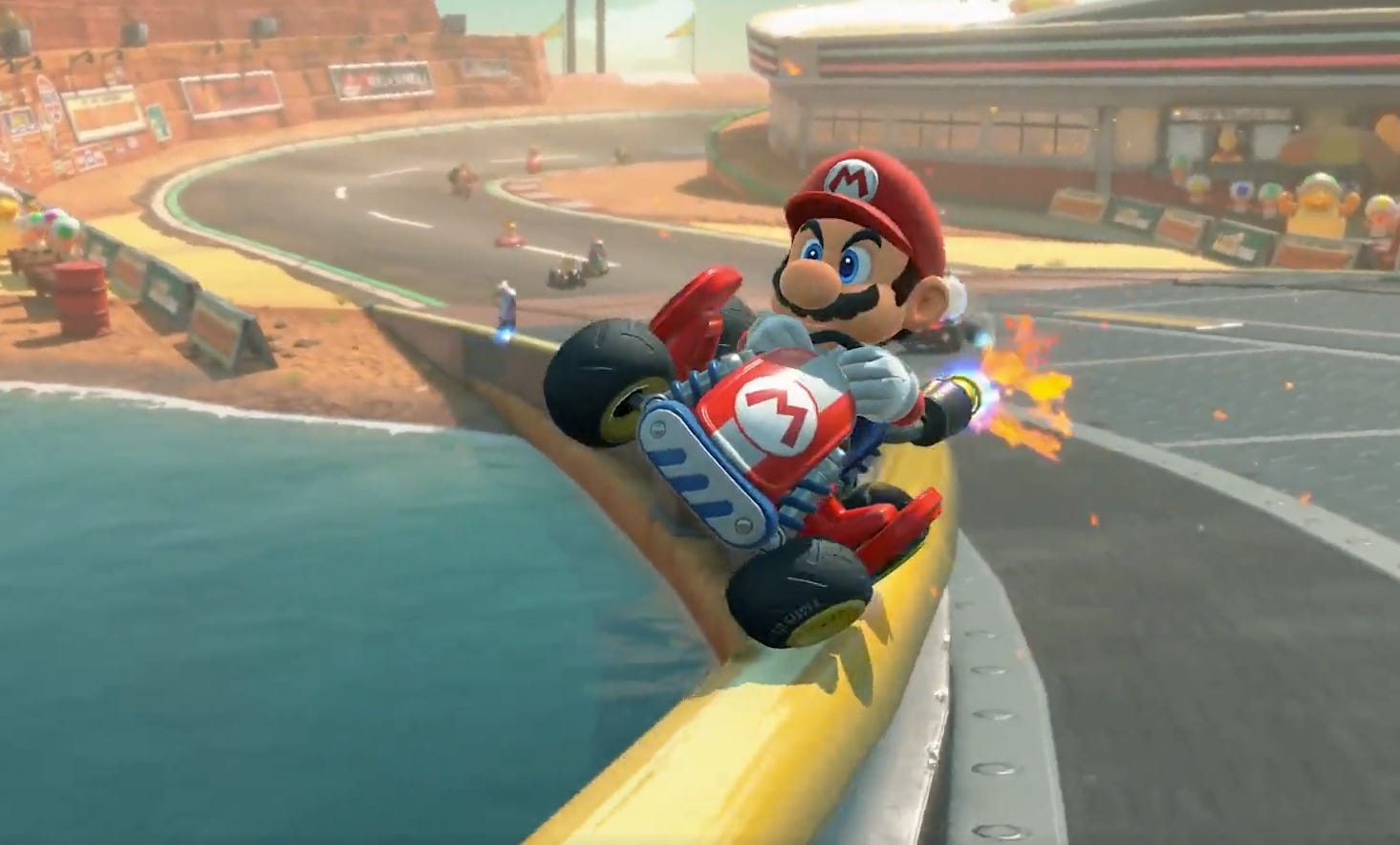
Nintendo of America Vice President of Product and Player Experience Bill Trinen addressed the pricing for a number of Nintendo Switch 2 games including the $80 price tag for Mario Kart World.
Speaking with IGN back on April 3rd before the company announced it was delaying Nintendo Switch 2 pre-orders due to President Donald Trump and his administration’s tariffs, Trinen addressed the pricing of its games at $80.
He said, ““I would say it's less about the strategy of pricing Mario Kart World, it's more just whenever we look at a given game, we just look at what is the experience, and what's the content, and what's the value?”
“Mario Kart World, I think especially as you see from the Nintendo Direct, not to give you any hints or anything, but I did read your article this morning and I think you had mentioned that you didn’t find a lot to discover when roaming around. So I would say tune into our Mario Kart Direct to see what, maybe you'll be able to find out about that,” he continued. “But honestly, this is a game that is so big and so vast and you will find so many little things in it to discover. And there's still some other secrets remaining that I think as people end up buying and playing the game, they're going to find this to be probably the richest Mario Kart experience they've ever had.”
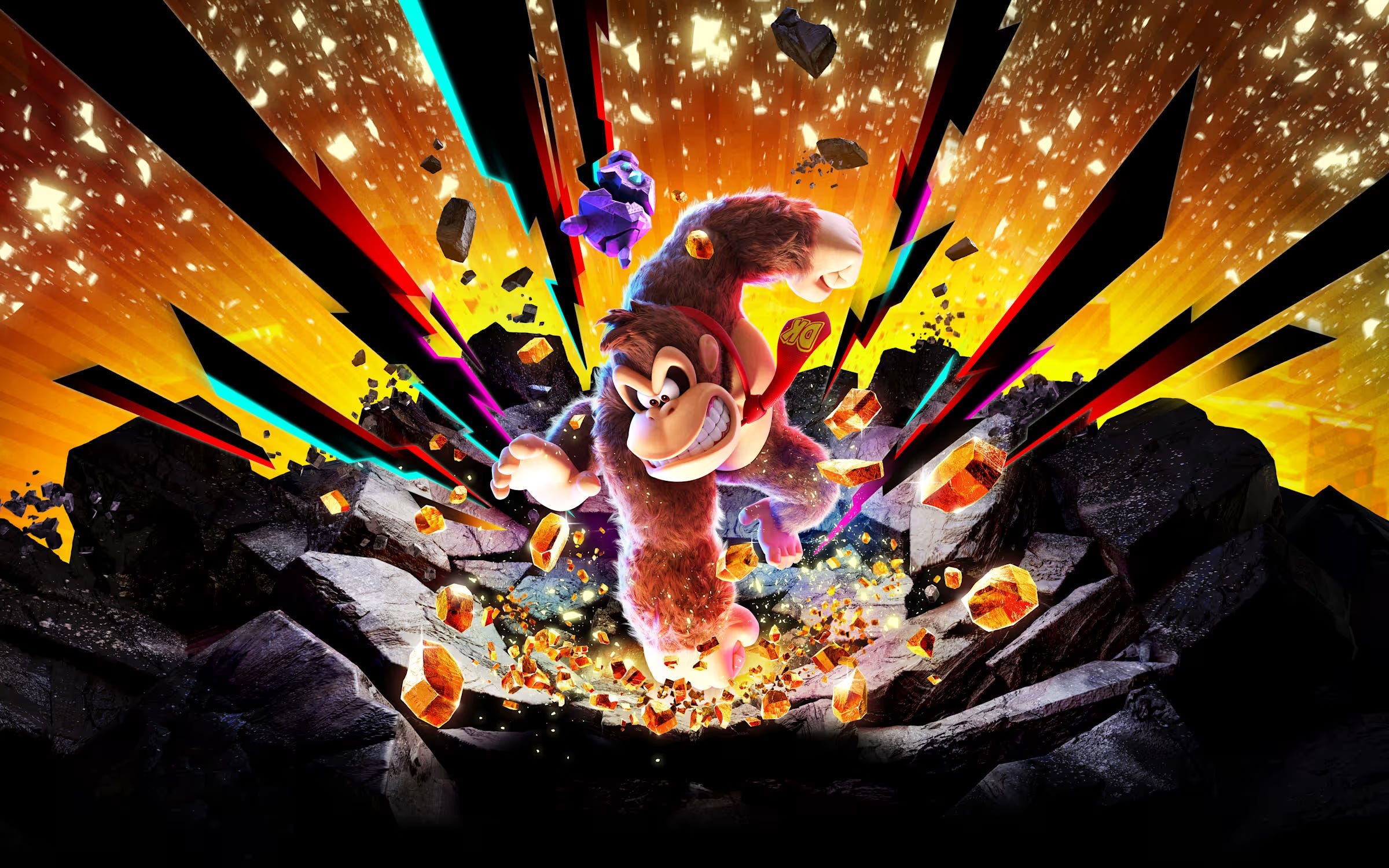
As for Nintendo Switch 2 Edition of games such as Super Mario Party Jamboree, Kirby and the Forgotten Land, and The Legend of Zelda: The Tears of the Kingdom, which are also reportedly to be priced at $79.99, Trinen explained, “Well, again, what I would say is that we just look at each individual game and we look at the content and the value of that game, and then we say, 'What is the right price for the value of this entertainment?’”
“What I would probably counter to some of that is that really what you're looking at is for the Nintendo Switch 2 Edition, that's the physical price for somebody that has not bought the base game,” he added. “For somebody who has bought Tears of the Kingdom or Breath of the Wild, the upgrade packs for those are $9.99. And if you happen to be a Nintendo Switch Online + Expansion Pack member, both of the Zelda upgrade packs are inclusive within that membership. So there's no additional charge for those.”
“But I think overall, our general approach is really just focus on what's the content, what's the value, and what's an appropriate price based on that,” he concluded.
READ: Ubisoft Allegedly Paid Hasan Piker More Than $76k To Promote 'Assassin's Creed Shadows'
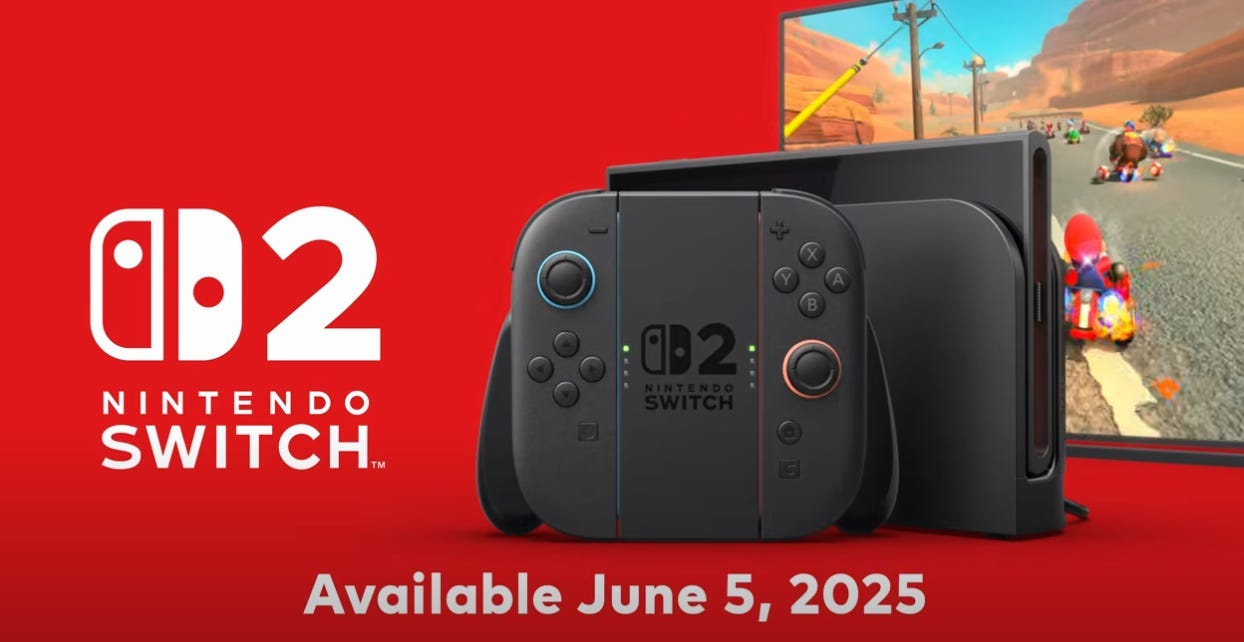
As for the Nintendo Switch 2’s price of $450, he said, “But I think any time you're building a new system that's got new features and new tech, there's costs associated with that. So again, we look at what is the experience on Nintendo Switch? What's the experience on Nintendo Switch 2? What are the new features that it offers? And certainly there's the cost of goods and things that factor into that, but we try to find the right appropriate price for a product based on that.”
As noted above, Nintendo told Polygon that it was delaying pre-orders for the Nintendo Switch 2 from April 9th to an undetermined date.
A Nintendo spokesman said, “Pre-orders for Nintendo Switch 2 in the U.S. will not start April 9, 2025 in order to assess the potential impact of tariffs and evolving market conditions. Nintendo will update timing at a later date. The launch date of June 5, 2025 is unchanged.”
Given the company is delaying pre-orders, it is likely that a price hike for either the hardware or software or both might be accompanying it as well.
What do you make of Trinen’s comments about the price of the games and the Switch 2 itself?
NEXT: Neil Druckmann's 'The Last Of Part II' Performs Worse Than 'God of War: Ragnarok' On Steam
Not the worst response, to be honest. Price should be related to content. The problem they have is that the content may not justify the price for a lot of people.
The problem with "price related to content" is that no one knows the content up front, so how do they know it's worth the price? They tried this back in the SNES days and it didn't work out; the market ended up stabilizing prices. The problem is, today's market seems to want to stabilize prices at a much higher amount; they're charging us "best possible content" prices, but we won't get "best possible content" on more than one or two games a year, if that. This is a bad strategy, born of desperation and market impatience.